

Commentary
In an interview, Marc Lynch discusses his new book decrying the post-1990 U.S.-dominated order in the Middle East.
Michael Young
{
  "authors": [
    "Vipin Narang",
    "Ankit Panda"
  ],
  "type": "other",
  "centerAffiliationAll": "dc",
  "centers": [
    "Carnegie Endowment for International Peace"
  ],
  "collections": [
    "Korean Peninsula"
  ],
  "englishNewsletterAll": "ctw",
  "nonEnglishNewsletterAll": "",
  "primaryCenter": "Carnegie Endowment for International Peace",
  "programAffiliation": "NPP",
  "programs": [
    "Nuclear Policy"
  ],
  "projects": [],
  "regions": [
    "East Asia",
    "North Korea"
  ],
  "topics": [
    "Nuclear Policy"
  ]
}
Source: Getty
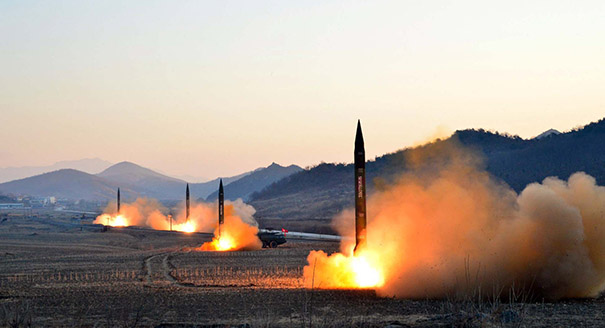
For a new nuclear state like North Korea, questions concerning strategic implementation abound.
Source: War on the Rocks
A new nuclear state, in a major crisis with a conventionally superior nuclear-armed adversary, contemplates and prepares to move nuclear assets in the event it has to use them. Who controls the nuclear forces? Who decides when they might be assembled, mated to delivery vehicles, moved, and launched? Who has nominal authority to order those decisions? Who has the physical ability to implement them even without proper authorization? How experienced are the relevant units in these operations? What could go wrong?
These were the questions that bedeviled Pakistan in the 1999 Kargil War and again in the 10-month standoff with India in 2001-2002. They are the same challenges and issues that confront North Korea today.
As the mountain of dust settles after North Korea’s purported thermonuclear bomb, intermediate-range ballistic missile, and intercontinental-range ballistic missile (ICBM) tests this summer and it becomes an increasingly operational nuclear state, one of the many deadly serious challenges it faces is how it manages its nuclear forces, or what command and control arrangement it erects. These arrangements are the transmission belt that makes a state’s nuclear strategy operational — how and when nuclear weapons are managed and might actually be employed. As a nuclear weapons power, North Korea now has to think about how precisely it wants to implement its “asymmetric escalation” strategy. And so does the United States, since these arrangements have very real implications for when nuclear weapons might be used intentionally — or unintentionally — in a conflict.
This article was originally published in War on the Rocks
Former Nonresident Scholar, Nuclear Policy Program
Vipin Narang was a nonresident scholar in the Nuclear Policy Program at the Carnegie Endowment for International Peace.

Stanton Senior Fellow, Nuclear Policy Program
Ankit Panda is the Stanton Senior Fellow in the Nuclear Policy Program at the Carnegie Endowment for International Peace.
Carnegie does not take institutional positions on public policy issues; the views represented herein are those of the author(s) and do not necessarily reflect the views of Carnegie, its staff, or its trustees.
In an interview, Marc Lynch discusses his new book decrying the post-1990 U.S.-dominated order in the Middle East.

Michael Young
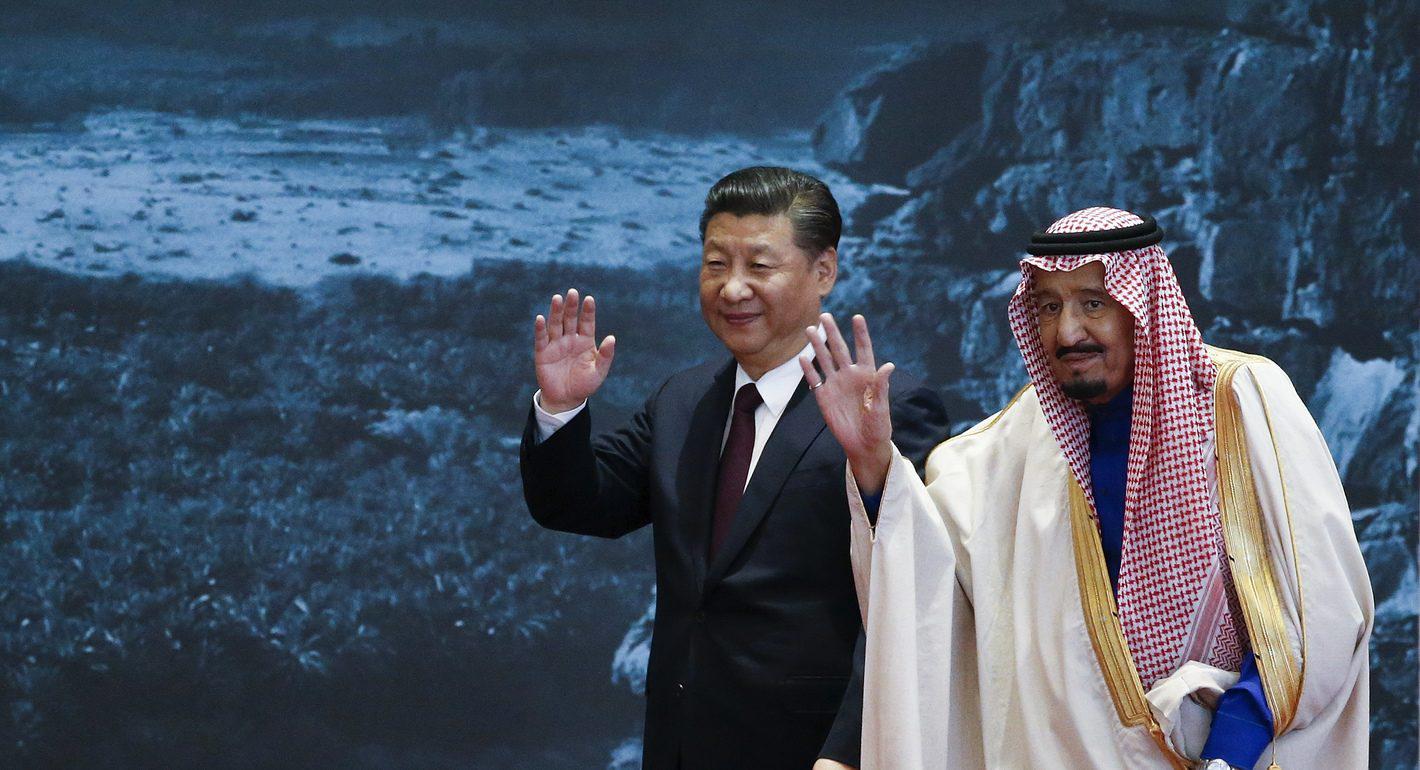
The advantage that China has over other global powers, especially America, is that its foreign policy is closely aligned with those of many of the Middle Eastern countries.


Jin Liangxiang, Maha Yahya, Hesham Alghannam
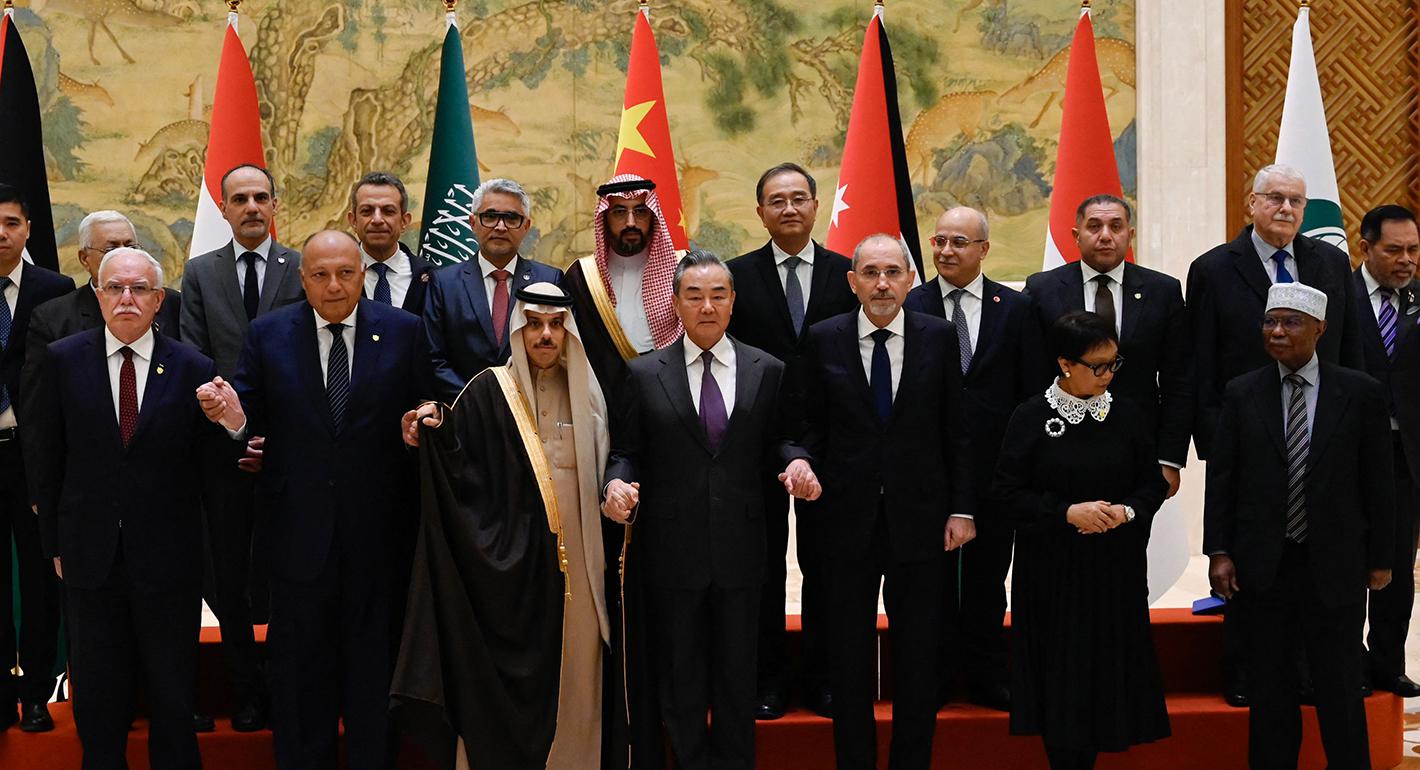
To create an environment more conducive to cooperation and development, U.S. and Chinese efforts should seek the endorsement of neighboring countries and regional organizations. Otherwise, regional and geopolitical rivalries will remain barriers.

Abdullah Baabood
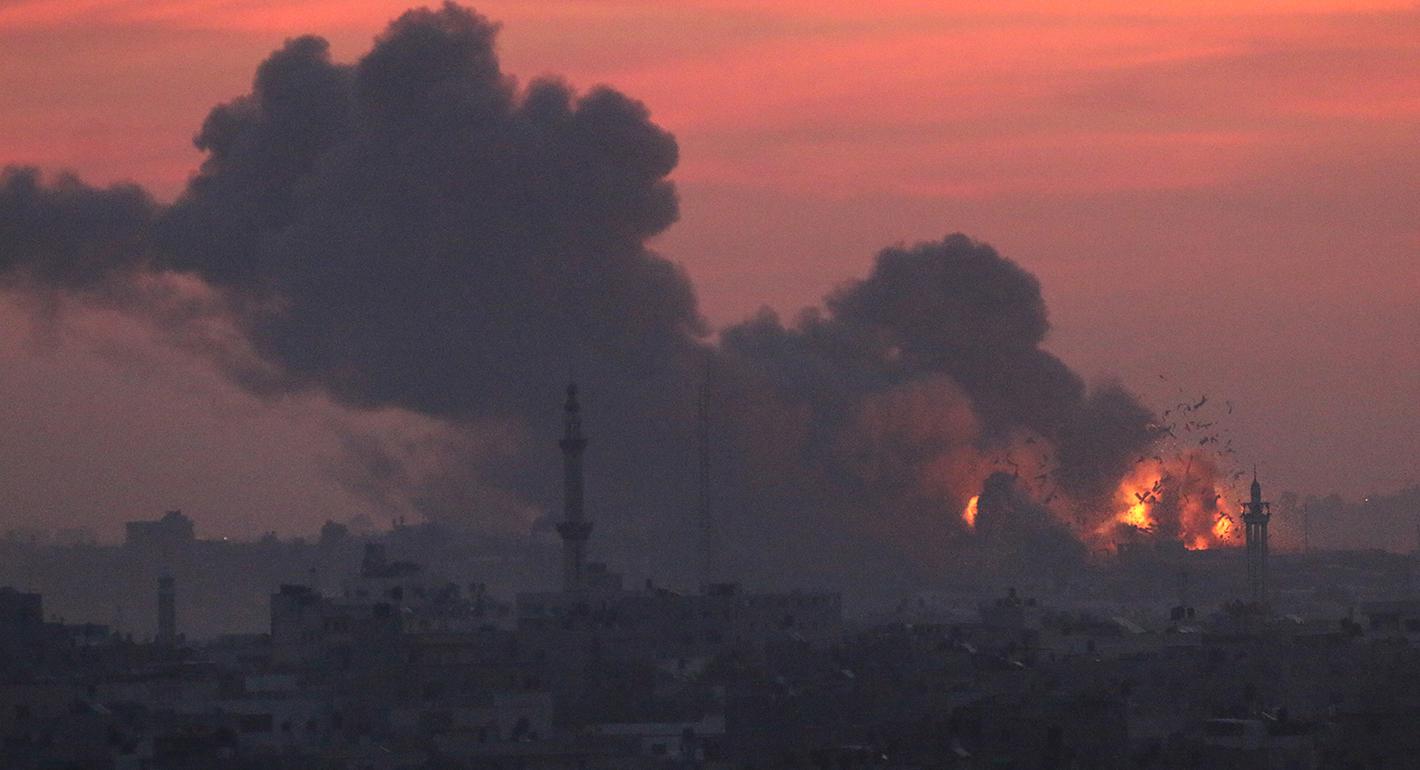
Scholars from Carnegie’s global network comment on how the ongoing conflict between Israelis and Palestinians is affecting their areas of interest, and what the implications of this may be.


Maha Yahya, Rosa Balfour, Judy Dempsey, …
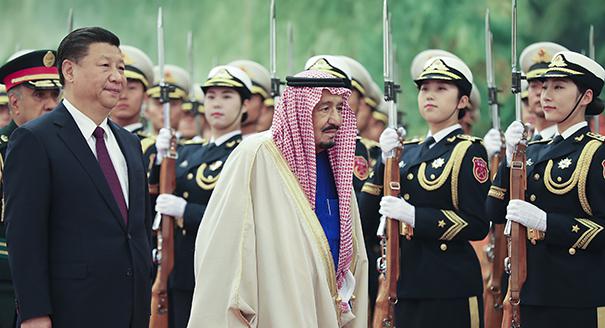
In an interview, Abdullah Baabood discusses Beijing’s evolving role in the Gulf region, where its priority is stability.
Michael Young