

Commentary
The GCC states’ use of Artificial Intelligence will generate much leverage over the global digital infrastructure and climate talks.
Camille Ammoun
{
  "authors": [
    "Ananth Padmanabhan",
    "R. Shashank Reddy"
  ],
  "type": "other",
  "centerAffiliationAll": "",
  "centers": [
    "Carnegie Endowment for International Peace",
    "Carnegie India"
  ],
  "collections": [],
  "englishNewsletterAll": "",
  "nonEnglishNewsletterAll": "",
  "primaryCenter": "Carnegie India",
  "programAffiliation": "",
  "programs": [],
  "projects": [],
  "regions": [
    "South Asia",
    "India"
  ],
  "topics": [
    "Technology"
  ]
}
Source: Getty
As the world becomes increasingly digital, both the greatest opportunities and the biggest threats emanate from the digital and technological space.
Source: Perth USAsia Center
As the world becomes increasingly digital, both the greatest opportunities and the biggest threats emanate from the digital and technological space. Technology centrality is central to both governance and economic growth, and India’s experiences with placing ‘digital’ at the core of its growth story could be a potential game-changer in the region and beyond. As innovation becomes the buzzword around which economies of the future are conceptualised, what India says and does in the cyberspace domain has profound implications for the entire world, and particularly the IndoPacific region.
This chapter was originally published by the Perth USAsia Center.
Former Fellow, Carnegie India
Ananth Padmanabhan was a fellow at Carnegie India, based in New Delhi. His primary research focus is technology, regulation, and public policy, and the intersection of these three fields within the Indian context.
R. Shashank Reddy
Former Research Analyst
R. Shashank Reddy was a research analyst at Carnegie India. His research focuses on the implications of emerging technologies and their governance for international and Indian security.
Carnegie does not take institutional positions on public policy issues; the views represented herein are those of the author(s) and do not necessarily reflect the views of Carnegie, its staff, or its trustees.

The GCC states’ use of Artificial Intelligence will generate much leverage over the global digital infrastructure and climate talks.

Camille Ammoun

Uneven investment in the technology will widen regional inequalities in the Middle East and North Africa.

Nur Arafeh

The GCC states are, to varying degrees, opening up to digital finance. This is part of an effort to diversify their economies and wean themselves off U.S.-dominated monetary systems.
Ala’a Kolkaila
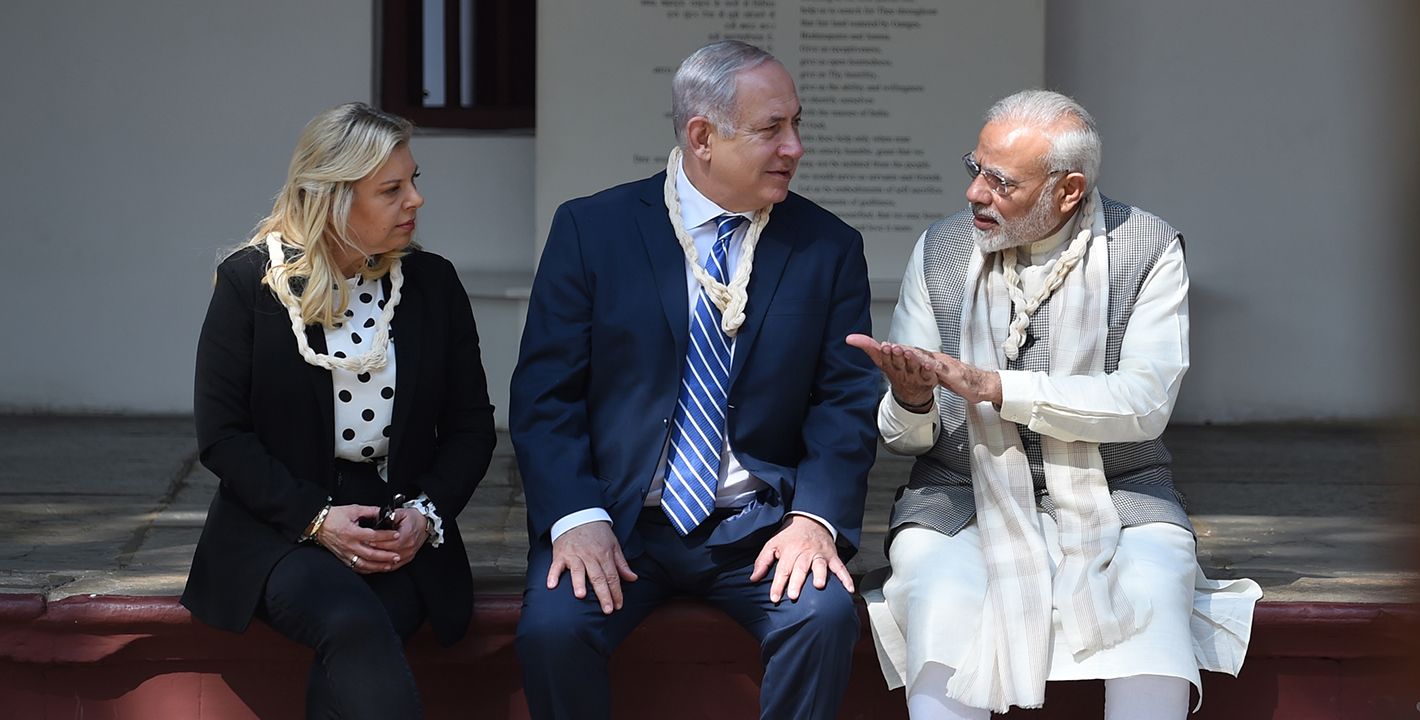
In an interview, Abhinav Pandya discusses the multiple facets of India’s ties with the Middle East.

Armenak Tokmajyan

The interaction of national armed forces and private business sectors offers a useful lens for viewing the politics of numerous countries of the so-called Global South. A rising trend of military political activism—often accompanied by military commercial activity—underlines the importance of drivers and outcomes in these relationships.

Yezid Sayigh, Hamza Meddeb