

Paper
Ananth Padmanabhan, R. Shashank Reddy, Shruti Sharma
{
  "authors": [
    "Ananth Padmanabhan"
  ],
  "type": "legacyinthemedia",
  "centerAffiliationAll": "",
  "centers": [
    "Carnegie Endowment for International Peace",
    "Carnegie India"
  ],
  "collections": [],
  "englishNewsletterAll": "",
  "nonEnglishNewsletterAll": "",
  "primaryCenter": "Carnegie India",
  "programAffiliation": "",
  "programs": [],
  "projects": [],
  "regions": [
    "India"
  ],
  "topics": [
    "Technology"
  ]
}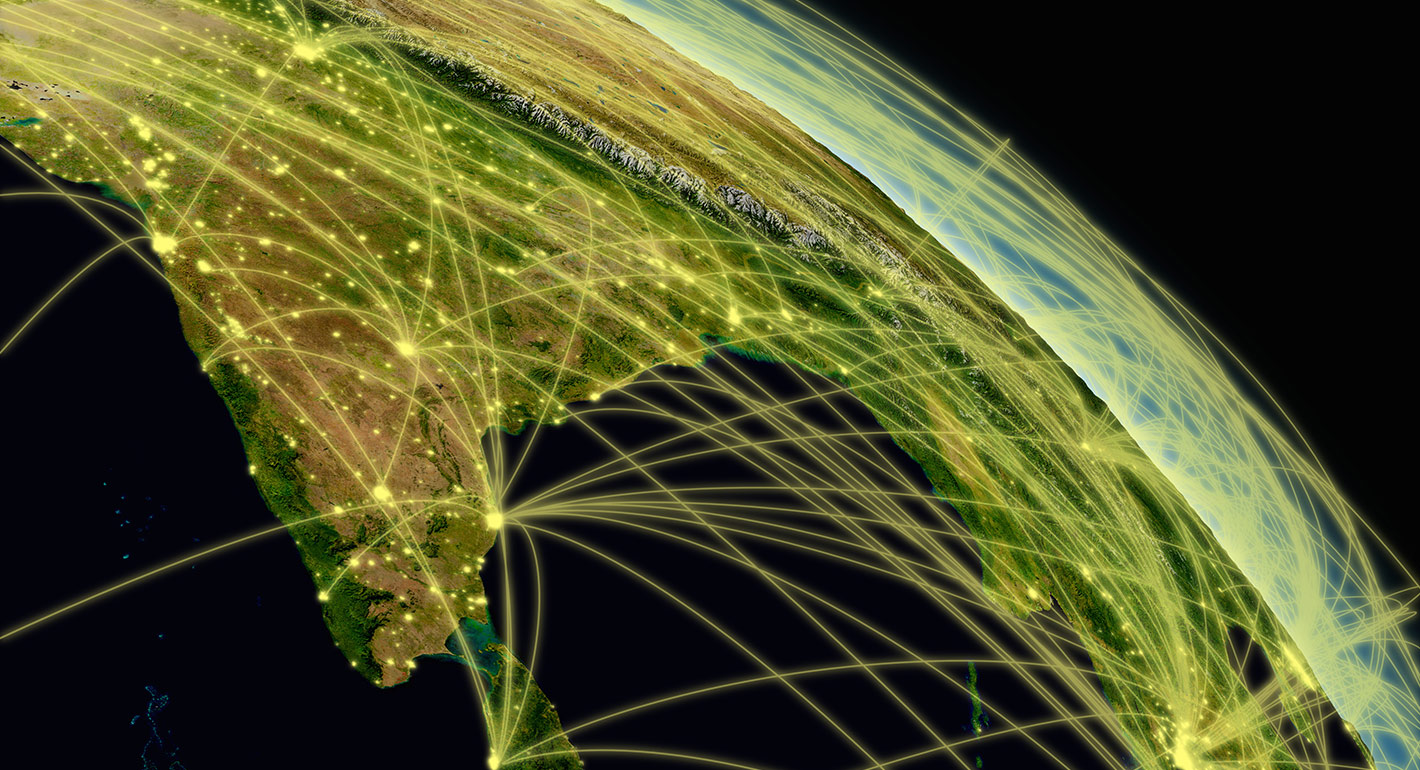
Source: Getty
The recent move by the United States Department of Justice (DoJ) against DreamHost raises some critical questions about safeguards that Indians may not have in protecting themselves from state surveillance.
Source: Print
The recent move by the United States Department of Justice (DoJ) against DreamHost, a service that hosts the website disruptj20.org, raises some critical questions about safeguards that Indians may not have in protecting themselves from state surveillance.
DreamHost was allegedly used to organise protests against President Trump on Inauguration Day. DoJ, on the pretext of investigating these offences, sought email lists and correspondences between website managers and third parties relying on a generally worded search warrant. A state court granted this request, and DreamHost’s appeal against the same awaits hearing.
Former Fellow, Carnegie India
Ananth Padmanabhan was a fellow at Carnegie India, based in New Delhi. His primary research focus is technology, regulation, and public policy, and the intersection of these three fields within the Indian context.
Recent Work

Ananth Padmanabhan, R. Shashank Reddy, Shruti Sharma
Ananth Padmanabhan
Carnegie does not take institutional positions on public policy issues; the views represented herein are those of the author(s) and do not necessarily reflect the views of Carnegie, its staff, or its trustees.
The GCC states’ use of Artificial Intelligence will generate much leverage over the global digital infrastructure and climate talks.
Camille Ammoun
Uneven investment in the technology will widen regional inequalities in the Middle East and North Africa.

Nur Arafeh
The GCC states are, to varying degrees, opening up to digital finance. This is part of an effort to diversify their economies and wean themselves off U.S.-dominated monetary systems.
Ala’a Kolkaila
In an interview, Abhinav Pandya discusses the multiple facets of India’s ties with the Middle East.

Armenak Tokmajyan

The Gulf Cooperation Council has shifted its energy export focus to Asia, particularly India and China. This is part of a broader shift as GCC members look to expand their geopolitical alliances away from the West.

Alexandre Kateb