

Commentary
As talks begin between Washington and Tehran, Beirut has an opening to advance a regional plan for the party’s disarmament.
Michael Young
{
  "authors": [
    "Deborah Gordon",
    "David Livingston"
  ],
  "type": "other",
  "centerAffiliationAll": "dc",
  "centers": [
    "Carnegie Endowment for International Peace"
  ],
  "collections": [],
  "englishNewsletterAll": "ctw",
  "nonEnglishNewsletterAll": "",
  "primaryCenter": "Carnegie Endowment for International Peace",
  "programAffiliation": "SCP",
  "programs": [
    "Sustainability, Climate, and Geopolitics"
  ],
  "projects": [
    "Carnegie Oil Initiative"
  ],
  "regions": [
    "United States",
    "South Asia",
    "North America"
  ],
  "topics": [
    "Climate Change"
  ]
}
Source: Getty
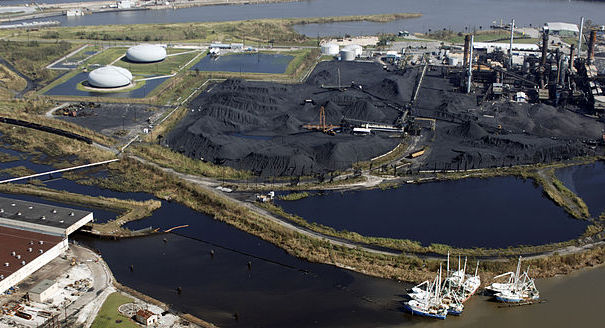
Petcoke, a highly-polluting byproduct of refining heavier oils, can be more polluting than coal. Broad indicators show that highly-degraded petcoke ends up being burned to generate power in Asia, making it important to take stock of global petcoke markets and flows around South Asia.
Source: Institute for Policy, Advocacy, and Governance
Heavier oils are naturally higher in their carbon content, creating challenges in production, refining, transport, and marketing. In order to refine heavier oils, the ‘coking’ process was patented in 1913 in order to make more high-value transport fuels out of the ‘bottom of the oil barrel.’ Wringing out more liquids using coking, however, results in a solid residue called petroleum coke, or ‘petcoke.’
The heavier the oil, the more petcoke produced. The higher an oil’s sulfur and heavy metal content, the lower the petcoke’s quality and value. While petcoke that is low in sulfur and heavy metals can be treated (calcined) and used to produce aluminum, steel, and as industrial feedstock, fuel grade or “green” petcoke, which is high in sulfur and heavy metals, is burned in power plants to generate electricity.
Fuel grade petcoke is generally too dirty to produce power in the United States. To prevent petcoke from piling up, the U.S. sells its stores of fuel grade petcoke, mostly to Asia where environmental regulations tend to be less stringent. With as much as 9% sulfur along with elevated levels of nickel and vanadium, burning petcoke emits particulates, sulfates, and other air contaminants that degrade the environment and threaten public health...

Former Director and Senior Fellow, Energy and Climate Program
Gordon was director of Carnegie’s Energy and Climate Program, where her research focuses on oil and climate change issues in North America and globally.
Former Associate Fellow, Energy and Climate Program
Livingston was an associate fellow in Carnegie’s Energy and Climate Program, where his research focuses on emerging markets, technologies, and risks.
Carnegie does not take institutional positions on public policy issues; the views represented herein are those of the author(s) and do not necessarily reflect the views of Carnegie, its staff, or its trustees.
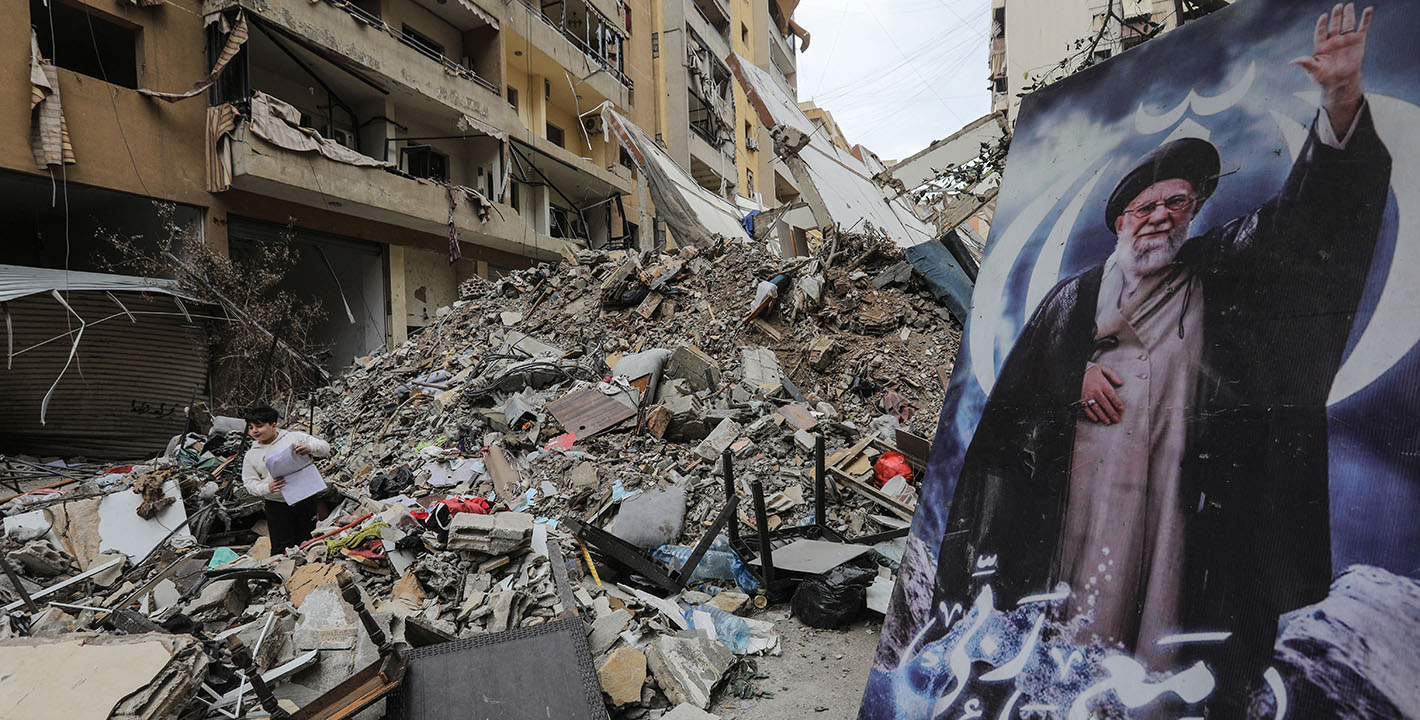
As talks begin between Washington and Tehran, Beirut has an opening to advance a regional plan for the party’s disarmament.

Michael Young
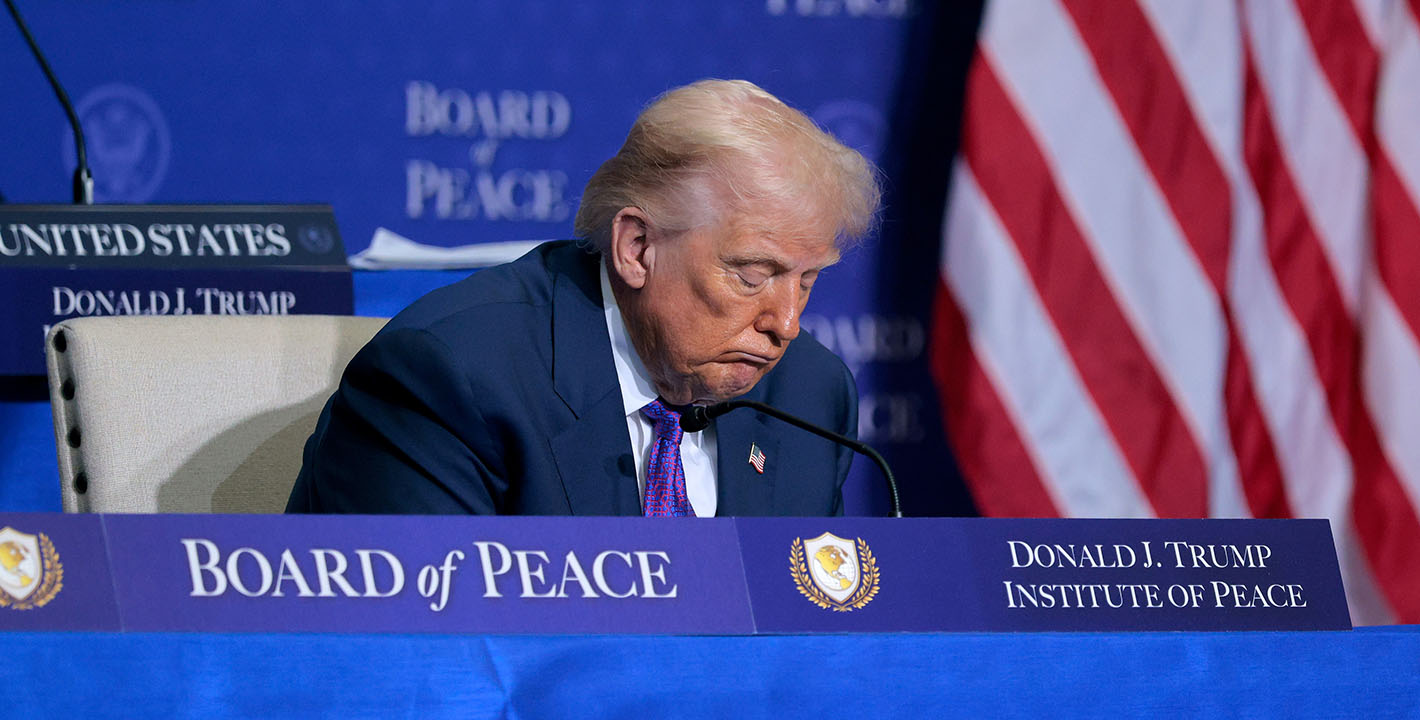
What is behind Marco Rubio’s announcement that the body is now an international nongovernmental organization?

Zaha Hassan
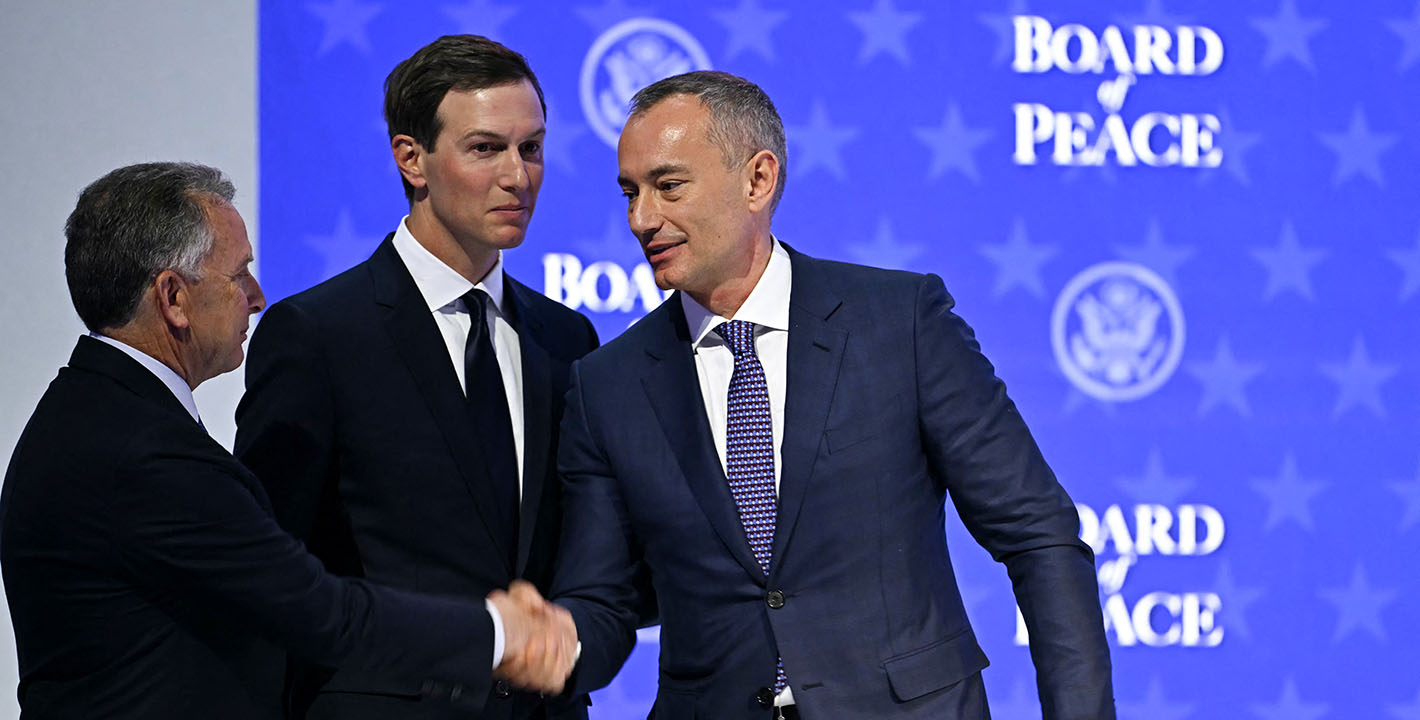
Policy discussion is ignoring that the Palestinian national project is hollowed out and apartheid is a present danger.

Nathan J. Brown
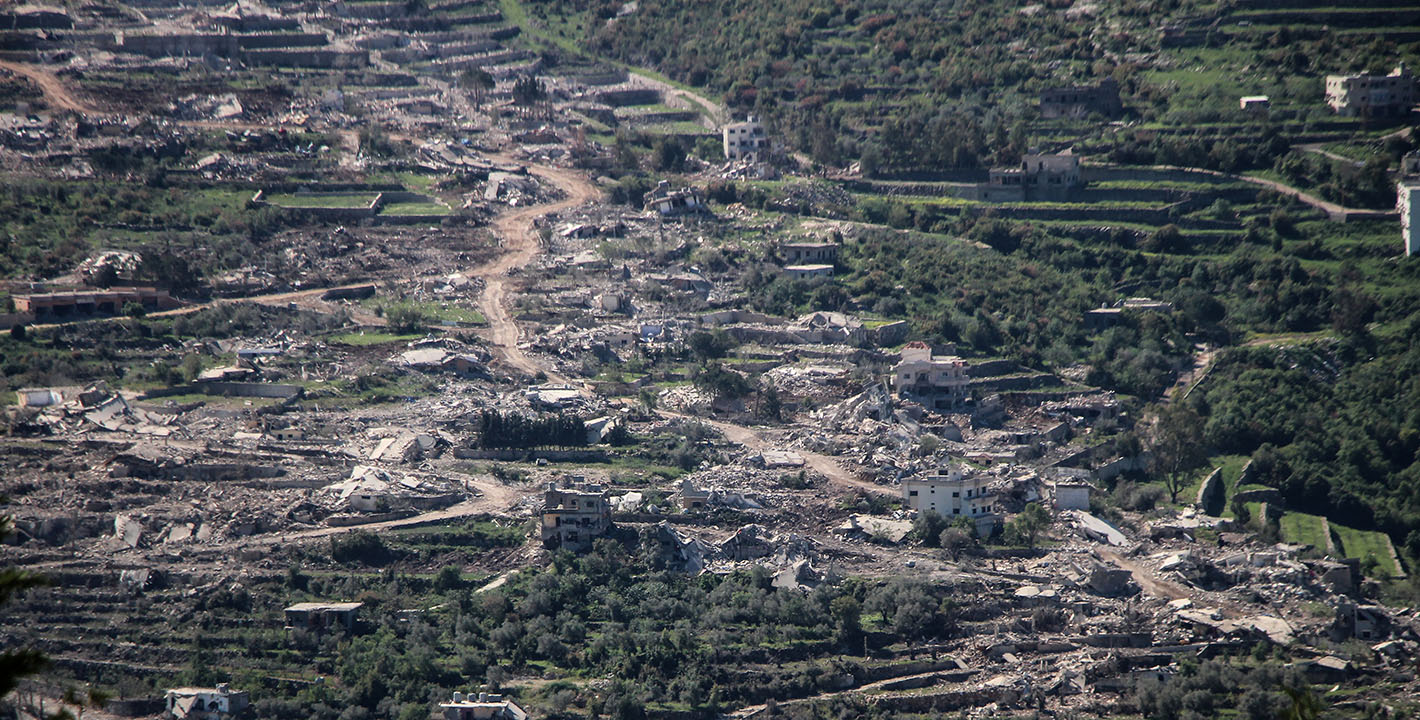
As negotiations with Iran and Lebanon continue, chaos is at the heart of the Netanyahu government’s calculations.
Michael Young
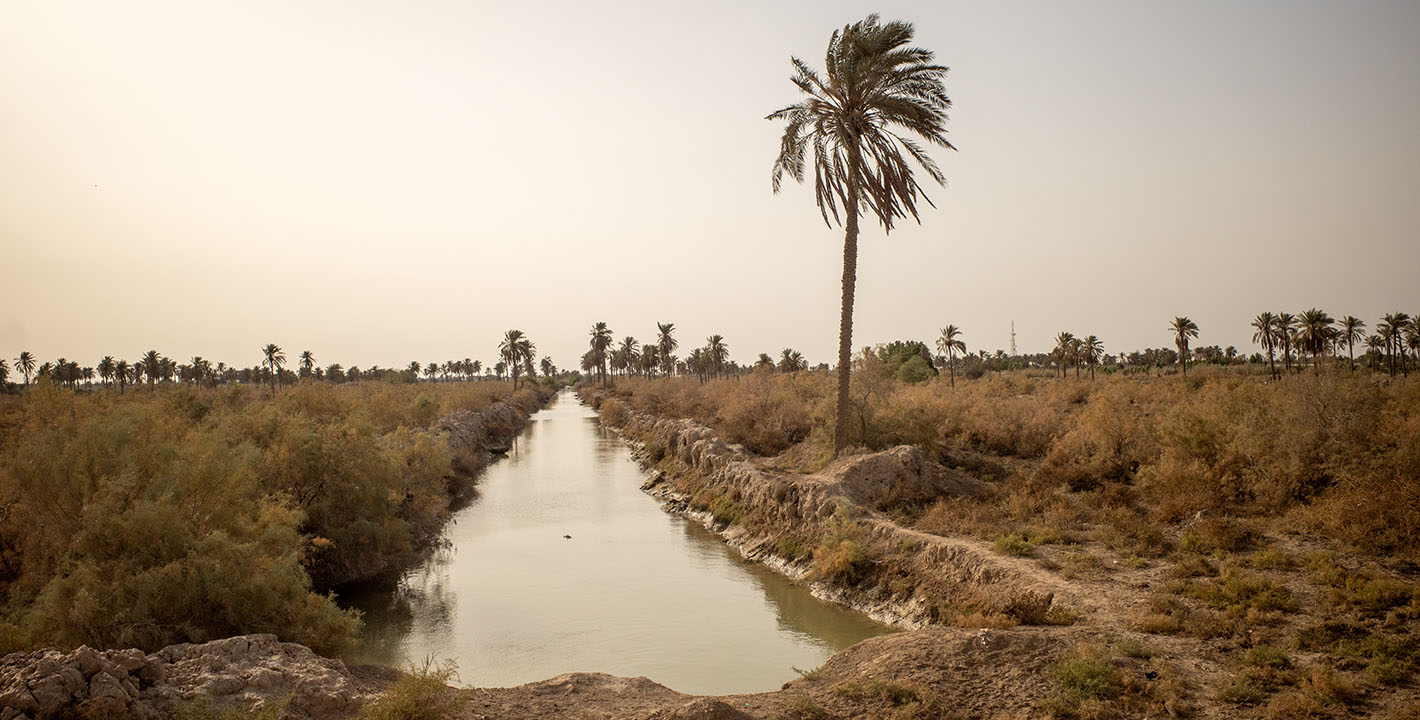
Across the Middle East and North Africa, climate stress interacts with economic fragility, governance failures, social marginalization, and conflict.

Camille Ammoun