

Commentary
In an interview, Marc Lynch discusses his new book decrying the post-1990 U.S.-dominated order in the Middle East.
Michael Young
{
  "authors": [
    "Toby Dalton",
    "Jon Wolfsthal"
  ],
  "type": "other",
  "centerAffiliationAll": "dc",
  "centers": [
    "Carnegie Endowment for International Peace"
  ],
  "collections": [
    "Korean Peninsula"
  ],
  "englishNewsletterAll": "ctw",
  "nonEnglishNewsletterAll": "",
  "primaryCenter": "Carnegie Endowment for International Peace",
  "programAffiliation": "NPP",
  "programs": [
    "Nuclear Policy"
  ],
  "projects": [],
  "regions": [
    "East Asia",
    "South Korea"
  ],
  "topics": [
    "Nuclear Policy"
  ]
}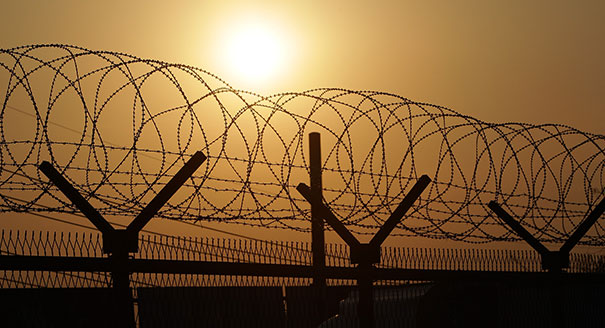
Source: Getty
If there were real military or political benefits to redeploying nuclear weapons in South Korea, this idea would be worth a serious review, but redeploying them today makes no sense, and indeed could exacerbate the current crisis over North Korea’s nuclear threats.
Source: Foreign Policy
South Korean officials announced last month that the United States would begin to routinely deploy strategic assets on the Korean Peninsula to help deter North Korea’s nuclear capabilities. The South Korean demand for tangible signals of America’s defense commitment is unlikely to stop there, and prominent South Korean politicians are publicly pushing for the United States to return nuclear weapons to the peninsula. Some American politicians, like Sen. John McCain, have made similar suggestions.
If there were real military or political benefits to redeploying nuclear weapons in South Korea, this idea would be worth a serious review, but redeploying them today makes no sense, and indeed could exacerbate the current crisis over North Korea’s nuclear threats.
Here are seven reasons why the United States should not seek to deploy nuclear weapons in South Korea.
1. Our military does not need them. The United States can hit any target in North Korea from within the United States or elsewhere with precision conventional weapons. If a conflict escalates and requires the use of nuclear weapons, these can be delivered from a variety of existing, secure platforms far from North Korea — and both North and South Korea know it. Stationing nuclear weapons in South Korea would not deter North Korea from periodic tactical provocations, but could increase pressure on North Korea to use nuclear weapons first in a crisis. They would also make tempting targets for North Korean missiles, which can hit all of South Korea.
This article was originally published in Foreign Policy

Senior Fellow and Co-director, Nuclear Policy Program
Toby Dalton is a senior fellow and co-director of the Nuclear Policy Program at the Carnegie Endowment. An expert on nonproliferation and nuclear energy, his work addresses regional security challenges and the evolution of the global nuclear order.

Former Nonresident Scholar, Nuclear Policy Program
Jon Wolfsthal was a nonresident scholar with the Nuclear Policy Program.
Carnegie does not take institutional positions on public policy issues; the views represented herein are those of the author(s) and do not necessarily reflect the views of Carnegie, its staff, or its trustees.
In an interview, Marc Lynch discusses his new book decrying the post-1990 U.S.-dominated order in the Middle East.

Michael Young
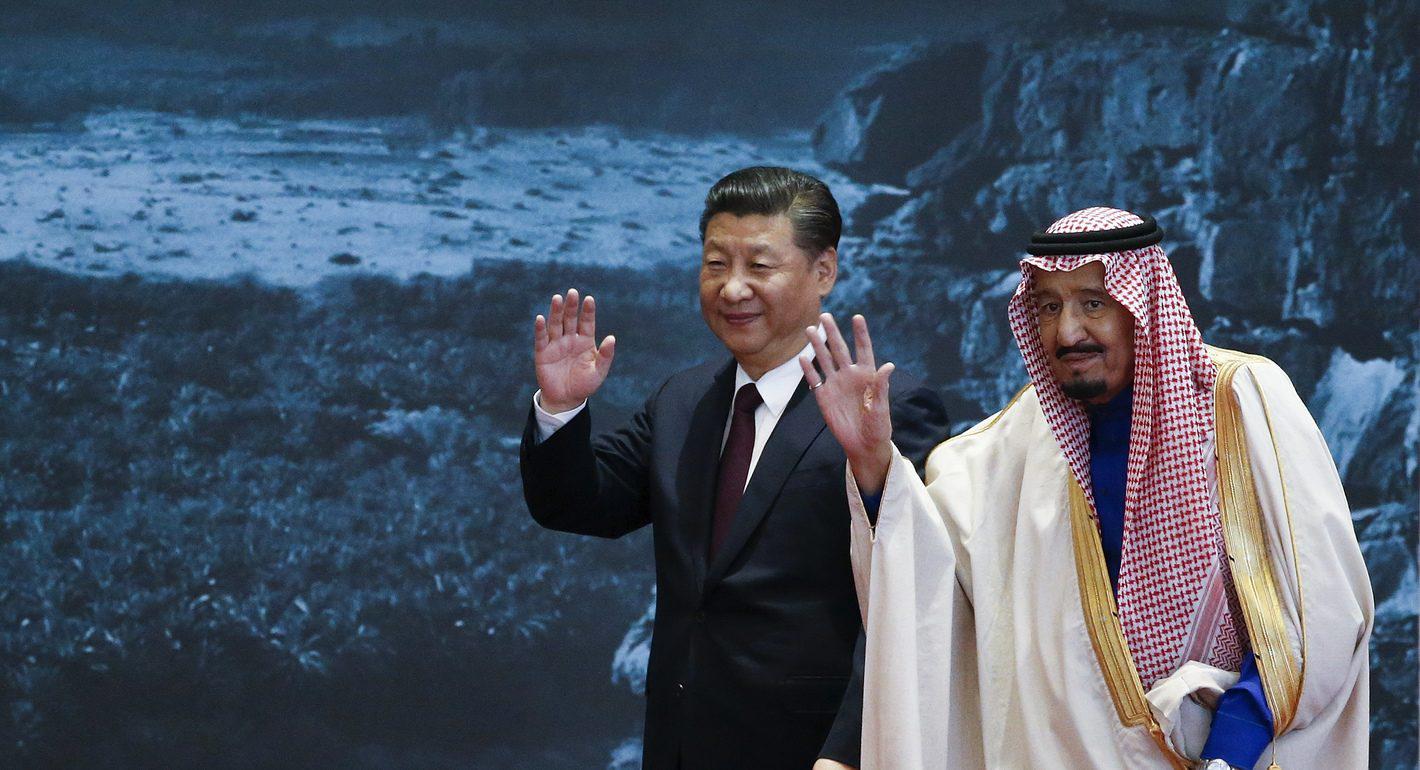
The advantage that China has over other global powers, especially America, is that its foreign policy is closely aligned with those of many of the Middle Eastern countries.


Jin Liangxiang, Maha Yahya, Hesham Alghannam
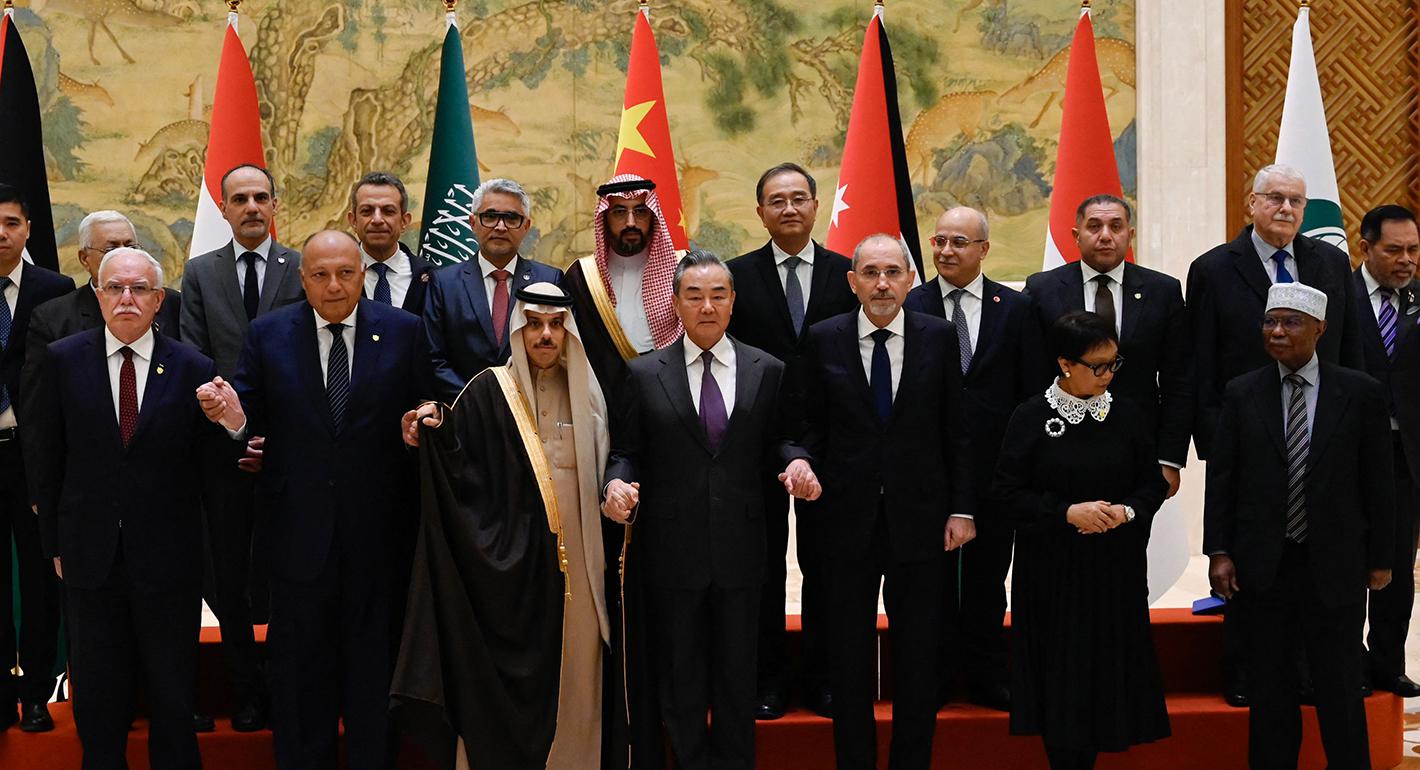
To create an environment more conducive to cooperation and development, U.S. and Chinese efforts should seek the endorsement of neighboring countries and regional organizations. Otherwise, regional and geopolitical rivalries will remain barriers.

Abdullah Baabood
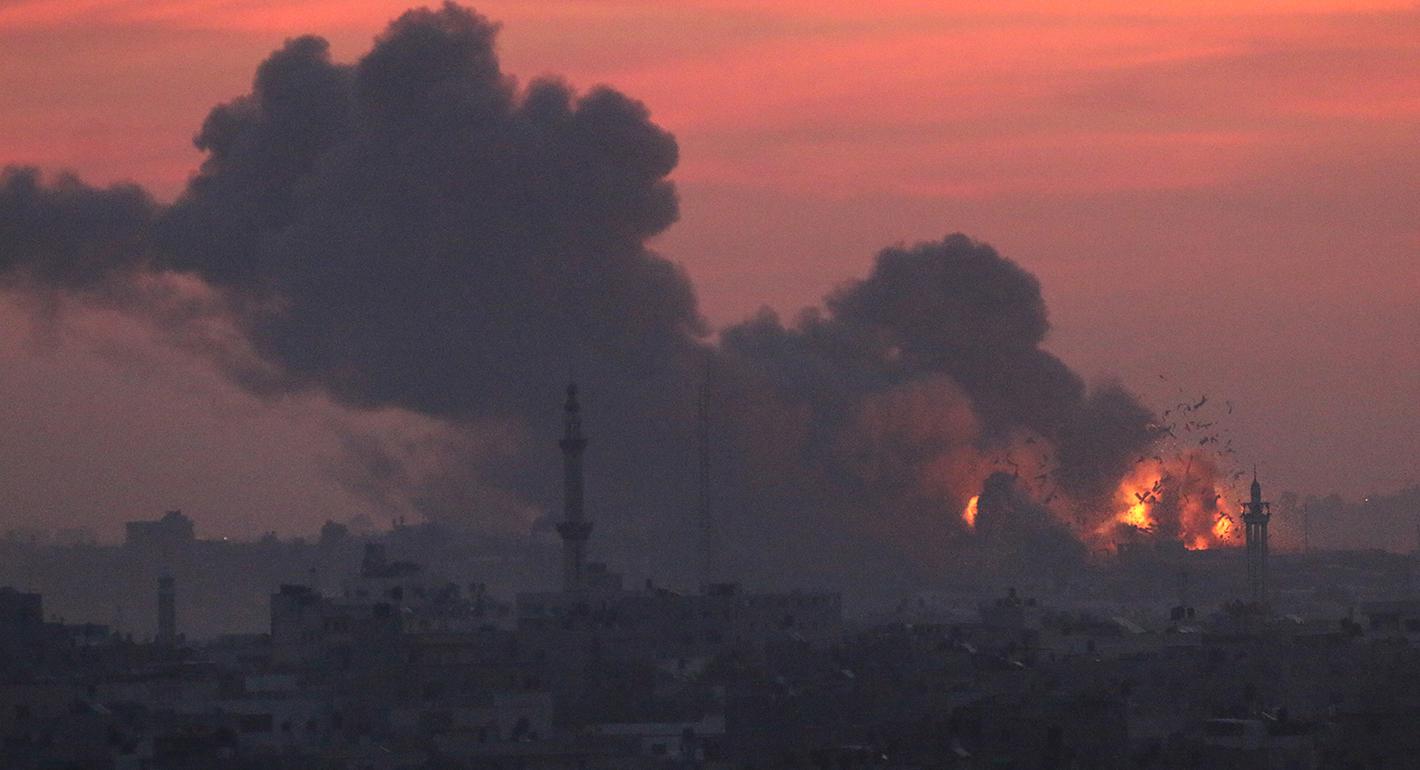
Scholars from Carnegie’s global network comment on how the ongoing conflict between Israelis and Palestinians is affecting their areas of interest, and what the implications of this may be.


Maha Yahya, Rosa Balfour, Judy Dempsey, …
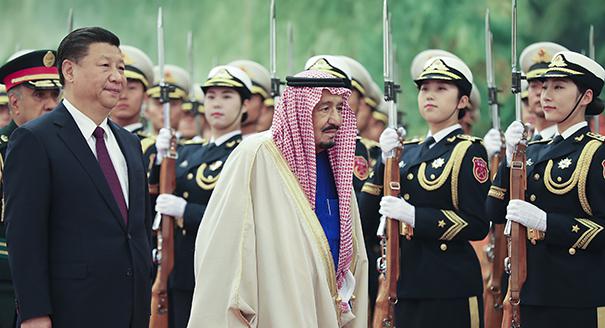
In an interview, Abdullah Baabood discusses Beijing’s evolving role in the Gulf region, where its priority is stability.
Michael Young