

Commentary
In an interview, Marc Lynch discusses his new book decrying the post-1990 U.S.-dominated order in the Middle East.
Michael Young
{
  "authors": [
    "Se Young Jang"
  ],
  "type": "other",
  "centerAffiliationAll": "dc",
  "centers": [
    "Carnegie Endowment for International Peace"
  ],
  "collections": [
    "Korean Peninsula"
  ],
  "englishNewsletterAll": "ctw",
  "nonEnglishNewsletterAll": "",
  "primaryCenter": "Carnegie Endowment for International Peace",
  "programAffiliation": "NPP",
  "programs": [
    "Nuclear Policy"
  ],
  "projects": [],
  "regions": [
    "East Asia",
    "South Korea"
  ],
  "topics": [
    "Nuclear Policy"
  ]
}
Source: Getty
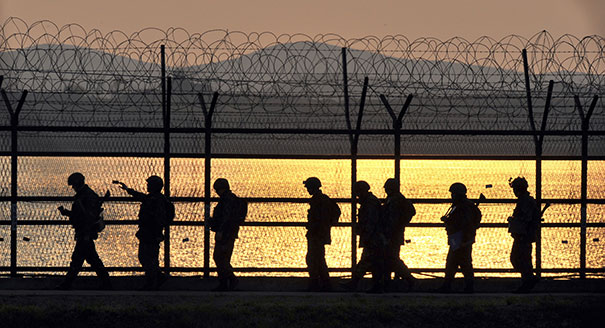
Economic factors alone cannot explain the development of South Korea’s nuclear energy industry.
Source: Chapter in Economic Development and Environmental History in the Anthropocene
How was it possible for resource- and capital-scarce South Korea to launch capital- and technology-intensive nuclear energy projects in the 1960s and 1970s, not long after the devastating Korean War? The development of South Korea’s nuclear energy industry cannot be explained only by economic factors. Jang argues in this edited volume that the political setting—sometimes combined with the external economic environment—also played a significant role in facilitating South Korea’s interests in nuclear energy and further motivating the Park Chung-hee administration to develop indigenous nuclear technology. She emphasizes three specific elements: first, the favorable external environment for nuclear technology transfer under the U.S. Atoms for Peace project in the 1950s helped South Korea gain some basic knowledge and competence in nuclear energy; second, South Korea’s military ambitions to develop nuclear weapons in the 1970s promoted civilian nuclear research and investment because of the nuclear technology’s dual-use characteristics; and last, the competition among nuclear suppliers in the world nuclear market set up a favorable environment for new customers, thereby enabling South Korea relatively easily to acquire highly advanced technology and facilities with sufficient foreign loans.
Former Nonresident Scholar, Nuclear Policy Program
Se Young Jang was a nonresident scholar in the Nuclear Policy Program at the Carnegie Endowment for International Peace.
Carnegie does not take institutional positions on public policy issues; the views represented herein are those of the author(s) and do not necessarily reflect the views of Carnegie, its staff, or its trustees.
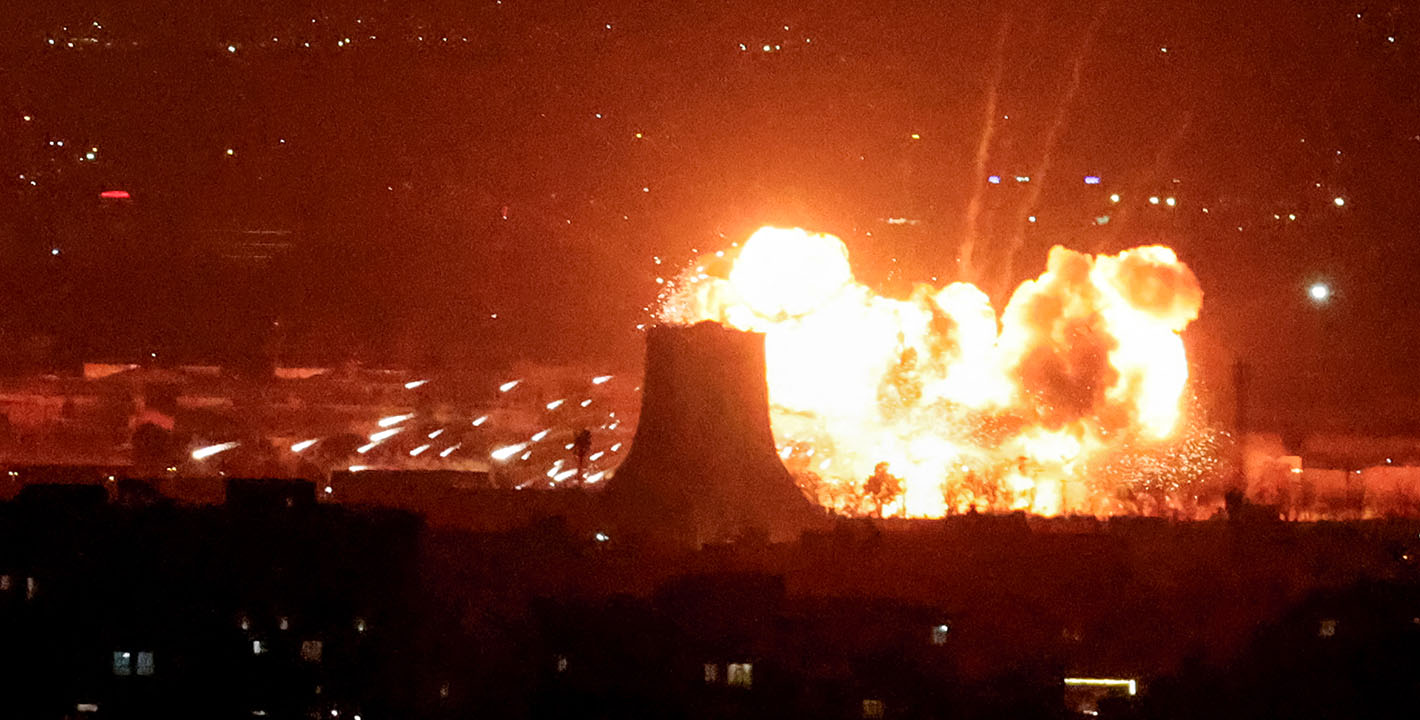
In an interview, Marc Lynch discusses his new book decrying the post-1990 U.S.-dominated order in the Middle East.

Michael Young
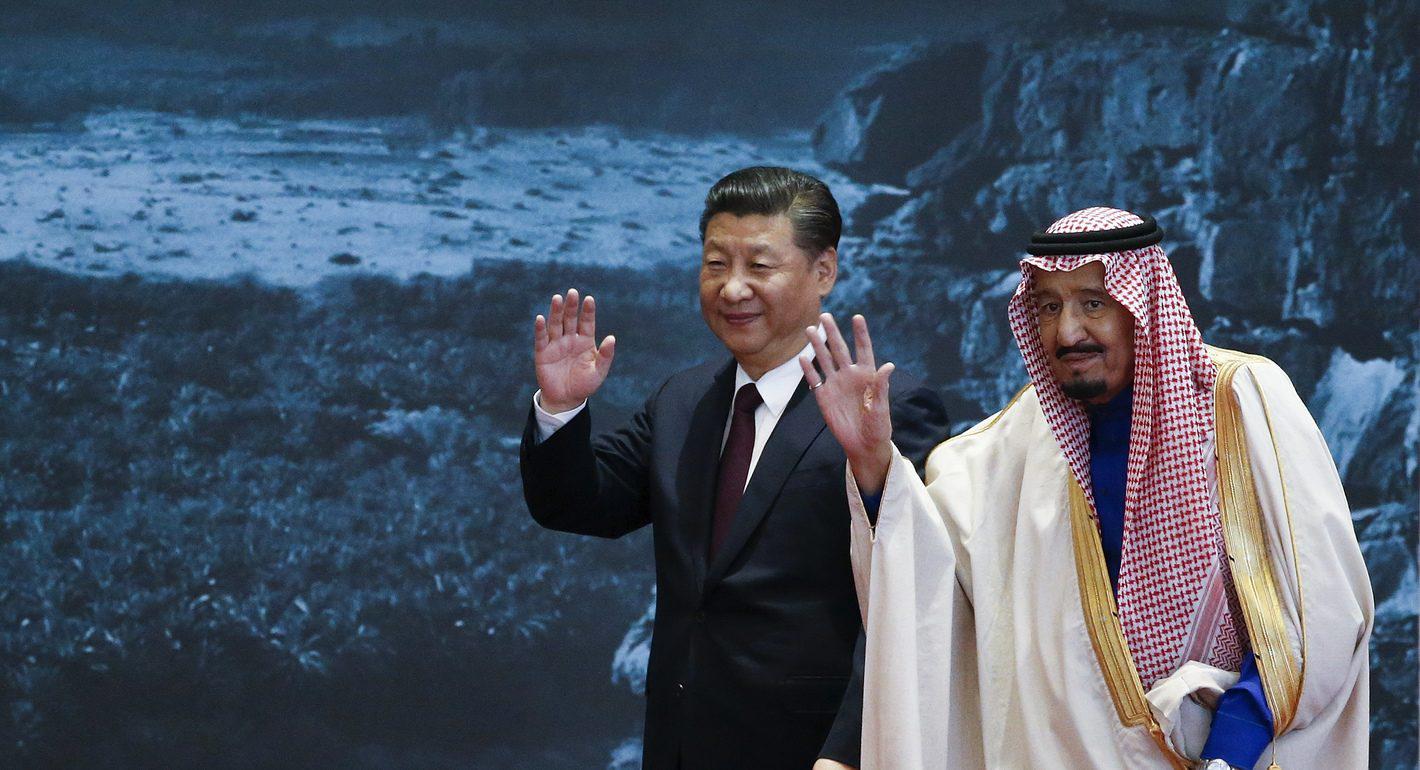
The advantage that China has over other global powers, especially America, is that its foreign policy is closely aligned with those of many of the Middle Eastern countries.


Jin Liangxiang, Maha Yahya, Hesham Alghannam
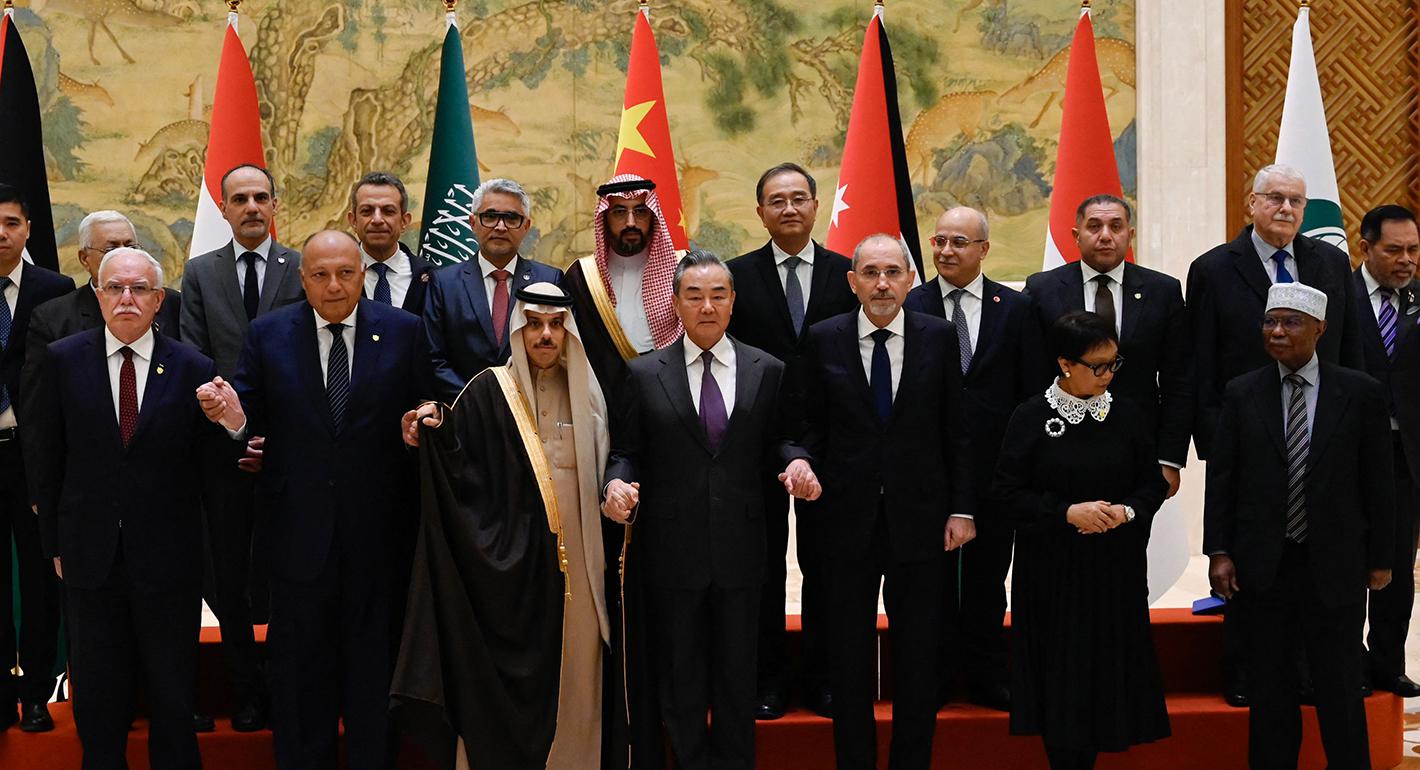
To create an environment more conducive to cooperation and development, U.S. and Chinese efforts should seek the endorsement of neighboring countries and regional organizations. Otherwise, regional and geopolitical rivalries will remain barriers.
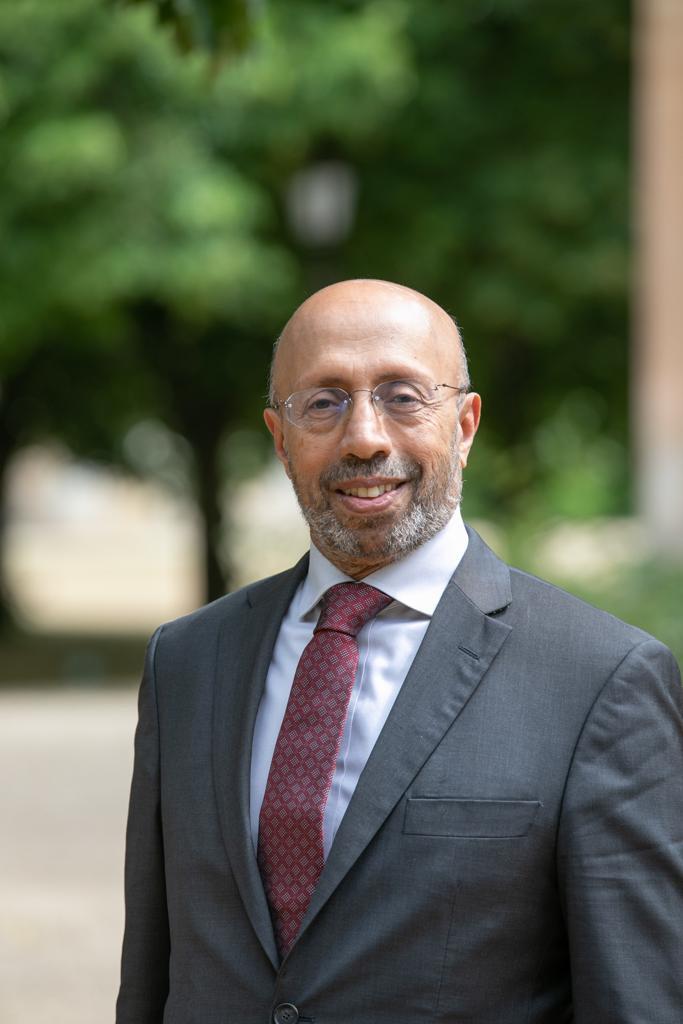
Abdullah Baabood

Scholars from Carnegie’s global network comment on how the ongoing conflict between Israelis and Palestinians is affecting their areas of interest, and what the implications of this may be.


Maha Yahya, Rosa Balfour, Judy Dempsey, …
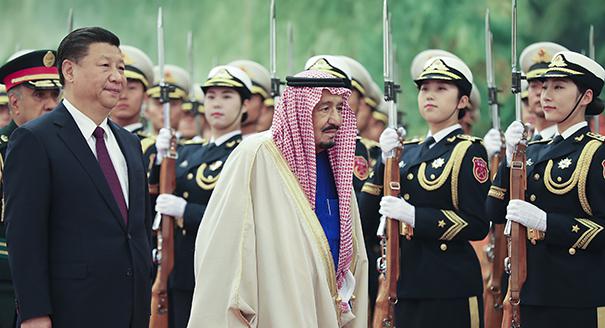
In an interview, Abdullah Baabood discusses Beijing’s evolving role in the Gulf region, where its priority is stability.
Michael Young