

Research
- +4
Milan Vaishnav, Rahul Verma, Rukmini S., …
{
  "authors": [
    "Christophe Jaffrelot"
  ],
  "type": "other",
  "centerAffiliationAll": "dc",
  "centers": [
    "Carnegie Endowment for International Peace"
  ],
  "collections": [],
  "englishNewsletterAll": "ctw",
  "nonEnglishNewsletterAll": "",
  "primaryCenter": "Carnegie Endowment for International Peace",
  "programAffiliation": "SAP",
  "programs": [
    "South Asia"
  ],
  "projects": [],
  "regions": [
    "South Asia",
    "India"
  ],
  "topics": [
    "Political Reform",
    "Democracy"
  ]
}
Source: Getty
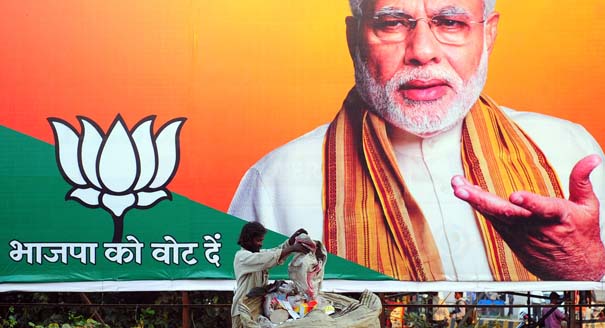
2019 may witness the return of coalition politics in India.
Source: Hindu
Following his election trip to Gujarat, a State that he has visited many times, acclaimed French political scientist and South Asia specialist Christophe Jaffrelot, a research director at CERI, Sciences Po (a French social sciences institute in Paris) and Professor at the King’s College India Institute, London, spoke to The Hindu, on the poll results.
There are many trends of the past, which have continued. For instance, the urban-rural divide… it was there and is merely accentuated [now]. It was particularly strong in Saurashtra of course and it made a lot of difference. First time, since Narendra Modi took over, BJP lost Saurashtra because of the rural voters.
Not in the rural areas. I think, Dalits were behind the Congress much more significantly this time. The Congress won a large number of reserved seats [for Scheduled Castes]. The party had two [SC seats] earlier, but now they are seven, if you add Jignesh Mevani; same thing with the OBCs... We can’t also conclude that Patidars pushed OBCs to the BJP as it is not corroborated by distribution of tickets in the Congress. The OBCs received many more tickets than Patels. I think, this caste arithmetic is not as sharp as the urban-rural divide and Patidars were also divided according to this [urban-rural] divide.
There are two factors. Firstly, the BJP’s support base is traditionally urban, upper caste and middle class. This has influenced the BJP’s policies which were not in favour of the peasants, especially the MSPs [Minimum Support Price] for cotton, ground nut etc. The BJP kept food prices low in the cities to take care of their voters and therefore they did not pay the right price to peasants. That is something that peasants at large, and Patidars in particular, resented. The other factor is joblessness, a big problem in India at large but in Gujarat in particular... There is significant economic growth but without jobs, which is largely due to Gujarat Model [of development]. This model is based upon attracting big companies. The Adanis, the Ambanis, the Tatas — you name one and they are there — set up big factories, deep sea ports, thermal plants, refineries etc. By definition [such projects] do not create many jobs, besides these industrialists can automatise as they are big. SMEs [Small and Medium-sized Enterprises] would create more jobs but they are collateral casualties of the priority given to the big players.
That has annoyed the Patels, who are entrepreneurs in the rural areas too. Those who had to leave their village with little education or no English medium background, could not find a good job easily. They have suffered of a decline in status... they are kind of underdogs in the cities. These two factors explain why rural and r-urban — and this ‘r-urban’ is very important in Gujarat because you do not know when the city ends and the village begins — voters went against the BJP, largely.
It is difficult to extrapolate in terms of voting percentage. Mr. Modi won with 31% votes in 2014. It is not only how many votes you get that matters, but where the votes are concentrated — and the BJPs’ votes are concentrated in the cities. Now they have to ask if this is sustainable: can they rule Gujarat by being an urban party only? Thus, both the parties have a problem now: BJP will have to return to the villages, while Congress needs to penetrate cities.
To understand this, you have to factor in identity politics. Probably till the last two or three weeks — till Mr. Modi jumped in — merchants and traders of Surat were ready to vote against the BJP or abstain. Surat is important because of diamond barons and traders. Mr. Modi stormed Gujarat and articulated the traditional Gujarati version of Hindu nationalist rhetoric. He claimed that he is the son of the soil while Rahul Gandhi was an outsider who could not speak the language and Manmohan Singh the interlocutor of Pakistanis...such things and Gujrati asmita [pride] in particular are still working.
You need to take a more balanced view. Mr. Gandhi has certainly done what you are saying but he also let Shankersinh Vaghela go only a few months back. Mr. Vaghela was an RSS man at the helm of the Congress in Gujarat for years. That said this “soft Hindutva” shows in today's India at large and Gujarat in particular; secularism disqualifies you at the outset. The question is: is this move only tactical or is it an agenda to be followed till 2019?
It is too early to comment. But it is not only about the BJP, it’s about the whole of Indian society. Is it going the ethno-nationalist way? Look at judiciary or the media… This issue is larger than the BJP. A cause for concern.
Exactly. This is India.
BJP has in its disposal huge network of activists at the local level, and [they are] well organised because of the RSS. Then [there is] Amit Shah’s expertise in this domain. Secondly, financial resource of the BJP is much more than other parties. These two things go together as you mobilise more activists if you can pay them well. That said, in 21st century an election campaign is very much based on social media and direct communication of the leader. The Congress and Mr. Gandhi improved their performance on these two counts.
I think it will. Firstly, the Congress has a leader, at last. Secondly, this moral victory may attract supporters. Thirdly, the Congress people may forget their differences to come together. Like [Ashok] Gehlot and [Sachin] Pilot in Rajasthan. Moreover, State parties will probably start thinking of the Congress as a potential leader of coalition politics. And 2019 may witness the return of coalition politics in India... In retrospect the Gujarat polls could be described as a milestone that has set the scene.
Former Nonresident Scholar, South Asia Program
Jaffrelot’s core research focuses on theories of nationalism and democracy, mobilization of the lower castes and Dalits (ex-untouchables) in India, the Hindu nationalist movement, and ethnic conflicts in Pakistan.
Recent Work

Milan Vaishnav, Rahul Verma, Rukmini S., …
Christophe Jaffrelot
Carnegie does not take institutional positions on public policy issues; the views represented herein are those of the author(s) and do not necessarily reflect the views of Carnegie, its staff, or its trustees.
To address the deepening climate crisis, climate activism is employing a wider variety of tactics and aiming at a broader set of goals. In response, the movement faces stronger repression and civic backlash against climate action.

Erin Jones, Richard Youngs
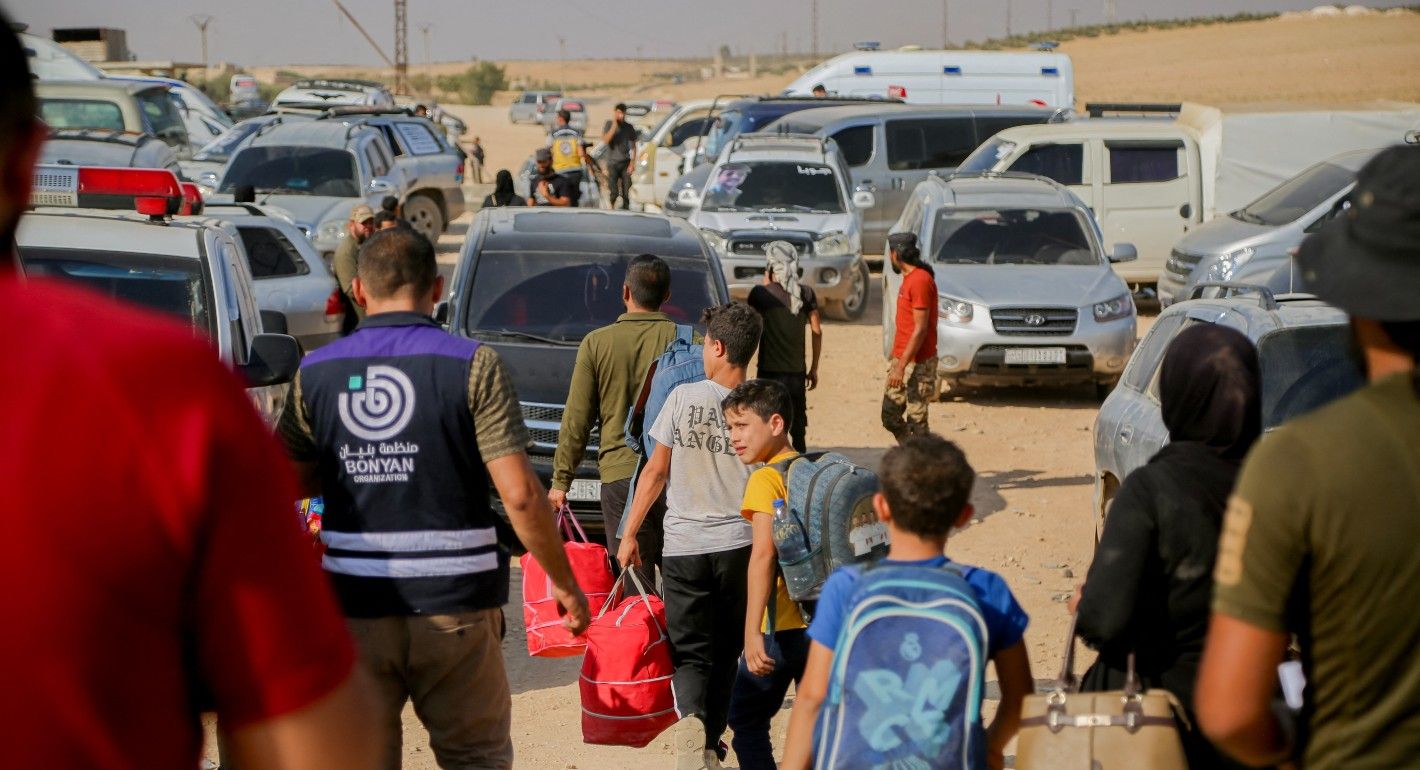
A humanitarian crisis in Lebanon deepens, and Syrian refugees face a perilous choice: remain in a war-torn environment or return to Syria where they risk encountering significant dangers and discrimination. There are significant challenges and risks to their search for safety in Syria.
Haid Haid
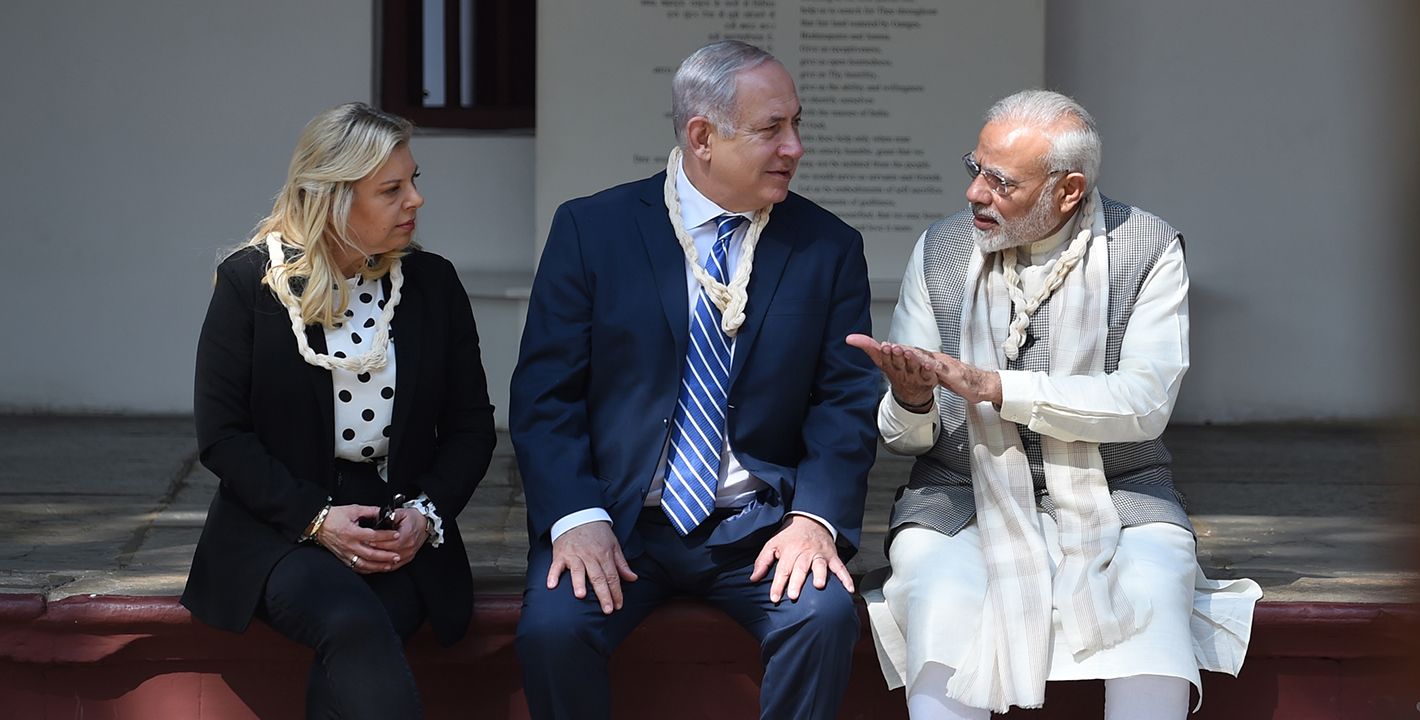
In an interview, Abhinav Pandya discusses the multiple facets of India’s ties with the Middle East.

Armenak Tokmajyan
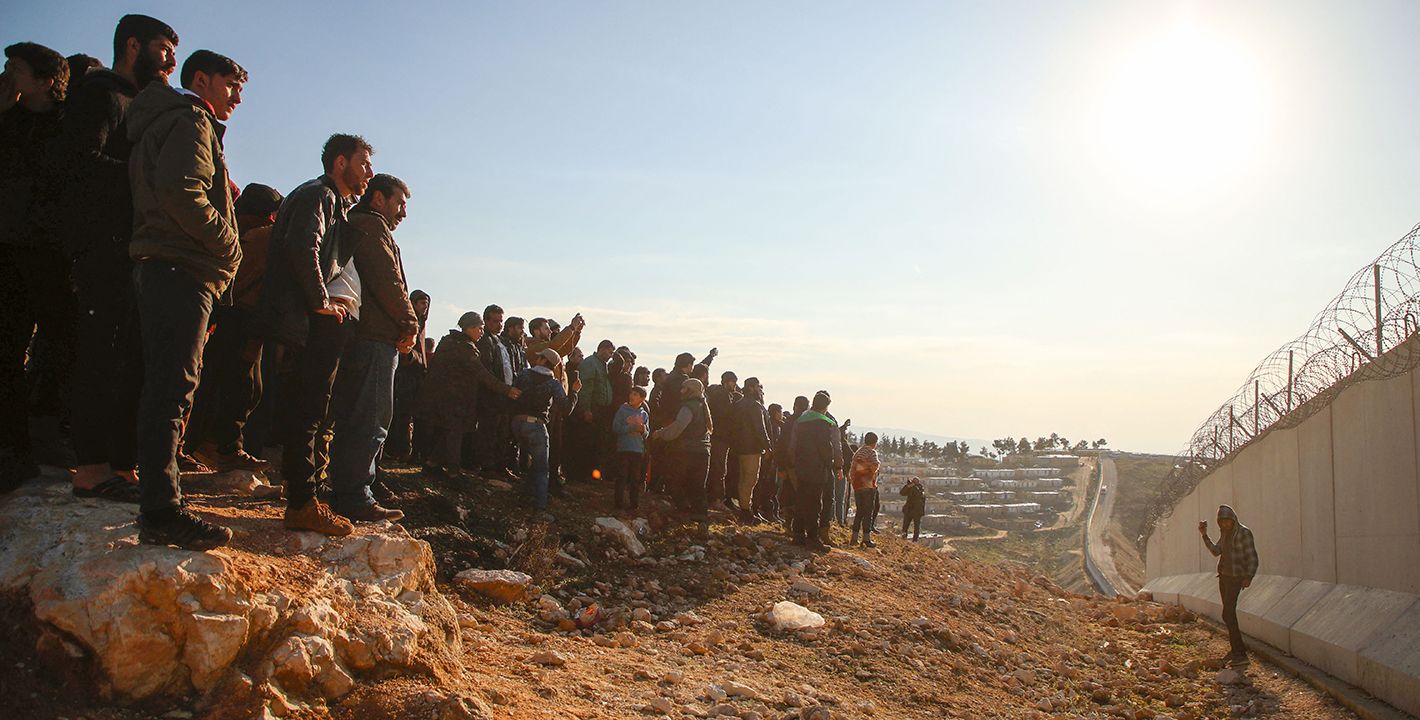
In Syria’s border regions, changes in demographics, economics, and security mean that an inter-Syrian peace process will require consensus among main regional powers that Syria must remain united, that no one side can be victorious, and that perennial instability threatens the region.
Kheder Khaddour, Armenak Tokmajyan
The interaction of national armed forces and private business sectors offers a useful lens for viewing the politics of numerous countries of the so-called Global South. A rising trend of military political activism—often accompanied by military commercial activity—underlines the importance of drivers and outcomes in these relationships.

Yezid Sayigh, Hamza Meddeb