

Article
Paul Stronski
{
  "authors": [
    "Paul Stronski"
  ],
  "type": "other",
  "centerAffiliationAll": "dc",
  "centers": [
    "Carnegie Endowment for International Peace"
  ],
  "collections": [],
  "englishNewsletterAll": "ctw",
  "nonEnglishNewsletterAll": "",
  "primaryCenter": "Carnegie Endowment for International Peace",
  "programAffiliation": "russia",
  "programs": [
    "Russia and Eurasia"
  ],
  "projects": [],
  "regions": [
    "Central Asia",
    "Kazakhstan"
  ],
  "topics": [
    "Political Reform"
  ]
}
Source: Getty
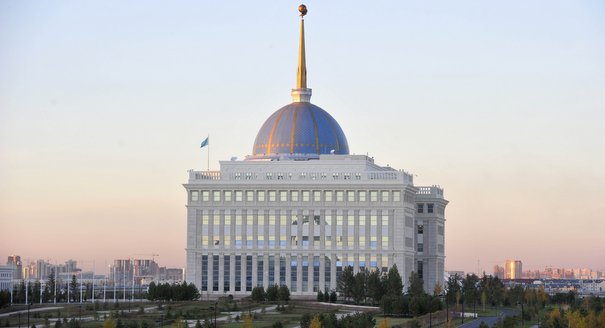
Kazakhstan’s weak political institutions, a failure to diversify the economy, and a changing geopolitical landscape have created uncertainties about what will happen to the country once President Nursultan Nazarbayev leaves the scene.
Source: American Enterprise Institute
Kazakhstan’s ong-heralded stability is being challenged by growing economic problems, societal frustrations, and rising nationalism. Throughout his long tenure in office, President Nursultan Nazarbayev has been the anchor that kept the political system in place. He guided the country from the chaos of the 1990s through the oil boom—the economic turnaround that is the foundation of his popularity. In international affairs, he has balanced tensions between Russia, China, and the West, and he launched his country’s multi-vector diplomacy of having positive ties with all major global and regional powers, regardless of Astana’s traditionally close alliance with Moscow.
Yet, Kazakhstan’s weak political institutions, the failure to diversify the economy, and a changing geopolitical landscape have created uncertainties about what will happen to the country once Nazarbayev leaves the scene. Russia shows a clear desire to shore up and expand its influence in Eurasia. For the past decade, Russian integration plans and military interventions in Eurasia have highlighted its desire to push back against Western influence in the post-Soviet space. Russia wants to prevent its neighbors from forming formal and institutionalized security or economic ties with Western organizations. Moscow also appears concerned about its neighbors’ ability to respond to threats to regional security, whether those come from rising populism or Islamism.
However, Russian President Vladimir Putin’s push for the Eurasian Economic Union (EEU), which was Nazarbayev’s idea, has led to a slight uptick in populism and ethnic nationalism across the EEU as the practical benefits of membership fail to materialize and many Kazakhs, Kyrgyz, Armenians, and Belarusians become concerned about losing their sovereignty once again to Moscow. Furthermore, although Russia largely maintains a positive image in Kazakhstan due to linguistic, cultural, and historic ties, many Kazakh elites remain unsettled by Russia’s aggressive foreign policy and are resistant to Moscow’s strong-arm tactics in Syria—which have included attempts to get Astana to dispatch troops there to fight fellow Sunnis. Kazakhstan wants to be a neutral broker, rather than publicly side with Moscow on issues pitting Russia against the West. Some Kazakhs are growing fearful that Moscow could eventually set its sights on Kazakhstan in the years to come.
For its part, Moscow is watching the political succession carefully, reportedly favoring certain candidates, including former Deputy Prime Minister and current Minister of Defense Imangali Tasmagambetov, whom Nazarbayev dispatched as ambassador to Russia in September 2016.1 The Kremlin has made it clear it will not tolerate a transition that veers too far away from its orbit. Growing concerns in Kazakhstan about how to manage an overbearing and potentially aggressive Russia are compounded by the fact that the West’s interest in Central Asia has declined since the 2014 drawdown from Afghanistan.
This could change, but it is unlikely because Washington and Brussels are consumed with internal political problems and security issues much closer to home. Astana has increasingly turned toward China, but this too is a risky move, given the economic disparities between the two countries and fears of some Kazakh nationalists about Chinese domination. Some Russian elites also are growing cautious of China’s growing economic domination of Central Asia. Kazakhstan and other EEU states, however, would prefer to engage China directly on a bilateral basis, cutting out Russia altogether.
This article was originally published by the American Enterprise Institute.
1 Kazakhstan 2.0, “Poechemu Tasmagambetov otpravili pslom,” February 13, 2017, http://kz.expert/archives/1261.
Former Senior Fellow, Russia and Eurasia Program
Paul Stronski was a senior fellow in Carnegie’s Russia and Eurasia Program, where his research focuses on the relationship between Russia and neighboring countries in Central Asia and the South Caucasus.
Recent Work
Paul Stronski
Paul Stronski
Carnegie does not take institutional positions on public policy issues; the views represented herein are those of the author(s) and do not necessarily reflect the views of Carnegie, its staff, or its trustees.
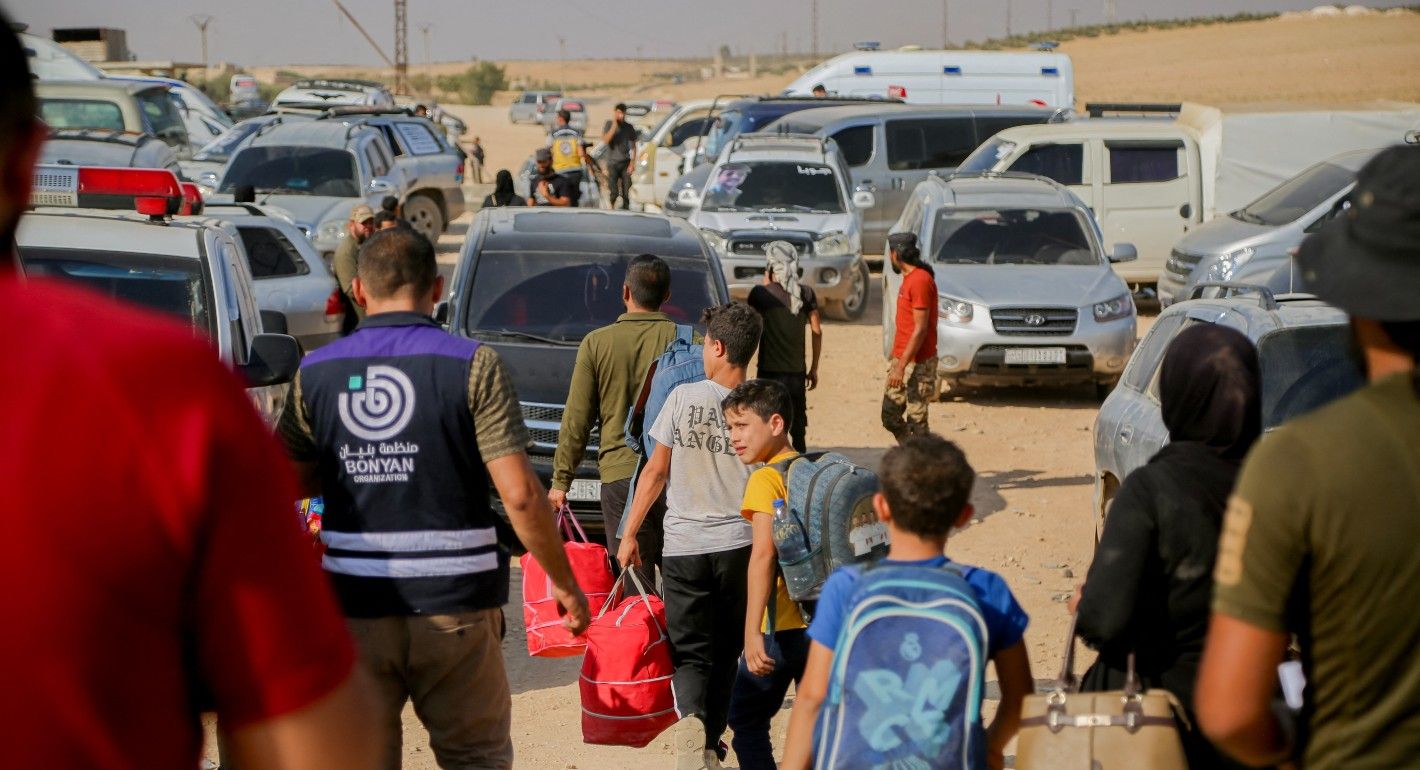
A humanitarian crisis in Lebanon deepens, and Syrian refugees face a perilous choice: remain in a war-torn environment or return to Syria where they risk encountering significant dangers and discrimination. There are significant challenges and risks to their search for safety in Syria.
Haid Haid
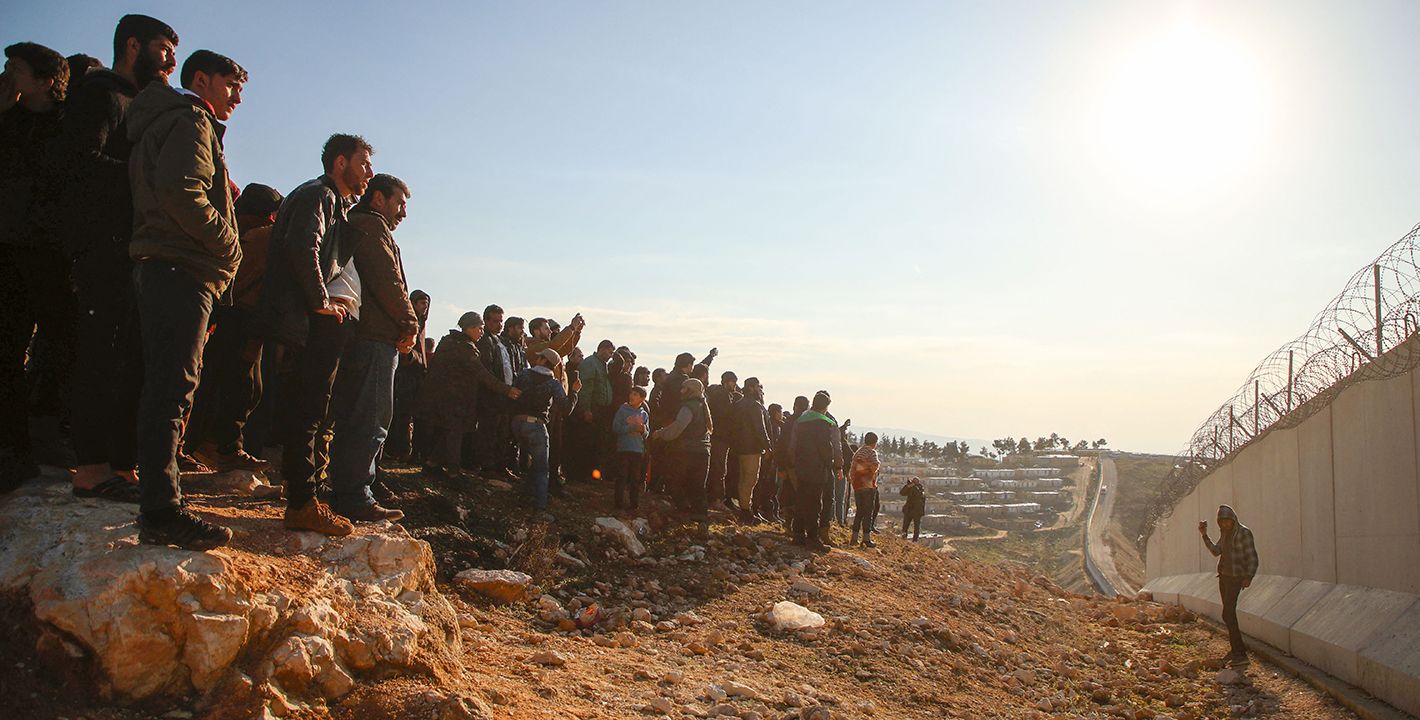
In Syria’s border regions, changes in demographics, economics, and security mean that an inter-Syrian peace process will require consensus among main regional powers that Syria must remain united, that no one side can be victorious, and that perennial instability threatens the region.

Kheder Khaddour, Armenak Tokmajyan
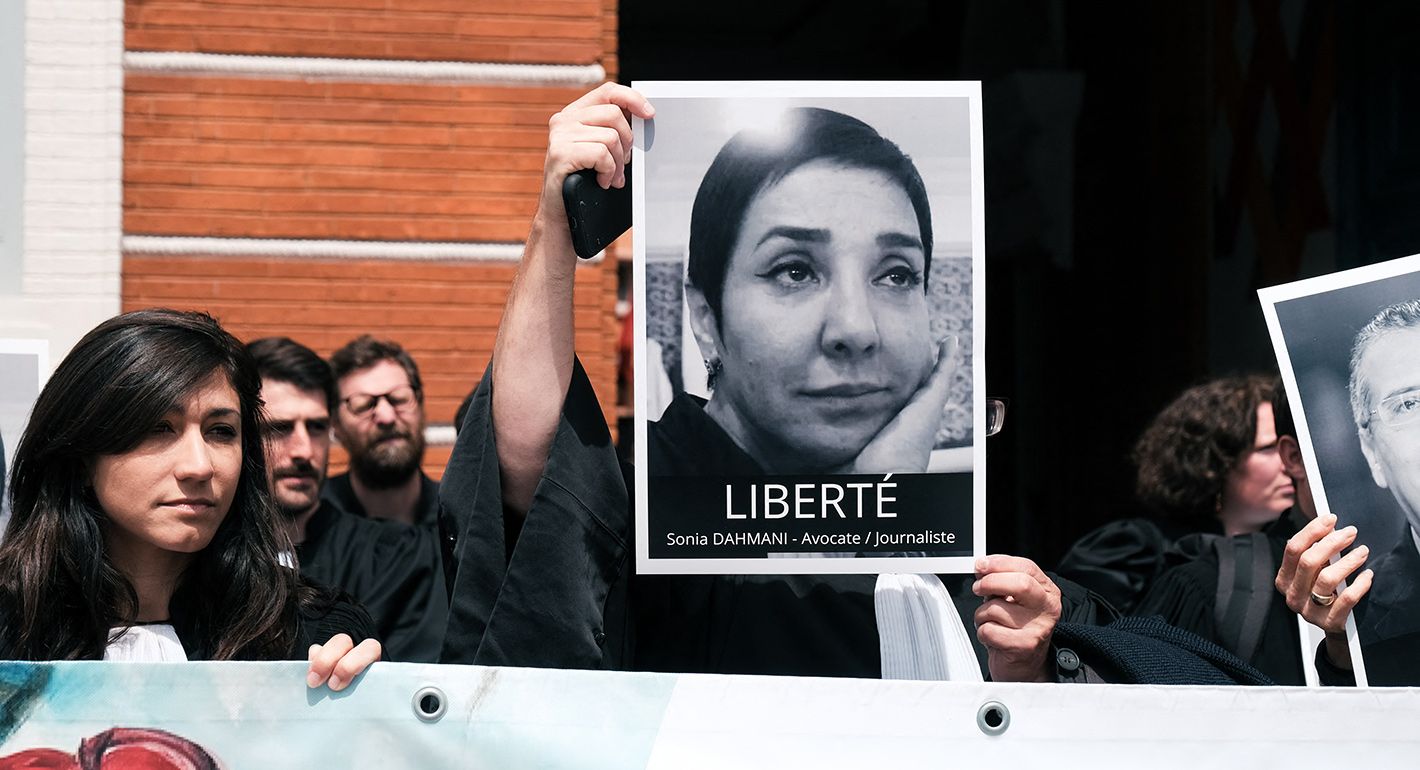
For many in the society, the post-Ben Ali years were mainly about successive economic crises and political instability.
Jasmine Khelil
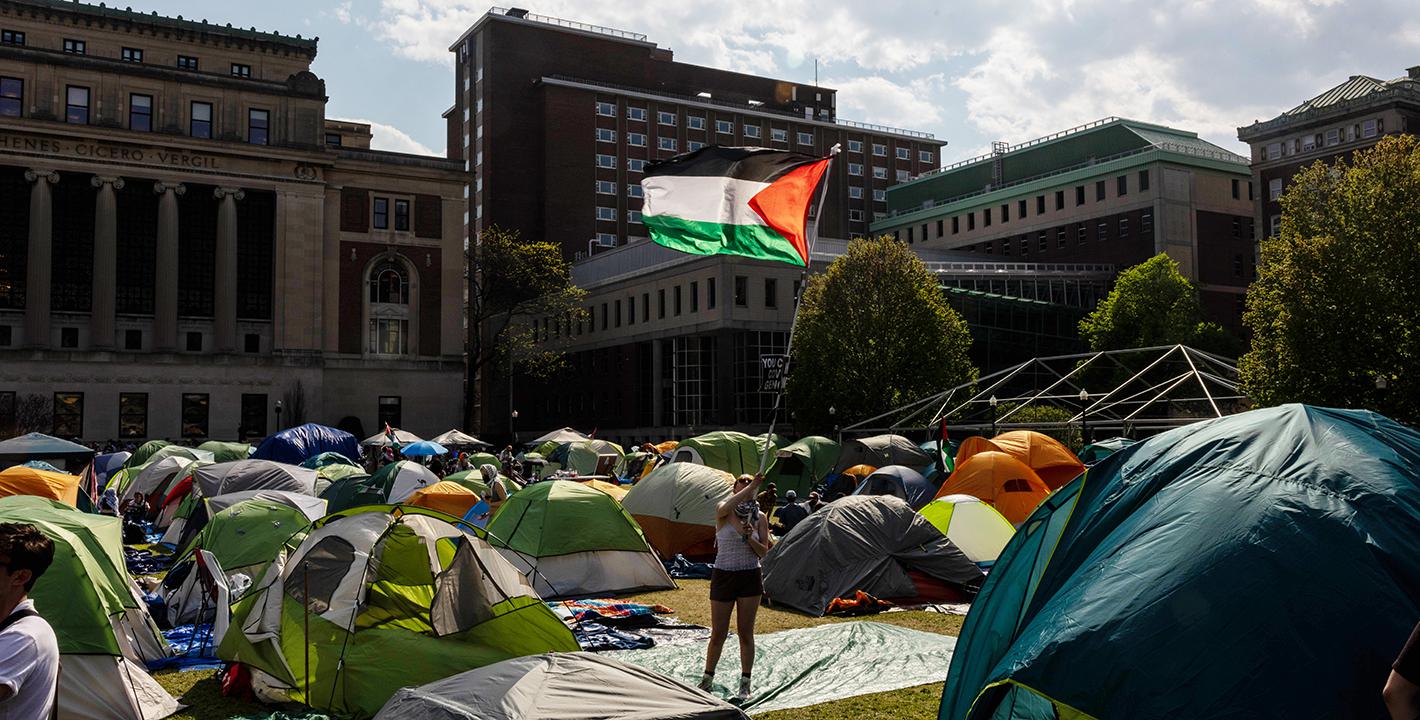
As students around the United States and Europe protest, the relationship of Western elites with Israel is being redefined.

Michael Young
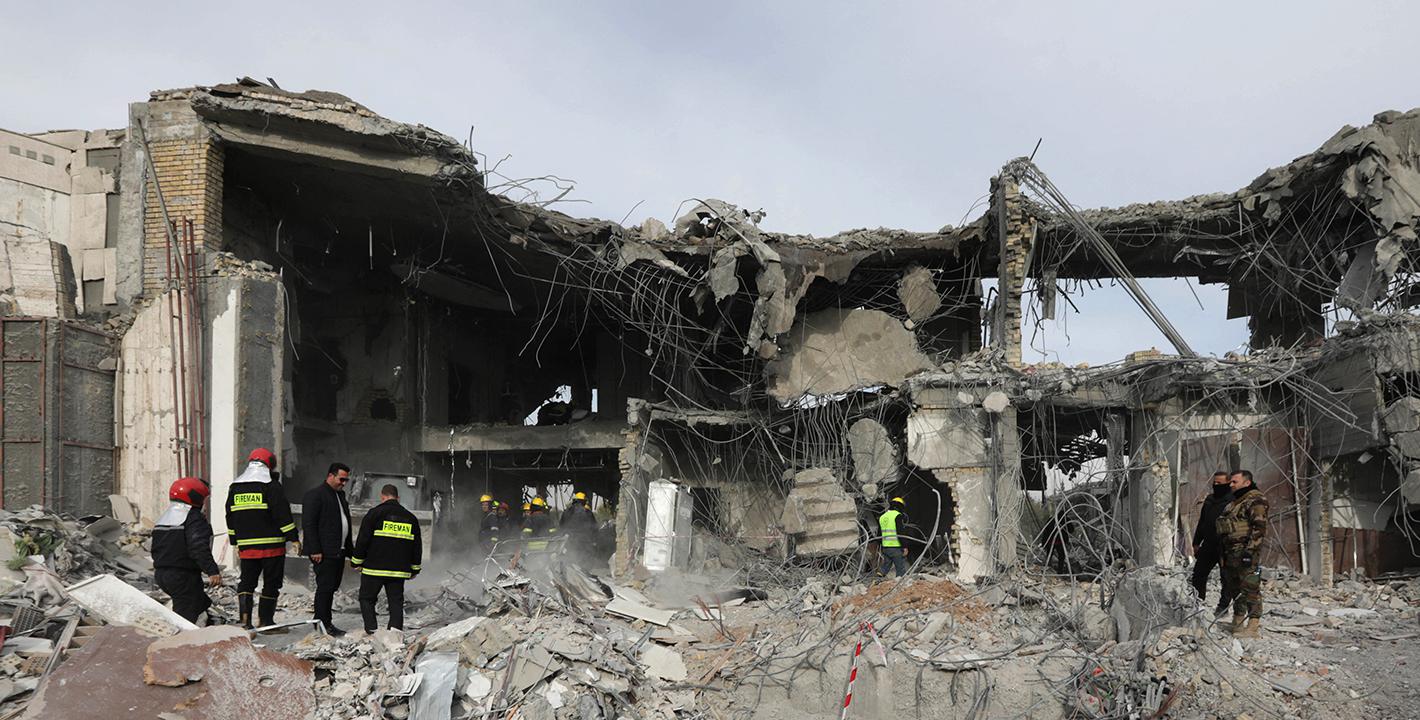
When U.S. Patriots shot down an Iranian missile over Erbil on April 15, Kurds wondered why such defenses weren’t activated when they were attacked.
Wladimir van Wilgenburg