

Paper
Erik Brattberg, Tomáš Valášek
{
  "authors": [
    "Tomáš Valášek"
  ],
  "type": "legacyinthemedia",
  "centerAffiliationAll": "dc",
  "centers": [
    "Carnegie Endowment for International Peace",
    "Carnegie Europe"
  ],
  "collections": [
    "European Defense in a New Transatlantic Context"
  ],
  "englishNewsletterAll": "ctw",
  "nonEnglishNewsletterAll": "",
  "primaryCenter": "Carnegie Europe",
  "programAffiliation": "EP",
  "programs": [
    "Europe"
  ],
  "projects": [],
  "regions": [
    "Europe",
    "Western Europe",
    "Iran"
  ],
  "topics": [
    "Foreign Policy",
    "Security"
  ]
}
Source: Getty
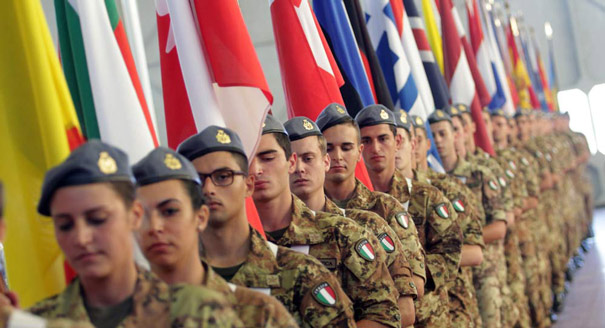
If EU member states were to really do something to boost the union’s defences, what would it be? Not PESCO.
Source: E!Sharp
This author is on the record saying that the new EU avant-garde on defence, or PESCO, will be a good thing on balance. It will make governments somewhat more likely to raise military budgets and buy weapons jointly, potentially reducing costs. But could the European Union have done better? What if the member-states were to think afresh on what they needed in case of conflict?
That was not the exam question before PESCO drafters. They had to juggle at least four different expectations. Most defence thinkers in Europe want stronger armed forces because the world has become a more dangerous place, while others are happy with any defence breakthrough as long as it advances the broader cause of EU integration. The defence companies look to Brussels to protect them from competition from the US, while yet others just want to put more distance between Europe and NATO (and, by extension, the US). These different motivations explain why all EU defence conclusions come across as disjointed. The PESCO launch document says that the EU needs more deployable forces; yet a few paragraphs later the text hints at restricting access to EU defence orders for non-EU (US, Israeli) firms – this will likely create a seller’s market, driving up the per-unit cost of defence equipment, meaning that governments will be able to afford fewer, not more, forces (assuming constant budgets).Diplomats among the readers will point out that internal inconsistency is the price one pays for consensus. True, but only up to a point. If any of the member-states is ever attacked, the EU response must not be found wanting. Substantive outcomes do matter, in wars arguably especially so.
Were money, industrial concerns and the politics of EU integration not be an issue, what, if not PESCO, should the EU governments do to make their people more secure? Here’s my quick top three list:
This is a wish list, blissfully ignorant of the exigencies of aligning 28 viewpoints. It is not meant to imply that PESCO will not be useful. Some of its provisions, such as co-financing of defence procurement from common EU funds, or its call for more uniform military standards, should make anyone’s top 10 list.
My point is that that far too much has been made of PESCO. Its drafters sought to satisfy too many constituencies, and ended up pleasing very few. It will make modest contributions to EU defenses, but much more could and arguably should have been done.
Former Director, Carnegie Europe
Valášek was director of Carnegie Europe and a senior fellow, where his research focused on security and defense, transatlantic relations, and Europe’s Eastern neighborhood.
Recent Work

Erik Brattberg, Tomáš Valášek
Tomáš Valášek
Carnegie does not take institutional positions on public policy issues; the views represented herein are those of the author(s) and do not necessarily reflect the views of Carnegie, its staff, or its trustees.

By failing to address Palestinian representation, the current process is bound to lead to just another temporary arrangement.

Nathan J. Brown

Morocco and Algeria, each in its own way, are having to navigate the global economic fallout of the U.S.-Israeli military campaign against Iran.

Yasmine Zarhloule
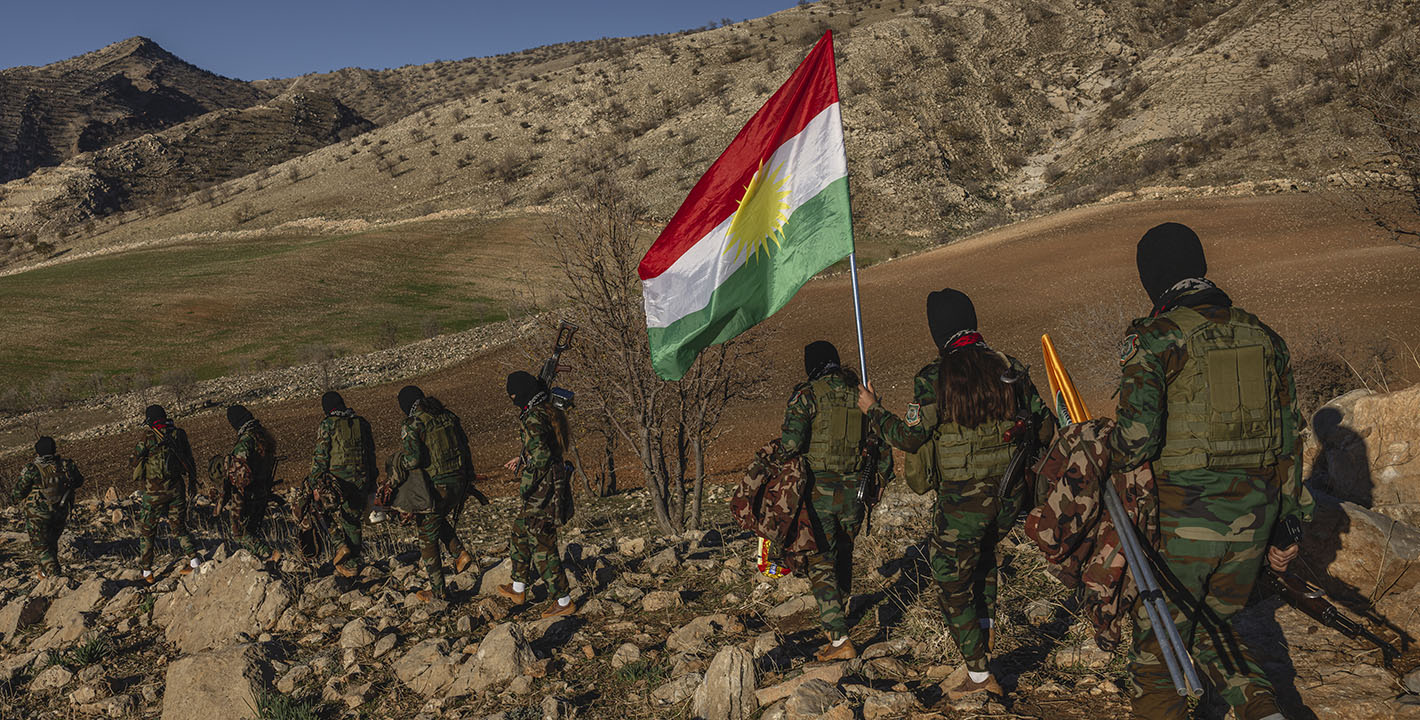
Following its deal with the United States, Iran may act against Iraq-based dissidents.
Wladimir van Wilgenburg
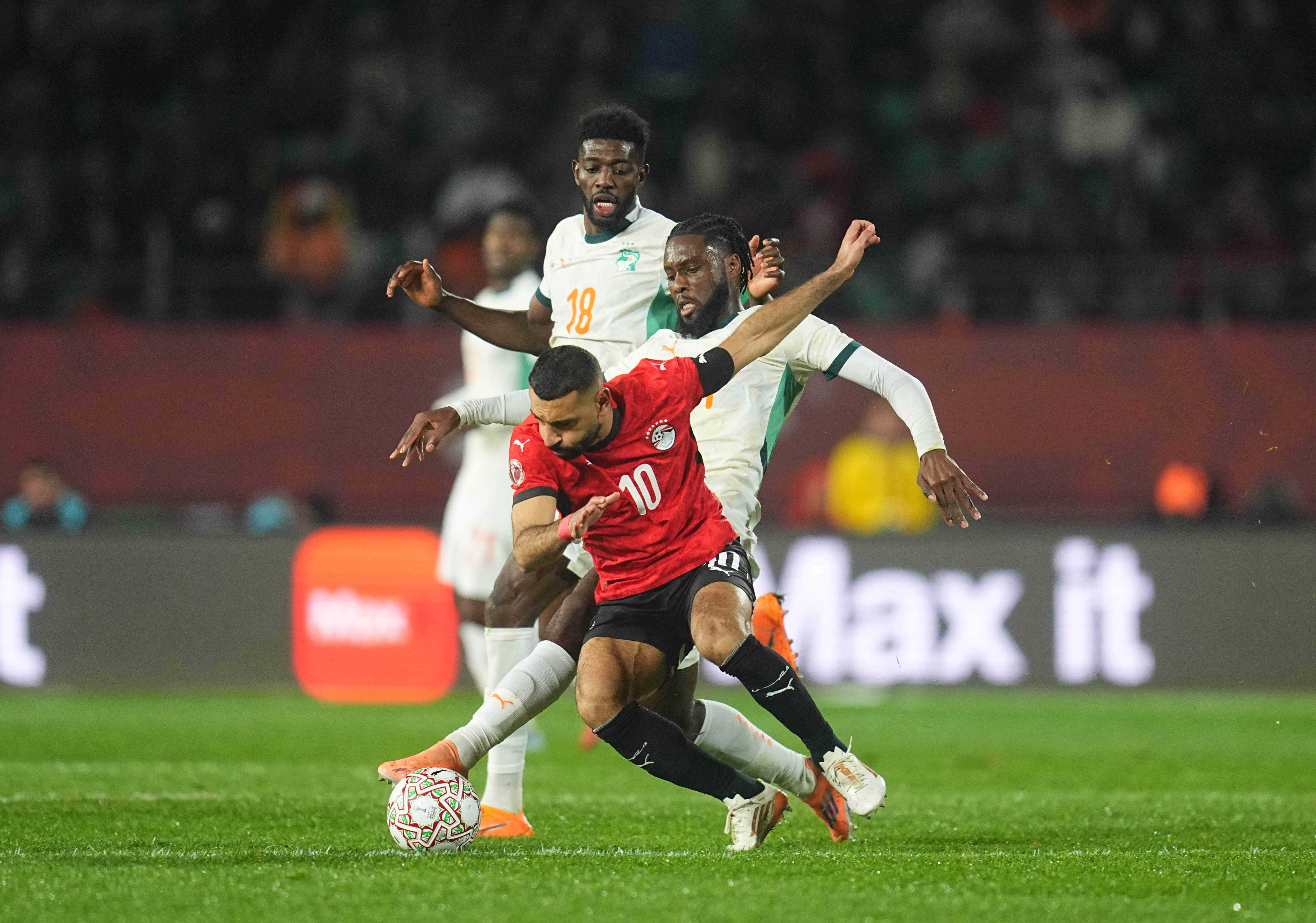
This will be the region’s most representative tournament, amid broad changes in its footballing landscape.
Issam Kayssi
In an interview, Marc Lynch discusses his new book decrying the post-1990 U.S.-dominated order in the Middle East.

Michael Young