

Q&A
Matt Ferchen
{
  "authors": [
    "Matt Ferchen"
  ],
  "type": "other",
  "centerAffiliationAll": "",
  "centers": [
    "Carnegie Endowment for International Peace",
    "Carnegie China"
  ],
  "collections": [
    "China and the Developing World",
    "China’s Foreign Relations"
  ],
  "englishNewsletterAll": "",
  "nonEnglishNewsletterAll": "",
  "primaryCenter": "Carnegie China",
  "programAffiliation": "",
  "programs": [],
  "projects": [],
  "regions": [
    "Eastern Europe",
    "Western Europe"
  ],
  "topics": [
    "Economy"
  ]
}
Source: Getty
Concerns about China’s mercantilist trade and investment policies have been at the forefront of growing frictions between China, the EU and the United States, but the Belt and Road Initiative has also highlighted worries about the lending of billions of dollars for infrastructure projects by its “policy banks”.
Source: Clingendael Institute
In a very short amount of time, a new transatlantic consensus about China has emerged: because China is increasingly moving toward illiberalism in its politics and toward mercantilism in its economics, the U.S. and European governments must better understand, and protect themselves from, Chinese strategies to leverage commercial ties for political and geostrategic leverage. Concerns about China’s mercantilist trade and investment policies have been at the forefront of growing frictions between China, the EU and the United States, but the Belt and Road Initiative has also highlighted worries about the lending of billions of dollars for infrastructure projects by its “policy banks”: the China Export-Import Bank and the China Development Bank. However, even though Europe is the desired end-point of the BRI, little has been written about whether China’s policy banks should be considered part of China’s economic statecraft in the region and, if so, what the response should be.
The findings here demonstrate that while China’s policy banks are indeed key instruments of its broader economic statecraft strategies, including within the BRI, they have so far been only peripheral actors in China’s commercial strategies toward the EU. That said, the China Export-Import Bank has been instrumental in financing a signature, if highly controversial, railway project linking the capitals of Hungary and Serbia. In fact, it is in regions like the Western Balkans, with a number of countries that are not (yet) members of the EU, where China’s policy banks have been most active and welcome. Yet as China seeks to gain greater cooperation with EU counterparts to finance and build transportation and energy infrastructure either inside the EU or as part of Eurasian BRI projects, there is every likelihood that its policy banks will be the key instruments for such partnerships. And even if China’s policy banks are currently peripheral to China’s economic statecraft within the EU itself, they are increasingly at the heart of issues such as debt sustainability in regions like the Western Balkans as well in other countries and regions of importance to EU policy. Europe, as well as the United States, therefore has every reason to better understand the role of China’s policy banks in China's broader efforts at economic statecraft around the globe.

Former Nonresident Scholar, Carnegie-Tsinghua Center for Global Policy
Ferchen specializes in China’s political-economic relations with emerging economies. At the Carnegie–Tsinghua Center for Global Policy, he ran a program on China’s economic and political relations with the developing world, including Latin America.
Recent Work
Matt Ferchen
Matt Ferchen, Anarkalee Perera
Carnegie does not take institutional positions on public policy issues; the views represented herein are those of the author(s) and do not necessarily reflect the views of Carnegie, its staff, or its trustees.

The armed forces champion a form of capitalism that is generating revenue, but its reliance on rent faces diminishing returns, leaving the country with massive sunk costs and deferred returns, deepening dependency on external borrowing.

Yezid Sayigh
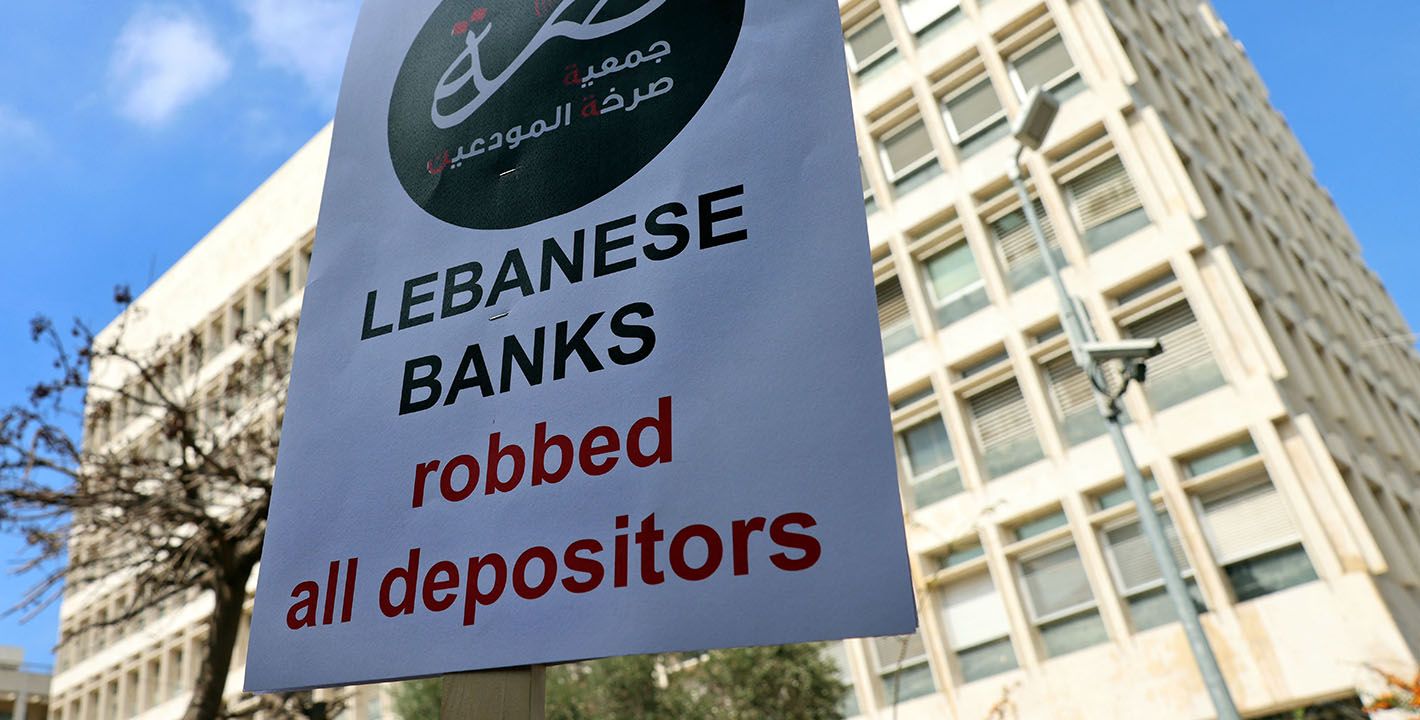
In an interview, Ishac Diwan looks at the merits and flaws in the draft legislation distributing losses from the financial collapse.

Michael Young
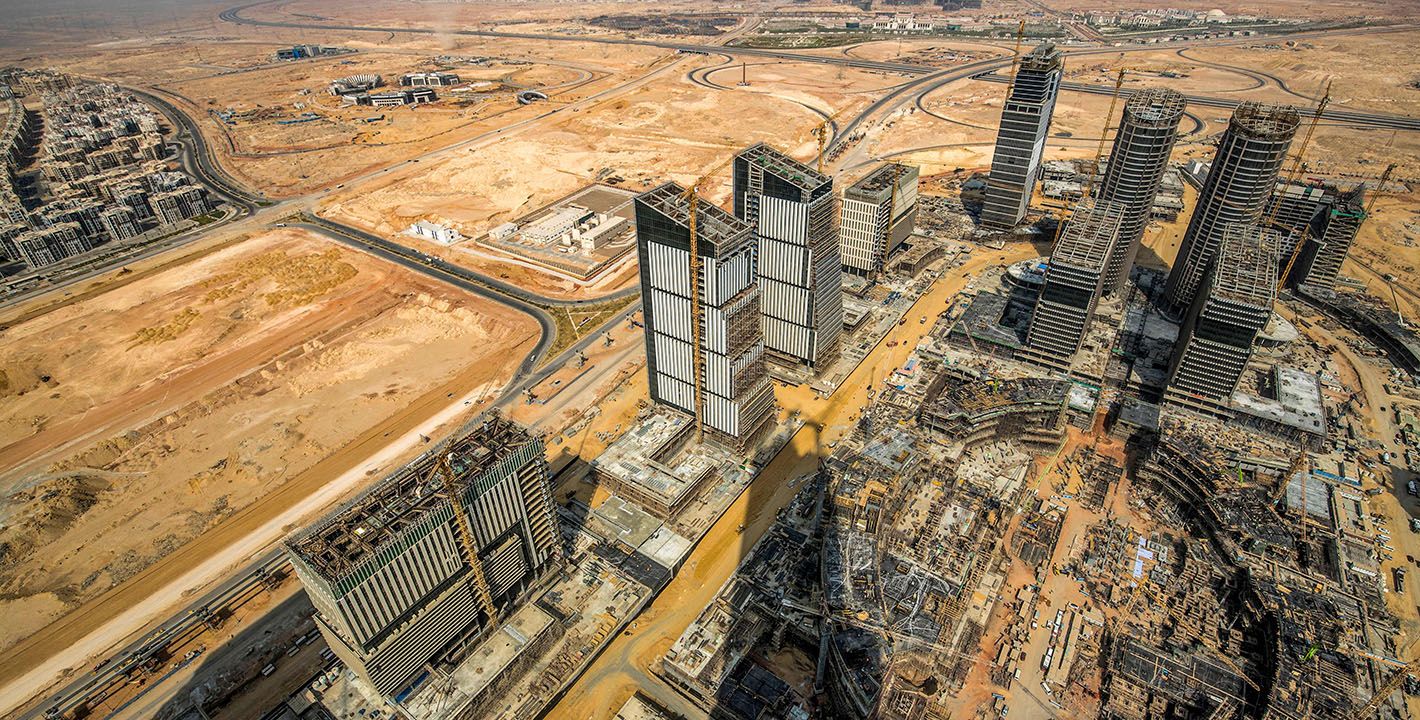
Mustaqbal Misr has expanded its portfolio with remarkable speed, but a lack of transparency remains.
Yezid Sayigh
Arab diaspora business communities in Egypt often mirror the same systemic challenges facing Egyptian businesses.

Nur Arafeh, Yezid Sayigh, Qaboul al-Absi, …

Largely characterized thus far by a single-minded focus on extractivism, Riyadh must commit to greater equitability in its approach to investment and development deals with Sudan, Ethiopia, and Eritrea.

Hesham Alghannam