

Commentary
In an interview, Marc Lynch discusses his new book decrying the post-1990 U.S.-dominated order in the Middle East.
Michael Young
{
  "authors": [
    "Wyatt Hoffman",
    "Tristan Volpe"
  ],
  "type": "other",
  "centerAffiliationAll": "dc",
  "centers": [
    "Carnegie Endowment for International Peace"
  ],
  "collections": [],
  "englishNewsletterAll": "ctw",
  "nonEnglishNewsletterAll": "",
  "primaryCenter": "Carnegie Endowment for International Peace",
  "programAffiliation": "NPP",
  "programs": [
    "Nuclear Policy"
  ],
  "projects": [],
  "regions": [],
  "topics": [
    "Nuclear Policy",
    "Technology"
  ]
}
Source: Getty
While new manufacturing technology could increase the efficiency and visibility of nuclear supply-chain operations, the steady trend toward digitization and interconnection could result in unacceptable cyber risks, ranging from the loss of sensitive proprietary information to the spread of compromised components throughout nuclear infrastructure.
Source: Stanley Foundation
Emerging technologies enabled by digitization—notably additive manufacturing—are alluring for the nuclear industry as it works to lower financial costs and remedy quality-control concerns with aged production lines. While cyberphysical manufacturing technology could increase the efficiency and visibility of supply-chain operations, the steady trend toward digitization and interconnection could result in unacceptable cyber risks, ranging from the loss of sensitive proprietary information to the spread of compromised components throughout nuclear infrastructure.
By building security into this nascent digital ecosystem—an “Internet of Nuclear Things”—firms and other stakeholders could leverage data to mitigate risks with cyber security, intellectual property security, and proliferation. The same information visibility within an Internet of Nuclear Things that would create opportunities for cyberattacks could be harnessed by a range of novel innovations, not only to counter immediate cyber threats but to achieve greater oversight of complex and globally dispersed supply chains.
This paper, and its companion article in the Bulletin of the Atomic Scientists on the potential of an Internet of Nuclear Things for managing proliferation risks, were developed in part through a policy salon dinner that the Stanley Foundation hosted in December 2017.
This content was originally published by the Stanley Foundation.
Former Senior Research Analyst, Cyber Policy Initiative
Wyatt Hoffman was a senior research analyst with the Nuclear Policy Program and the Cyber Policy Initiative at the Carnegie Endowment for International Peace.

Former Nonresident Fellow, Nuclear Policy Program
Tristan Volpe was a nonresident fellow at the Carnegie Endowment for International Peace and assistant professor of defense analysis at the Naval Postgraduate School.
Carnegie does not take institutional positions on public policy issues; the views represented herein are those of the author(s) and do not necessarily reflect the views of Carnegie, its staff, or its trustees.
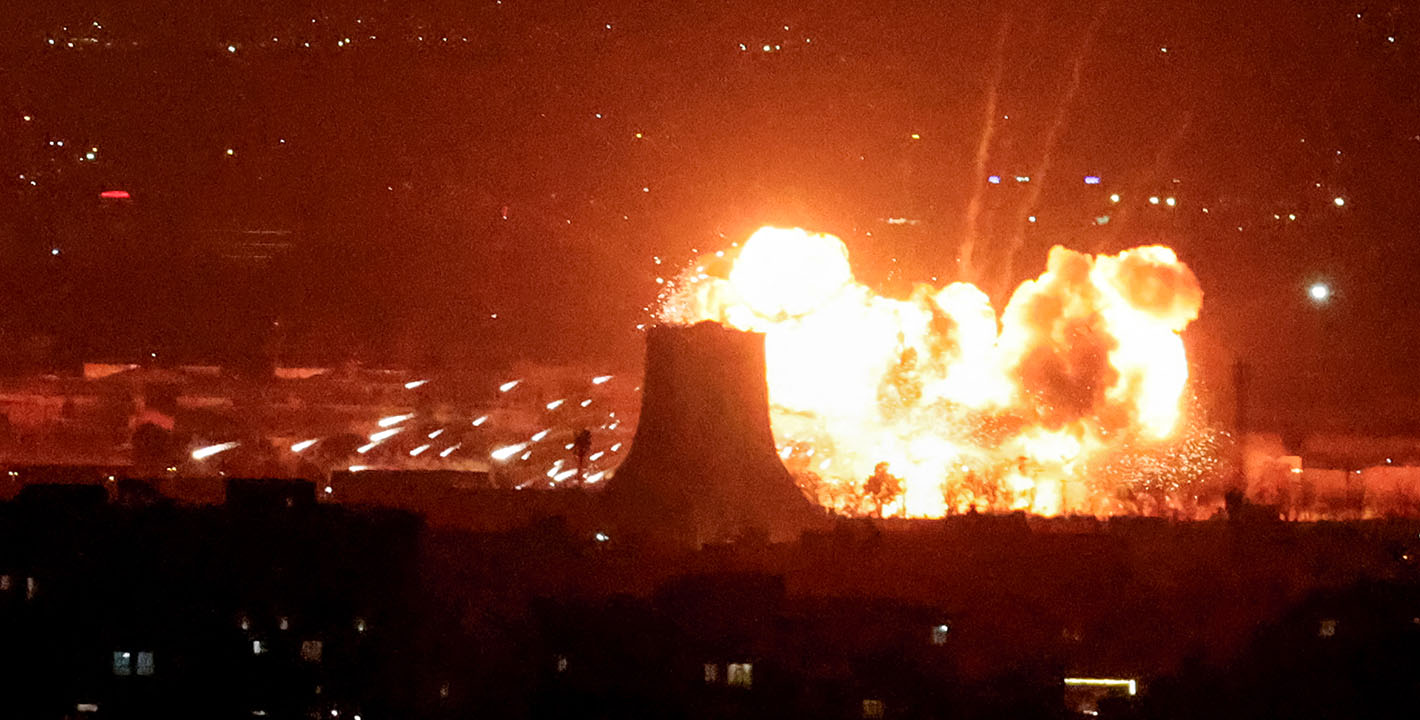
In an interview, Marc Lynch discusses his new book decrying the post-1990 U.S.-dominated order in the Middle East.

Michael Young
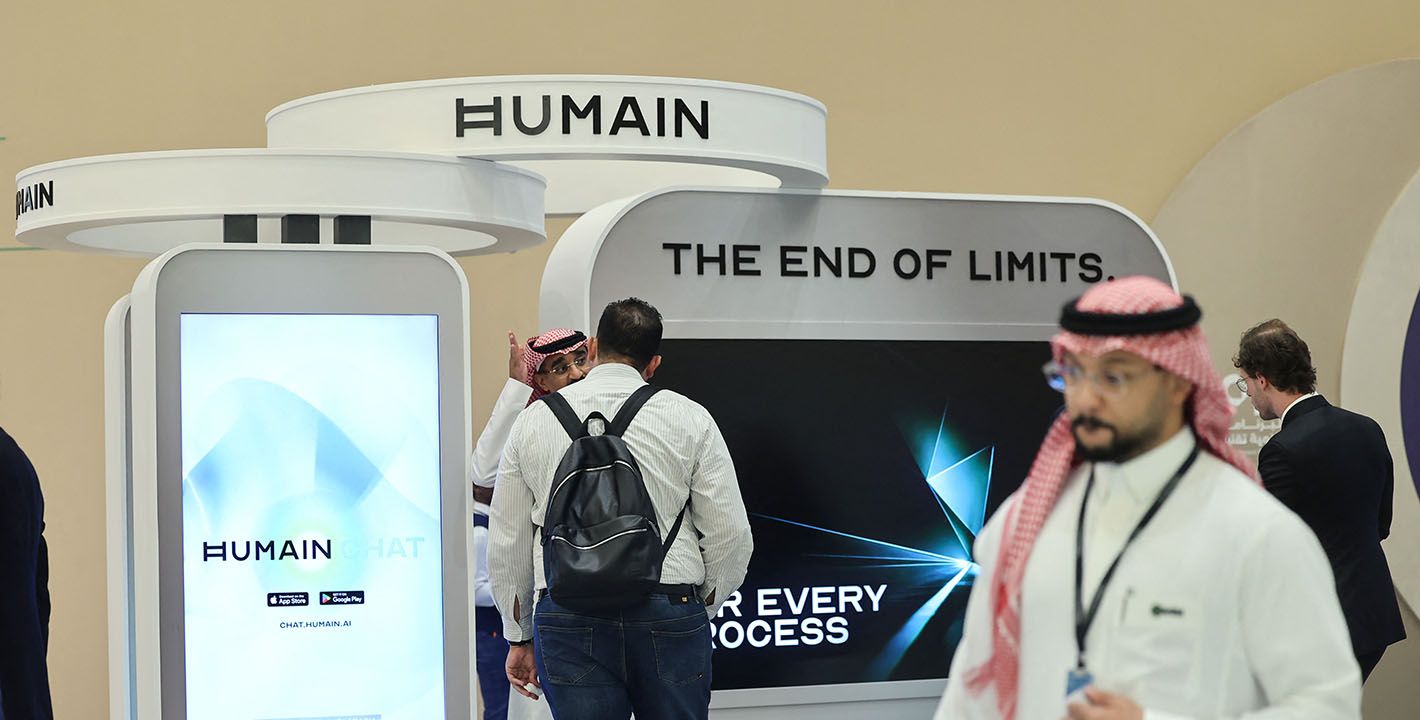
The GCC states’ use of Artificial Intelligence will generate much leverage over the global digital infrastructure and climate talks.

Camille Ammoun

Uneven investment in the technology will widen regional inequalities in the Middle East and North Africa.

Nur Arafeh
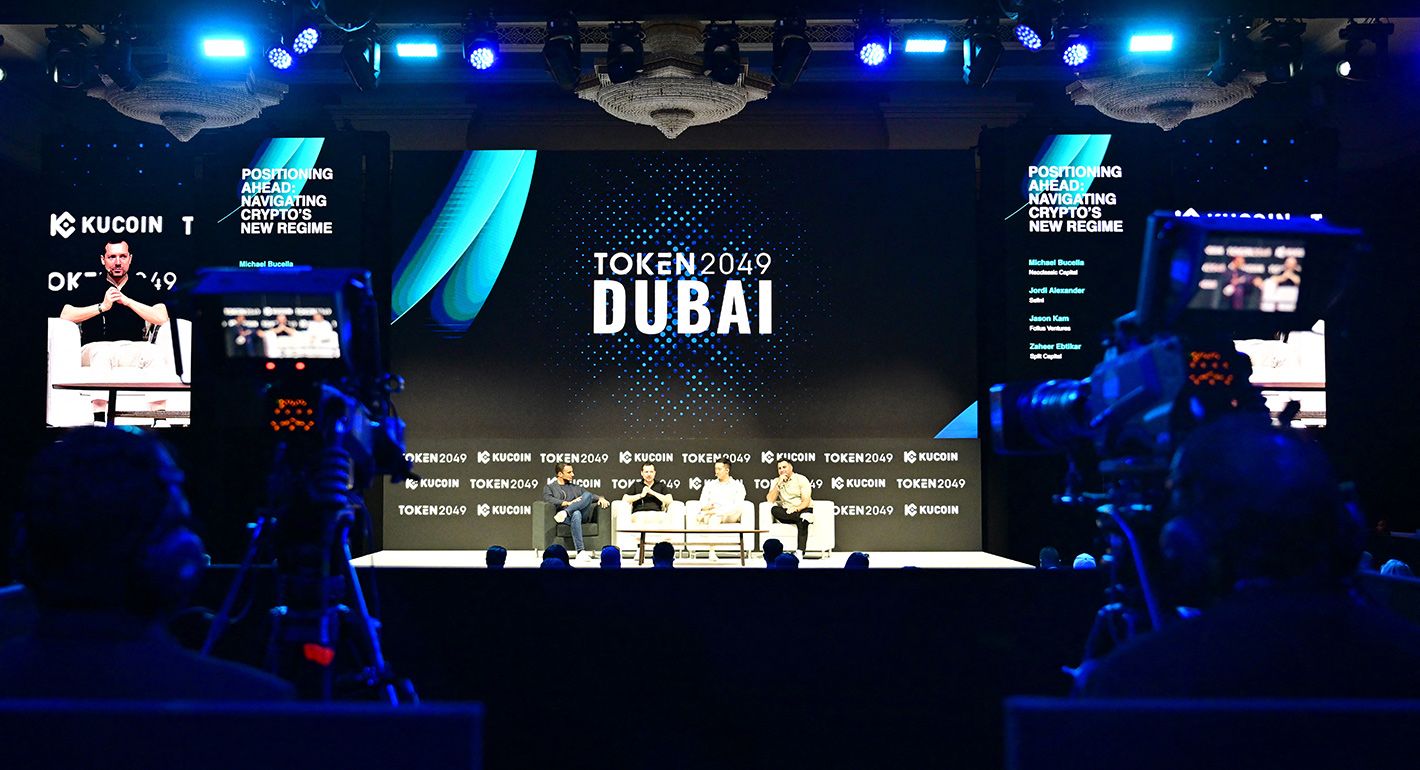
The GCC states are, to varying degrees, opening up to digital finance. This is part of an effort to diversify their economies and wean themselves off U.S.-dominated monetary systems.
Ala’a Kolkaila

Algeria and Egypt pressed China’s telecom national champion Huawei for more value-added manufacturing and technology transfers. The company responded, but it ultimately improved its brand image without engaging in meaningful capacity building.

Tin Hinane El Kadi