

Commentary
In an interview, Ian Lustick and Eli Clifton discuss their new book on why a prominent ally has so much influence in America.
Michael Young
{
  "authors": [
    "John Kerry",
    "David Cameron"
  ],
  "type": "legacyinthemedia",
  "centerAffiliationAll": "dc",
  "centers": [
    "Carnegie Endowment for International Peace"
  ],
  "collections": [],
  "englishNewsletterAll": "ctw",
  "nonEnglishNewsletterAll": "",
  "primaryCenter": "Carnegie Endowment for International Peace",
  "programAffiliation": "SCP",
  "programs": [
    "Sustainability, Climate, and Geopolitics"
  ],
  "projects": [],
  "regions": [
    "North America",
    "United States"
  ],
  "topics": [
    "Climate Change"
  ]
}
Source: Getty
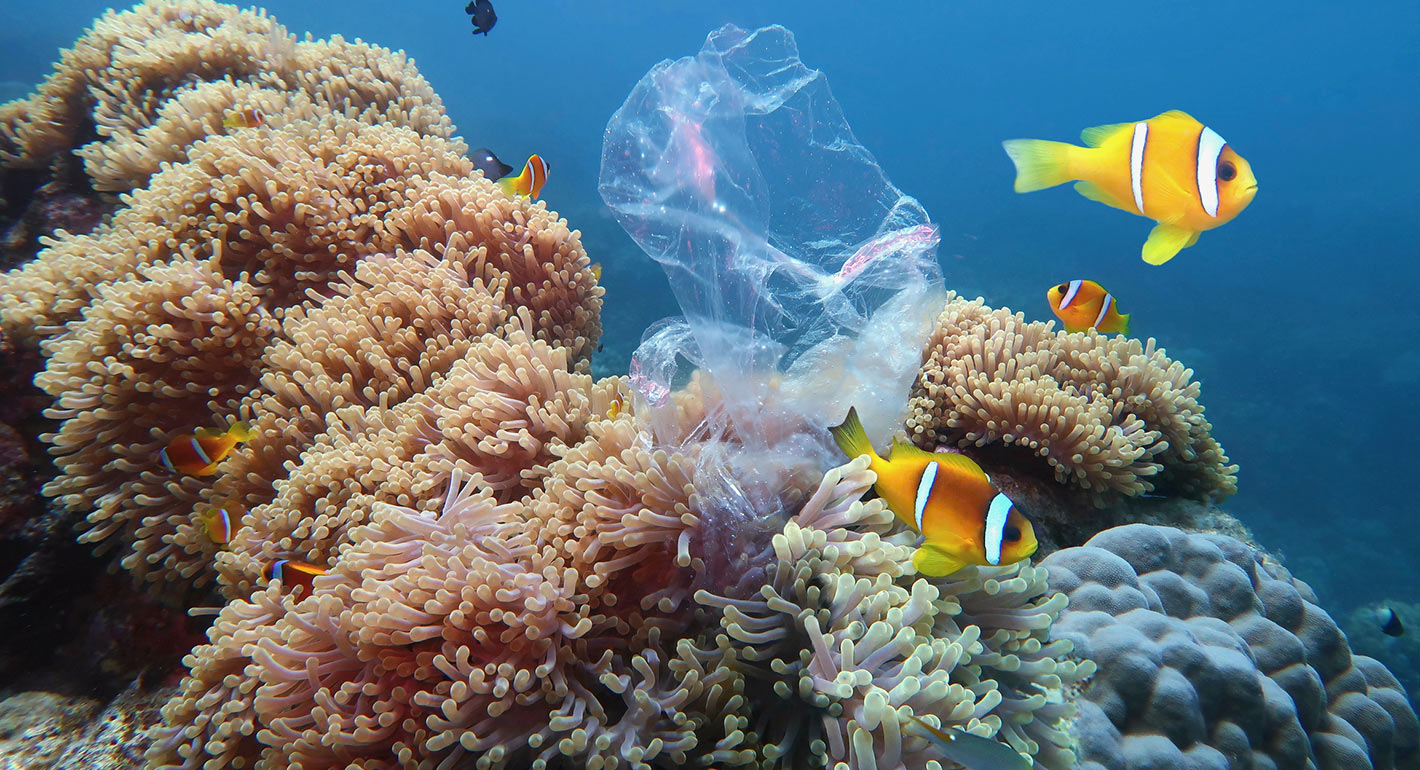
Destructive and illegal fishing practices are resulting in more and bigger boats fishing for fewer and smaller fish.
Source: USA Today
The ocean produces half the world’s oxygen, feeds the clouds that give us fresh water, and helps regulate our climate. It brings us food, creates jobs, and even helps make our medicines. Water is life, and 97 percent of it is contained in our seas.
Yet the seas upon which we depend are in trouble. Destructive and illegal fishing practices are resulting in more and bigger boats fishing for fewer and smaller fish. More than 90 percent of the world’s stocks are now fully or over fished. Thirteen million tons of plastic makes its way into the ocean each year — more than 10 percent of all plastic that is made.
Climate change has warmed the ocean to a dangerous degree, causing the loss of half of the world’s coral reefs and even changing the chemistry of the water by making it more acidic. We are feeling the backlash in the hurricanes, typhoons, heatwaves, and floods that are striking us with increasingly regularity. The two of us know from our respective times in office how supposed “once every hundred years” weather events seemed to be happening every year.
The good news is that we have some of the answers in front of us. We can draw a line around some of the most precious areas of ocean to create Marine Protected Areas . There can be no industrial fishing or mineral recovery in these MPAs, only local fishing. That can then replenish fish stocks and build resilience to climate change by giving marine flora and fauna places where they can adapt to changing conditions. MPAs are most successful when they are large, isolated, and in place for at least 10 years. And they go hand in hand with our global efforts to combat climate change and ensure sustainable fisheries.
MPAs can be found in waters from tropical Easter Island to the frigid Ross Sea near Antarctica. In 2015, the United Kingdoom created what was then the world’s biggest MPA around Pitcairn Island, and committed to creating a “Blue Belt” around its 13 other overseas territories. In 2016, the United States expanded the Papahanaumokuakea Marine National Monument, making it the largest MPA in the world at that time. There are now over 1,700 MPAs in U.S. waters.
In order to make sure they are successful, we must make sure MPAs and fisheries are properly enforced. GPS and satellite technology, marine patrols, and policing are vital to that. That requires collaboration with other nations. That, in turn, requires them to create their own protected areas, so the responsibility of enforcement can be shared.
At the moment, only 3.7 percent of the world’s ocean has any level of protection, while just 2 percent is strongly protected. We must do better. Indeed, the International Union for Conservation of Nature has recommended safeguarding at least 30 percent of the ocean by 2030 to help maintain biodiversity and sustain the long-term health of marine ecosystems.
That is why we are announcing today that we are co-chairing the Pew Bertarelli Ocean Ambassadors, which aims to support countries’ efforts to secure and implement MPAs.
We believe this initiative can have an impact by mobilizing leading ocean advocates from every corner of the globe. It benefits from the expertise of the Bertarelli Foundation, under the guidance of its co-chair Dona Bertarelli, and The Pew Charitable Trusts, who have worked in ocean conservation for more than a decade (including towards the designation of the Pitcairn and BritishIndian Ocean Territory MPAs and Papahanaumokuakea Marine National Monument).
The two of us believe we can help galvanize global willpower to respond to the crisis in the ocean. We know how important the issue is. We know what it is like to be in office and to be confronted with many competing duties and obligations. But we also know that for any elected leader who has promised to support jobs and grow the economy, there will be no blue economy if we don’t solve the threat to the oceans themselves.
As we’ve said, we need the whole world to get on board. Mankind caused this crisis, and we have to be the ones to end it. It will take the efforts of donor countries and the developing world, governments and businesses, individuals and whole communities, to turn things around. As Ocean Ambassadors, we are determined to play our part.
Nonresident Scholar, Sustainability, Climate, and Geopolitics Program
John Kerry is a nonresident scholar the Carnegie Endowment for International Peace.
David Cameron
David Cameron was prime minister of the United Kingdom from 2010-2016.
Carnegie does not take institutional positions on public policy issues; the views represented herein are those of the author(s) and do not necessarily reflect the views of Carnegie, its staff, or its trustees.

In an interview, Ian Lustick and Eli Clifton discuss their new book on why a prominent ally has so much influence in America.

Michael Young

As the U.S. stumbles in its war with Iran, we are likely to see an acceleration of its disengagement from the region.
Michael Young

Huawei pushed hard to enter the Egyptian data centers market, until the Americans made a better offer.

Angie Omar

Middle Eastern states should welcome an accelerated U.S. disengagement from their region.
Michael Young

In an interview, former ambassador Charles Freeman assesses the Trump administration’s war against Iran.
Michael Young