

Commentary
Peter Kellner
{
  "authors": [
    "Peter Kellner"
  ],
  "type": "legacyinthemedia",
  "centerAffiliationAll": "",
  "centers": [
    "Carnegie Endowment for International Peace",
    "Carnegie Europe"
  ],
  "collections": [
    "Brexit and UK Politics"
  ],
  "englishNewsletterAll": "",
  "nonEnglishNewsletterAll": "",
  "primaryCenter": "Carnegie Europe",
  "programAffiliation": "",
  "programs": [],
  "projects": [],
  "regions": [
    "Europe",
    "Western Europe",
    "United Kingdom"
  ],
  "topics": [
    "EU"
  ]
}
Source: Getty
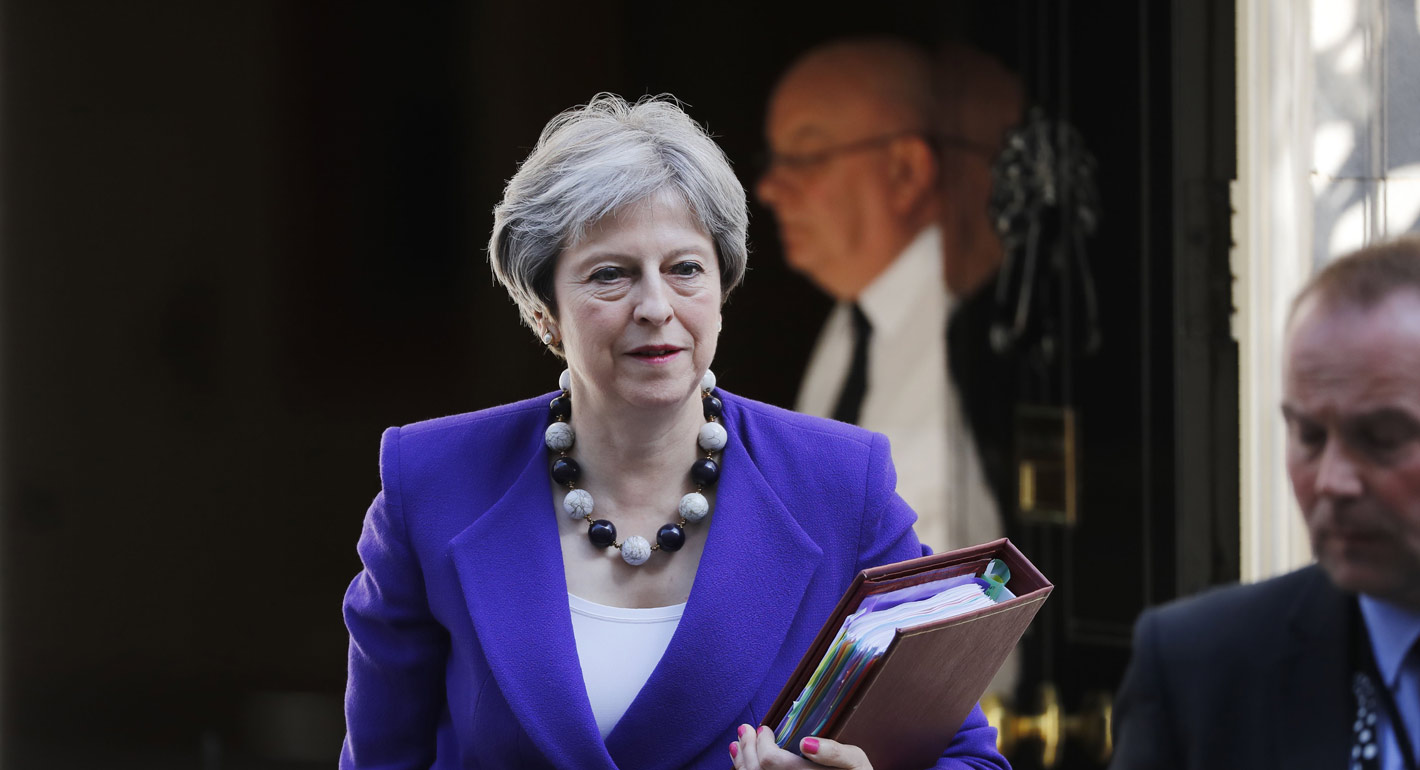
If the talks for the UK’s exit from the European Union fall apart, it could precipitate a major crisis for Britain’s government and Parliament.
Source: Axios
Wednesday’s summit of European leaders, which followed another meeting last month, failed to produce a breakthrough in the Brexit talks. If the negotiations fall apart, it could precipitate a major crisis for Britain’s government and Parliament.
The big picture: If the March 29, 2019, withdrawal date comes without an agreement on the day-to-day U.K.–EU relationship, MPs would urgently seek a way to resolve the crisis. All potential solutions are likely to involve a U.K. request to delay withdrawal, with a new referendum being the most likely outcome.
Delaying the withdrawal is allowed under Article 50 of the Lisbon Treaty. However, it would need the unanimous consent of the other 27 members of the EU. Beyond this commonality, there are various ways in which events could unfold:
The bottom line: A referendum would likely generate a majority vote to remain in the EU: The UK’s demographics are moving in a pro-EU direction, and some voters have changed their minds. Faced with the prospect of a no-deal Brexit and its economic harm, more voters may opt for the safety of the status quo. But, as in 2016, the outcome would be far from certain.

Former Nonresident Scholar, Carnegie Europe
Kellner was a nonresident scholar at Carnegie Europe, where his research focused on Brexit, populism, and electoral democracy.
Recent Work
Peter Kellner
Peter Kellner
Carnegie does not take institutional positions on public policy issues; the views represented herein are those of the author(s) and do not necessarily reflect the views of Carnegie, its staff, or its trustees.
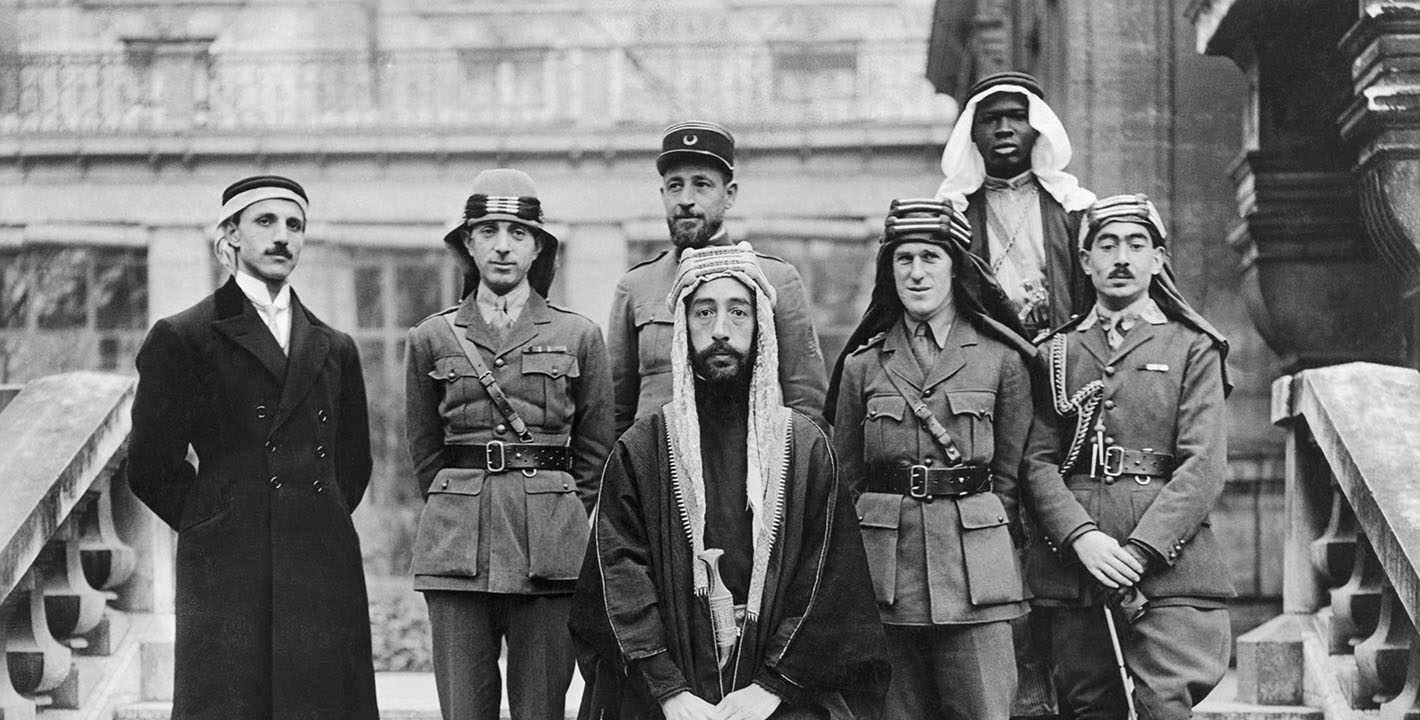
In an interview, Elizabeth Thompson recalls how the country formulated a liberal constitution in 1920, before being denied by France and Britain.

Michael Young

But growing hostility to Israeli actions is too late to save the West from the lasting damage of Gaza.
Michael Young
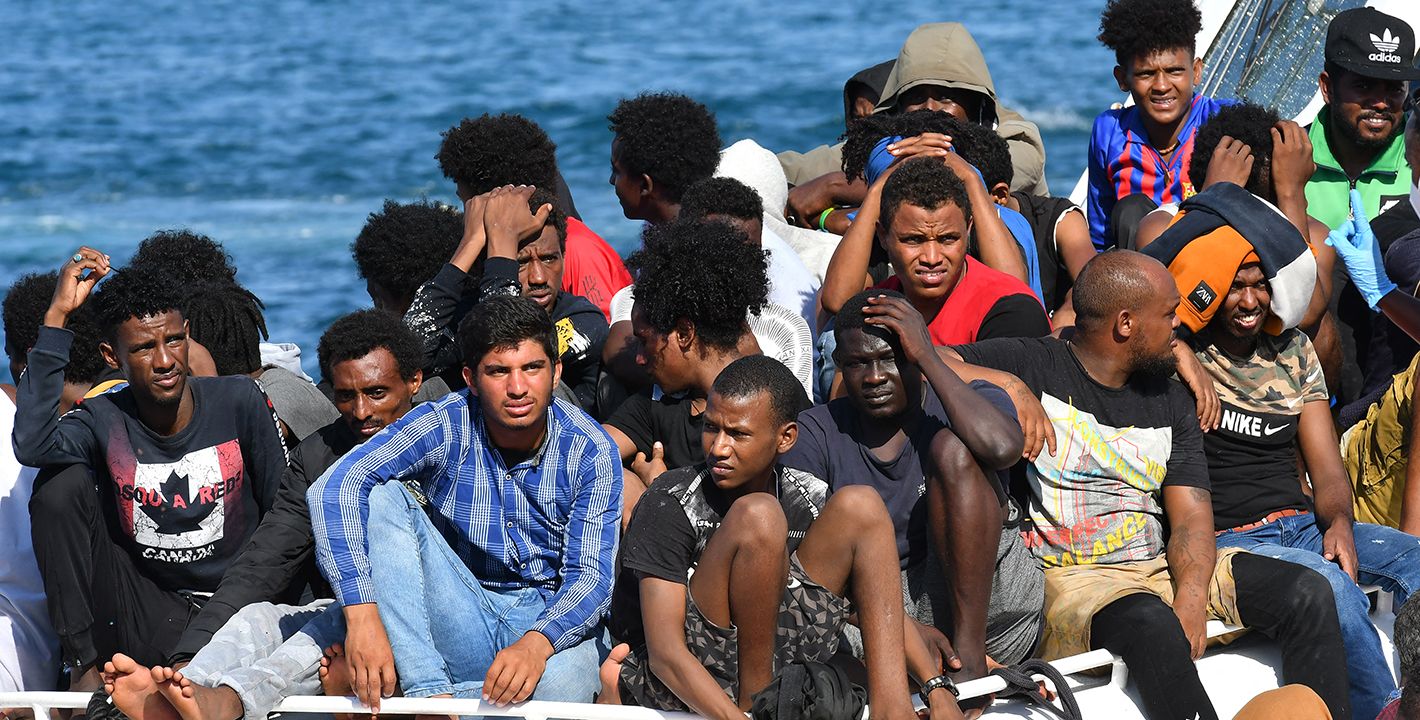
In an interview, Yasmine Zarhloule discusses irregular migration to Europe and the shortcomings of a securitization policy.
Rayyan Al-Shawaf
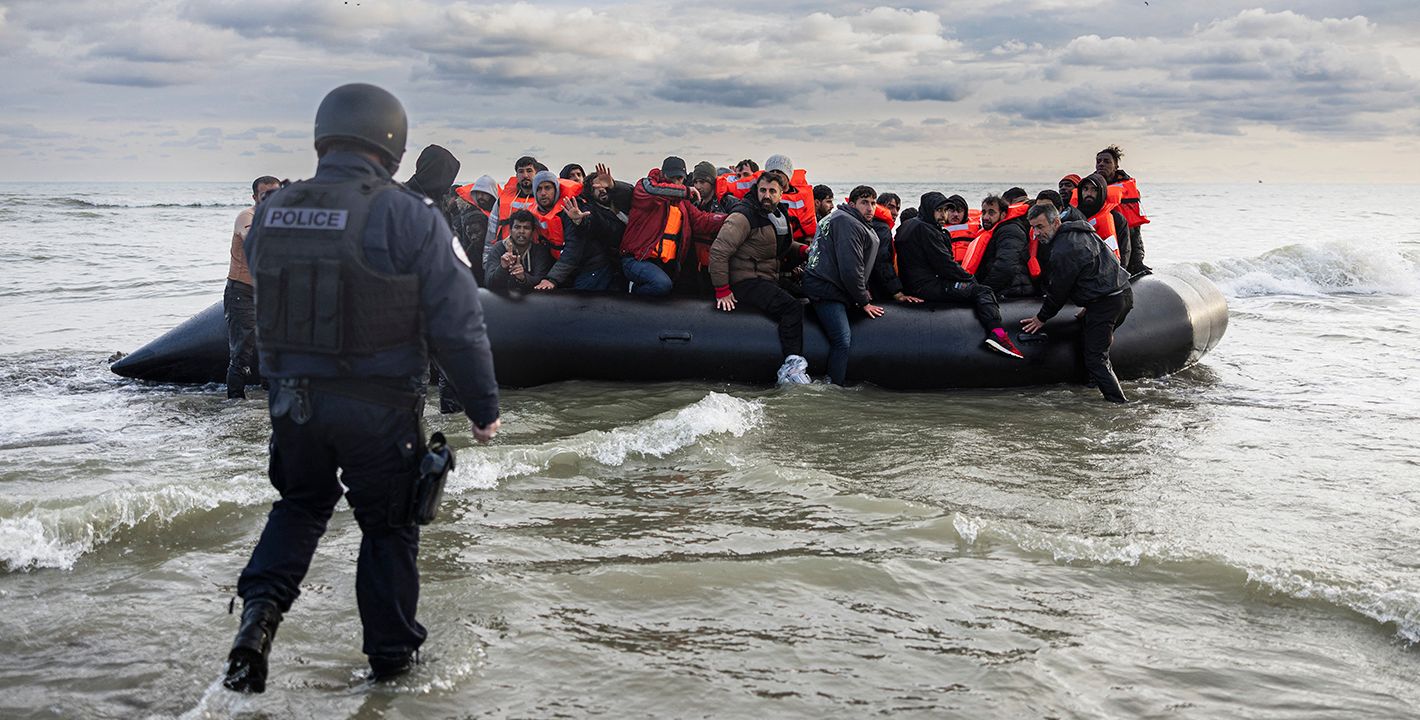
The EU has responded to unwanted arrivals with ever-stricter security measures, an approach that has both led to increased human rights violations and failed to stem the migratory tide.

Yasmine Zarhloule
For the EU, the new leaders in Damascus’ stated aims provide a basis for cooperation.

Marc Pierini