

Commentary
Katherine Charlet, Danielle Citron
{
  "authors": [
    "Katherine Charlet"
  ],
  "type": "legacyinthemedia",
  "centerAffiliationAll": "dc",
  "centers": [
    "Carnegie Endowment for International Peace"
  ],
  "collections": [],
  "englishNewsletterAll": "ctw",
  "nonEnglishNewsletterAll": "",
  "primaryCenter": "Carnegie Endowment for International Peace",
  "programAffiliation": "TIA",
  "programs": [
    "Technology and International Affairs"
  ],
  "projects": [],
  "regions": [
    "United States",
    "Iran"
  ],
  "topics": [
    "Technology"
  ]
}
Source: Getty
In 2018, the United States took many important steps to advance its approach to cyber conflict. A review of these developments suggests signs of progress but also significant challenges ahead.
Source: World Politics Review
2018 was in many ways a watershed year for the United States in cyberspace. Washington revamped its cyber strategy. It loosened authorities for military cyber operators. It responded to large-scale global cyberattacks. And it dealt with chilling intrusions on its critical infrastructure. Looking back, though, what did all these changes mean, and how well did U.S. cyber policy fare?
Let’s start with the good news. In two particular areas—attribution and indictments—the United States has shown clear improvements in responding to inappropriate behavior in cyberspace. Over the past year, the Department of Justice significantly increased the pace of indictments against Chinese, Russian, Iranian and North Korean individuals for state-linked cyber activities. The department announced, for example, only one such indictment in 2014, but at least eight in 2018. Such steps, with some exceptions, are not usually enough to change national policies, and more data and analysis are needed to judge their real impact. In theory, though, and especially over the longer term, indictments and sanctions can make it harder for countries to recruit young talented hackers, who may not want to be restricted from travelling to or dealing financially with the United States and Europe.
Former Director, Technology and International Affairs Program
Katherine Charlet was the inaugural director of Carnegie’s Technology and International Affairs Program.
Recent Work
Katherine Charlet, Danielle Citron
Charlotte Stanton, Vivien Lung, Nancy (Hanzhuo) Zhang, …
Carnegie does not take institutional positions on public policy issues; the views represented herein are those of the author(s) and do not necessarily reflect the views of Carnegie, its staff, or its trustees.
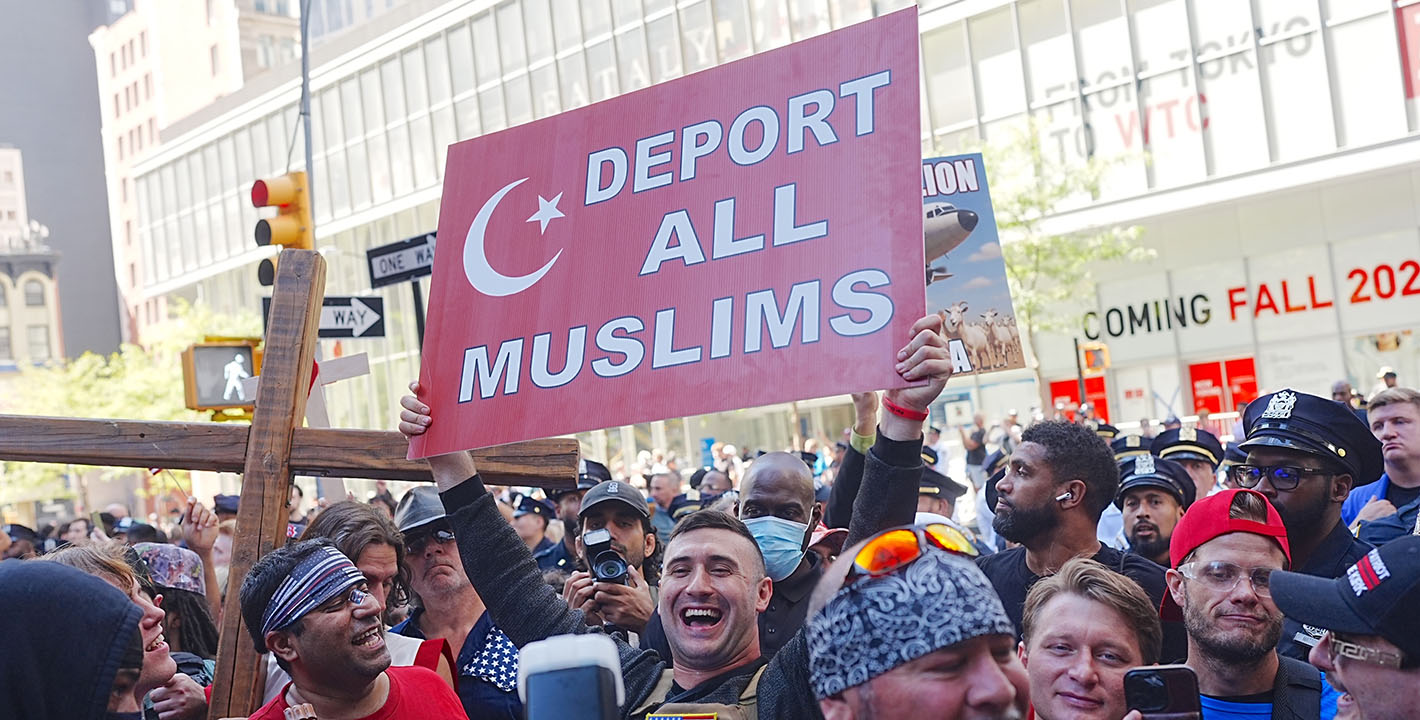
In an interview, Rozina Ali discusses her new book on the rise and manifestations of Islamophobia in the United States.

Michael Young

In an interview, Ian Lustick and Eli Clifton discuss their new book on why a prominent ally has so much influence in America.
Michael Young

As the U.S. stumbles in its war with Iran, we are likely to see an acceleration of its disengagement from the region.
Michael Young

Middle Eastern states should welcome an accelerated U.S. disengagement from their region.
Michael Young

In an interview, former ambassador Charles Freeman assesses the Trump administration’s war against Iran.
Michael Young