

Other
François Godement, Ashley J. Tellis
{
  "authors": [
    "François Godement"
  ],
  "type": "legacyinthemedia",
  "centerAffiliationAll": "dc",
  "centers": [
    "Carnegie Endowment for International Peace"
  ],
  "collections": [],
  "englishNewsletterAll": "asia",
  "nonEnglishNewsletterAll": "",
  "primaryCenter": "Carnegie Endowment for International Peace",
  "programAffiliation": "AP",
  "programs": [
    "Asia"
  ],
  "projects": [],
  "regions": [
    "East Asia",
    "China",
    "Western Europe"
  ],
  "topics": []
}
Source: Getty
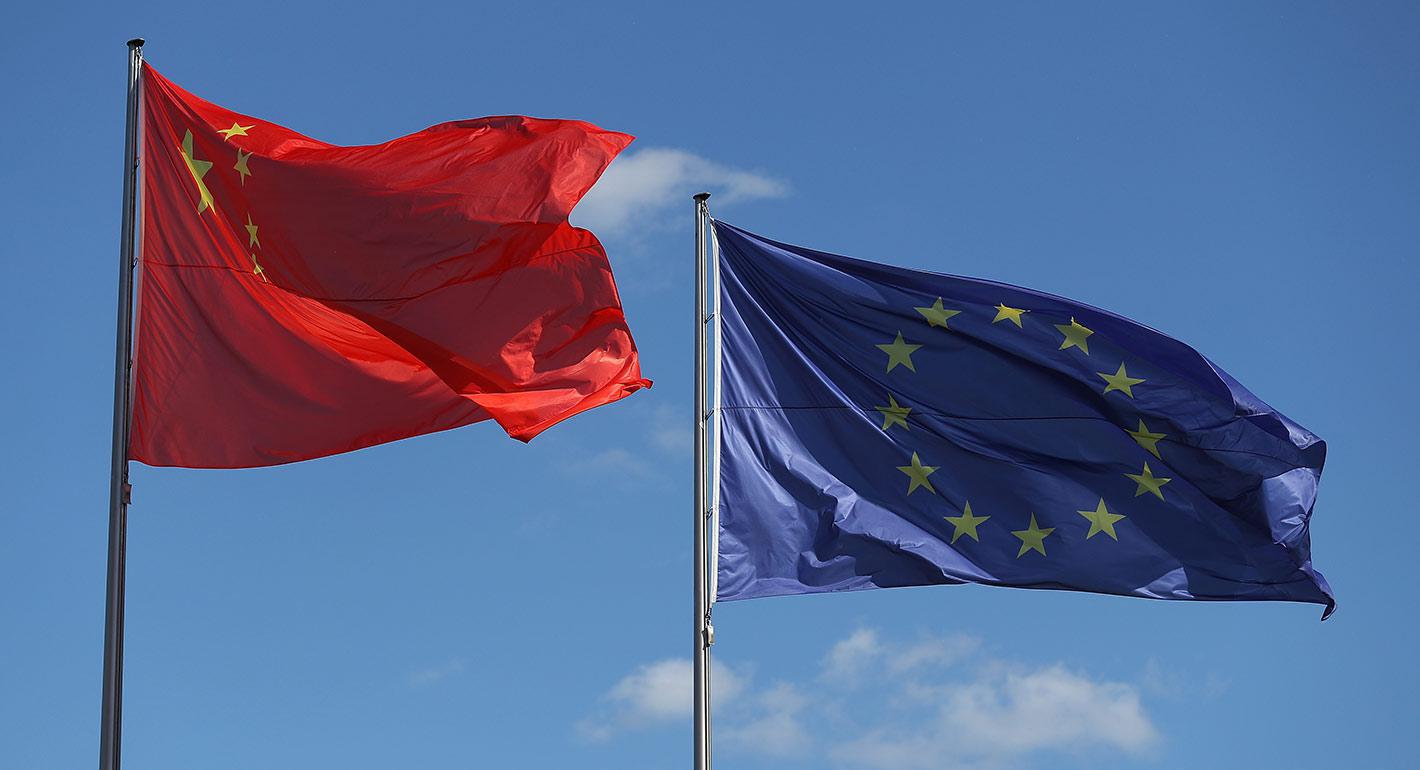
The EU has recently delivered a series of wake-up calls to China.
Source: Institut Montaigne
It’s now been almost two months since the EU finally delivered a series of wake-up calls to China : on March 12, a strategic shift treating China as a competitor and systemic rival as much as a partner, and then a stand before the April 9 annual summit that compelled China to double up on promises with in some cases a fixed end date and a mechanism to track their implementation. Most importantly, the EU has vowed to move on its own, regardless of Chinese actions – from defensive measures to new policies across the EU facing the world as it is, and not as we wish it to be.
Nothing of the sort could have happened if there had not been some unity at the core of the EU – especially between France and Germany, and with a decisive push from Jean-Claude Juncker. The surprise introduction into Xi Jinping’s state visit to France of a meeting including Jean-Claude Juncker – who delivered the main talk – and Angela Merkel is another sign of the change. Those who keep harping on about Macron’s supposed "isolation" and Merkel’s "immobility" neglect this common stance on our biggest economic and value challenge for the future – China. Strikingly, the Commission and EEAS (European External Action Service) March 12 strategic shift has been approved without difficulty (Hungary silent) at a member states COREPER (Committee of Permanent Representatives) meeting (while the EU Council discussion on China was derailed by the Brexit issue). And the Council has vied with the Commission to oversee the EU-China summit of April 9 – an institutional innovation that has in fact bolstered Europe’s position.
But it has all happened – and is still happening – in the shadow of Washington’s own roller coaster relationship with China. China has treated the EU as a variable in what is its main game – overcoming Trump’s challenge to its asymmetric economic system and its refusal of convergence. Beijing first thought a transactional approach with the former real estate developer would solve the conflict: that’s when it papered over issues with Europe by talking up multilateralism, while snubbing Europe at its July 2017 summit. The US insistence on structural changes to the Chinese economy, changes on which Europeans basically agree, made China aware of the danger from a united front. At the 2018 EU-China summit, it therefore made promises – literally all forgotten in the aftermath as China focused on stopping the Trump bulldozer. By early 2019 Europeans were fed up with unkept commitments, and by China’s relentless push inside the EU via smaller or weaker member states and the Balkan accession candidates.
This article was originally published by Institut Montaigne.

Former Nonresident Senior Fellow, Asia Program
Godement, an expert on Chinese and East Asian strategic and international affairs, was a nonresident senior fellow in the Asia Program at the Carnegie Endowment for International Peace.
Recent Work
François Godement, Ashley J. Tellis

François Godement, Abigaël Vasselier
Carnegie does not take institutional positions on public policy issues; the views represented herein are those of the author(s) and do not necessarily reflect the views of Carnegie, its staff, or its trustees.
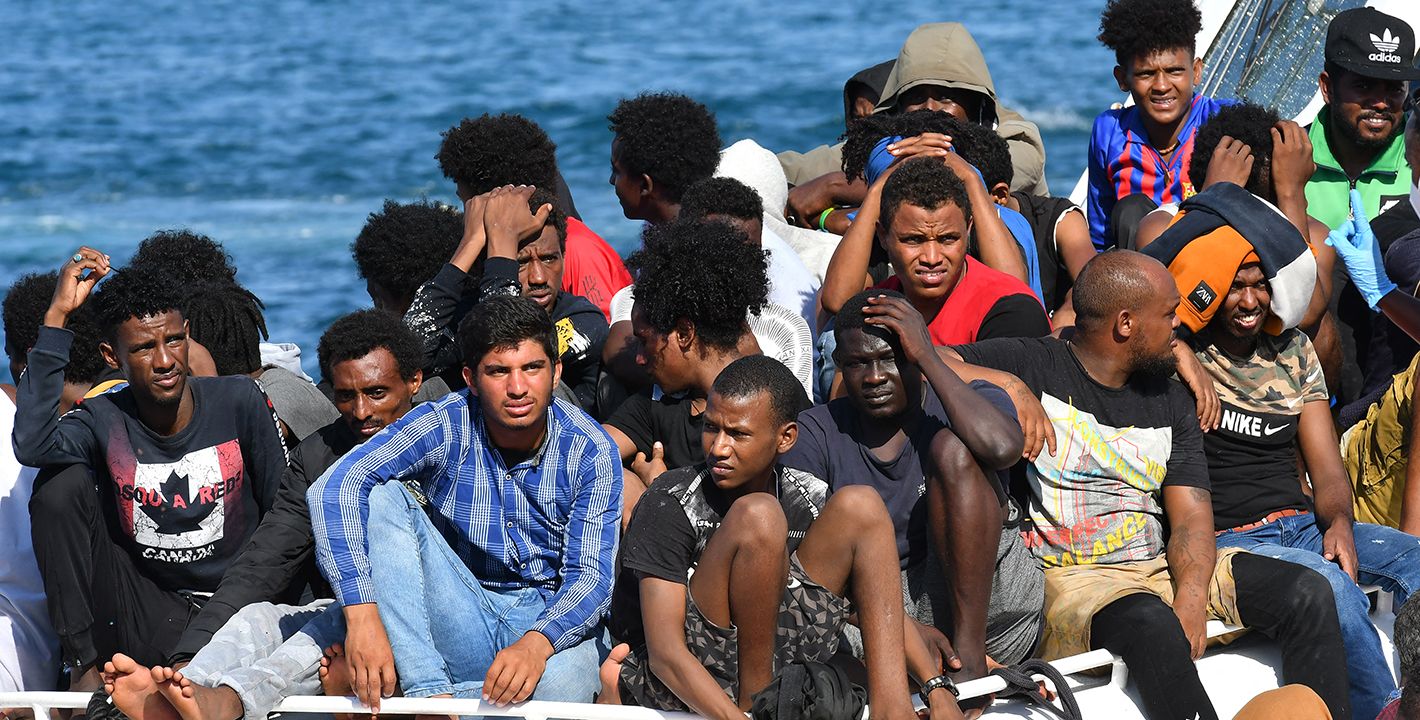
In an interview, Yasmine Zarhloule discusses irregular migration to Europe and the shortcomings of a securitization policy.
Rayyan Al-Shawaf
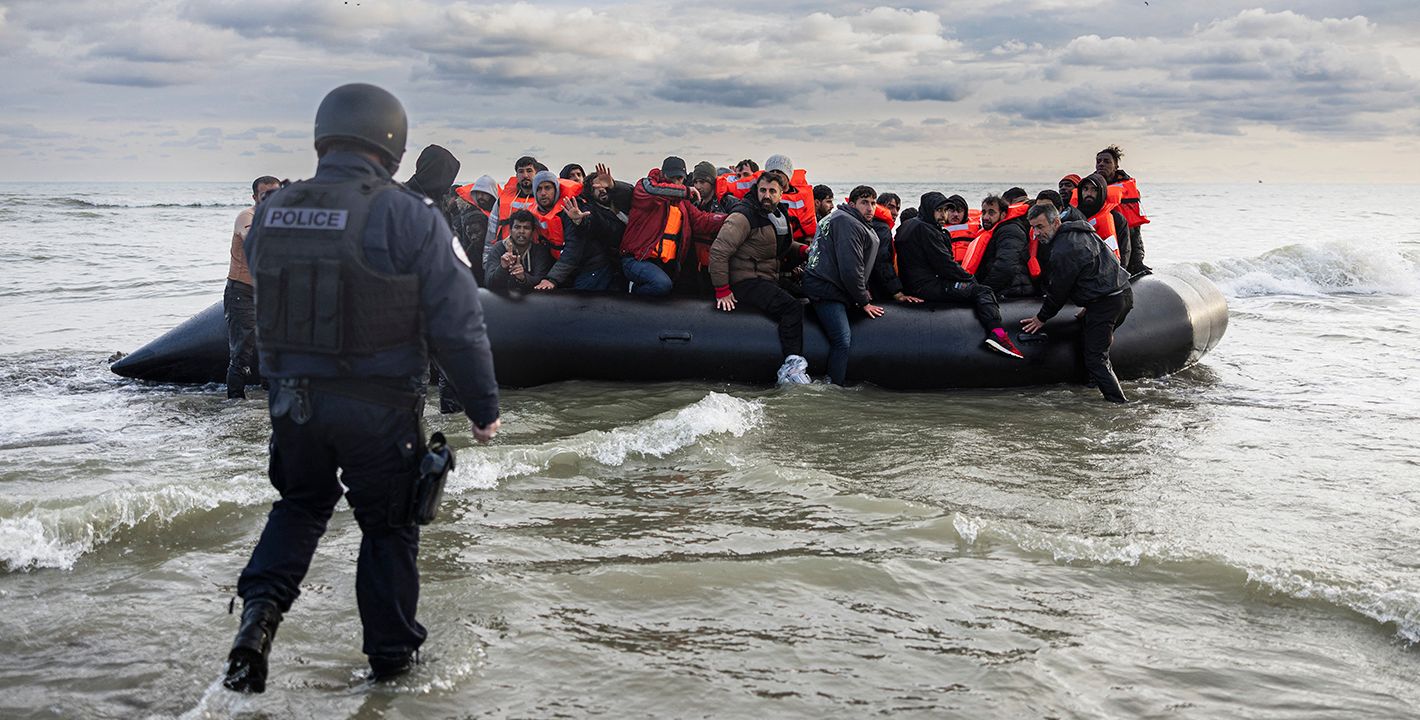
The EU has responded to unwanted arrivals with ever-stricter security measures, an approach that has both led to increased human rights violations and failed to stem the migratory tide.

Yasmine Zarhloule

China has aligned its cooperation model with Saudi Arabia’s own priorities, most notably since the kingdom unveiled its Vision 2030. Although China announced the Belt and Road Initiative in 2013, the big push in relations happened only after the ascendance of King Salman to the throne in 2015 and Riyadh’s push for Beijing to meet Saudi needs.

Hesham Alghannam
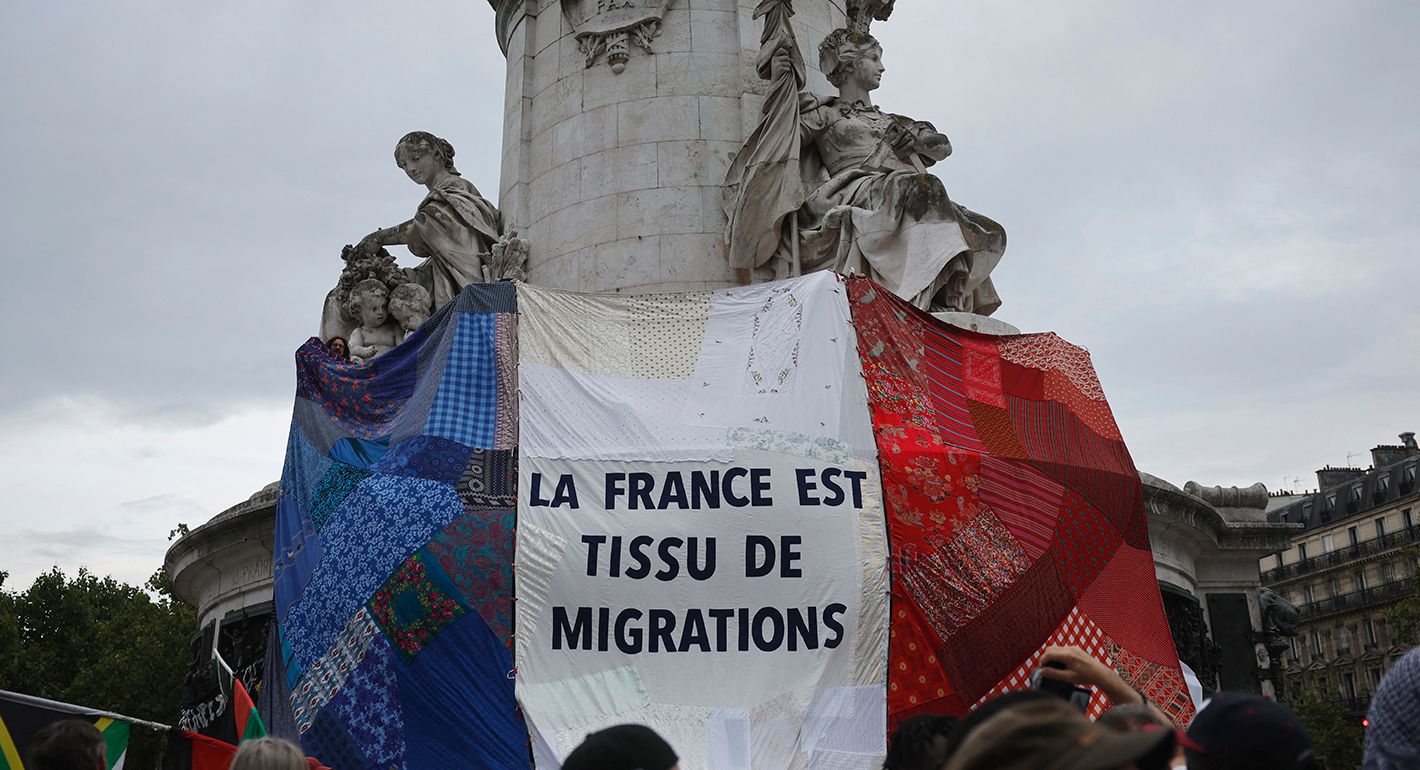
Nevertheless, recent European and parliamentary elections have fed an increasing struggle over belonging.
Yasmine Zarhloule

The Gulf Cooperation Council has shifted its energy export focus to Asia, particularly India and China. This is part of a broader shift as GCC members look to expand their geopolitical alliances away from the West.

Alexandre Kateb