

Commentary
Huawei pushed hard to enter the Egyptian data centers market, until the Americans made a better offer.
Angie Omar
{
  "authors": [
    "François Godement",
    "Mathieu Duchâtel"
  ],
  "type": "other",
  "centerAffiliationAll": "dc",
  "centers": [
    "Carnegie Endowment for International Peace"
  ],
  "collections": [],
  "englishNewsletterAll": "asia",
  "nonEnglishNewsletterAll": "",
  "primaryCenter": "Carnegie Endowment for International Peace",
  "programAffiliation": "AP",
  "programs": [
    "Asia"
  ],
  "projects": [],
  "regions": [
    "East Asia",
    "China",
    "Western Europe"
  ],
  "topics": [
    "Technology"
  ]
}
Source: Getty
5G brings with it unprecedented possibilities of applications, including healthcare, education, autonomous vehicles, augmented reality, industrial production, public services. But it does come with risks.
Source: Institut Montaigne
Is Huawei paying the price for its high profile? The case serves to create attention to Europe’s hard choices for 5G infrastructure. 5G brings with it unprecedented possibilities of applications, including healthcare, education, autonomous vehicles, augmented reality, industrial production, public services. But it does come with risks.
Donald Trump’s decision to forbid American companies from trading with Huawei is a game changer, with repercussions exceeding by far the US-China confrontation. European companies will inevitably be faced with hard choices, and the Chinese company’s long standing 5G offer suddenly poses a much more critical dilemma.
In its quest for the status of global leader in telecommunications network equipment, Huawei's strong presence in European 3G/4G has compensated for its absence in American networks. Indeed, Huawei is already at the heart of Europe’s telecommunications networks. But will it be able to maintain its offer without its American suppliers?
For the time being, France and several European countries have excluded a ban against Huawei and are opting instead for a regulatory approach aimed at securing sensitive data. Will such an approach be sufficient?
Institut Montaigne has decided to address the issues related to 5G deployment at a European level. The growing dilemma around Huawei sheds light on European weaknesses in digital networks.
This policy paper was originally published by Institut Montaigne.

Former Nonresident Senior Fellow, Asia Program
Godement, an expert on Chinese and East Asian strategic and international affairs, was a nonresident senior fellow in the Asia Program at the Carnegie Endowment for International Peace.
Mathieu Duchâtel
Mathieu Duchâtel is Director of the Asia Program at Institut Montaigne since January 2019.
Carnegie does not take institutional positions on public policy issues; the views represented herein are those of the author(s) and do not necessarily reflect the views of Carnegie, its staff, or its trustees.

Huawei pushed hard to enter the Egyptian data centers market, until the Americans made a better offer.

Angie Omar
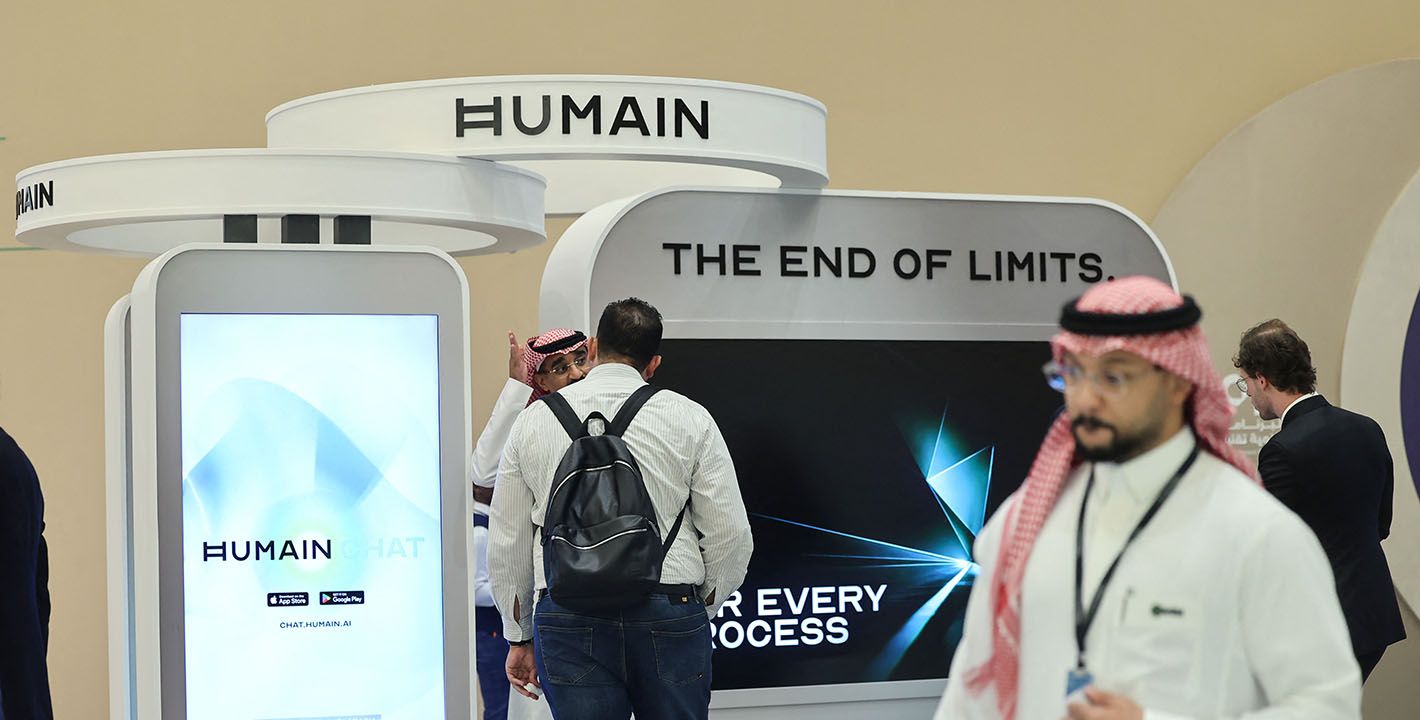
The GCC states’ use of Artificial Intelligence will generate much leverage over the global digital infrastructure and climate talks.

Camille Ammoun
Uneven investment in the technology will widen regional inequalities in the Middle East and North Africa.

Nur Arafeh
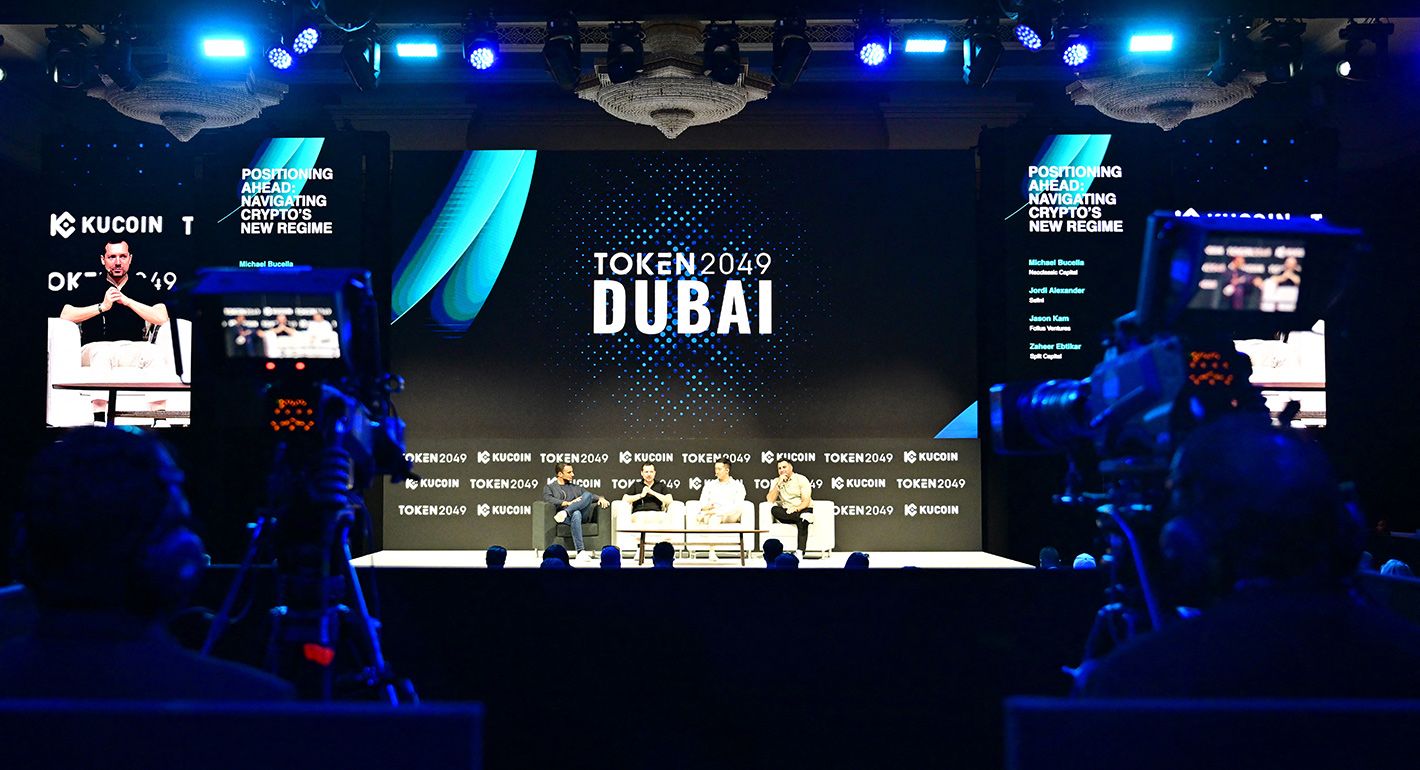
The GCC states are, to varying degrees, opening up to digital finance. This is part of an effort to diversify their economies and wean themselves off U.S.-dominated monetary systems.
Ala’a Kolkaila

In an interview, Yasmine Zarhloule discusses irregular migration to Europe and the shortcomings of a securitization policy.
Rayyan Al-Shawaf