

Commentary
Huawei pushed hard to enter the Egyptian data centers market, until the Americans made a better offer.
Angie Omar
{
  "authors": [
    "Rudra Chaudhuri",
    "Anirudh Burman"
  ],
  "type": "legacyinthemedia",
  "centerAffiliationAll": "",
  "centers": [
    "Carnegie Endowment for International Peace",
    "Carnegie India"
  ],
  "collections": [],
  "englishNewsletterAll": "",
  "nonEnglishNewsletterAll": "",
  "primaryCenter": "Carnegie India",
  "programAffiliation": "",
  "programs": [],
  "projects": [],
  "regions": [
    "India"
  ],
  "topics": [
    "Technology"
  ]
}
Source: Getty
Chinese Vice President Wang Qishan recently said that the “post-war international order” has “come to collapse.”
Source: Print
Chinese vice-president Wang Qishan recently said that the “post-war international order” has “come to collapse”.
The vice-president was speaking at the World Peace Forum, organised by Tsinghua University in Beijing, on 8 July. His message to the world was simple – it’s time to “jointly build an international order that is fair and equitable”. Others at the forum echoed his sentiments.
Whether it was the former Belgian Prime Minister and president of the European Council, Herman Van Rompuy, or the former Russian minister of foreign affairs, Igor Ivanov, leaders underlined that the “multilateral order is under threat”. Ivanov went as far as suggesting that “the old world order” was “already over”. Little, however, was said about how a new world order could be created. What this architecture would look like was a question that went largely unaddressed.

Former Director, Carnegie India
Rudra Chaudhuri was the director of Carnegie India. His research focuses on the diplomatic history of South Asia, contemporary security issues, and the important role of emerging technologies and digital public infrastructure in diplomacy, statecraft, and development. He and his team at Carnegie India chair and convene the Global Technology Summit, co-hosted with the Ministry of External Affairs, Government of India.

Former Associate Research Director and Fellow, Carnegie India
Anirudh Burman was an associate research director and fellow at Carnegie India. He works on key issues relating to public institutions, public administration, the administrative and regulatory state, and state capacity.
Carnegie does not take institutional positions on public policy issues; the views represented herein are those of the author(s) and do not necessarily reflect the views of Carnegie, its staff, or its trustees.

Huawei pushed hard to enter the Egyptian data centers market, until the Americans made a better offer.

Angie Omar
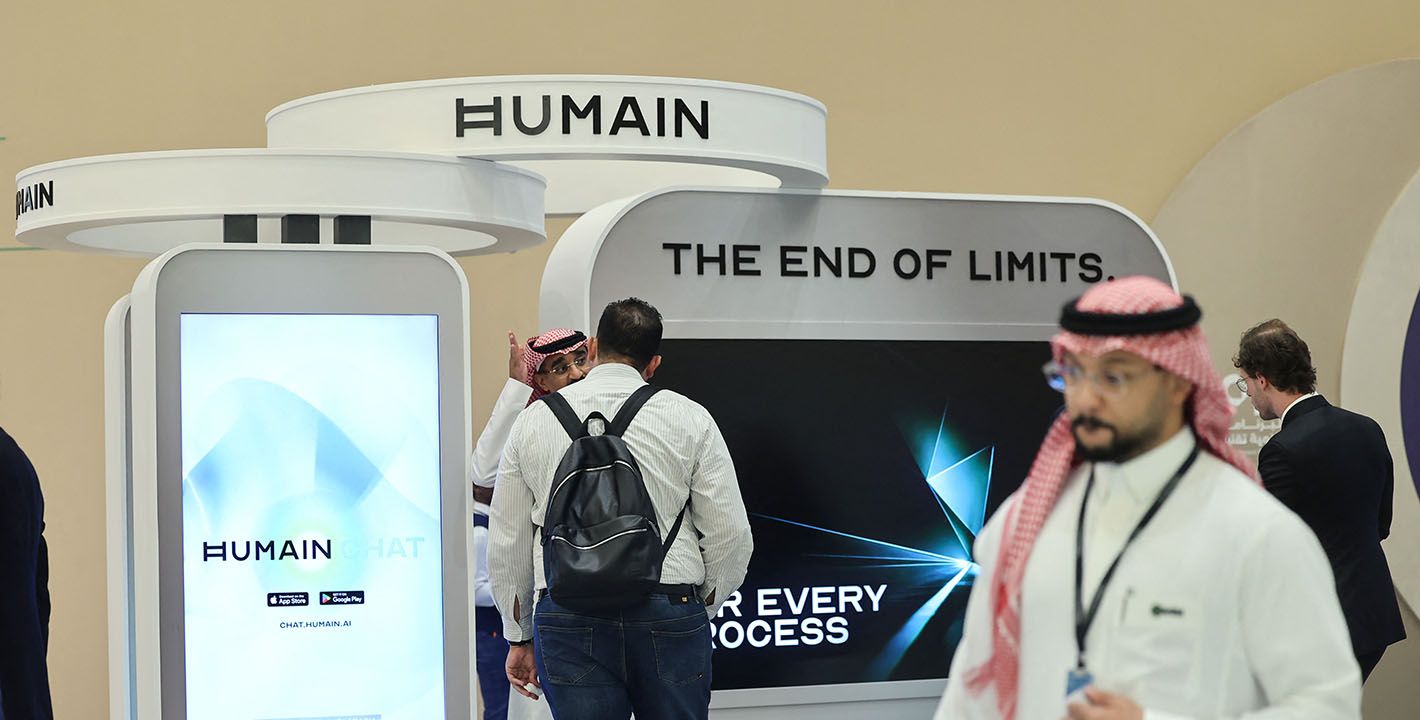
The GCC states’ use of Artificial Intelligence will generate much leverage over the global digital infrastructure and climate talks.
Camille Ammoun
Uneven investment in the technology will widen regional inequalities in the Middle East and North Africa.

Nur Arafeh
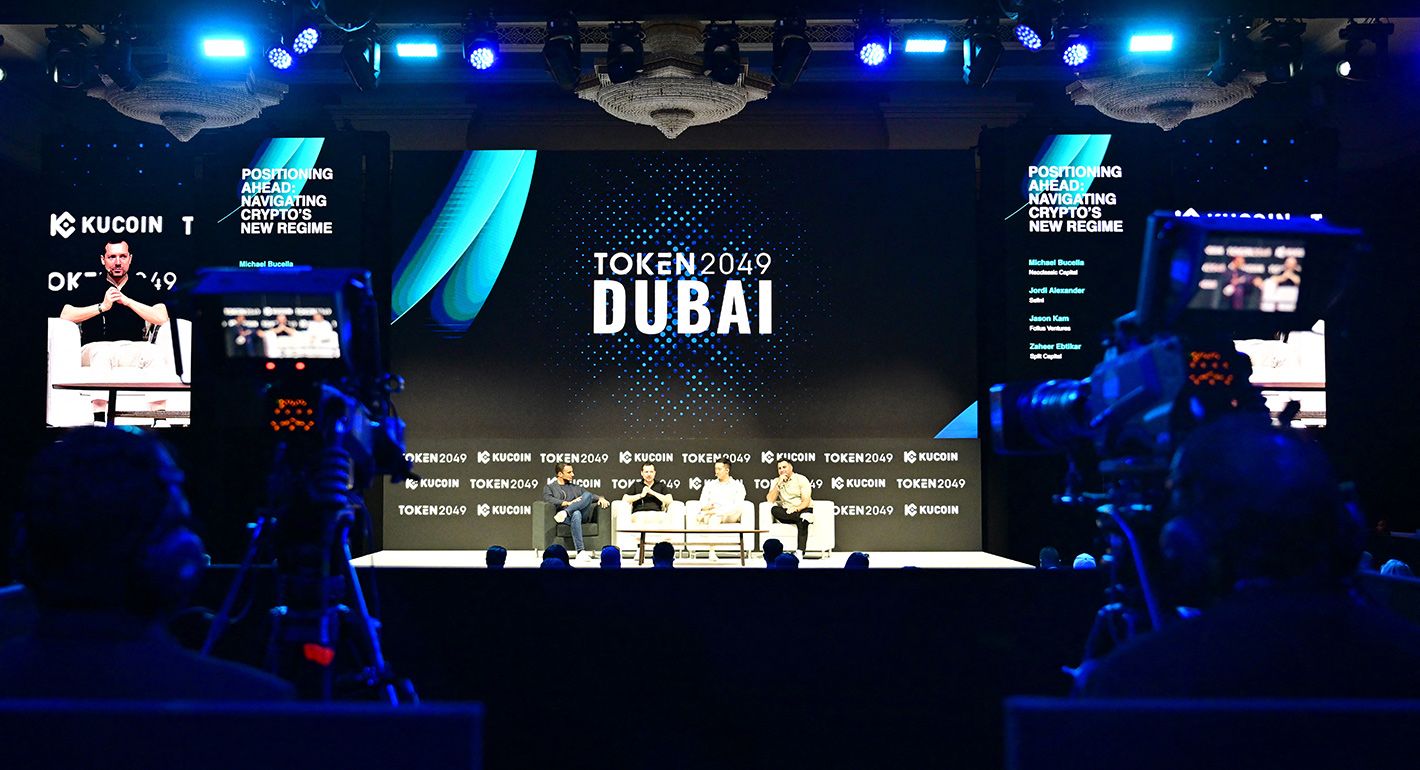
The GCC states are, to varying degrees, opening up to digital finance. This is part of an effort to diversify their economies and wean themselves off U.S.-dominated monetary systems.
Ala’a Kolkaila
In an interview, Abhinav Pandya discusses the multiple facets of India’s ties with the Middle East.

Armenak Tokmajyan