

Other
François Godement, Ashley J. Tellis
{
  "authors": [
    "François Godement"
  ],
  "type": "legacyinthemedia",
  "centerAffiliationAll": "dc",
  "centers": [
    "Carnegie Endowment for International Peace"
  ],
  "collections": [],
  "englishNewsletterAll": "asia",
  "nonEnglishNewsletterAll": "",
  "primaryCenter": "Carnegie Endowment for International Peace",
  "programAffiliation": "AP",
  "programs": [
    "Asia"
  ],
  "projects": [],
  "regions": [
    "Russia"
  ],
  "topics": []
}
Source: Getty
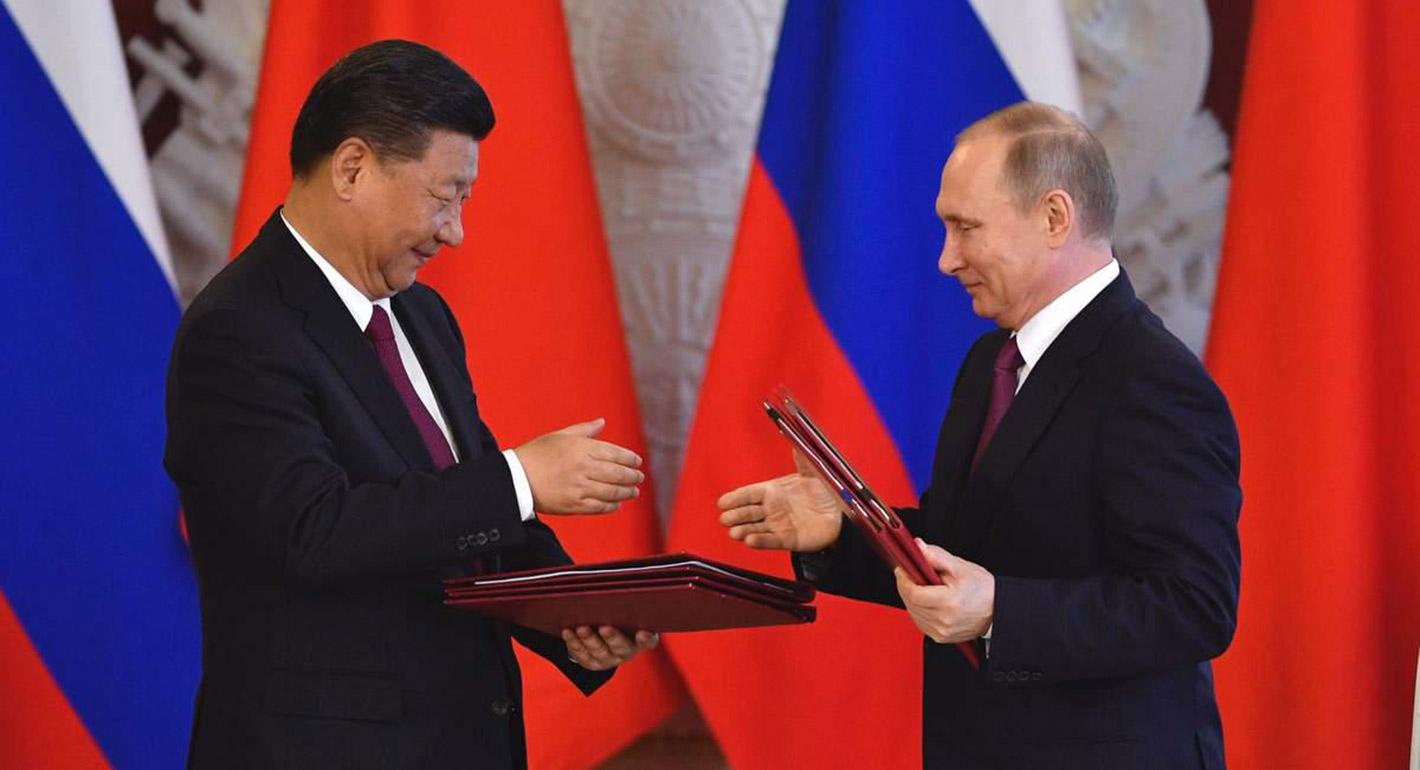
The last three years have been good for Sino-Russian cooperation.
Source: Institut Montaigne
The last three years have been good for Sino-Russian cooperation. If one looks at milestones, Sino-Russian trade passed the $100 billion threshold in 2018 and is still growing in 2019 : remarkably, this comes with a stagnation of Chinese exports but a constant rise in Russian sales – energy is the key mover here, and Russia therefore is a rare case of running a trade surplus with China. Indeed, new gas pipeline projects are under way beyond what already exists. The relationship has also been about military maneuvers – after the 2017 Russian-Chinese show in the Baltic, the two countries staged joint air patrols in North-East Asia during the summer of 2019, leading to an incident with South Korea. China took delivery of S-400 surface to air missiles in 2018 and 2019. Russia is moving towards Huawei for its future 5G network – a move which would reward very long efforts by Huawei to woo the Russian market. At the United Nations, there is currently no light between the two countries. The two move in lockstep on many issues – including on isolating and controlling their social media.
Our three authors provide background and nuances to this picture. Eleanor M. Albert explains that the two countries see themselves as facing the same pressure from the United States. China counts on Russia to support its views on international institutions and the "power shift" to Asia, in part because Russia is integrating itself within Eurasia: Moscow’s Eurasian Economic Union fits nicely with the Belt & Road Initiative – and one might add, is not much competition either for China. A key to this may well be what Viviana Zhu terms "a buyer’s market" for energy.
China is becoming more dependent on Russian energy – 11 % of its imports, but that’s a welcome diversification from the Middle East, or from American liquefied natural gas (LNG) at a time of trade tension. As of 2019, Russia is becoming China’s largest supplier of oil. But neither Russia nor any production cartel control the price any more: the greatest dependency, for cash, is still Russia’s. China’s experts do not hide their country’s hand too much, when they explain that oil and gas resources from Central Asia can also compete with Russia’s.

Former Nonresident Senior Fellow, Asia Program
Godement, an expert on Chinese and East Asian strategic and international affairs, was a nonresident senior fellow in the Asia Program at the Carnegie Endowment for International Peace.
Recent Work
François Godement, Ashley J. Tellis

François Godement, Abigaël Vasselier
Carnegie does not take institutional positions on public policy issues; the views represented herein are those of the author(s) and do not necessarily reflect the views of Carnegie, its staff, or its trustees.
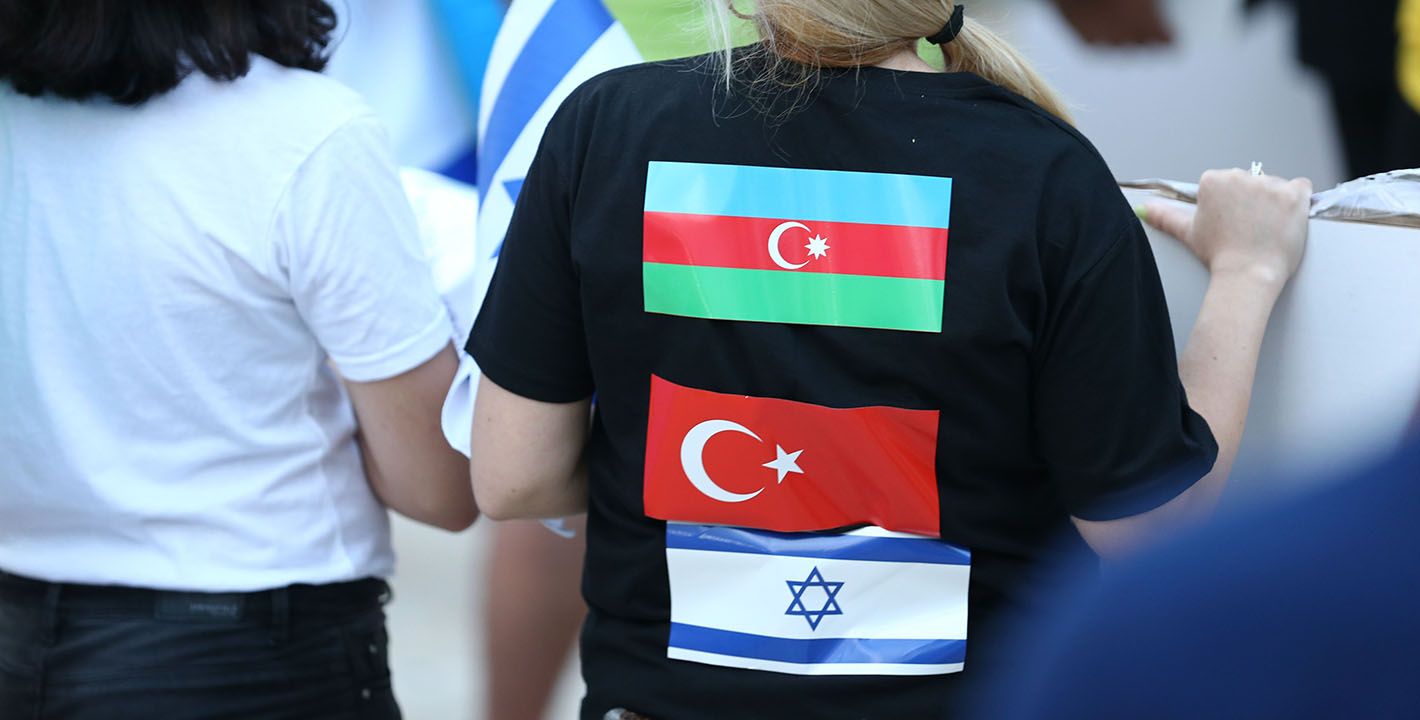
The country’s leadership is increasingly uneasy about multiple challenges from the Levant to the South Caucasus.

Armenak Tokmajyan
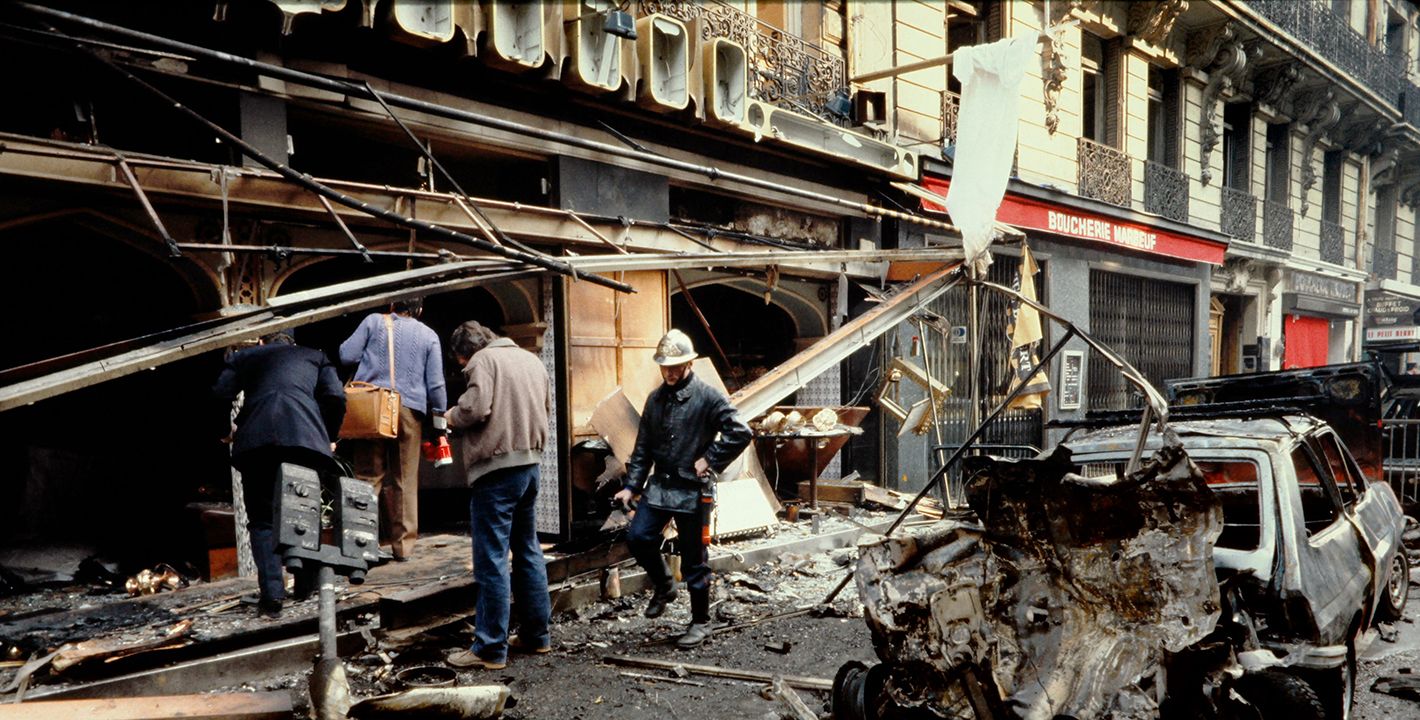
In an interview, Daniela Richterova speaks about her book on Czechoslovakia’s Cold War ties to Palestinian groups and others.

Michael Young
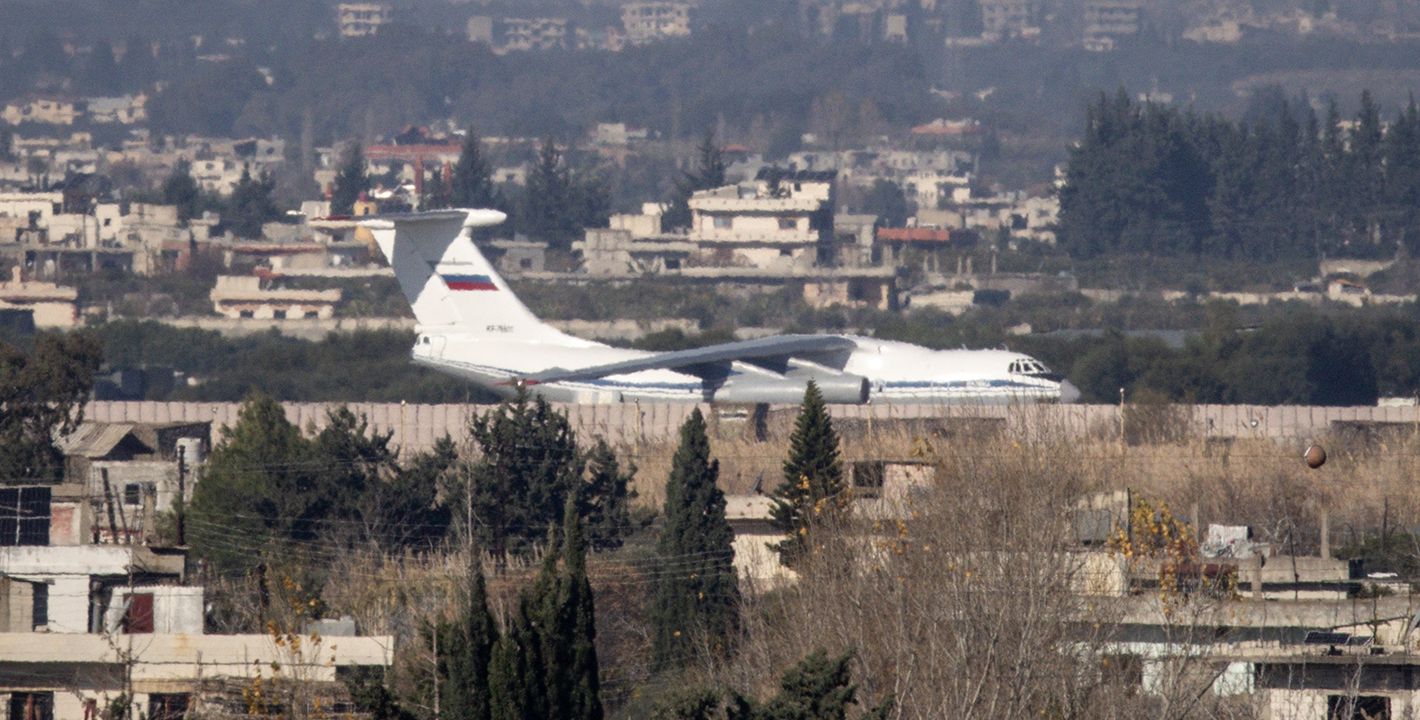
The downfall of the Assad regime represented a setback, but Russia’s primary focus remains Ukraine.
Sergei Melkonian
Why did Bashar al-Assad’s armed forces fail to act, unlike those in Egypt, Libya, Algeria, and Sudan?

Yezid Sayigh
Spot analysis from Carnegie scholars on events relating to the Middle East and North Africa.
Armenak Tokmajyan