

Research
- +4
Milan Vaishnav, Rahul Verma, Rukmini S., …
{
  "authors": [
    "Christophe Jaffrelot"
  ],
  "type": "legacyinthemedia",
  "centerAffiliationAll": "",
  "centers": [
    "Carnegie Endowment for International Peace"
  ],
  "collections": [],
  "englishNewsletterAll": "",
  "nonEnglishNewsletterAll": "",
  "primaryCenter": "Carnegie Endowment for International Peace",
  "programAffiliation": "",
  "programs": [],
  "projects": [],
  "regions": [
    "South Asia",
    "India"
  ],
  "topics": []
}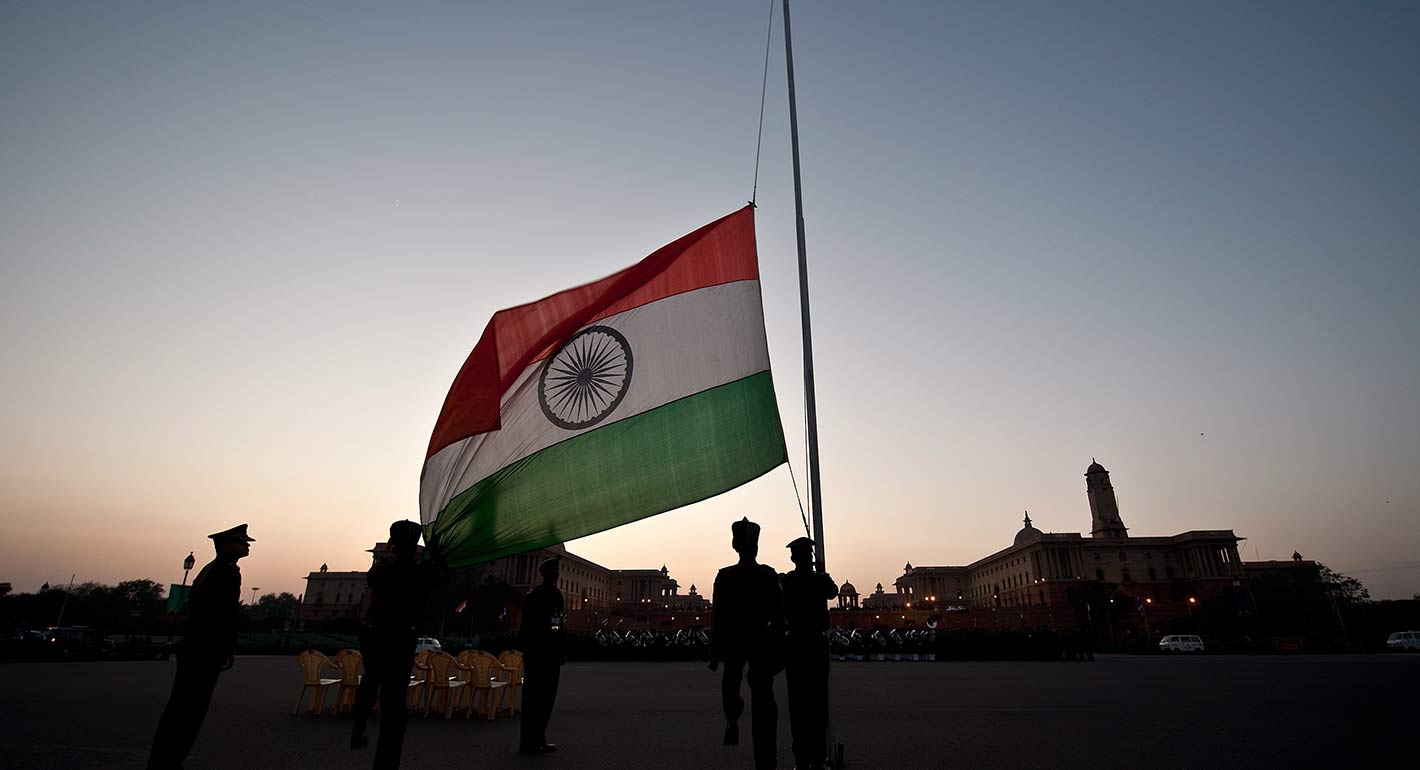
Source: Getty
History got accelerated in the wake of the BJP’s second electoral victory due to the fact that governments can more easily make big decisions immediately after they received a mandate from the voters and the severity of the economic slowdown.
Source: Wire
Indeed, we had not seen such a popular protest since the Anna Hazare movement 10 years ago. In fact, some of those who had demonstrated then may well be on the streets again – except, of course, those belonging to the Sangh parivar, who played such an important role in the Hazare movement, and except Anna Hazare himself.
What strikes me is the over representation of young Indians – girls as well as boys – in this movement, something we may also explain by the economic crisis as the youth is the primary casualty of joblessness.
And this feature calls to mind another comparison, with the mass demonstrations initiated by Mahatma Gandhi during the Freedom movement – non violence and civil disobedience were already the mottos at that time, and were already difficult to implement and maintain…
Former Nonresident Scholar, South Asia Program
Jaffrelot’s core research focuses on theories of nationalism and democracy, mobilization of the lower castes and Dalits (ex-untouchables) in India, the Hindu nationalist movement, and ethnic conflicts in Pakistan.
Recent Work

Milan Vaishnav, Rahul Verma, Rukmini S., …
Christophe Jaffrelot
Carnegie does not take institutional positions on public policy issues; the views represented herein are those of the author(s) and do not necessarily reflect the views of Carnegie, its staff, or its trustees.
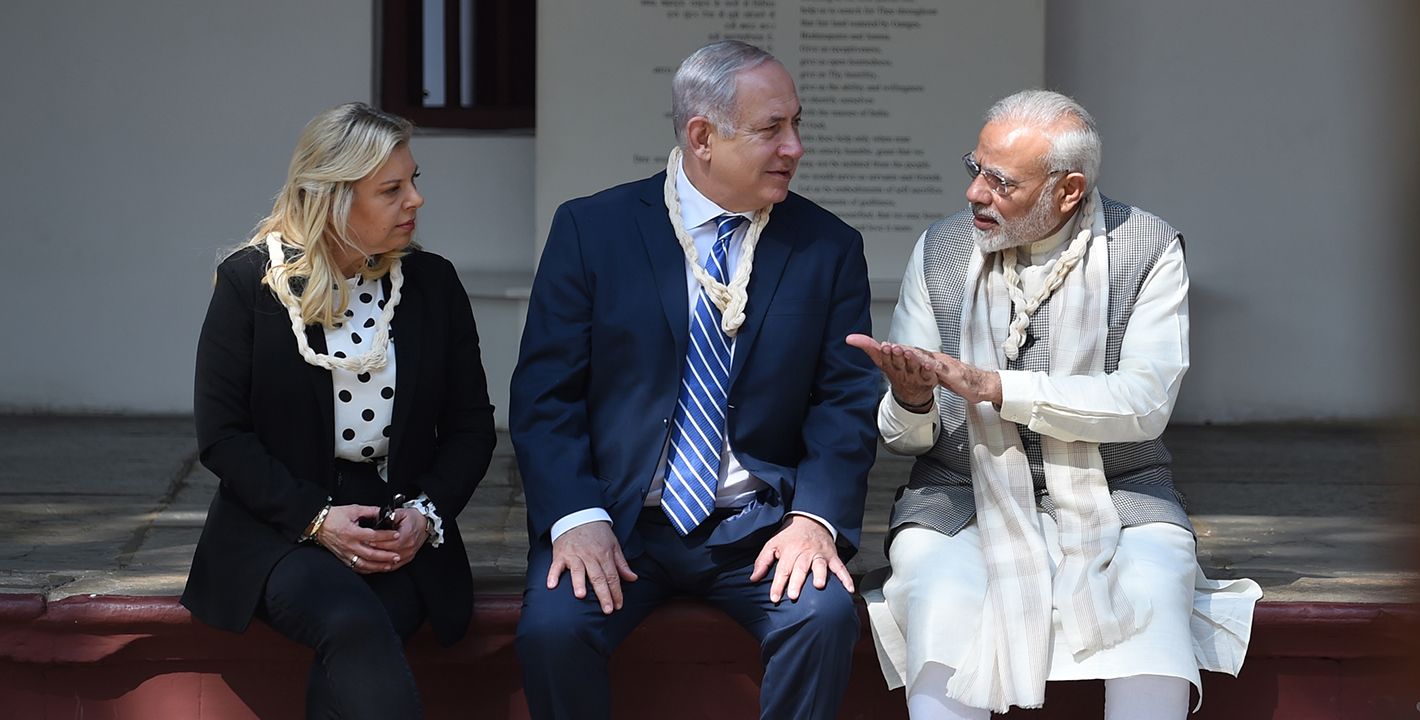
In an interview, Abhinav Pandya discusses the multiple facets of India’s ties with the Middle East.

Armenak Tokmajyan
The interaction of national armed forces and private business sectors offers a useful lens for viewing the politics of numerous countries of the so-called Global South. A rising trend of military political activism—often accompanied by military commercial activity—underlines the importance of drivers and outcomes in these relationships.

Yezid Sayigh, Hamza Meddeb
The Gulf Cooperation Council has shifted its energy export focus to Asia, particularly India and China. This is part of a broader shift as GCC members look to expand their geopolitical alliances away from the West.
Alexandre Kateb
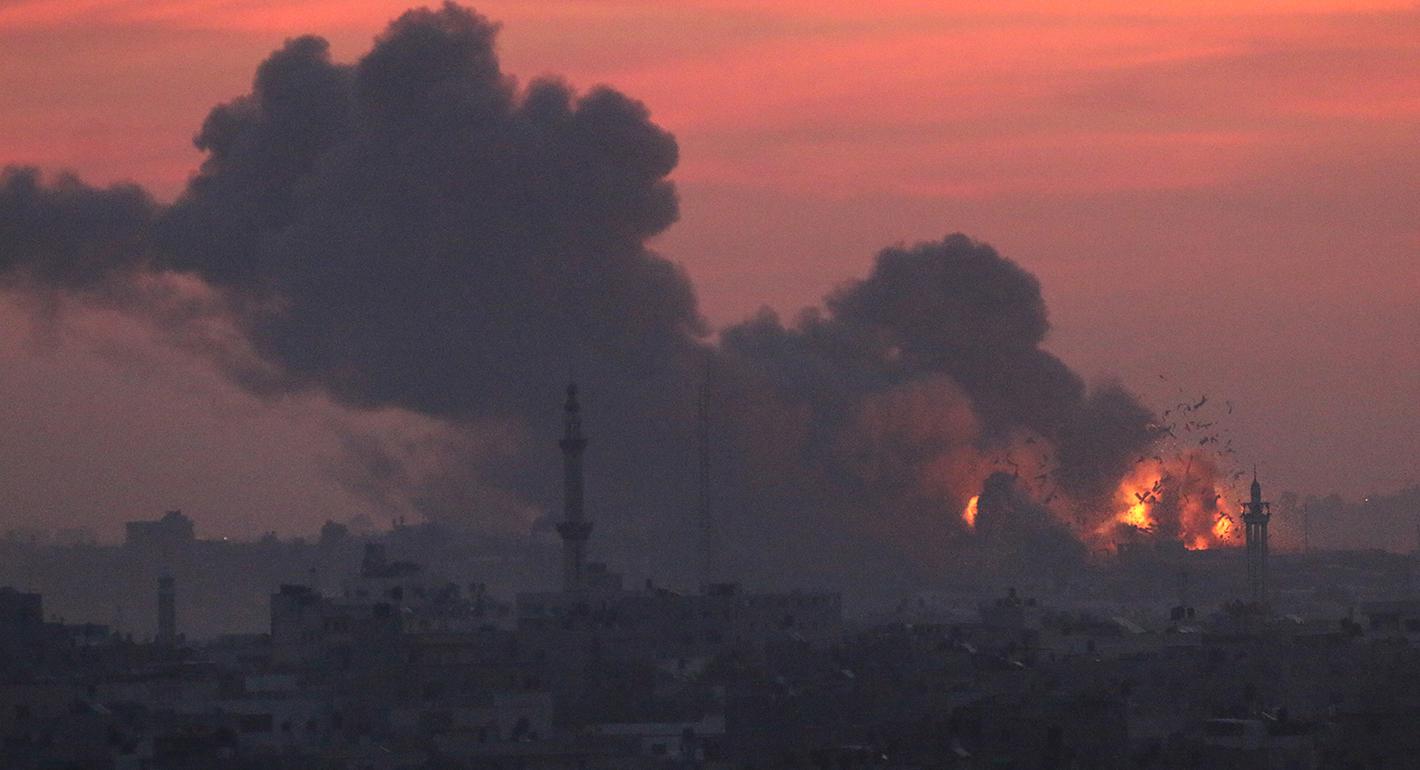
Scholars from Carnegie’s global network comment on how the ongoing conflict between Israelis and Palestinians is affecting their areas of interest, and what the implications of this may be.



Maha Yahya, Rosa Balfour, Judy Dempsey, …
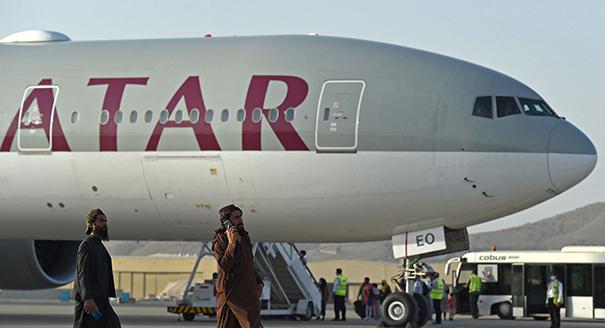
Turkey’s success in finding a role in Afghanistan could bring its leadership valuable benefits.

Marc Pierini