

Paper
Richard Youngs, Thomas Carothers
{
  "authors": [
    "Thomas Carothers"
  ],
  "type": "legacyinthemedia",
  "centerAffiliationAll": "",
  "centers": [
    "Carnegie Endowment for International Peace"
  ],
  "collections": [],
  "englishNewsletterAll": "",
  "nonEnglishNewsletterAll": "",
  "primaryCenter": "Carnegie Endowment for International Peace",
  "programAffiliation": "",
  "programs": [],
  "projects": [],
  "regions": [],
  "topics": [
    "Political Reform"
  ]
}
Source: Getty
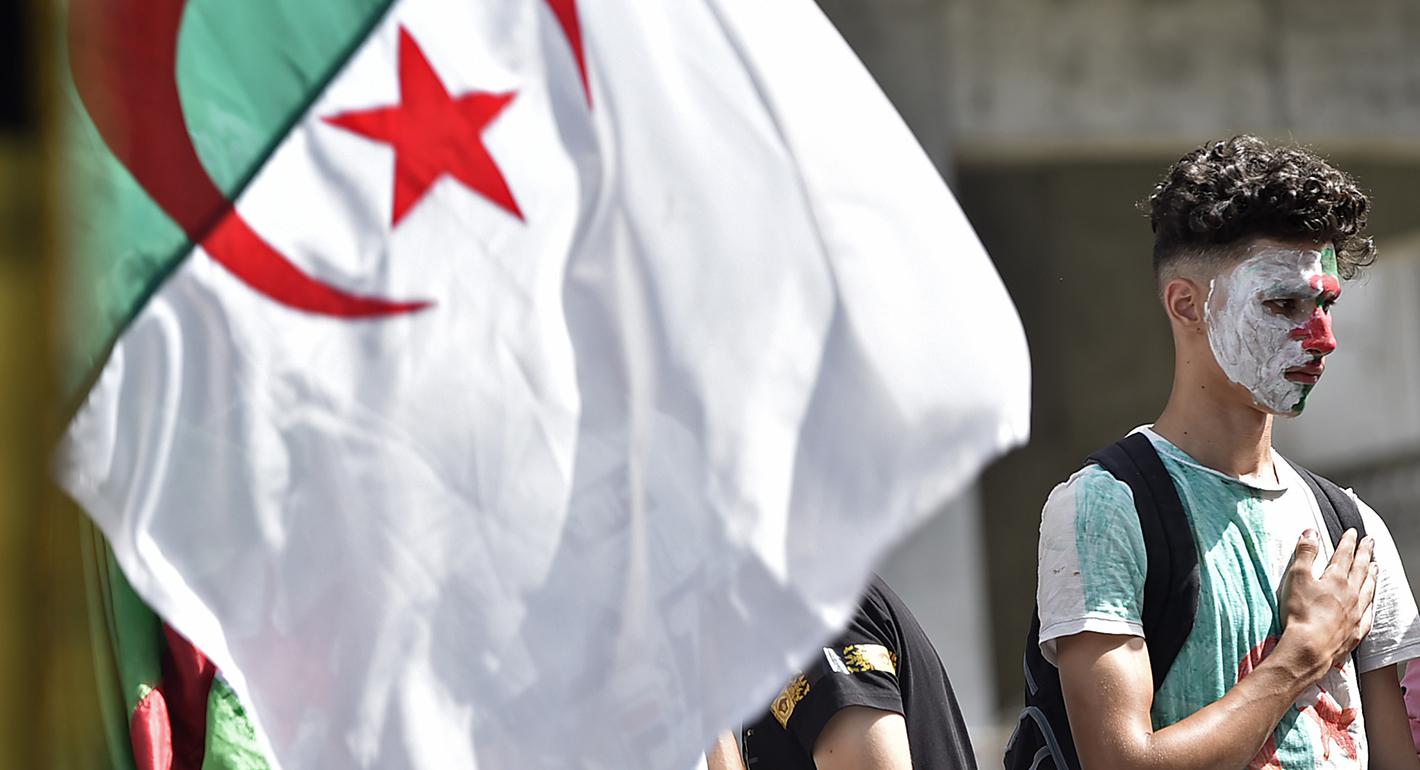
What the world is witnessing is less a crisis of democracy than a broader crisis of governance. The likely result is increased political flux across all types of political systems.
Source: Foreign Affairs
Gloom about the state of democracy pervades Washington and other Western capitals. Restless, insecure, and alienated citizens in many democracies are challenging their leaders on the streets, electing illiberal demagogues, or simply rejecting all of the political choices available to them. Meanwhile, China, Russia, and several other authoritarian powers are growing more assertive and self-confident, claiming that democracy’s time has passed and working to bolster fellow autocrats.
Yet all this attention on the decline of democracy has obscured a story that is just as important: many authoritarians, dictators, and other nondemocratic leaders are also in trouble. Just like their peers in free countries, many citizens in nondemocracies are deeply frustrated with their political systems and have in the last several years been acting on that unhappiness by challenging those in power. The central political dynamic of the current moment is thus not the gradual eclipsing of democracy by authoritarianism. It is, rather, the growing difficulty of political elites in all types of regimes to satisfy the demands of their citizens.

Harvey V. Fineberg Chair for Democracy Studies; Director, Democracy, Conflict, and Governance Program
Thomas Carothers, director of the Carnegie Endowment for International Peace’s Democracy, Conflict, and Governance Program, is a leading expert on comparative democratization and international support for democracy.
Recent Work

Richard Youngs, Thomas Carothers

Thomas Carothers, McKenzie Carrier
Carnegie does not take institutional positions on public policy issues; the views represented herein are those of the author(s) and do not necessarily reflect the views of Carnegie, its staff, or its trustees.
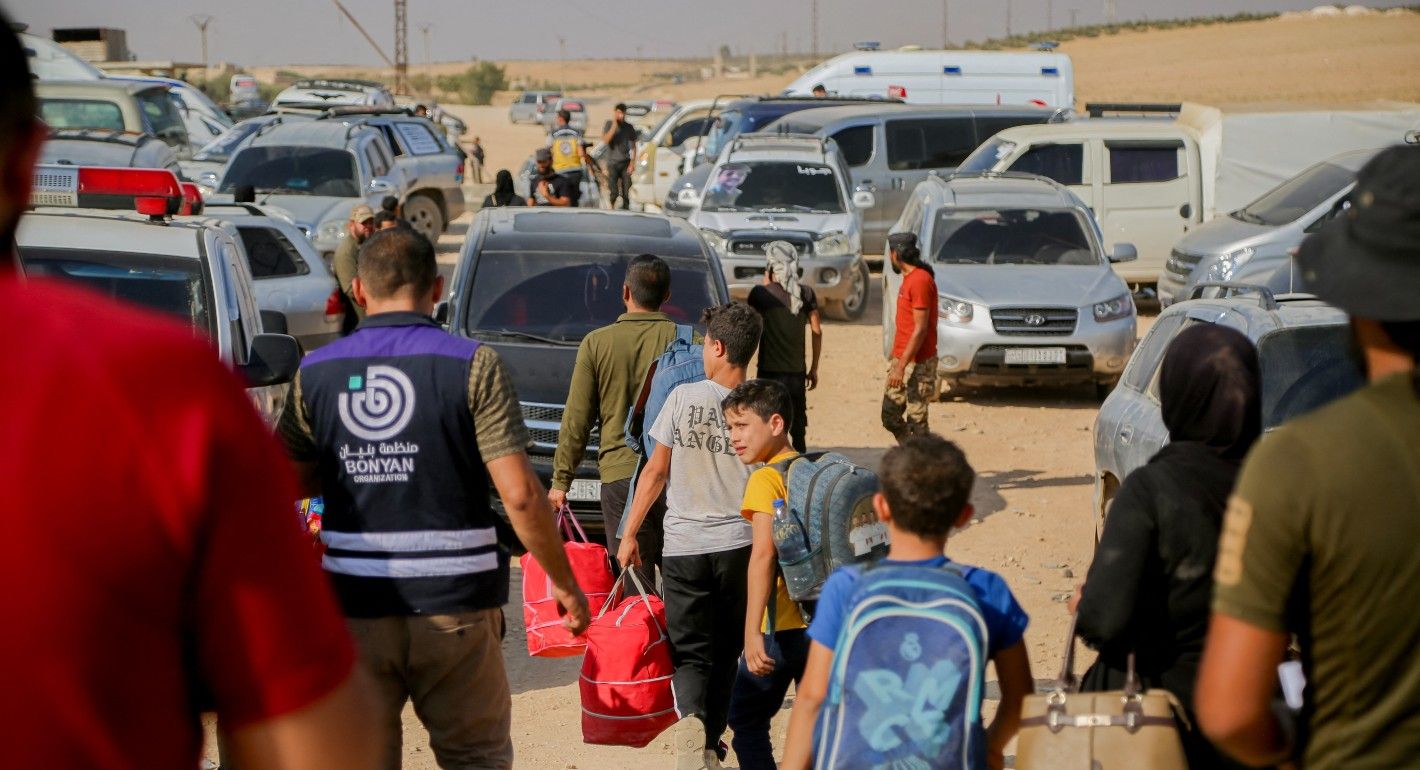
A humanitarian crisis in Lebanon deepens, and Syrian refugees face a perilous choice: remain in a war-torn environment or return to Syria where they risk encountering significant dangers and discrimination. There are significant challenges and risks to their search for safety in Syria.
Haid Haid
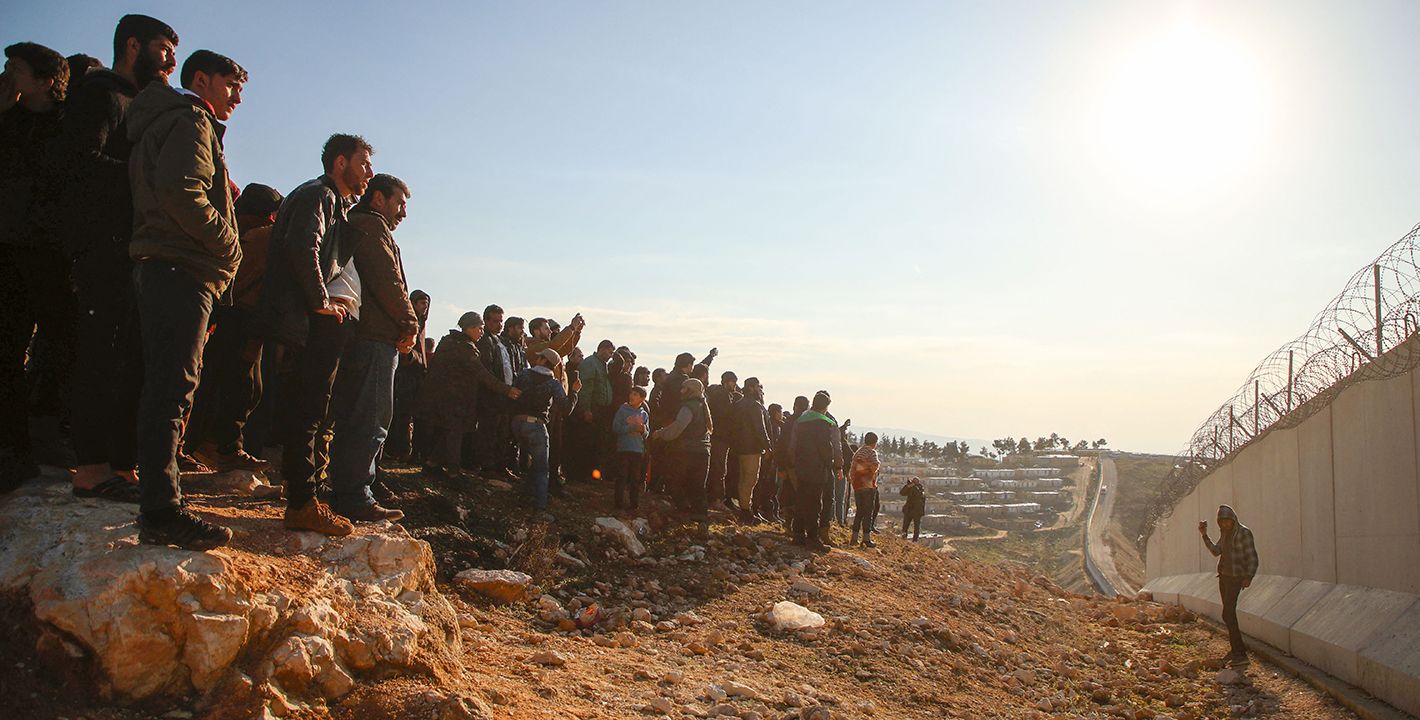
In Syria’s border regions, changes in demographics, economics, and security mean that an inter-Syrian peace process will require consensus among main regional powers that Syria must remain united, that no one side can be victorious, and that perennial instability threatens the region.


Kheder Khaddour, Armenak Tokmajyan
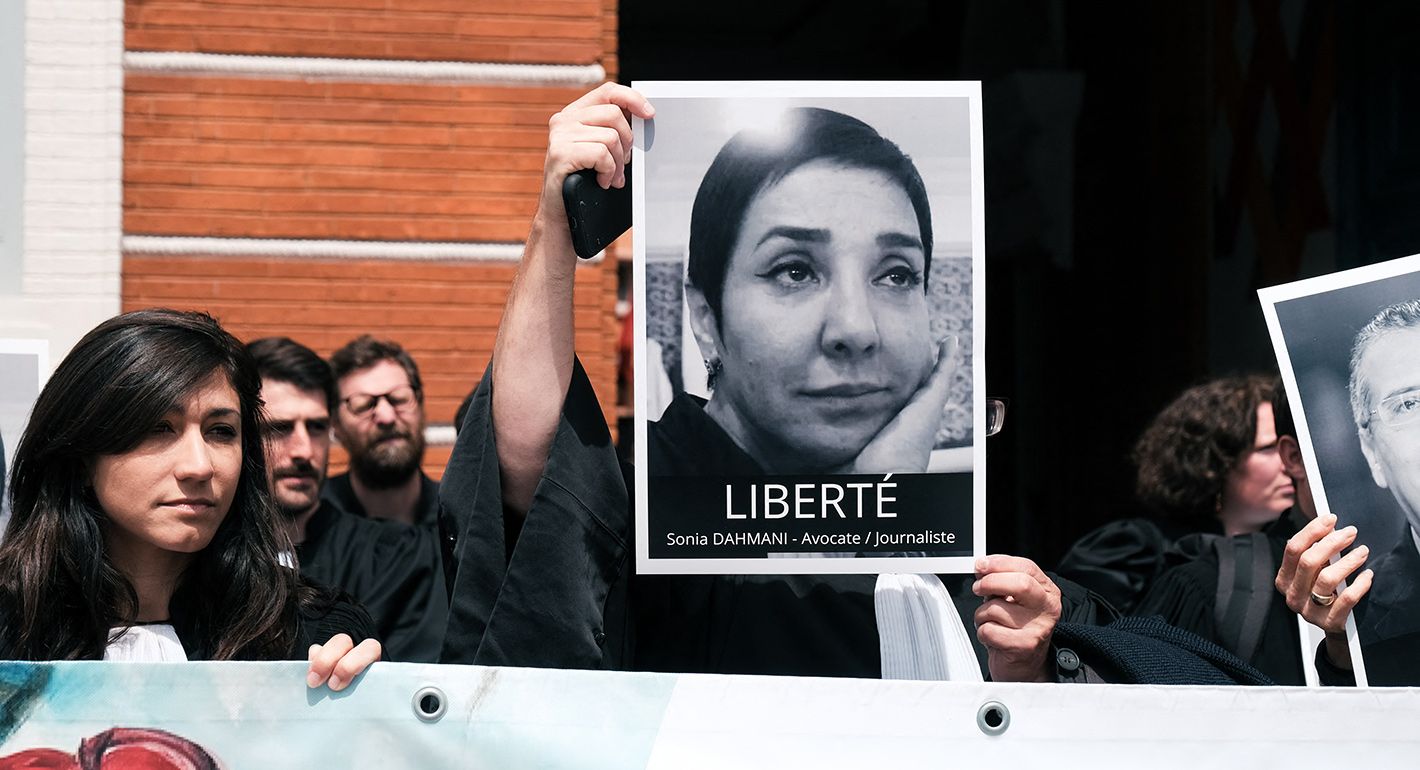
For many in the society, the post-Ben Ali years were mainly about successive economic crises and political instability.
Jasmine Khelil
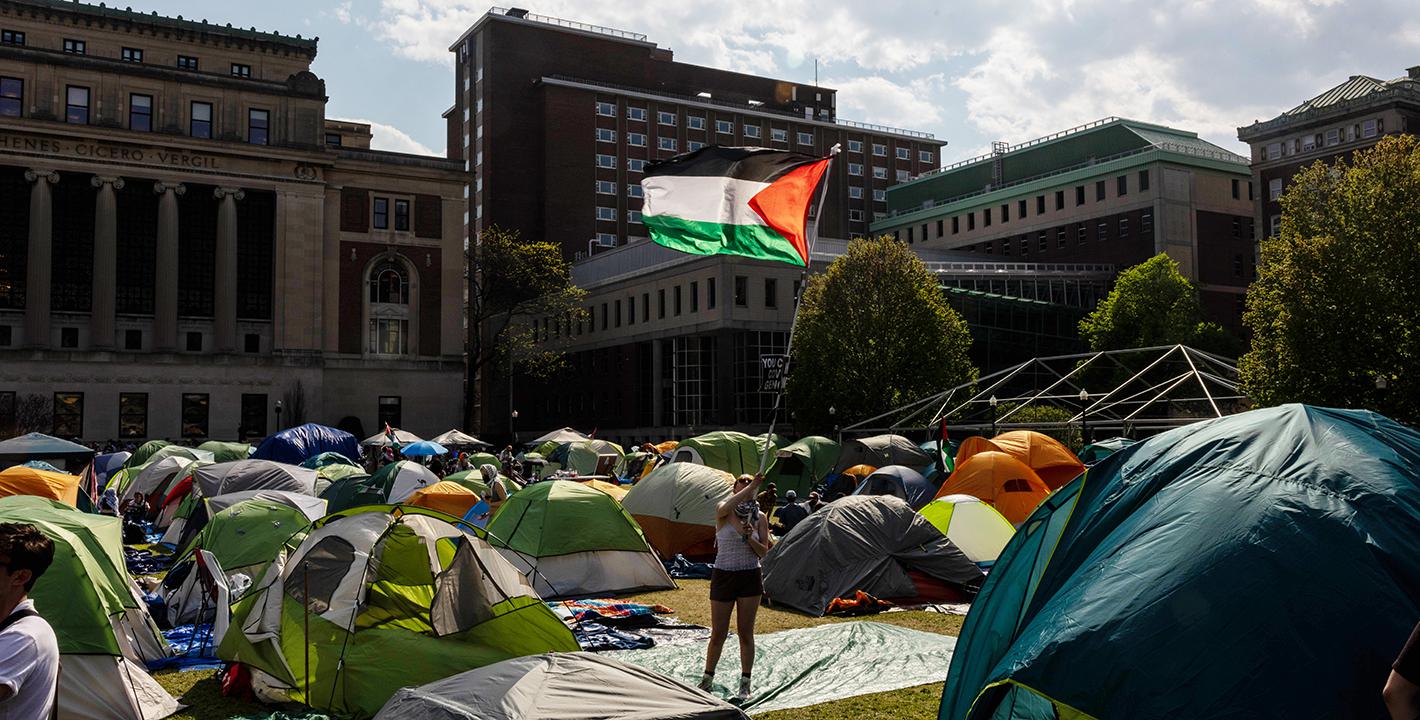
As students around the United States and Europe protest, the relationship of Western elites with Israel is being redefined.

Michael Young
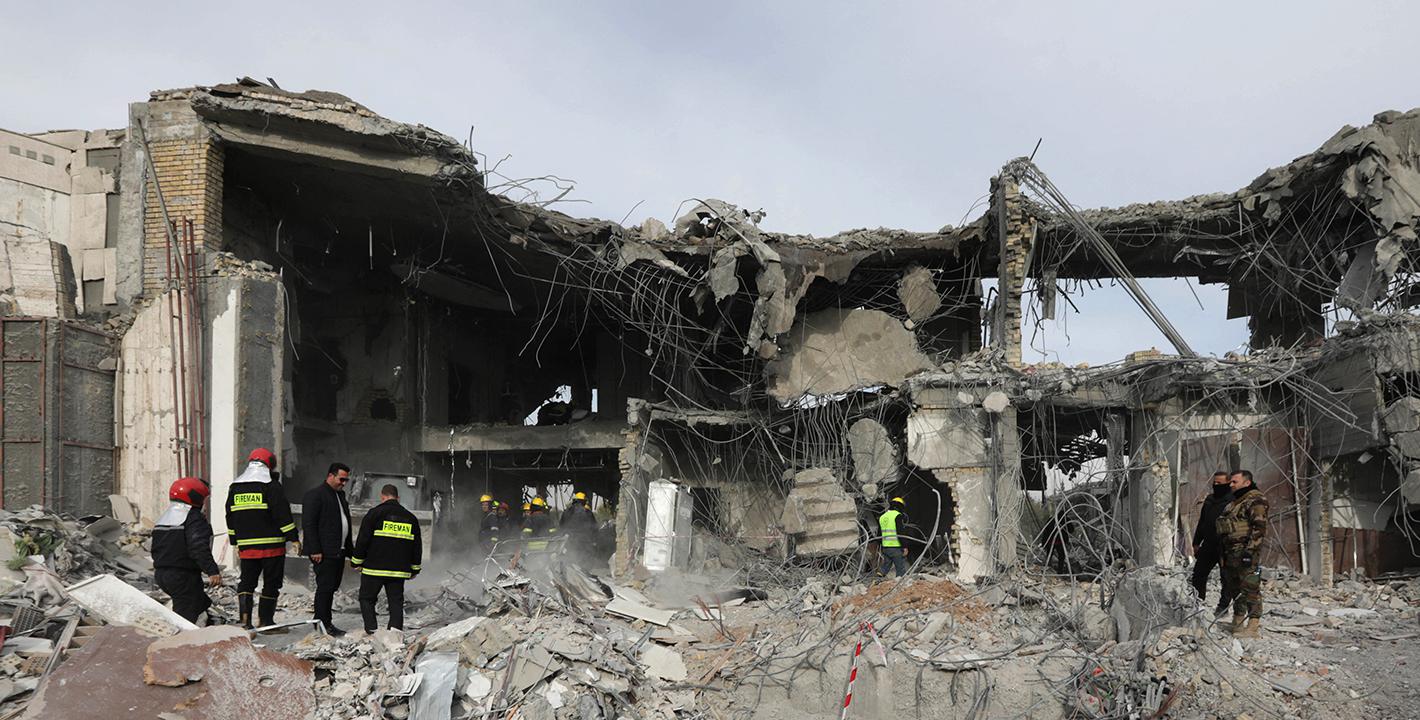
When U.S. Patriots shot down an Iranian missile over Erbil on April 15, Kurds wondered why such defenses weren’t activated when they were attacked.
Wladimir van Wilgenburg