

Commentary
In an interview, Marc Lynch discusses his new book decrying the post-1990 U.S.-dominated order in the Middle East.
Michael Young
{
  "authors": [
    "Togzhan Kassenova",
    "Lucas Perez Florentino",
    "Matias Spektor"
  ],
  "type": "other",
  "centerAffiliationAll": "dc",
  "centers": [
    "Carnegie Endowment for International Peace"
  ],
  "collections": [],
  "englishNewsletterAll": "ctw",
  "nonEnglishNewsletterAll": "",
  "primaryCenter": "Carnegie Endowment for International Peace",
  "programAffiliation": "NPP",
  "programs": [
    "Nuclear Policy"
  ],
  "projects": [],
  "regions": [
    "North America",
    "South America"
  ],
  "topics": [
    "Nuclear Policy",
    "Nuclear Energy"
  ]
}
Source: Getty
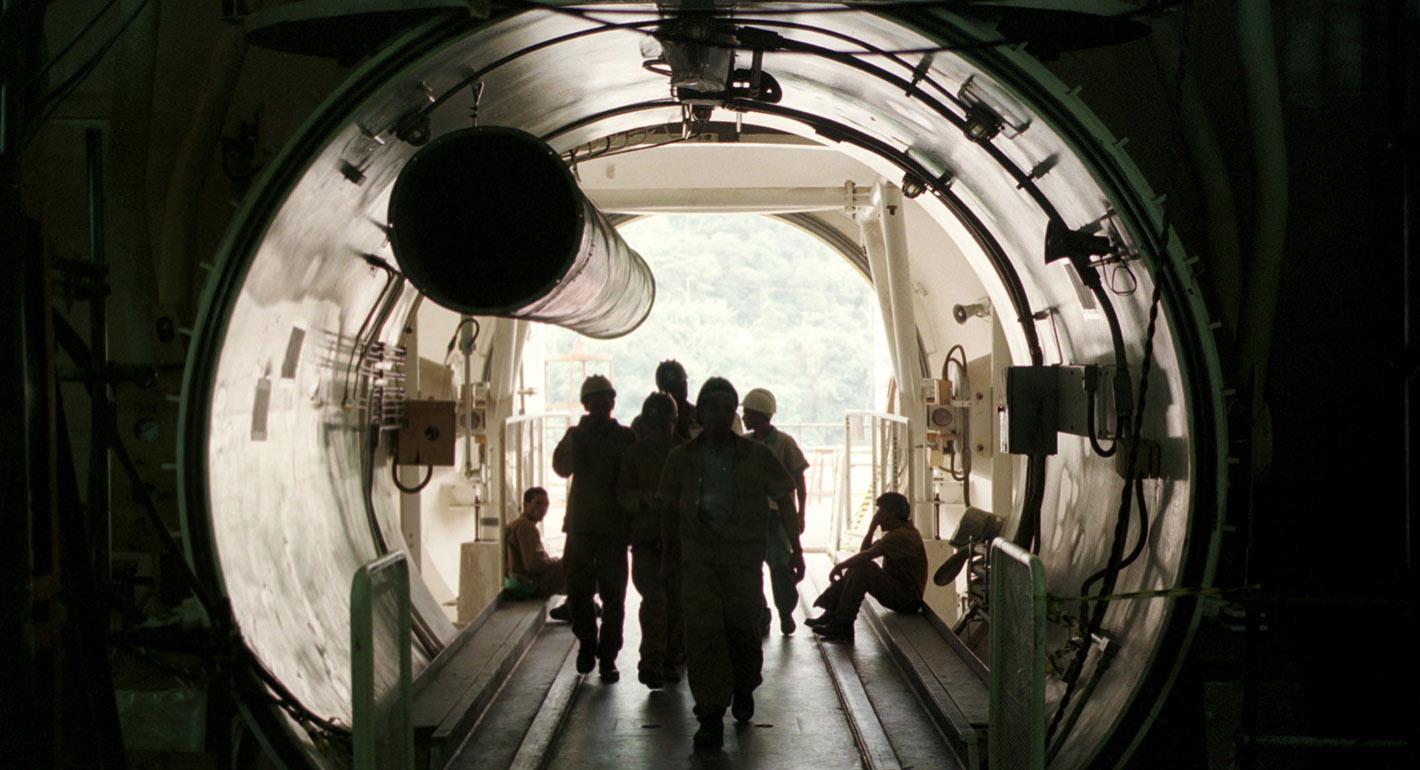
Brazil’s nuclear policy is at a critical juncture. Efforts to reform the sector’s governance will have serious implications for nuclear safety and security, the private sector, civilian-military relations, policy accountability, and the future prospects of Brazil’s nuclear capabilities.
Source: FGV School of International Relations
Brazil’s nuclear policy is at a critical juncture. As existing capabilities expand, successive administrations have in recent years engaged in a multi-stakeholder process to reform the rules and institutions governing the sector. The outcome will have serious implications for nuclear safety and security, the private sector, civilian-military relations, policy accountability, and the future prospects of Brazil’s nuclear capabilities. This is the first attempt to our knowledge to systematically and independently assess the status of these profound transformations, through in-depth consultations across the board.
The full report was originally published by the FGV School of International Relations.
Former Nonresident Fellow, Nuclear Policy Program
Kassenova was a nonresident fellow in the Nuclear Policy Program at the Carnegie Endowment.
Lucas Perez Florentino
Former Nonresident Scholar, Sustainability, Climate, and Geopolitics Program
Matias Spektor was a nonresident scholar affiliated with the Sustainability, Climate, and Geopolitics Program at the Carnegie Endowment for International Peace.
Carnegie does not take institutional positions on public policy issues; the views represented herein are those of the author(s) and do not necessarily reflect the views of Carnegie, its staff, or its trustees.
In an interview, Marc Lynch discusses his new book decrying the post-1990 U.S.-dominated order in the Middle East.

Michael Young
The interaction of national armed forces and private business sectors offers a useful lens for viewing the politics of numerous countries of the so-called Global South. A rising trend of military political activism—often accompanied by military commercial activity—underlines the importance of drivers and outcomes in these relationships.

Yezid Sayigh, Hamza Meddeb
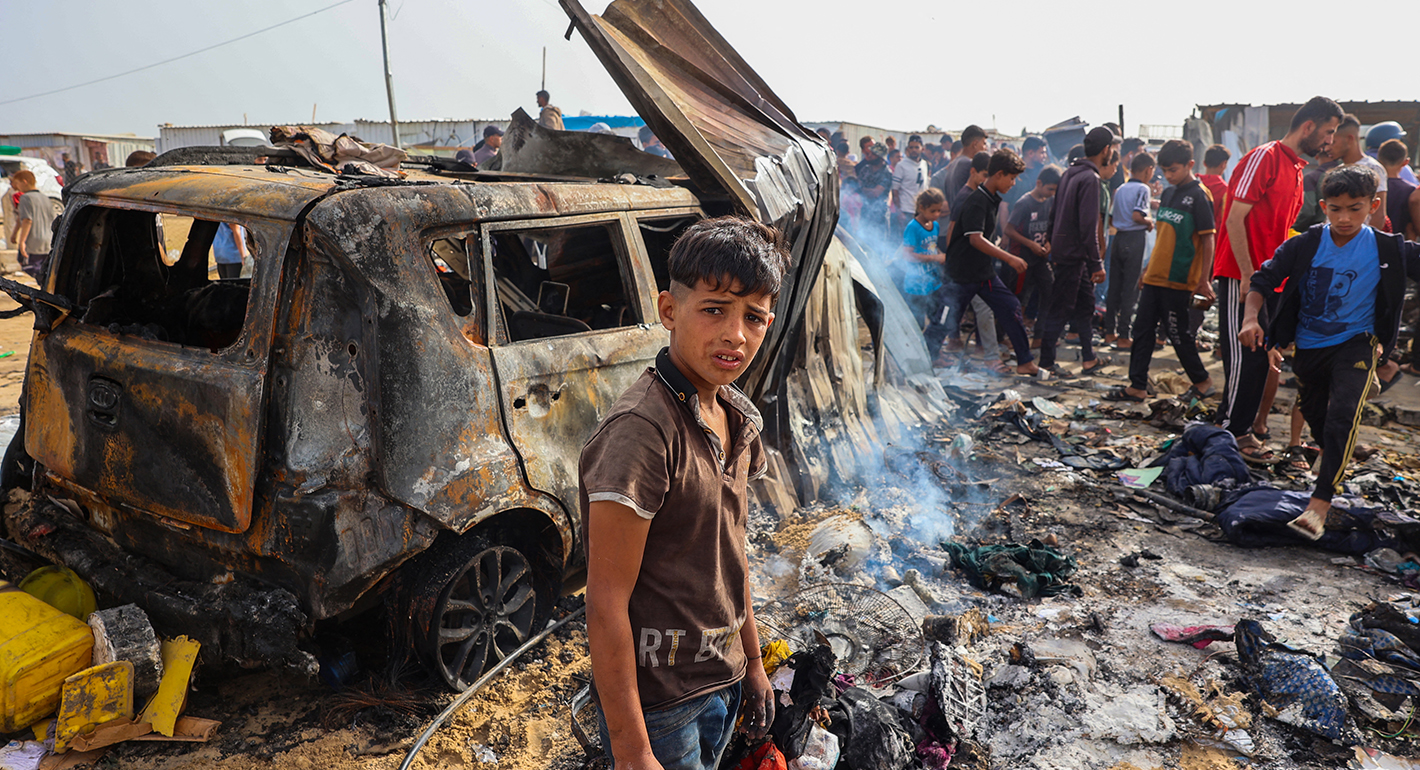
The Biden administration’s plan for the “day after” in Gaza would be disastrous without the promise of Palestinian statehood.
Yezid Sayigh
In an interview, H. A. Hellyer talks about international justice as the ICC prosecutor seeks to pursue Israeli officials.
Michael Young

Antony Blinken took his guitar to Kyiv to lift the spirits of Ukrainians, but Arabs are apparently denied his tunes.
Michael Young