

Commentary
In an interview, Salim Adib discusses Lebanon’s management of Covid-19, and expresses some hope for the future.
Michael Young
{
  "authors": [
    "Alexander Gabuev",
    "Steve Feldstein",
    "Leonid Kovachich",
    "Paul Stronski"
  ],
  "type": "commentary",
  "centerAffiliationAll": "",
  "centers": [
    "Carnegie Endowment for International Peace",
    "Carnegie Russia Eurasia Center"
  ],
  "collections": [
    "Pax Sinica",
    "Coronavirus"
  ],
  "englishNewsletterAll": "",
  "nonEnglishNewsletterAll": "",
  "primaryCenter": "Carnegie Endowment for International Peace",
  "programAffiliation": "",
  "programs": [],
  "projects": [],
  "regions": [],
  "topics": []
}
Source: Getty
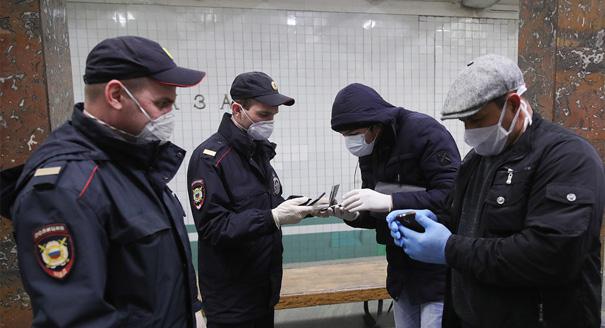
The coronavirus pandemic has prompted renewed global debate over the use of technology to monitor and protect the public. Host Alex Gabuev is joined by Leonid Kovachich, Paul Stronski, and Steven Feldstein.
China deployed an array of digital surveillance tools as part of its response to the coronavirus outbreak. Russia is trying to use similar technology but with mixed results. The rapid embrace of such tools is sparking an international debate about the impact on privacy and the need for protections and oversight. In this episode of the Carnegie Moscow Center podcast, Alex Gabuev discusses how digital surveillance tools and facial recognition technologies are being used in the post-Soviet space in the age of COVID-19 with China watcher Leonid Kovachich; Paul Stronski, a senior fellow in the Carnegie Endowment’s Russia and Eurasia Program; and Steven Feldstein, a nonresident fellow in the Carnegie Endowment's Democracy, Conflict, and Governance Program.
Listen or download: SoundCloud | Subscribe: iTunes, Google Podcasts, Google Play, Spotify, RSS

Director, Carnegie Russia Eurasia Center
Alexander Gabuev is director of the Carnegie Russia Eurasia Center. Gabuev’s research is focused on Russian foreign policy with particular focus on the impact of the war in Ukraine and the Sino-Russia relationship. Since joining Carnegie in 2015, Gabuev has contributed commentary and analysis to a wide range of publications, including the Financial Times, the New York Times, the Wall Street Journal, and the Economist.

Director and Senior Fellow, Democracy, Conflict, and Governance Program
Steve Feldstein is a senior fellow and director of the Democracy, Conflict, and Governance Program at the Carnegie Endowment for International Peace. His research focuses on technology, national security, the global context for democracy, and U.S. foreign policy. His new book, Bytes and Bullets: Global Rivalry, Private Tech, and the New Shape of Modern Warfare, is now available from St. Martin’s Press.
Leonid Kovachich
Leonid Kovachich is a Moscow-based China watcher. He is a regular contributor to Carnegie.ru and the Russian International Affairs Council.

Former Senior Fellow, Russia and Eurasia Program
Paul Stronski was a senior fellow in Carnegie’s Russia and Eurasia Program, where his research focuses on the relationship between Russia and neighboring countries in Central Asia and the South Caucasus.
Carnegie does not take institutional positions on public policy issues; the views represented herein are those of the author(s) and do not necessarily reflect the views of Carnegie, its staff, or its trustees.

In an interview, Salim Adib discusses Lebanon’s management of Covid-19, and expresses some hope for the future.

Michael Young

In an interview, Sherif Mohyeldeen discusses the challenges of healthcare in Egypt’s border areas.
Michael Young

Pouring money into health infrastructure will have little effect if qualified doctors have few incentives to stay.
Sherif Mohyeldeen
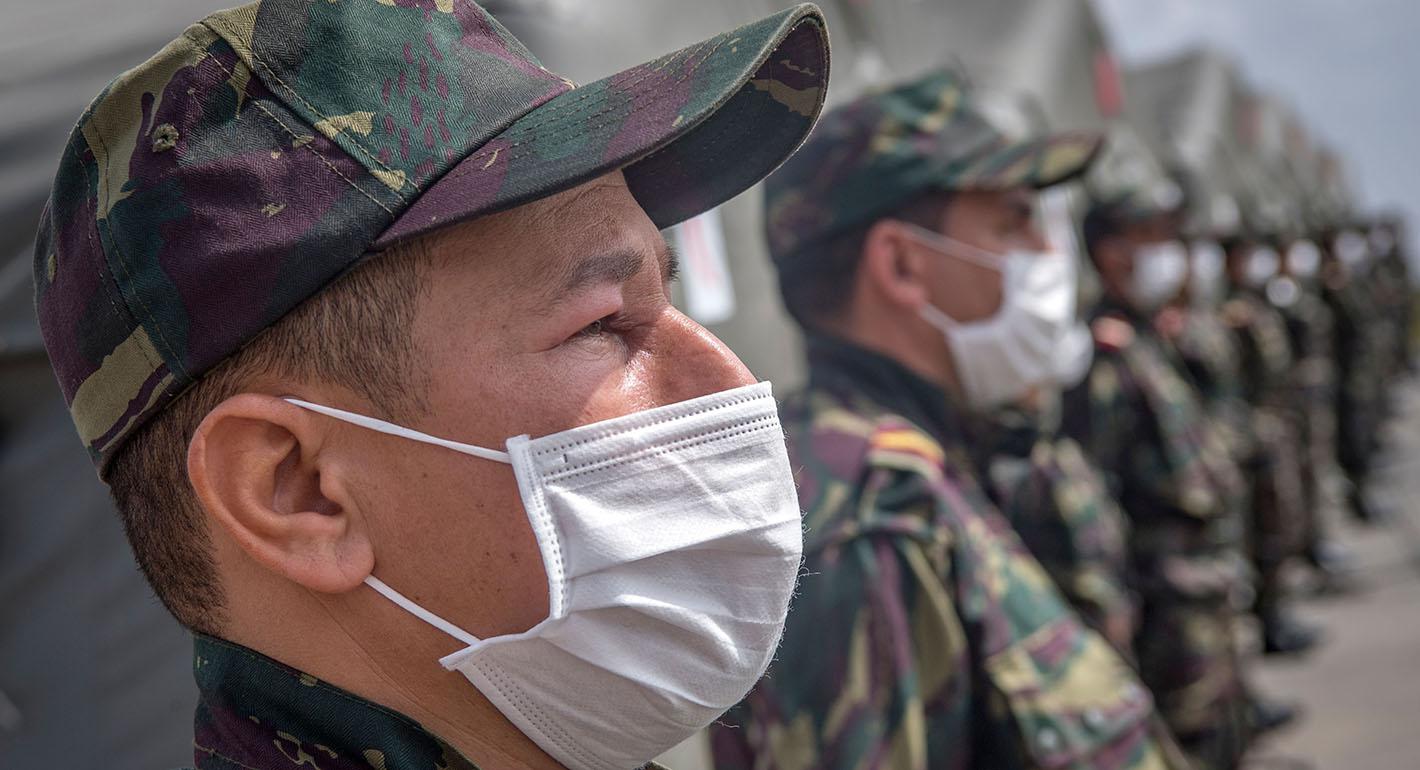
Many countries in the Middle East and North Africa still struggle to manage the coronavirus, but Morocco’s response suggests an important evolution in civil-military relations.
Mohammed Masbah

The American University of Beirut can serve as an example to a crisis-ridden higher education sector in the United States.

Marwan Muasher, Susan Resneck Pierce