• Research
  • Diwan
  • About
  • Experts
Carnegie Middle East logoCarnegie lettermark logo
LebanonIran
{
  "authors": [
    "Milan Vaishnav",
    "Bilal Baloch"
  ],
  "type": "other",
  "centerAffiliationAll": "dc",
  "centers": [
    "Carnegie Endowment for International Peace"
  ],
  "collections": [],
  "englishNewsletterAll": "",
  "nonEnglishNewsletterAll": "",
  "primaryCenter": "Carnegie Endowment for International Peace",
  "programAffiliation": "SAP",
  "programs": [
    "South Asia"
  ],
  "projects": [
    "India Elects 2019"
  ],
  "regions": [
    "South Asia",
    "India"
  ],
  "topics": [
    "Political Reform"
  ]
}

Source: Getty

Other

The Consequences of the 2019 Indian General Election for Politics and Policy in India

How a second Narendra Modi-led BJP government affects the party system, minority rights, the economy, and federalism in India.

Link Copied
By Milan Vaishnav and Bilal Baloch
Published on May 19, 2020
Project hero Image

Project

India Elects 2019

India Elects 2019 provides expert analysis on India’s national elections and their impact on the country’s economy, domestic policy, and foreign relations. It brings together insights from Carnegie’s experts in Washington, New Delhi, and around the world.

Learn More

Source: India Review

India’s 2019 general election was undeniably a watershed moment in the country’s post–independence political history. Despite concerns about a slumping economy, the baggage of anti–incumbency, and greater opposition coordination, the Bharatiya Janata Party (BJP) of Prime Minister Narendra Modi cruised to victory, attaining a second consecutive single–party majority in the Lok Sabha (lower house of Parliament). Indeed, it was the first time that a non–Congress government had been brought back to power since 1947. And the BJP did so in an election that saw voter turnout hit an all–time high (67.2 percent) and in which the party dominated its opponents on nearly every score.1 According to survey data compiled by the Lokniti Program of the Center for the Study of Developing Societies (CSDS), the BJP triumphed in both rural and urban areas, across Hindu caste groups, among voters of all classes, and in all four corners of the country.

The BJP’s 2014 and 2019 general election victories, coupled with the party’s meticulous expansion at the state–level and approaching majority in the Rajya Sabha (indirectly–elected upper house of Parliament), firmly establish it as the central pole around which politics in India now revolves. If the party’s victory in 2014 raised doubts about the resilience of India’s coalition–based “third party system,” the 2019 election decisively shattered the idea that 2014 was a “black swan” election — a lone aberration rather than the dawn of a new era.2

Under the watchful gaze of Modi and party president Amit Shah, the BJP amply demonstrated its electoral vigor, organizational robustness, fundraising prowess, and narrative–shaping ability. It has also shown its ability to flex its ideological muscle. The twin forces of Hindu nationalism and what Suhas Palshikar calls a “new developmentalism” constitute the two pillars of its ideological vision for a Naya (new) India.3 Both factors helped propel the party back to power, and both have also been on display in the aftermath of the election.

Read Full text

This piece was originally published in the India Review.

Footnotes

1. Election Commission of India.

2. Milan Vaishnav and Jamie Hintson, “The Dawn of India’s Fourth Party System,” Carnegie Endowment for International Peace (September, 2019), https://carnegieendowment.org/files/201909-VaishnavHintson.pdf (accessed September 22, 2019).

3. Suhas Palshikar, “Towards Hegemony,” Economic and Political Weekly 53, no. 33, (August 18, 2018): 36–42.

About the Authors

Milan Vaishnav

Director and Senior Fellow, South Asia Program

Milan Vaishnav is a senior fellow and director of the South Asia Program and the host of the Grand Tamasha podcast at the Carnegie Endowment for International Peace. His primary research focus is the political economy of India, and he examines issues such as corruption and governance, state capacity, distributive politics, and electoral behavior. He also conducts research on the Indian diaspora.

Bilal Baloch

Former Visiting Fellow

Bilal Baloch was a visiting fellow at Carnegie India where his research focuses on the political economy of government behavior in India and other developing democracies.

Authors

Milan Vaishnav
Director and Senior Fellow, South Asia Program
Milan Vaishnav
Bilal Baloch
Former Visiting Fellow
Political ReformSouth AsiaIndia

Carnegie does not take institutional positions on public policy issues; the views represented herein are those of the author(s) and do not necessarily reflect the views of Carnegie, its staff, or its trustees.

More Work from Malcolm H. Kerr Carnegie Middle East Center

  • Commentary
    Sada
    Navigating Danger: Syrian Refugees in Lebanon Risk Returning

    A humanitarian crisis in Lebanon deepens, and Syrian refugees face a perilous choice: remain in a war-torn environment or return to Syria where they risk encountering significant dangers and discrimination. There are significant challenges and risks to their search for safety in Syria.

      Haid Haid

  • Commentary
    Diwan
    Disquiet on the West Asian Front

    In an interview, Abhinav Pandya discusses the multiple facets of India’s ties with the Middle East.

      Armenak Tokmajyan

  • Paper
    Borders Without a Nation: Syria, Outside Powers, and Open-Ended Instability

    In Syria’s border regions, changes in demographics, economics, and security mean that an inter-Syrian peace process will require consensus among main regional powers that Syria must remain united, that no one side can be victorious, and that perennial instability threatens the region.

      Kheder Khaddour, Armenak Tokmajyan

  • Research
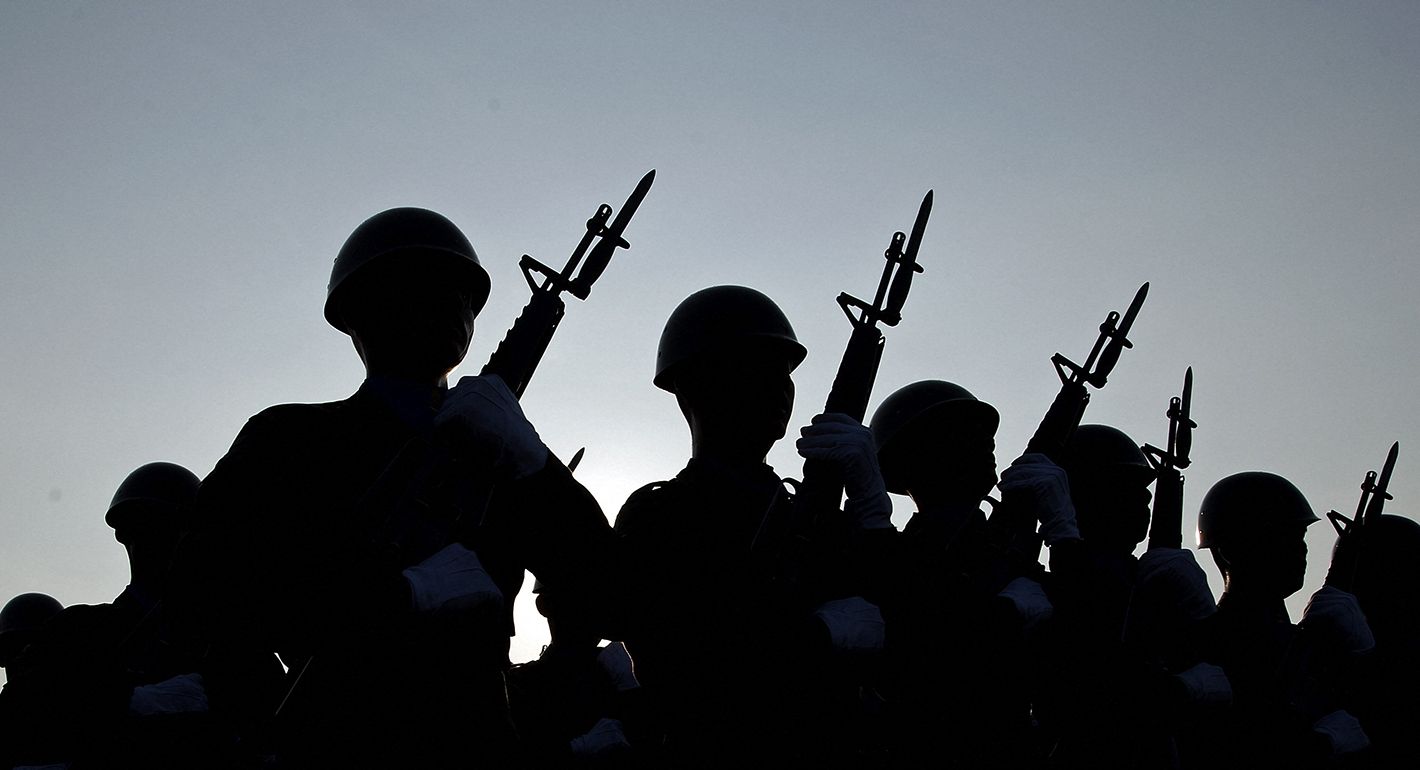
    The Military and Private Business Actors in the Global South: The Politics of Market Access

    The interaction of national armed forces and private business sectors offers a useful lens for viewing the politics of numerous countries of the so-called Global South. A rising trend of military political activism—often accompanied by military commercial activity—underlines the importance of drivers and outcomes in these relationships.

      Yezid Sayigh, Hamza Meddeb

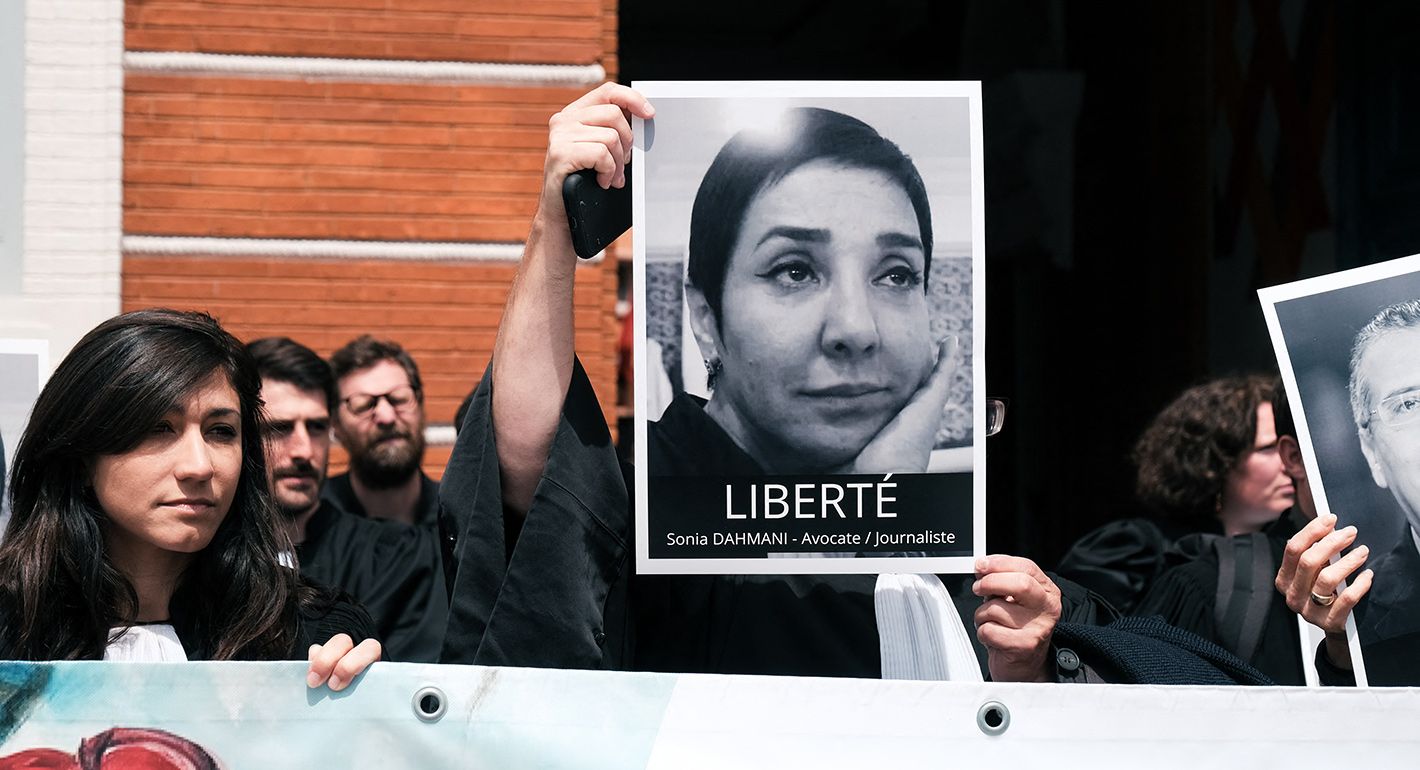
  • Rally organized by lawyers from the Toulouse Bar to protest against the arrest of their Tunisian colleague Sonia Dahmani and journalists, in front of the consulate in Toulouse, southwest of France, on May 16, 2024
    Commentary
    Diwan
    Why Tunisia Lost Faith in Democracy

    For many in the society, the post-Ben Ali years were mainly about successive economic crises and political instability.

      Jasmine Khelil

Get more news and analysis from
Malcolm H. Kerr Carnegie Middle East Center
Carnegie Middle East logo, white
  • Research
  • Diwan
  • About
  • Experts
  • Projects
  • Events
  • Contact
  • Careers
  • Privacy
  • For Media
Get more news and analysis from
Malcolm H. Kerr Carnegie Middle East Center
© 2026 Carnegie Endowment for International Peace. All rights reserved.