

Commentary
The country’s youthful protest movement is seeking economic improvement, social justice, and just a little hope.
Yasmine Zarhloule
{
  "authors": [
    "Thomas Carothers",
    "David Wong"
  ],
  "type": "commentary",
  "centerAffiliationAll": "dc",
  "centers": [
    "Carnegie Endowment for International Peace"
  ],
  "collections": [
    "Civic Activism",
    "Coronavirus"
  ],
  "englishNewsletterAll": "democracy",
  "nonEnglishNewsletterAll": "",
  "primaryCenter": "Carnegie Endowment for International Peace",
  "programAffiliation": "DCG",
  "programs": [
    "Democracy, Conflict, and Governance"
  ],
  "projects": [],
  "regions": [],
  "topics": [
    "Political Reform",
    "Democracy",
    "Civil Society"
  ]
}
Source: Getty
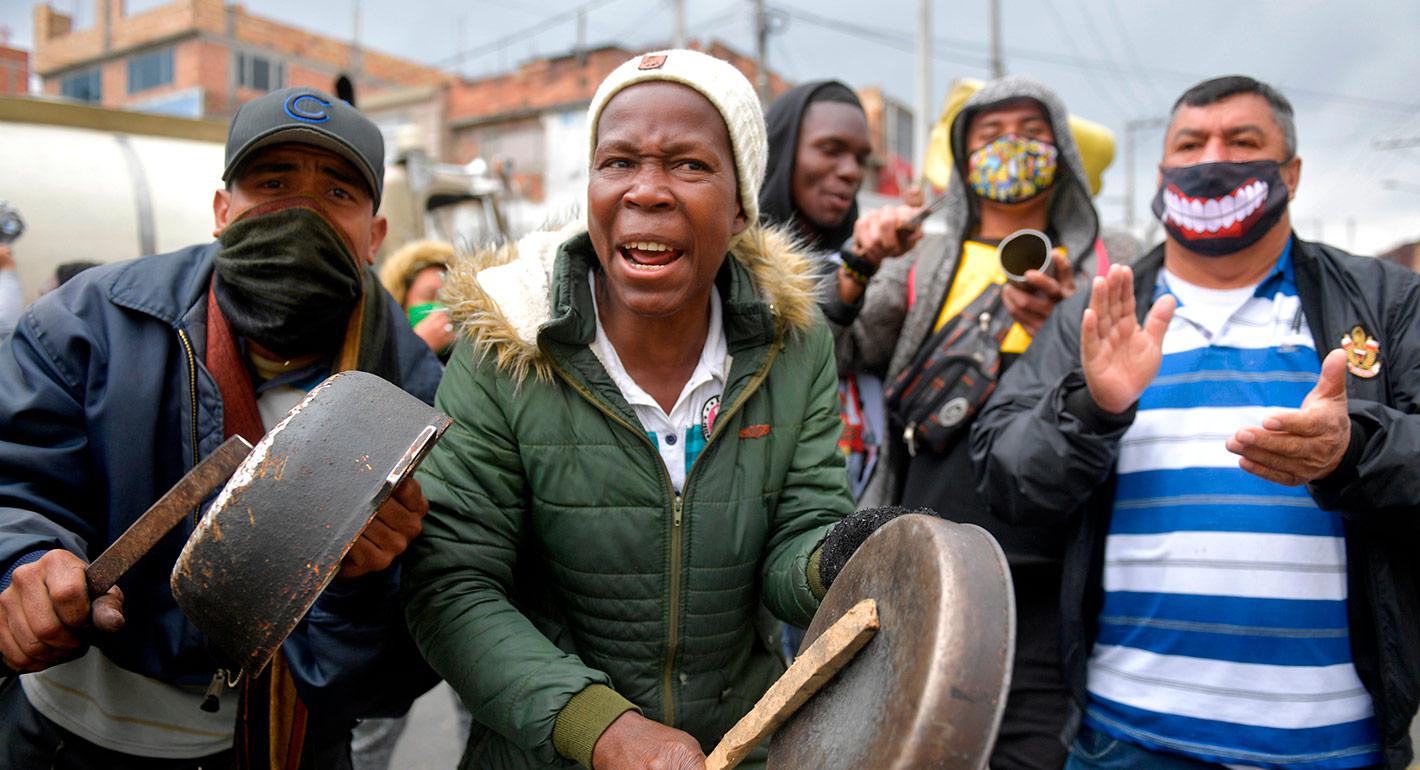
Many protest movements have adapted to coronavirus-related restrictions as they fold new public health and economic concerns into their lists of governance grievances.
The global wave of protests in recent years has run headlong into the unprecedented array of lockdowns governments have imposed on their citizens to combat the new coronavirus. Despite the predictions of some observers, however, thus far there has not been a uniform ebbing of protest activities. As a new update of the Global Protest Tracker helps illustrate, a more mixed picture is emerging.
Most major protests have indeed faltered or subsided. In France, there have been no news reports of yellow vest protests since mid-March, while unions in Colombia striking in opposition to President Iván Duque’s policies have had to cancel public marches. In New Delhi, authorities disbanded the women-led sit-in protest in the Shaheen Bagh neighborhood, which had become a central site of protests against the Citizenship Amendment Act that was passed into law last December.
Yet some protests have maintained their presence in public spaces. In Lebanon and Iraq, for example, protesters have continued to gather in the streets, though in lower numbers than in previous months. In Israel, several thousand citizens of diverse political affiliations assembled in Tel Aviv’s Rabin Square on April 19 to protest what they saw as the erosion of Israel’s democratic system under Prime Minister Benjamin Netanyahu.
Protesters in various countries have also changed their methods and focus to fit the new circumstances. In Chile, some citizens have created virtual murals to criticize government policies and projected images of recent demonstrations onto buildings and other public spaces. Some Hong Kong residents used the viral video game Animal Crossing to disseminate prodemocracy messages, resulting in the game’s removal from China’s most prominent e-commerce site. Meanwhile, in Algeria and Lebanon, protesters have delivered food to vulnerable populations, sanitized public areas, and distributed personal protective equipment—efforts that highlight the shortcomings of the countries’ healthcare and governance systems.
In addition, new protests directly related to the coronavirus have already emerged. In Brazil, Colombia, and other Latin American countries, citizens have banged pots and pans from their windows to express discontent with their governments’ responses. Elsewhere, economic concerns arising from the pandemic have driven citizens into the streets. Take India, where migrant workers stranded in major cities by the country’s lockdown have demonstrated to demand the payment of back wages and transport back to their local villages. In Malawi and in several U.S. states—including Michigan, Ohio, and Virginia—protests have burst out in favor of ending quarantines and lockdowns to accelerate the economic recovery. But not all such protests have economic roots: in late April, almost 1,000 protesters in Germany decried the government lockdown measures as infringements on basic freedoms of assembly and religion.
Fears over the spread of COVID-19, the disease caused by the coronavirus, have also fomented new forms of mobilization. In Abidjan, the financial hub of Côte d’Ivoire, residents worried about the possible transmission of the virus into their neighborhoods dismantled a local COVID-19 testing center. Concern over the possible spread of the disease in incarceration facilities has sparked demonstrations in prisons in Colombia, Italy, and Lebanon and outside detention facilities in U.S. states such as Arizona and California.
In short, while lockdowns and quarantines may appear to provide a timely respite to besieged governments, protesters are adapting and evolving. With the pandemic inflicting severe economic pain in countries around the world and brutally exposing governance failures, the numbers of unsettled and angry citizens are on track to rise rather than fall. In the months and years ahead, as countries emerging from the worst phase of the infection curve start to ease restrictions and reopen public life, more protests are likely.


Harvey V. Fineberg Chair for Democracy Studies; Senior Fellow, Democracy, Conflict, and Governance Program
Thomas Carothers, a senior fellow in the Carnegie Endowment for International Peace’s Democracy, Conflict, and Governance Program, is a leading expert on comparative democratization and international support for democracy.
David Wong
Former James C. Gaither Junior Fellow, Democracy, Conflict, and Governance Program
David Wong was a James C. Gaither Junior Fellow with the Democracy, Conflict, and Governance Program.
Carnegie does not take institutional positions on public policy issues; the views represented herein are those of the author(s) and do not necessarily reflect the views of Carnegie, its staff, or its trustees.
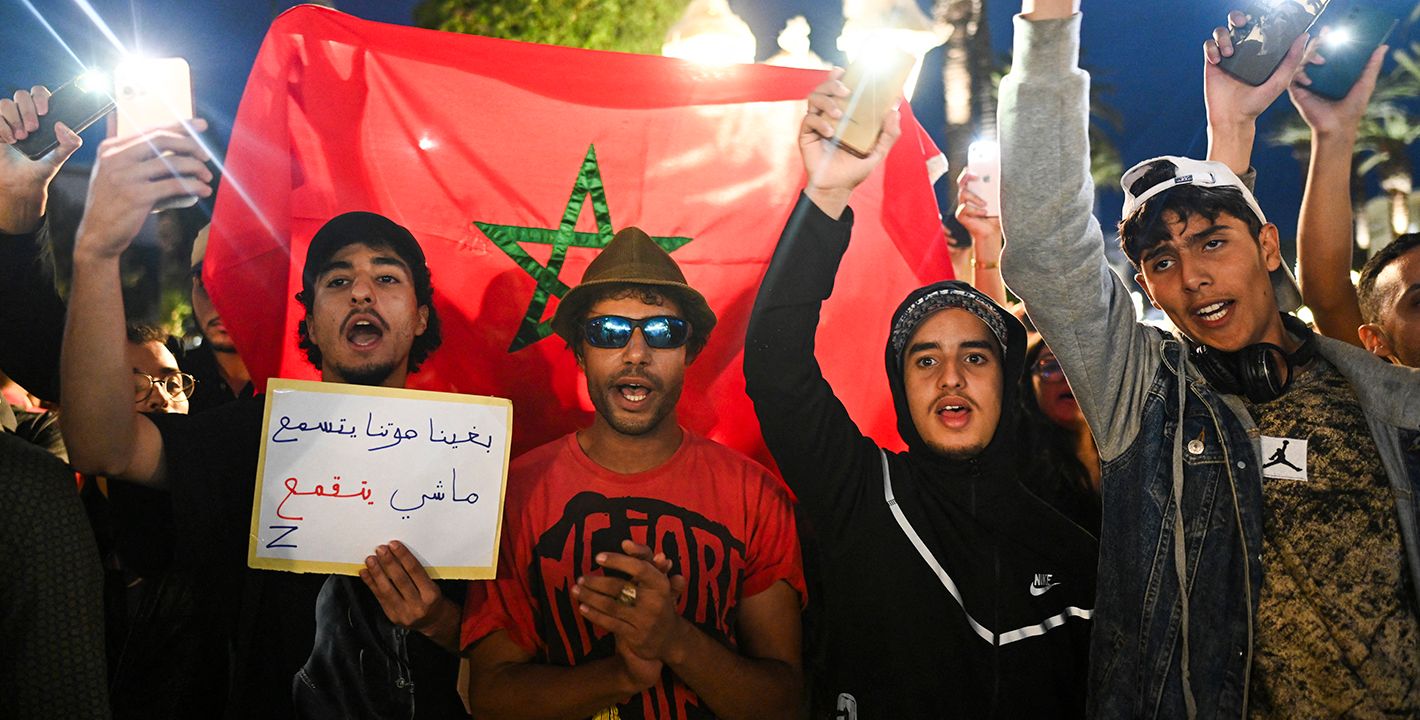
The country’s youthful protest movement is seeking economic improvement, social justice, and just a little hope.

Yasmine Zarhloule
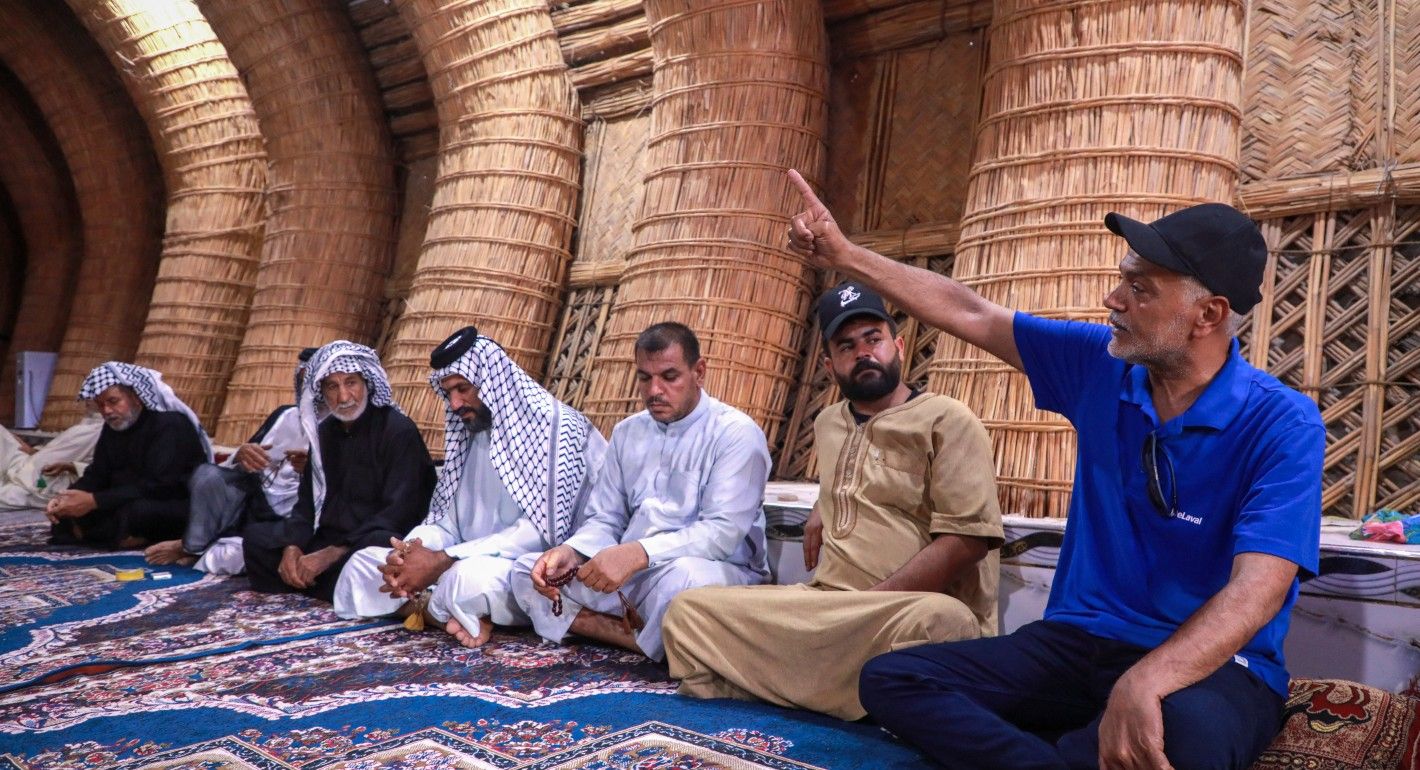
In fragmented political contexts, climate activism is a way to contest both ecological harm and the structures of violence and neglect that allow it to persist.


Issam Kayssi, Mohanad Hage Ali
To address the deepening climate crisis, climate activism is employing a wider variety of tactics and aiming at a broader set of goals. In response, the movement faces stronger repression and civic backlash against climate action.

Erin Jones, Richard Youngs
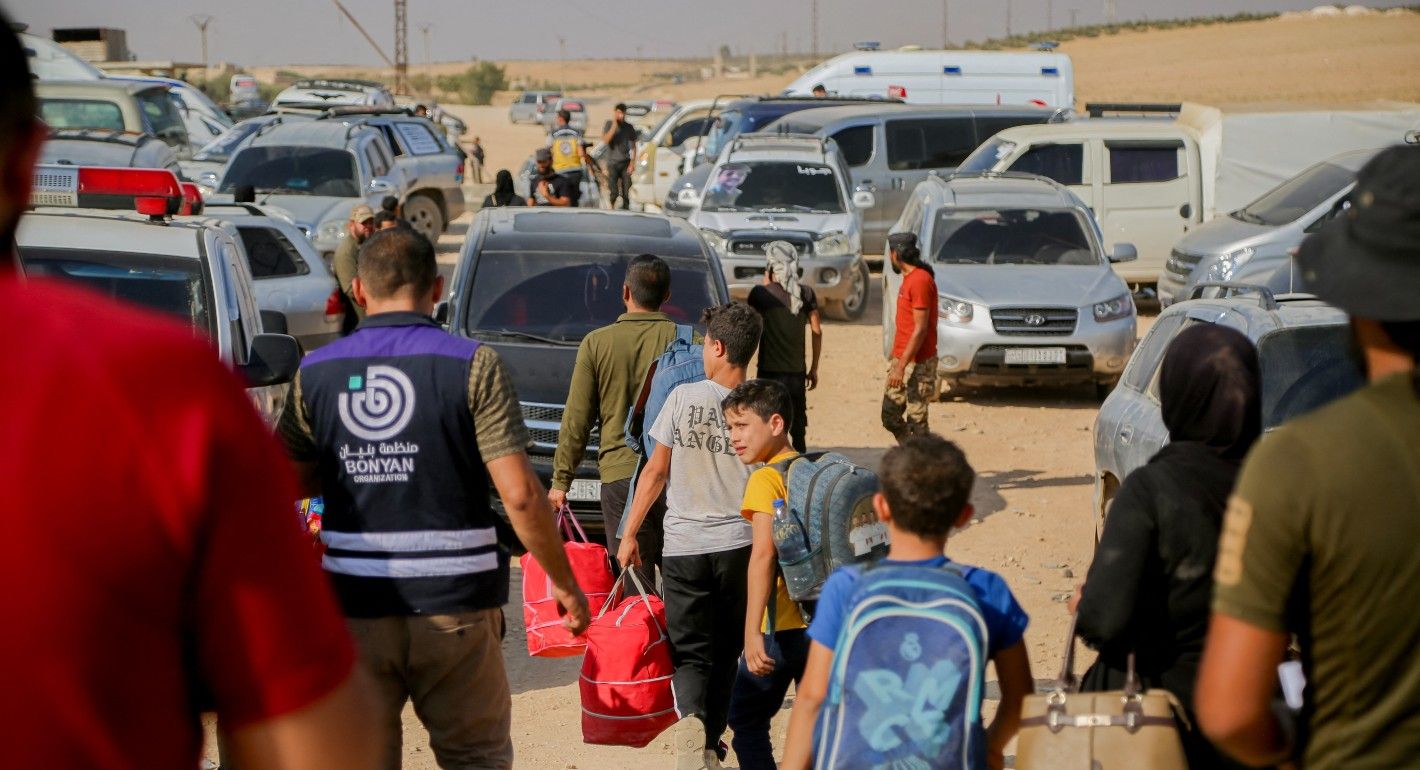
A humanitarian crisis in Lebanon deepens, and Syrian refugees face a perilous choice: remain in a war-torn environment or return to Syria where they risk encountering significant dangers and discrimination. There are significant challenges and risks to their search for safety in Syria.
Haid Haid
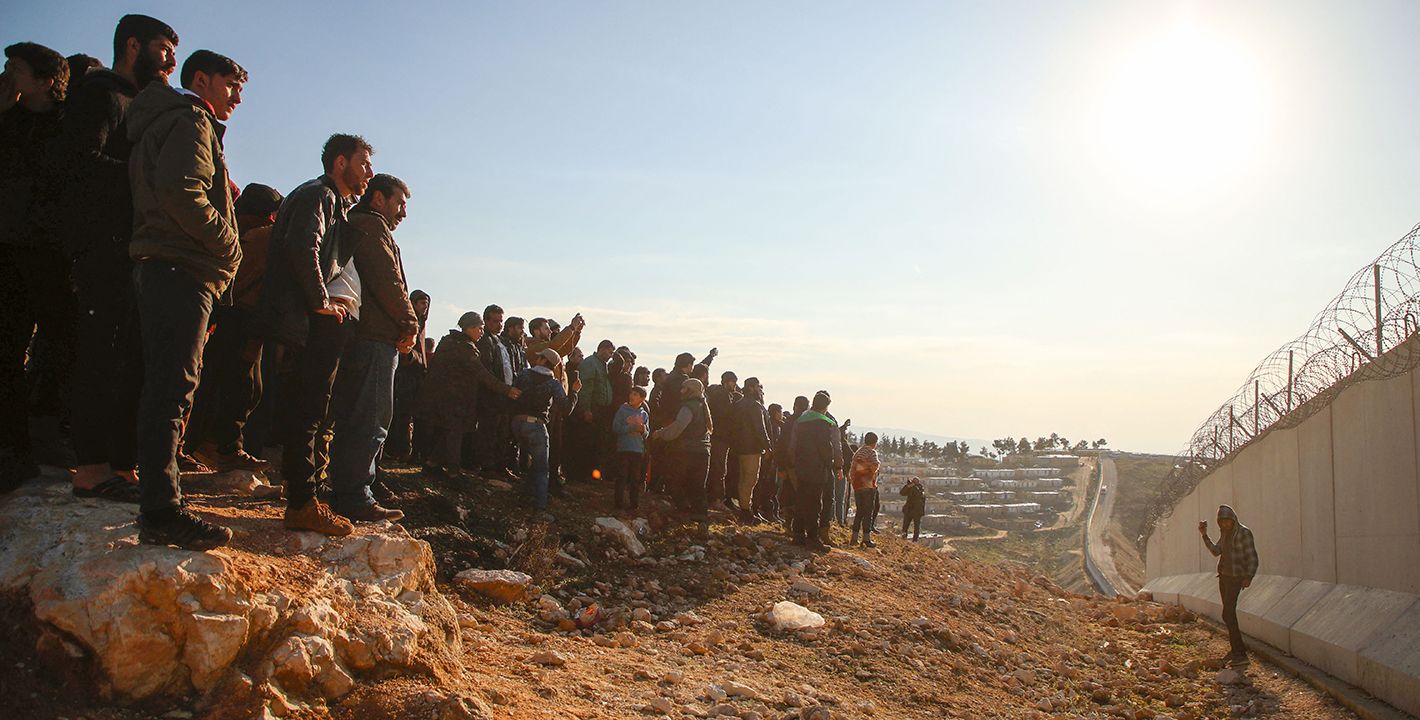
In Syria’s border regions, changes in demographics, economics, and security mean that an inter-Syrian peace process will require consensus among main regional powers that Syria must remain united, that no one side can be victorious, and that perennial instability threatens the region.


Kheder Khaddour, Armenak Tokmajyan