

Commentary
The GCC states’ use of Artificial Intelligence will generate much leverage over the global digital infrastructure and climate talks.
Camille Ammoun
{
  "authors": [
    "Vidushi Marda"
  ],
  "type": "legacyinthemedia",
  "centerAffiliationAll": "",
  "centers": [
    "Carnegie Endowment for International Peace",
    "Carnegie India"
  ],
  "collections": [],
  "englishNewsletterAll": "",
  "nonEnglishNewsletterAll": "",
  "primaryCenter": "Carnegie India",
  "programAffiliation": "",
  "programs": [],
  "projects": [],
  "regions": [
    "South Asia",
    "India"
  ],
  "topics": [
    "Technology"
  ]
}
Source: Getty
Artificial Intelligence (AI) systems are increasingly embedded in society – from curating social media feeds and assisting law enforcement, to deciding an individual’s creditworthiness and aiding in healthcare.
Source: Seminar
Artificial Intelligence (AI) systems are increasingly embedded in society – from curating social media feeds and assisting law enforcement, to deciding an individual’s creditworthiness and aiding in healthcare. There are at least two possible explanations for this recent and substantial mainstreaming of AI in everyday life. First, there is more computing power and data today than ever before. Second, due to this the possibility of using AI systems to predict and classify large amounts of data makes it fertile ground for governments and industry alike.
Vidushi Marda
Former Nonresident Research Analyst, Carnegie India
Vidushi Marda was a nonresident research analyst at Carnegie India. She is a legal researcher who focuses on the interplay between emerging technologies, policy, and society.
Carnegie does not take institutional positions on public policy issues; the views represented herein are those of the author(s) and do not necessarily reflect the views of Carnegie, its staff, or its trustees.
The GCC states’ use of Artificial Intelligence will generate much leverage over the global digital infrastructure and climate talks.

Camille Ammoun
Uneven investment in the technology will widen regional inequalities in the Middle East and North Africa.

Nur Arafeh
The GCC states are, to varying degrees, opening up to digital finance. This is part of an effort to diversify their economies and wean themselves off U.S.-dominated monetary systems.
Ala’a Kolkaila
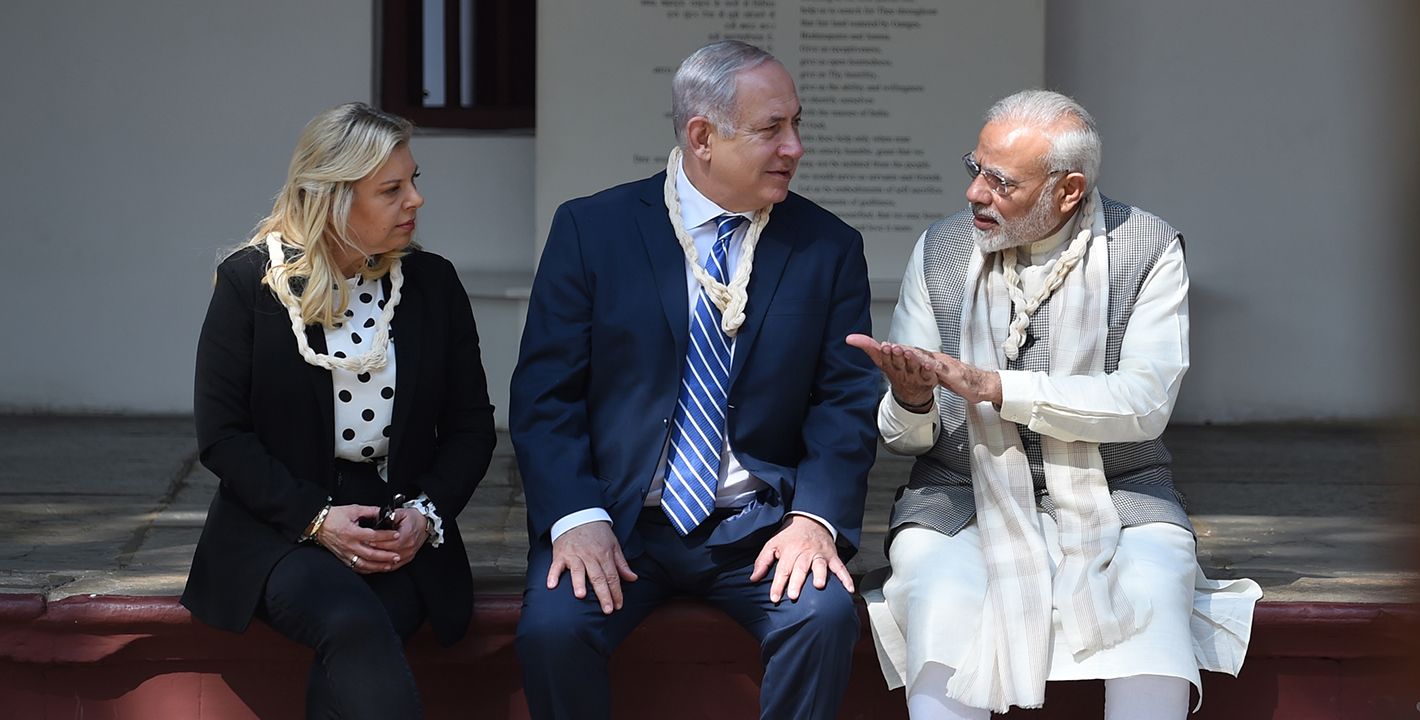
In an interview, Abhinav Pandya discusses the multiple facets of India’s ties with the Middle East.

Armenak Tokmajyan

The interaction of national armed forces and private business sectors offers a useful lens for viewing the politics of numerous countries of the so-called Global South. A rising trend of military political activism—often accompanied by military commercial activity—underlines the importance of drivers and outcomes in these relationships.

Yezid Sayigh, Hamza Meddeb