

Paper
George Perkovich
{
  "authors": [
    "George Perkovich"
  ],
  "type": "other",
  "centerAffiliationAll": "dc",
  "centers": [
    "Carnegie Endowment for International Peace"
  ],
  "collections": [
    "Renovating the Nuclear Order"
  ],
  "englishNewsletterAll": "ctw",
  "nonEnglishNewsletterAll": "",
  "primaryCenter": "Carnegie Endowment for International Peace",
  "programAffiliation": "NPP",
  "programs": [
    "Nuclear Policy"
  ],
  "projects": [],
  "regions": [],
  "topics": [
    "Nuclear Policy",
    "Arms Control"
  ]
}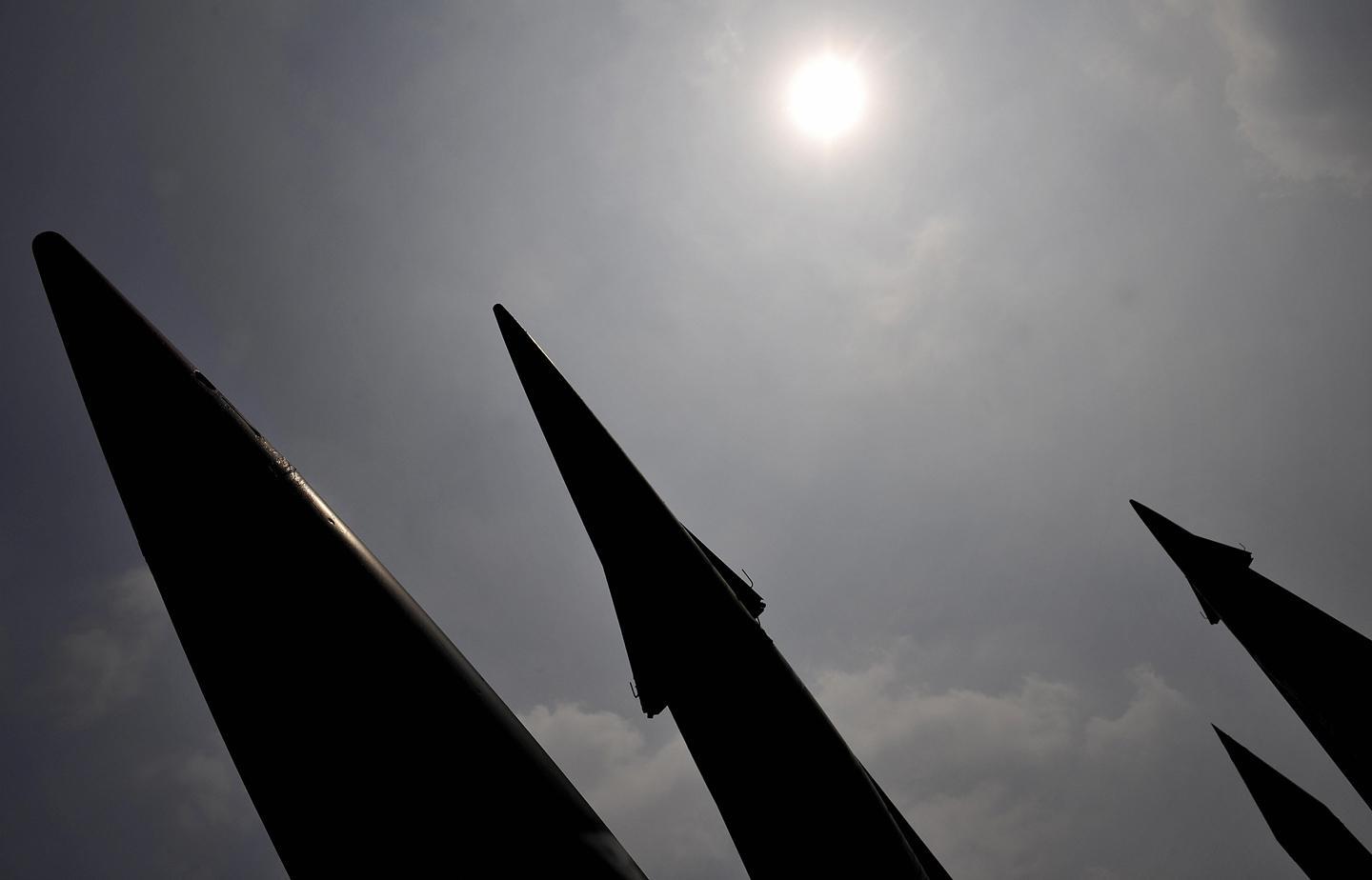
Source: Getty
States and experts preoccupied with winning (or at least not losing) wars that could go nuclear have largely ignored questions of post facto accountability.
Source: Journal of Peace and Nuclear Disarmament
If nuclear war occurs, non-belligerents want the conductors to take responsibility for providing assistance to deal with harm imposed on them. This harm could take the form of radioactive fallout, climatic change that causes global food shortages and refugee crises. But states and experts preoccupied with winning (or at least not losing) wars that could go nuclear have largely ignored questions of post facto accountability. Nuclear-armed states claim to be responsible, defensive actors; therefore, they should not object if others demand processes to adjudicate the conduct of nuclear war after the fact and provide reparations and remedies to victims in non-belligerent nations. Indeed, international efforts to establish such accountability could strengthen deterrence against aggression and use of nuclear weapons.

Japan Chair for a World Without Nuclear Weapons, Senior Fellow
George Perkovich is the Japan Chair for a World Without Nuclear Weapons and a senior fellow in the Carnegie Endowment for International Peace’s Nuclear Policy Program. He works primarily on nuclear deterrence, nonproliferation, and disarmament issues.
Recent Work
George Perkovich
George Perkovich
Carnegie does not take institutional positions on public policy issues; the views represented herein are those of the author(s) and do not necessarily reflect the views of Carnegie, its staff, or its trustees.
In an interview, Marc Lynch discusses his new book decrying the post-1990 U.S.-dominated order in the Middle East.

Michael Young
Both events also could force Washington to rethink or revive its Middle East partnerships.

Karim Sadjadpour
Disagreement between the United States and Iran over a revived nuclear accord may anchor volatile competition.
George Perkovich
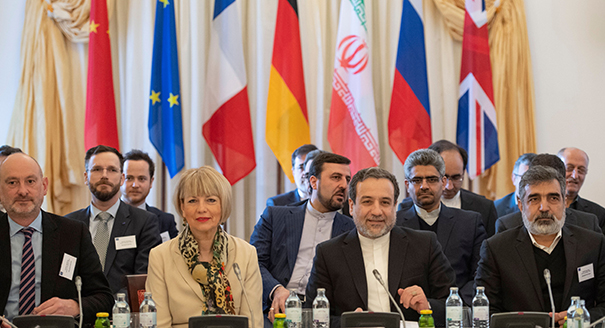
A regular survey of experts on matters relating to Middle Eastern and North African politics and security.
Michael Young
The British, French, and German foreign ministers have formally accused Iran of breaking the terms of the 2015 Iran nuclear deal, a step that could lead to sanctions. Are the Europeans preparing to pull the plug?
Jarrett Blanc