

Commentary
H. A. Hellyer
{
  "authors": [
    "H. A. Hellyer"
  ],
  "type": "legacyinthemedia",
  "centerAffiliationAll": "dc",
  "centers": [
    "Carnegie Endowment for International Peace"
  ],
  "collections": [],
  "englishNewsletterAll": "menaTransitions",
  "nonEnglishNewsletterAll": "",
  "primaryCenter": "Carnegie Endowment for International Peace",
  "programAffiliation": "MEP",
  "programs": [
    "Middle East"
  ],
  "projects": [],
  "regions": [
    "Western Europe",
    "France"
  ],
  "topics": [
    "Religion"
  ]
}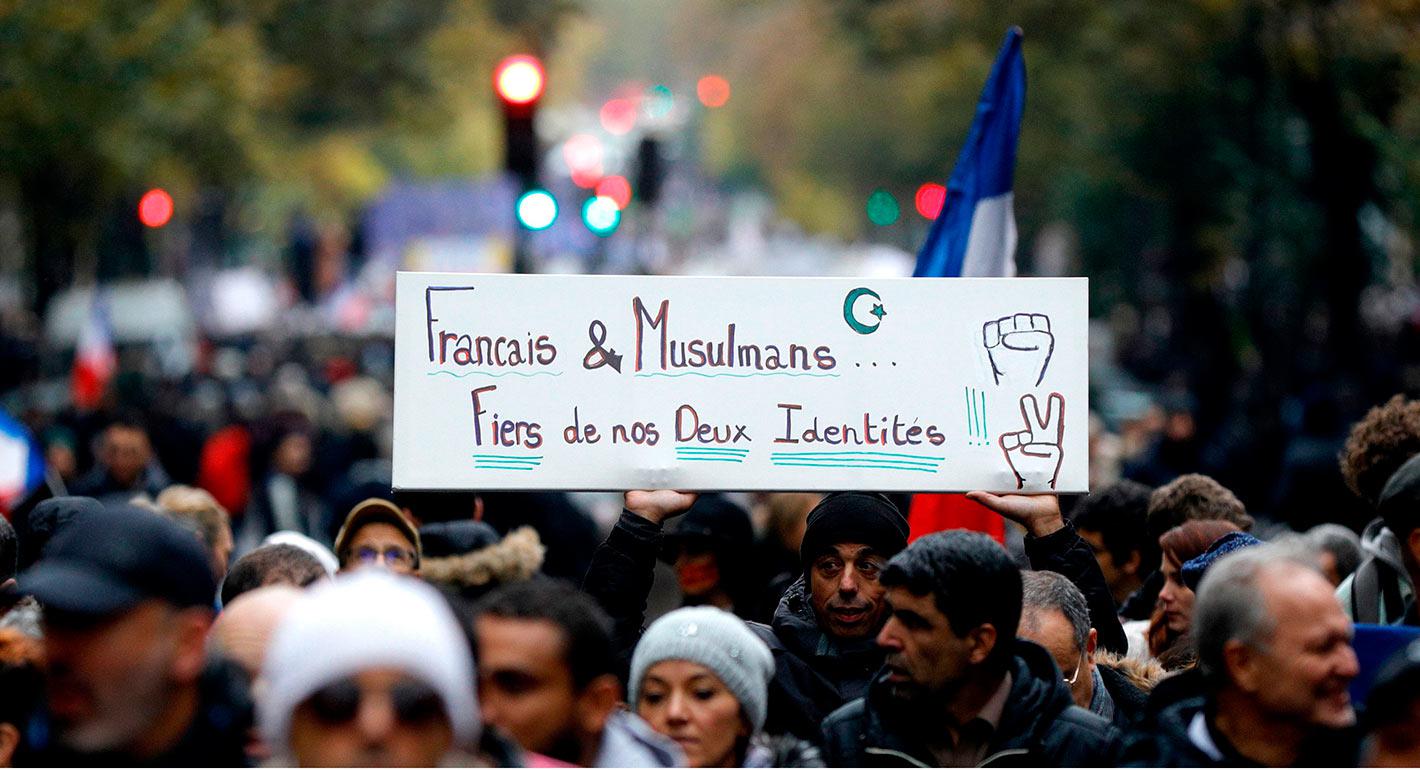
Source: Getty
The current furor around France’s relationship with its Muslim citizens in recent weeks seems new, but contemporary European history would teach us otherwise.
Source: Contending Modernities
Some things change, and some things stay the same. The current furor around France’s relationship with its Muslim citizens in recent weeks seems new, but contemporary European history would teach us otherwise. The question is: Did we ever learn those lessons?
In 2005, the Danish newspaper, Jyllands-Posten, published an article with cartoons the newspaper claimed depicted the person of the Prophet Muhammad. In the article, the culture editor of the newspaper wrote:
Modern, secular society is rejected by some Muslims. They demand a special position, insisting on special consideration of their own religious feelings. It is incompatible with contemporary democracy and freedom of speech . . . we are on our way to a slippery slope where no-one can tell how the self-censorship will end. (emphasis mine)
The assertion was clear: contemporary democracy, freedom of speech, secular society—even modernity itself— is “rejected” by “some” Muslims. The “some” here refer to those who object to the cartoons. The culture editor, in making this claim, tied together modernity, secularism, and democracy into the broader ideological frame of Western civilization.
It’s important to reflect on this statement in the aftermath of the October 2020 killings carried out in France by radical Islamist extremists, as well as Macron’s previous claims of a “crisis in Islam.” In the wake of these killings, many of the same issues have been raised.
This article was originally published in Contending Modernities.
Former Nonresident Scholar, Middle East Program
Dr. H.A. Hellyer was a nonresident scholar at the Carnegie Endowment for International Peace. He serves as a senior associate fellow at the Royal United Services Institute for Defence and Security Studies in London, and as a Cambridge University fellow.
Recent Work
H. A. Hellyer
H. A. Hellyer
Carnegie does not take institutional positions on public policy issues; the views represented herein are those of the author(s) and do not necessarily reflect the views of Carnegie, its staff, or its trustees.
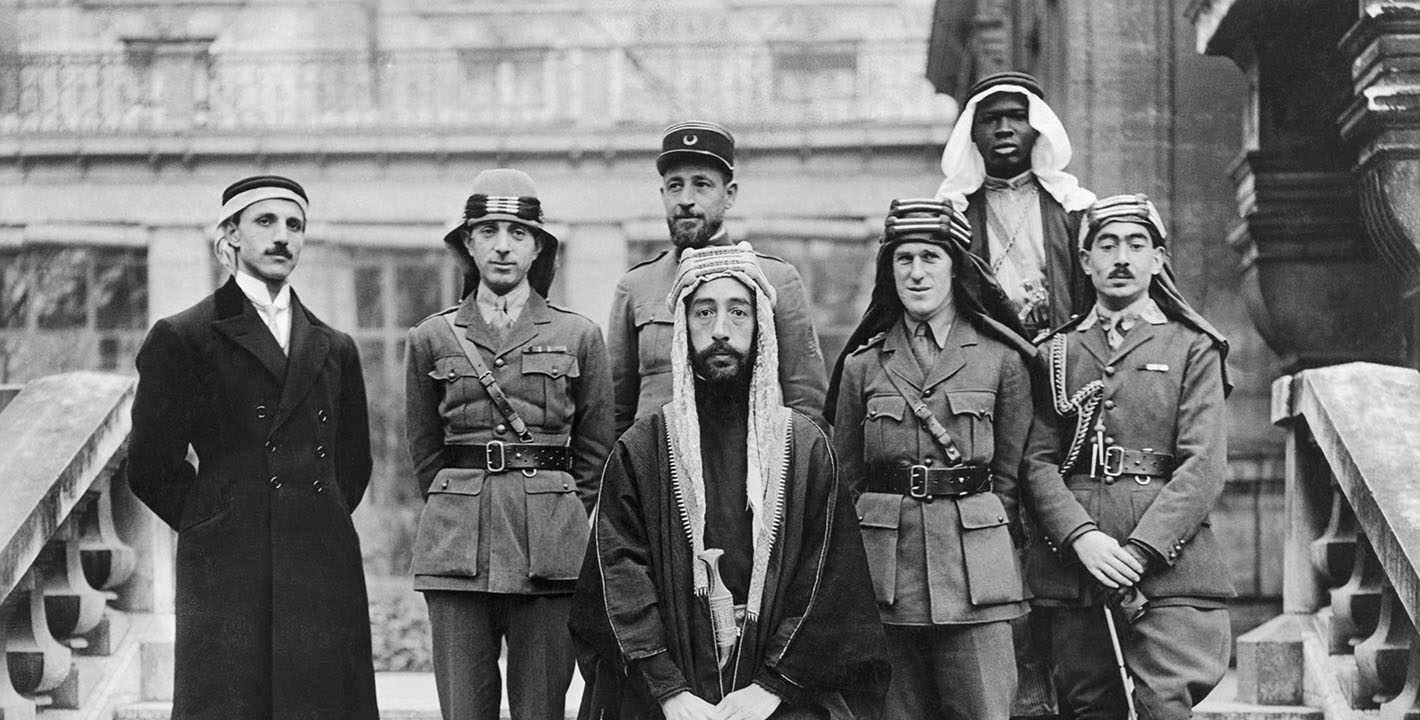
In an interview, Elizabeth Thompson recalls how the country formulated a liberal constitution in 1920, before being denied by France and Britain.

Michael Young
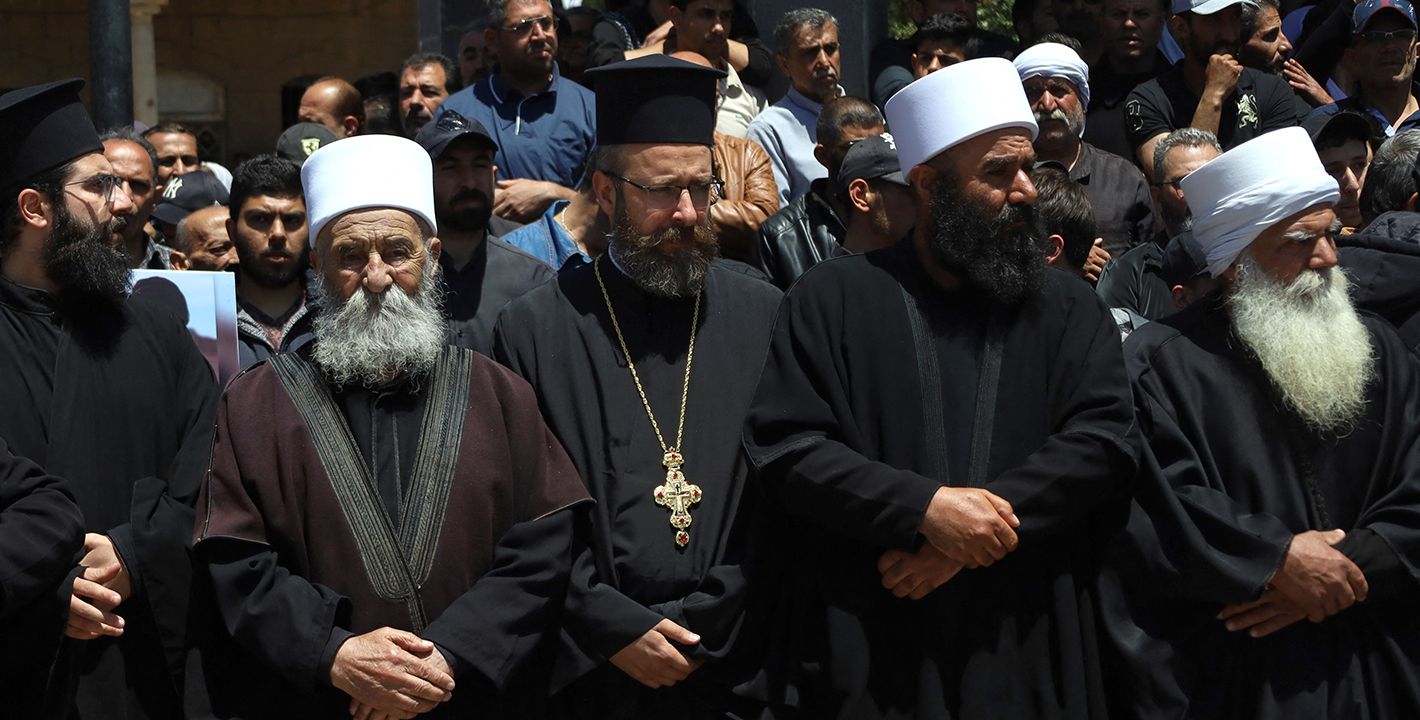
In an interview, Peter Harling discusses the fate of religious communities in the Syrian transformation.
Michael Young
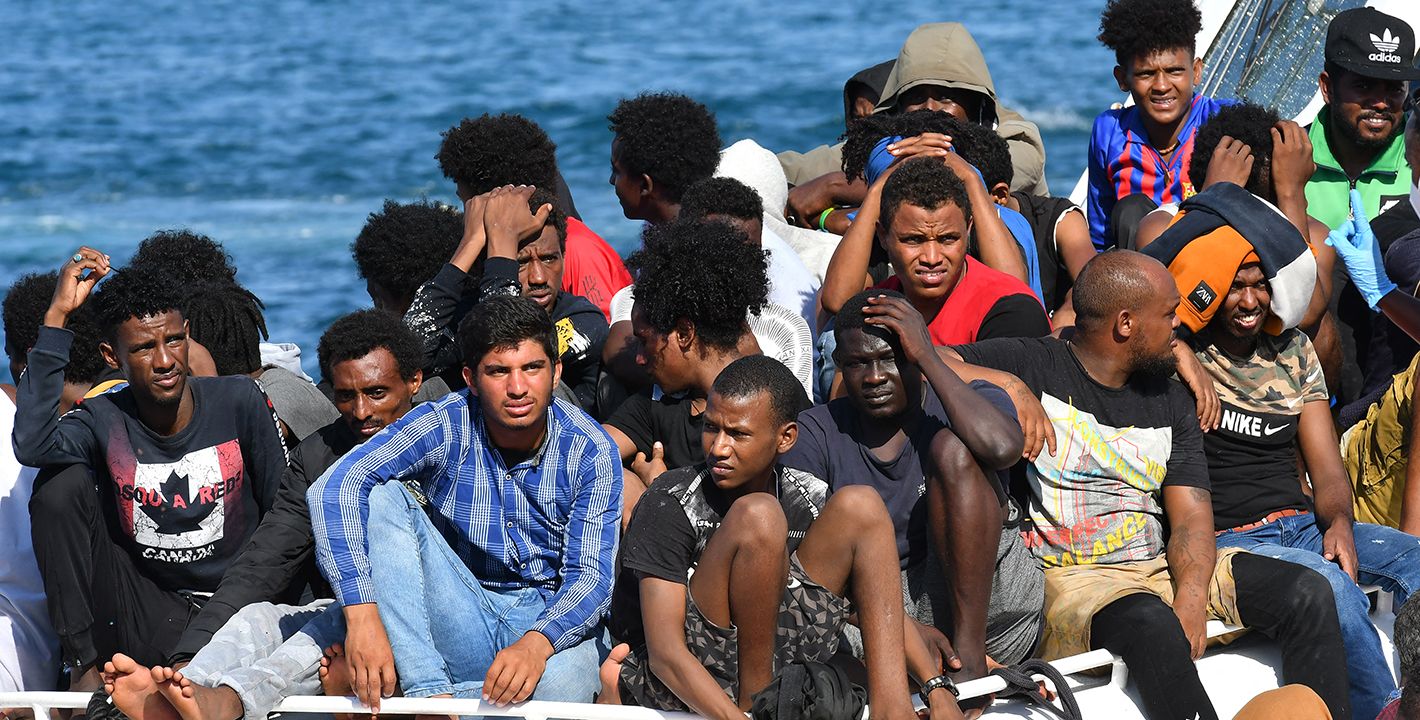
In an interview, Yasmine Zarhloule discusses irregular migration to Europe and the shortcomings of a securitization policy.
Rayyan Al-Shawaf
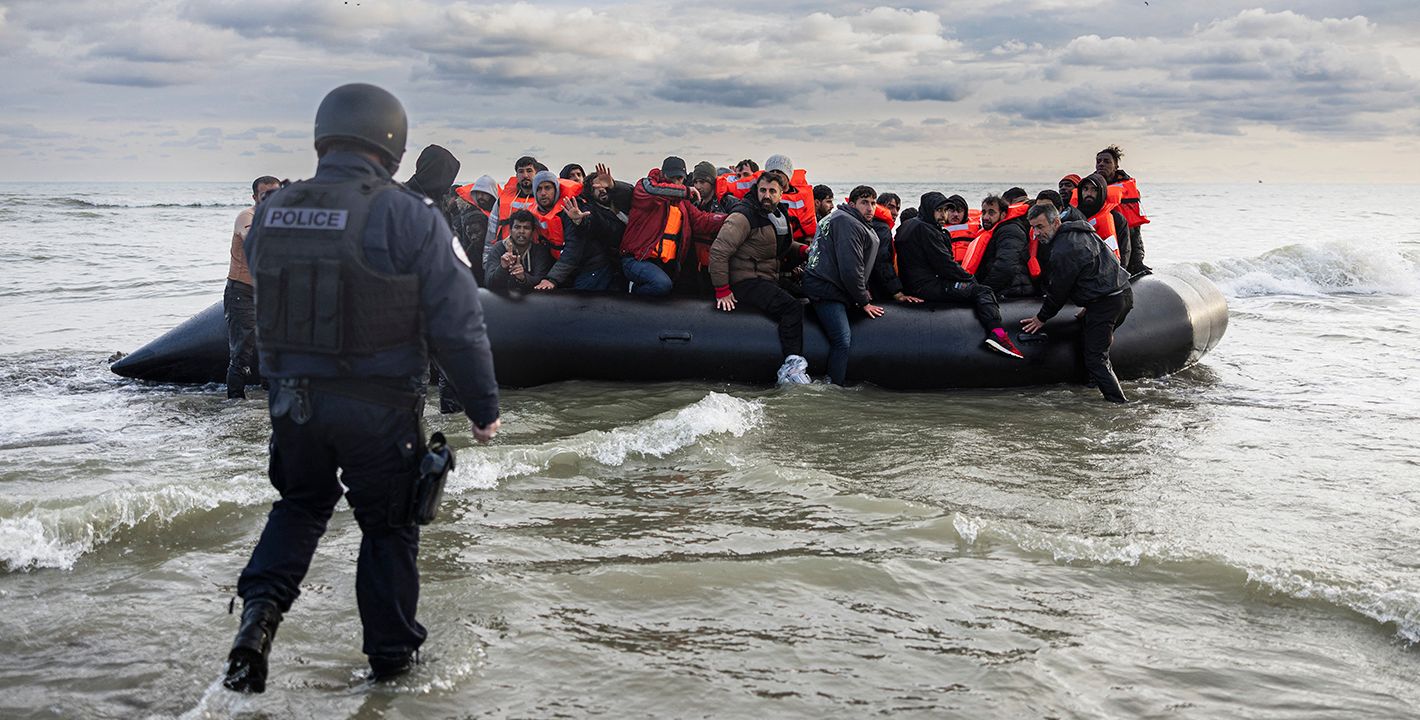
The EU has responded to unwanted arrivals with ever-stricter security measures, an approach that has both led to increased human rights violations and failed to stem the migratory tide.

Yasmine Zarhloule
In an interview, Shoaib Ahmed Malik discusses his coedited book on Islam and extraterrestrial life.
Rayyan Al-Shawaf