

Commentary
By failing to address Palestinian representation, the current process is bound to lead to just another temporary arrangement.
Nathan J. Brown
{
  "authors": [
    "Camino Kavanagh",
    "Madeline Carr",
    "Nils Berglund"
  ],
  "type": "legacyinthemedia",
  "centerAffiliationAll": "dc",
  "centers": [
    "Carnegie Endowment for International Peace"
  ],
  "collections": [],
  "englishNewsletterAll": "ctw",
  "nonEnglishNewsletterAll": "",
  "primaryCenter": "Carnegie Endowment for International Peace",
  "programAffiliation": "TIA",
  "programs": [
    "Technology and International Affairs"
  ],
  "projects": [],
  "regions": [
    "Iran"
  ],
  "topics": [
    "Global Governance",
    "Foreign Policy",
    "Technology"
  ]
}
REQUIRED IMAGE
States’ diplomatic engagements regarding information and communications technologies and cyberspace will continue to be driven by calculations of national interest. Yet the very nature of the technologies and our collective growing dependency on them requires states to look beyond national interests.
Former Nonresident Scholar, Technology and International Affairs Program
Camino Kavanagh was a nonresident scholar at the Carnegie Endowment for International Peace, where her research focuses on international security, governance, and emerging technologies.
Madeline Carr
Nils Berglund
Carnegie does not take institutional positions on public policy issues; the views represented herein are those of the author(s) and do not necessarily reflect the views of Carnegie, its staff, or its trustees.

By failing to address Palestinian representation, the current process is bound to lead to just another temporary arrangement.

Nathan J. Brown

Morocco and Algeria, each in its own way, are having to navigate the global economic fallout of the U.S.-Israeli military campaign against Iran.

Yasmine Zarhloule
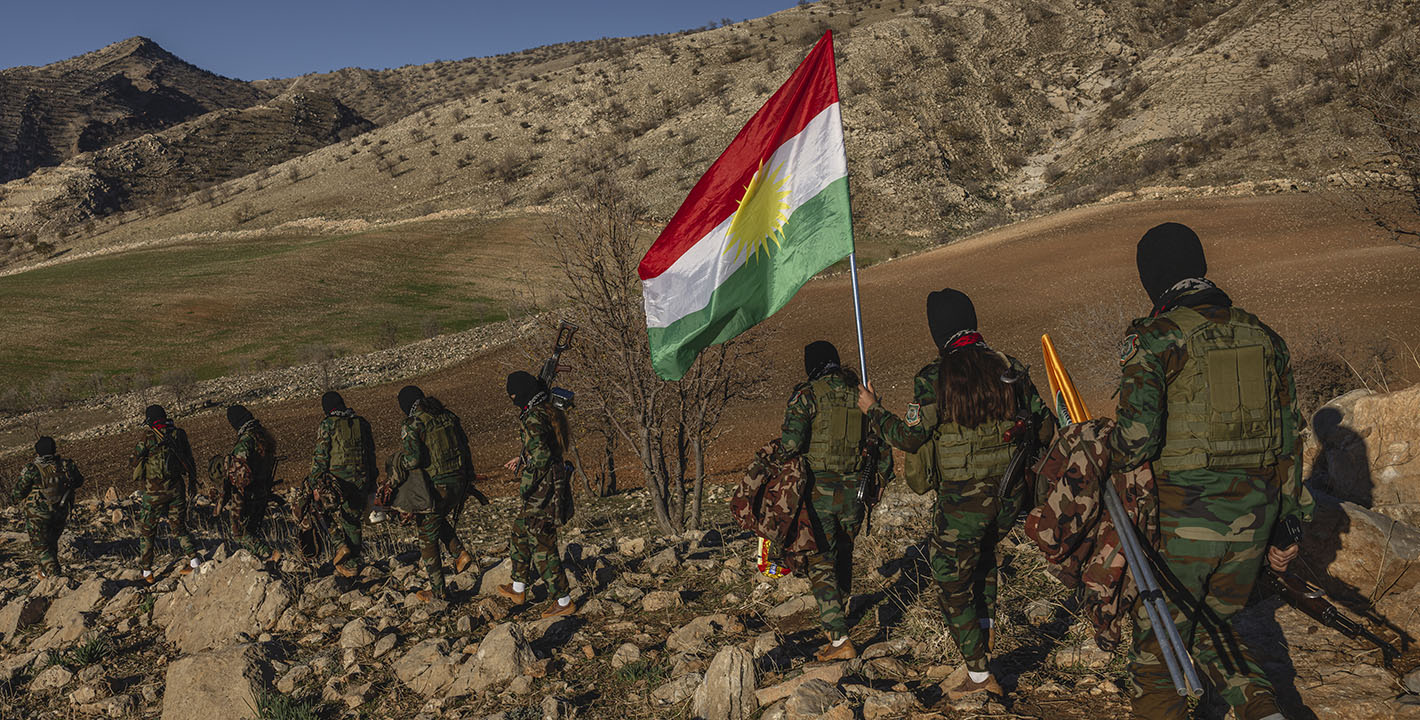
Following its deal with the United States, Iran may act against Iraq-based dissidents.
Wladimir van Wilgenburg
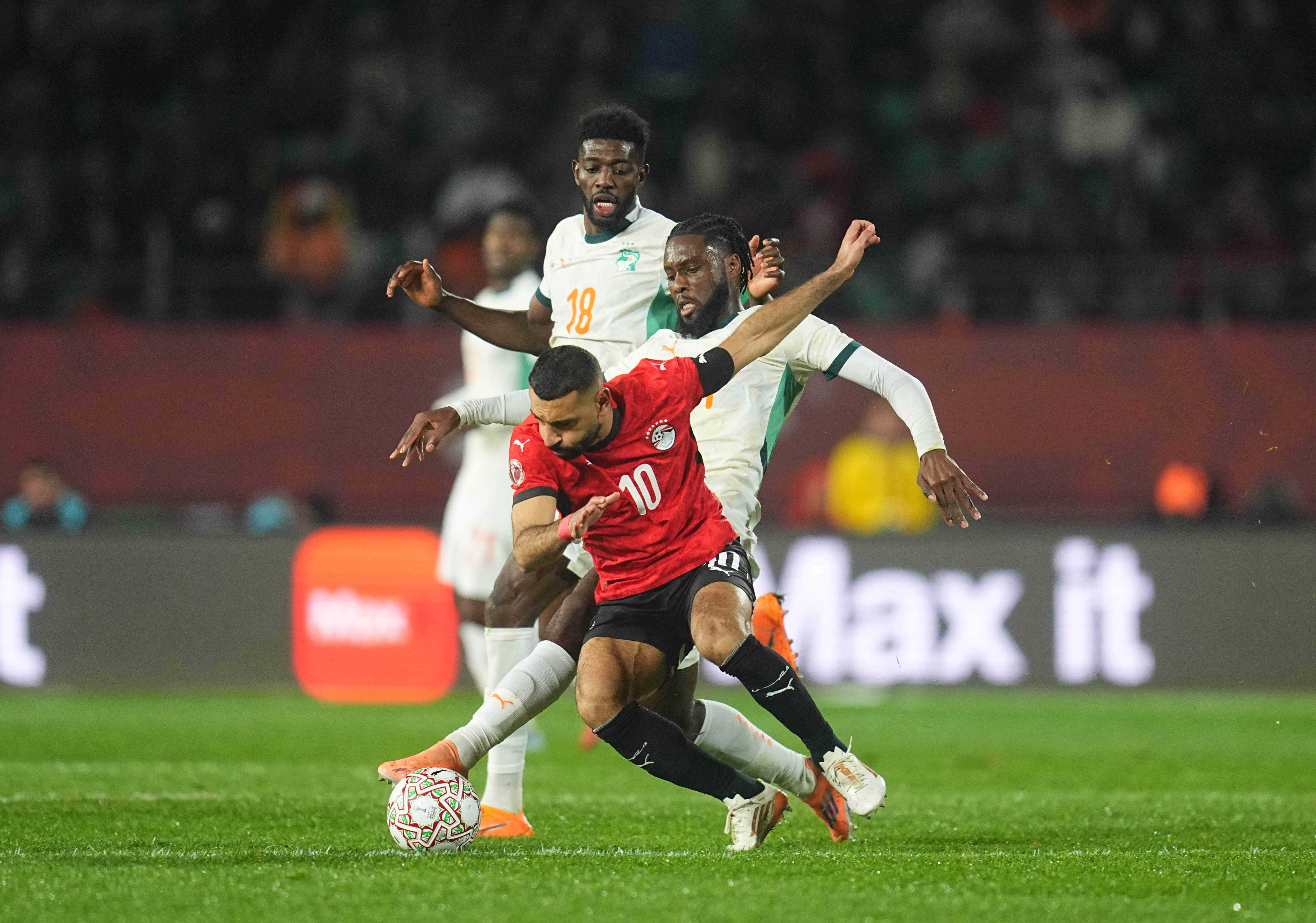
This will be the region’s most representative tournament, amid broad changes in its footballing landscape.
Issam Kayssi
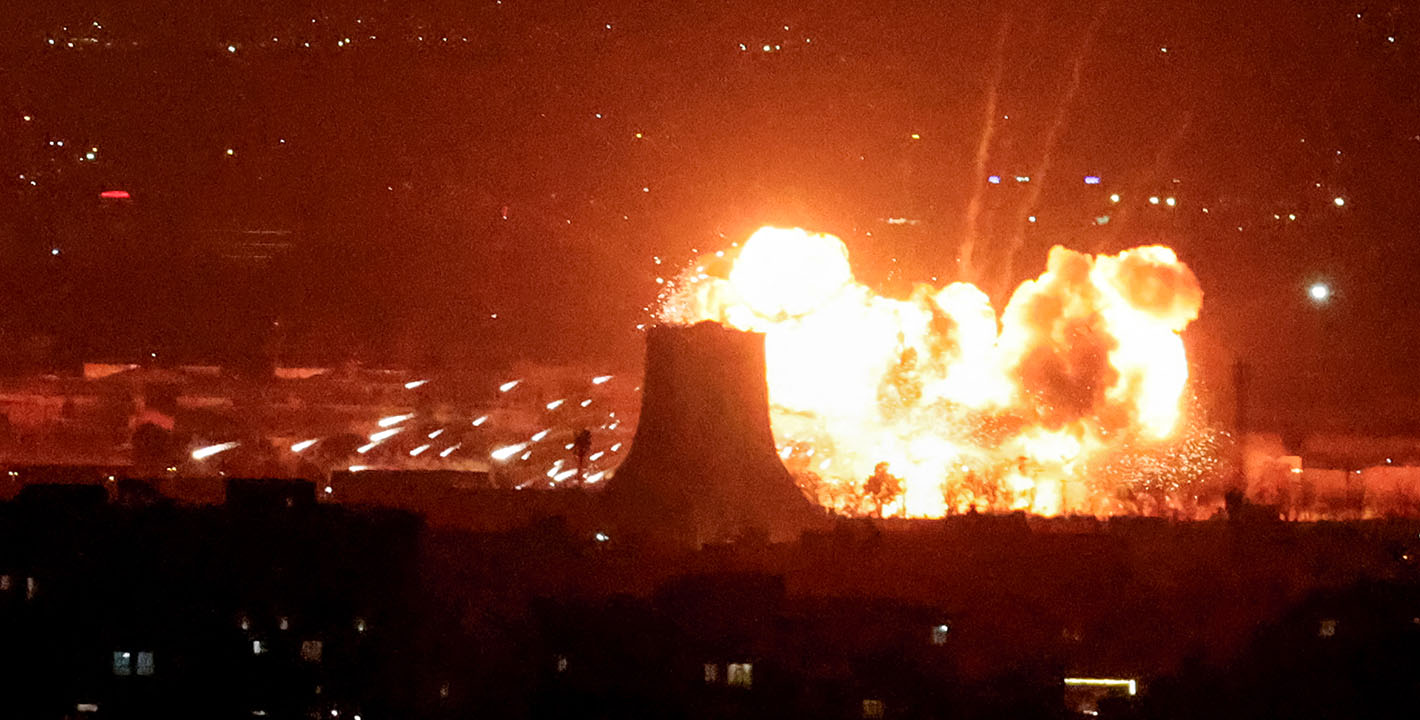
In an interview, Marc Lynch discusses his new book decrying the post-1990 U.S.-dominated order in the Middle East.

Michael Young