
• Research
  • Diwan
  • About
  • Experts
Carnegie Middle East logoCarnegie lettermark logo
LebanonIran
{
  "authors": [
    "Kelly Sims Gallagher"
  ],
  "type": "legacyinthemedia",
  "centerAffiliationAll": "dc",
  "centers": [
    "Carnegie Endowment for International Peace"
  ],
  "collections": [],
  "englishNewsletterAll": "ctw",
  "nonEnglishNewsletterAll": "",
  "primaryCenter": "Carnegie Endowment for International Peace",
  "programAffiliation": "SCP",
  "programs": [
    "Sustainability, Climate, and Geopolitics"
  ],
  "projects": [],
  "regions": [
    "South Asia",
    "Pakistan",
    "East Asia",
    "China",
    "North America"
  ],
  "topics": [
    "Economy",
    "Climate Change"
  ]
}
REQUIRED IMAGE

REQUIRED IMAGE

In The Media

What Drives Pakistan’s Coal-fired Power Plant Construction Boom? Understanding The China-Pakistan Economic Corridor’s Energy Portfolio

Although the CPEC energy portfolio has included a few groundbreaking renewable energy projects, Pakistani officials prioritized larger scale coal-fired power plants because they believed these plants would provide the most effective means to tackle the local energy crisis.

Link Copied
By Kelly Sims Gallagher
Published on Jan 19, 2022

ScienceDirect

About the Author

Kelly Sims Gallagher

Nonresident Scholar, Sustainability, Climate and Geopolitics Program

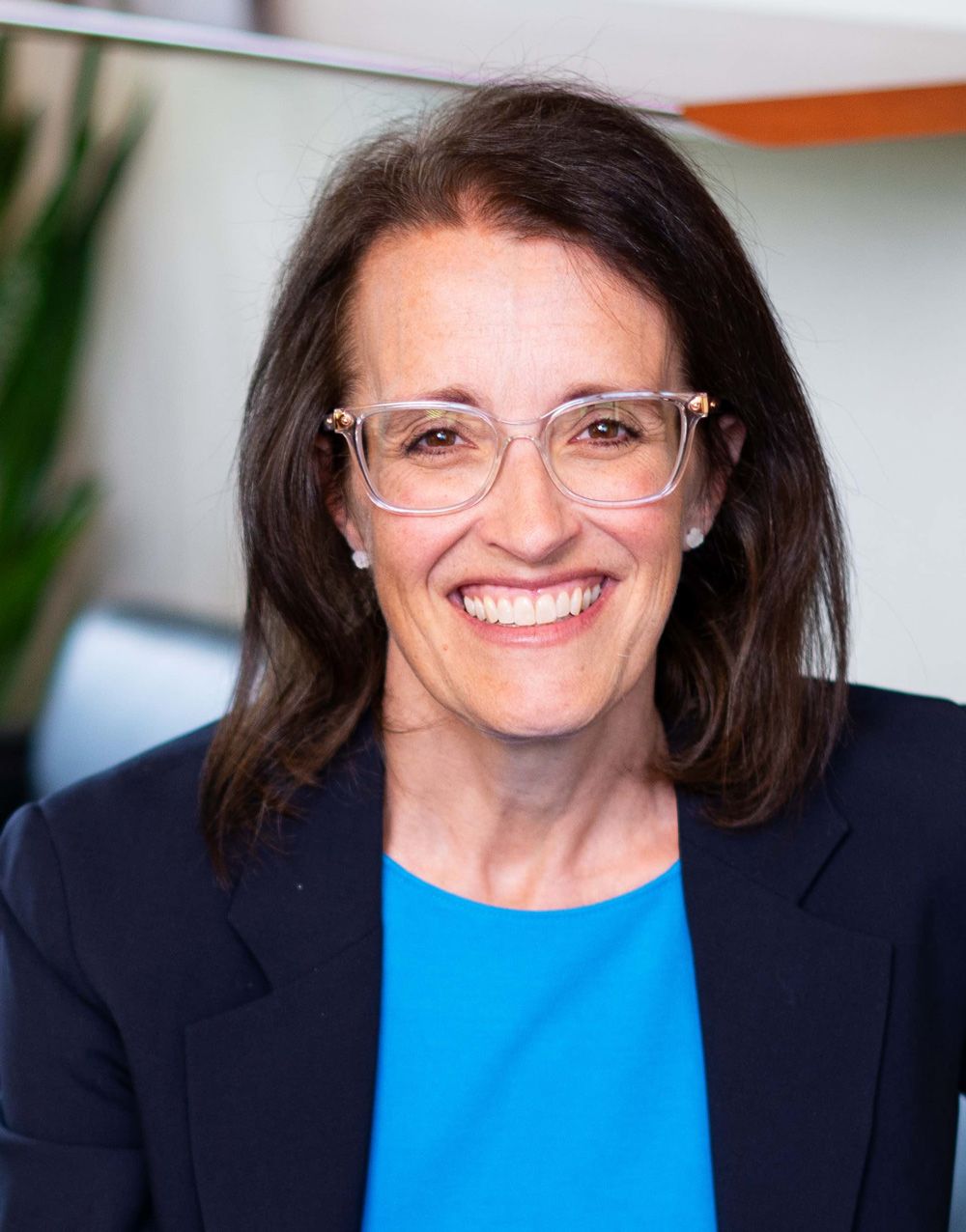
Kelly Sims Gallagher is a nonresident scholar in the Sustainability, Climate and Geopolitics Program at the Carnegie Endowment and is dean, professor of energy and environmental policy, and director of the Center for International Environment & Resource Policy, at The Fletcher School at Tufts University.

Kelly Sims Gallagher
Nonresident Scholar, Sustainability, Climate and Geopolitics Program
Kelly Sims Gallagher
EconomyClimate ChangeSouth AsiaPakistanEast AsiaChinaNorth America

Carnegie does not take institutional positions on public policy issues; the views represented herein are those of the author(s) and do not necessarily reflect the views of Carnegie, its staff, or its trustees.

More Work from Malcolm H. Kerr Carnegie Middle East Center

  • Commentary
    Diwan
    Unpacking Lebanon’s Gap Law

    In an interview, Ishac Diwan looks at the merits and flaws in the draft legislation distributing losses from the financial collapse.

      Michael Young

  • Commentary
    Diwan
    Has Sisi Found a Competent Military Entrepreneur?

    Mustaqbal Misr has expanded its portfolio with remarkable speed, but a lack of transparency remains.

      Yezid Sayigh

  • Commentary
    Diwan
    Women, Water, and Adaptation in Ait Khabbash

    The burden of environmental degradation is felt not only through physical labor but also emotional and social loss.

      Yasmine Zarhloule, Ella Williams

  • Article
    Raining Stones: Deir al-Kahf’s Bedouins and the Impact of Climate

    For settled descendants of nomadic or seminomadic communities on Jordan’s periphery, the future looks uncertain as government employment is declining, natural resources are dwindling, temperatures are rising, and traditional cross-border ties are restricted.

      Armenak Tokmajyan, Laith Qerbaa

  • Article
    Between Marginalization and Climate Change: The Resilience of Morocco’s Ait Khabbash

    For the traditionally nomadic Amazigh pastoralists in the Draa-Tafilalet region, environmental change has exacerbated long-standing inequities, forcing the community to adapt, which has laid bare the blind spots of state-centered climate policy frameworks.

      Yasmine Zarhloule, Ella Williams

Get more news and analysis from
Malcolm H. Kerr Carnegie Middle East Center
Carnegie Middle East logo, white
  • Research
  • Diwan
  • About
  • Experts
  • Projects
  • Events
  • Contact
  • Careers
  • Privacy
  • For Media
Get more news and analysis from
Malcolm H. Kerr Carnegie Middle East Center
© 2026 Carnegie Endowment for International Peace. All rights reserved.