

Commentary
The GCC states’ use of Artificial Intelligence will generate much leverage over the global digital infrastructure and climate talks.
Camille Ammoun
{
  "authors": [
    "Mariano-Florentino (Tino) Cuéllar",
    "Benjamin Larsen",
    "Yong Suk Lee",
    "Michael Webb"
  ],
  "type": "other",
  "centerAffiliationAll": "",
  "centers": [
    "Carnegie Endowment for International Peace"
  ],
  "collections": [
    "Artificial Intelligence"
  ],
  "englishNewsletterAll": "",
  "nonEnglishNewsletterAll": "",
  "primaryCenter": "Carnegie Endowment for International Peace",
  "programAffiliation": "",
  "programs": [],
  "projects": [],
  "regions": [],
  "topics": [
    "Technology"
  ]
}
REQUIRED IMAGE
An examination of the impacts of potential artificial intelligence (AI) regulations on managers’ perceptions on ethical issues related to AI and their intentions to adopt AI technologies.
Former Carnegie President (2021-2026)
Mariano-Florentino (Tino) Cuéllar was previously the tenth president of the Carnegie Endowment for International Peace. A former justice of the Supreme Court of California, he has served three U.S. presidential administrations at the White House and in federal agencies, and was the Stanley Morrison Professor at Stanford University, where he held appointments in law, political science, and international affairs and led the university’s Freeman Spogli Institute for International Studies.
Benjamin Larsen
Yong Suk Lee
Michael Webb
Carnegie does not take institutional positions on public policy issues; the views represented herein are those of the author(s) and do not necessarily reflect the views of Carnegie, its staff, or its trustees.
The GCC states’ use of Artificial Intelligence will generate much leverage over the global digital infrastructure and climate talks.
Camille Ammoun
Uneven investment in the technology will widen regional inequalities in the Middle East and North Africa.

Nur Arafeh
The GCC states are, to varying degrees, opening up to digital finance. This is part of an effort to diversify their economies and wean themselves off U.S.-dominated monetary systems.
Ala’a Kolkaila
Algeria and Egypt pressed China’s telecom national champion Huawei for more value-added manufacturing and technology transfers. The company responded, but it ultimately improved its brand image without engaging in meaningful capacity building.
Tin Hinane El Kadi
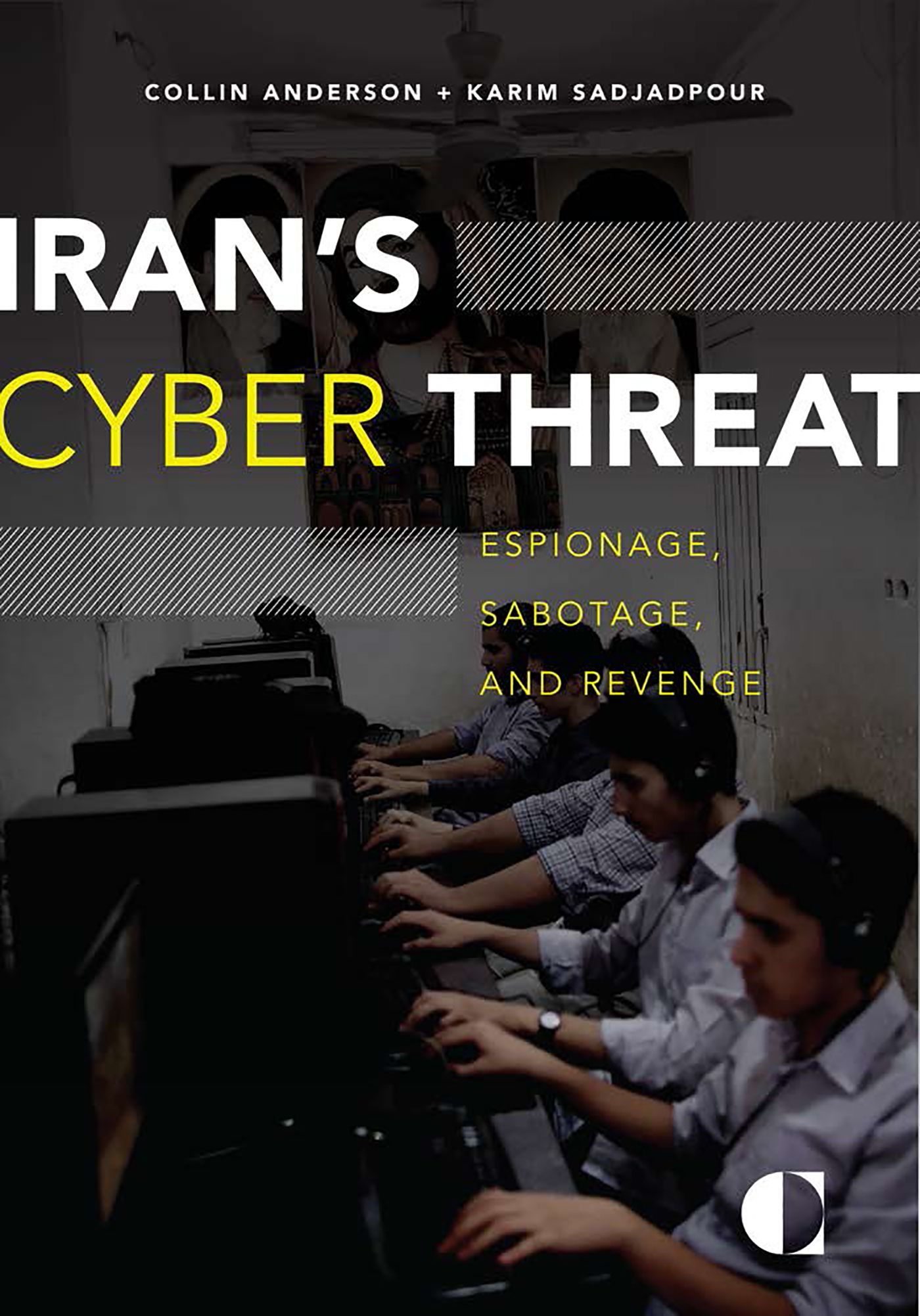
Incidents involving Iran have been among the most sophisticated, costly, and consequential attacks in the history of the internet.

Collin Anderson, Karim Sadjadpour