

Paper
George Perkovich
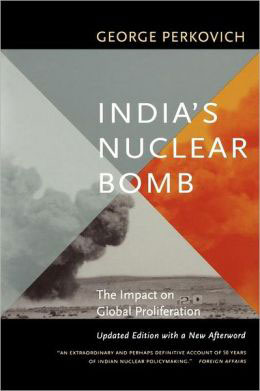
Why did India bid for nuclear weapon status at a time when 149 nations had signed a ban on nuclear testing? What drove India's new Hindu nationalist government to depart from decades of nuclear restraint, a control that no other nation with similar capacities had displayed? How has U.S. nonproliferation policy affected India's decision making?
Source: Berkeley, University of California Press
Winner, 2000 Herbert Feis Award, American Historical Association, Outstanding World by an independent scholar.
Winner, 2001 A.K. Comaraswamy Prize, Association for Asian Studies, Outstanding book on South Asia.
In May 1998, India shocked the worldÑand many of its own citizensÑby detonating five nuclear weapons in the Rajasthan desert. Why did India bid for nuclear weapon status at a time when 149 nations had signed a ban on nuclear testing? What drove India's new Hindu nationalist government to depart from decades of nuclear restraint, a control that no other nation with similar capacities had displayed? How has U.S. nonproliferation policy affected India's decision making?
India's Nuclear Bomb is the definitive, comprehensive history of how the world's largest democracy, has grappled with the twin desires to have and to renounce the bomb. Each chapter contains significant historical revelations drawn from scores of interviews with India's key scientists, military leaders, diplomats and politicians, and from declassified U.S. government documents and interviews with U.S. officials. Perkovich teases out the cultural and ethical concerns and vestiges of colonialism that underlie India's seemingly paradoxical stance. India's nuclear history challenges leading theories of why nations pursue and hang onto nuclear weapons, raising important questions for international relations theory and security studies. So, too, the blasts in Rajasthan have shaken the foundations of the international nonproliferation system. With the end of the Cold War and an even more chaotic international scene, Perkovich's analysis of an alternative model is timely, sobering, and vital.

Japan Chair for a World Without Nuclear Weapons, Senior Fellow
George Perkovich is the Japan Chair for a World Without Nuclear Weapons and a senior fellow in the Carnegie Endowment for International Peace’s Nuclear Policy Program. He works primarily on nuclear deterrence, nonproliferation, and disarmament issues.
Recent Work
George Perkovich
George Perkovich
Carnegie does not take institutional positions on public policy issues; the views represented herein are those of the author(s) and do not necessarily reflect the views of Carnegie, its staff, or its trustees.
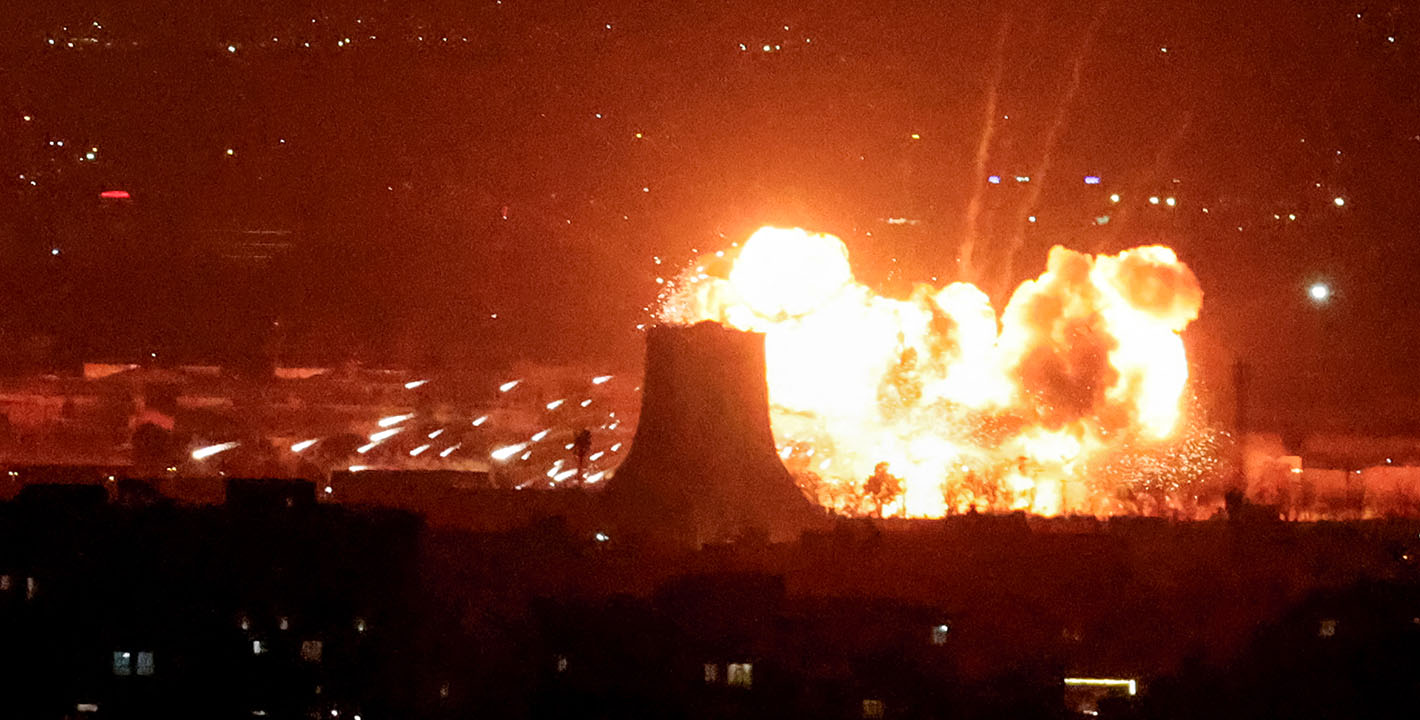
In an interview, Marc Lynch discusses his new book decrying the post-1990 U.S.-dominated order in the Middle East.

Michael Young
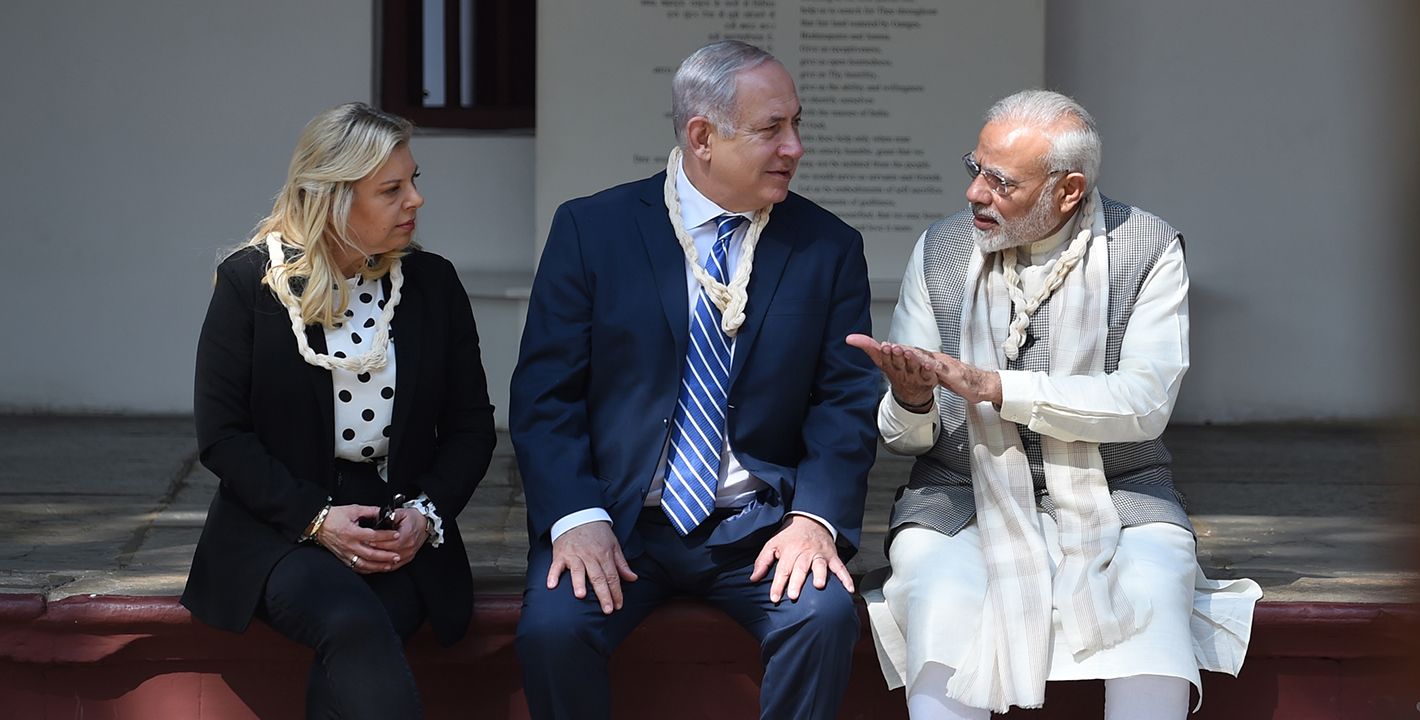
In an interview, Abhinav Pandya discusses the multiple facets of India’s ties with the Middle East.

Armenak Tokmajyan
The interaction of national armed forces and private business sectors offers a useful lens for viewing the politics of numerous countries of the so-called Global South. A rising trend of military political activism—often accompanied by military commercial activity—underlines the importance of drivers and outcomes in these relationships.

Yezid Sayigh, Hamza Meddeb

The Gulf Cooperation Council has shifted its energy export focus to Asia, particularly India and China. This is part of a broader shift as GCC members look to expand their geopolitical alliances away from the West.

Alexandre Kateb
Scholars from Carnegie’s global network comment on how the ongoing conflict between Israelis and Palestinians is affecting their areas of interest, and what the implications of this may be.



Maha Yahya, Rosa Balfour, Judy Dempsey, …