

Article
Morocco and Algeria, each in its own way, are having to navigate the global economic fallout of the U.S.-Israeli military campaign against Iran.
Yasmine Zarhloule

Source: Washington, DC: Carnegie Endowment for International Peace, 2000
In 1997, East Asia was beset by financial crisis and panic. Despite decades of high and sustained growth, most of these countries had little, if any, form of social insurance to help soften the effects of the crisis.
Whereas the international community focuses predominately on the poor, After the Crisis examines the impact of the crisis on an emergent most urban "striving class". Authors Nancy Birdsall and Stephan Haggard emphasize the strategic importance of this emerging middle class in forging an explicit social contract that could benefit all classes.
Please note: this book is no longer available in print format, for more information, please contact Carnegie Publications office.
Former Senior Associate
Stephan Haggard
Carnegie does not take institutional positions on public policy issues; the views represented herein are those of the author(s) and do not necessarily reflect the views of Carnegie, its staff, or its trustees.

Morocco and Algeria, each in its own way, are having to navigate the global economic fallout of the U.S.-Israeli military campaign against Iran.

Yasmine Zarhloule
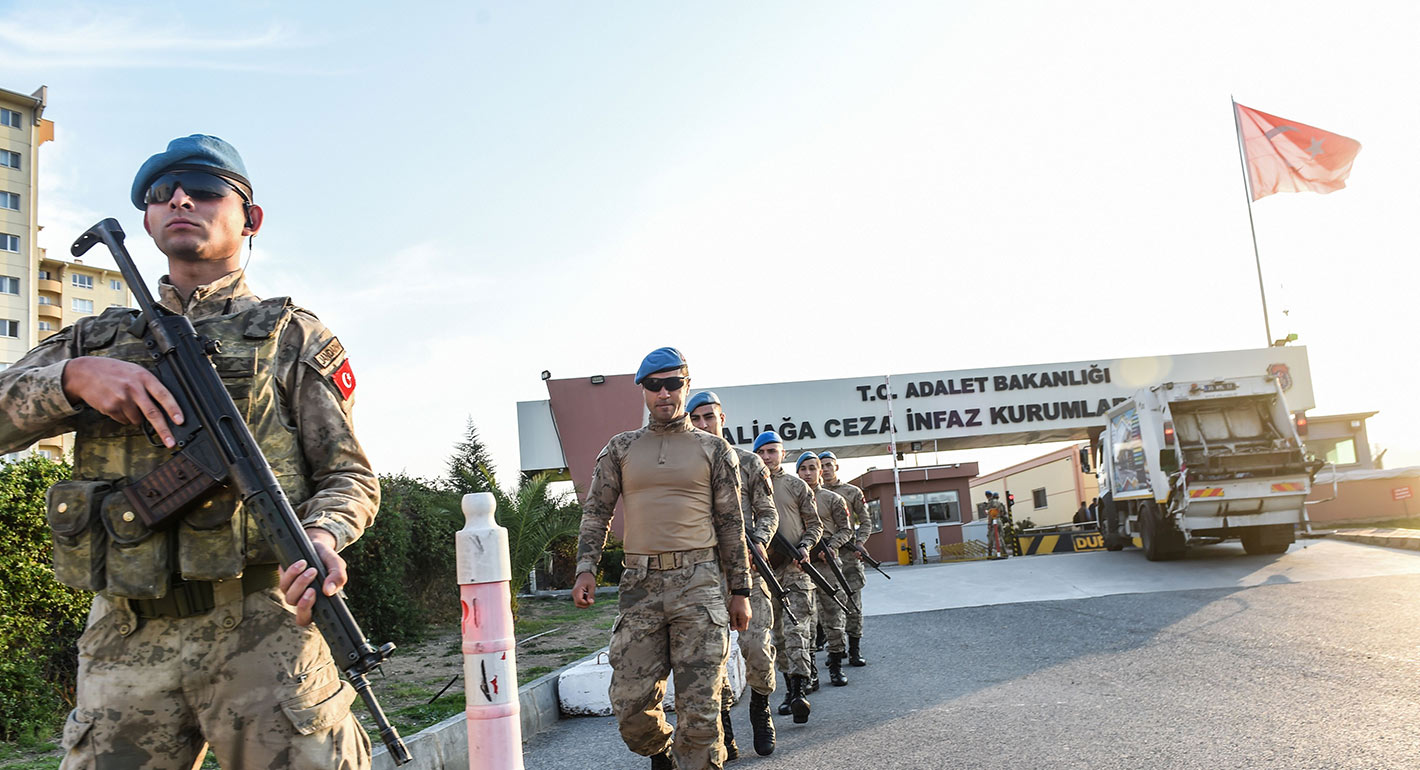
U.S. President Donald Trump has suggested that the United States can devastate Turkey economically. Is he right?
Jarrett Blanc
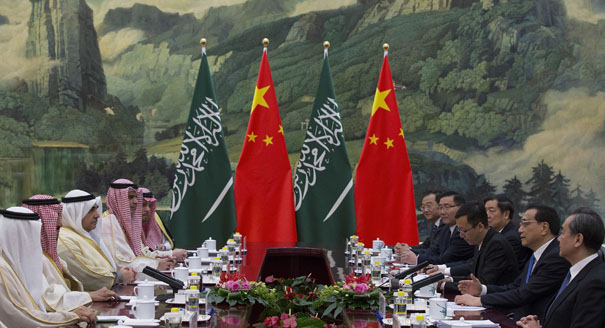
Academic Yang Guang discusses an ambitious plan that includes future Chinese cooperation with the Middle East.

Mohanad Hage Ali
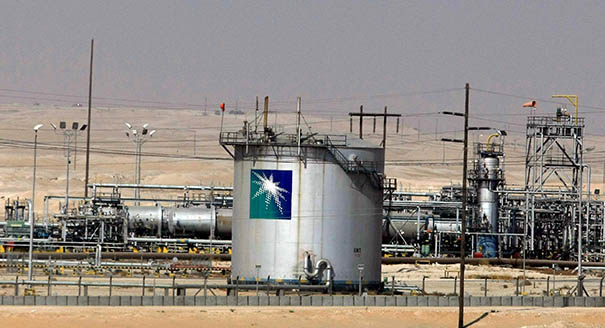
The Middle East is vital to China’s present and future energy interests, but the region’s thorny geopolitics make Chinese state-owned firms hesitant to make large investments there.

Wang Tao
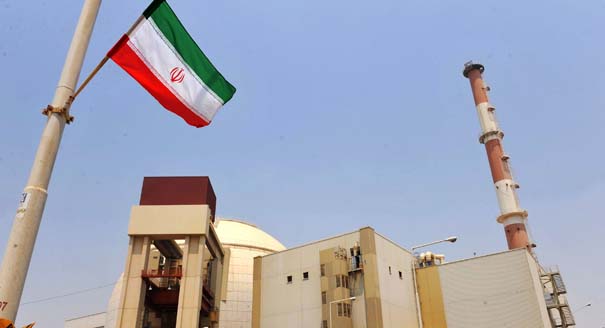
The Iranian nuclear program can at best provide only two percent of Iran’s energy needs. It is an economic catastrophe when compared to the lost foreign investment, oil revenue, and sanctions.

Karim Sadjadpour