

Article
Morocco and Algeria, each in its own way, are having to navigate the global economic fallout of the U.S.-Israeli military campaign against Iran.
Yasmine Zarhloule

REQUIRED IMAGE
Source: Carnegie
Summary
The issue of how best to promote respect for internationally recognized core labor standards in an increasingly interconnected world has become a major stumbling block to progress in international trade negotiations, both at the multilateral and the regional level. This paper represents an effort to shake loose the current policy logjam, in the FTAA/ALCA process and elsewhere, over incorporating labor issues into trade agreements. It attempts to do so by asserting and describing a viable and credible win-win alternative approach that holds the potential for markedly improving the coverage and enforcement of core labor standards without resort to trade sanctions (or insertion of labor issues into trade negotiations).
Click on link above for full text of this Carnegie Paper.
Carnegie does not take institutional positions on public policy issues; the views represented herein are those of the author(s) and do not necessarily reflect the views of Carnegie, its staff, or its trustees.

Morocco and Algeria, each in its own way, are having to navigate the global economic fallout of the U.S.-Israeli military campaign against Iran.

Yasmine Zarhloule
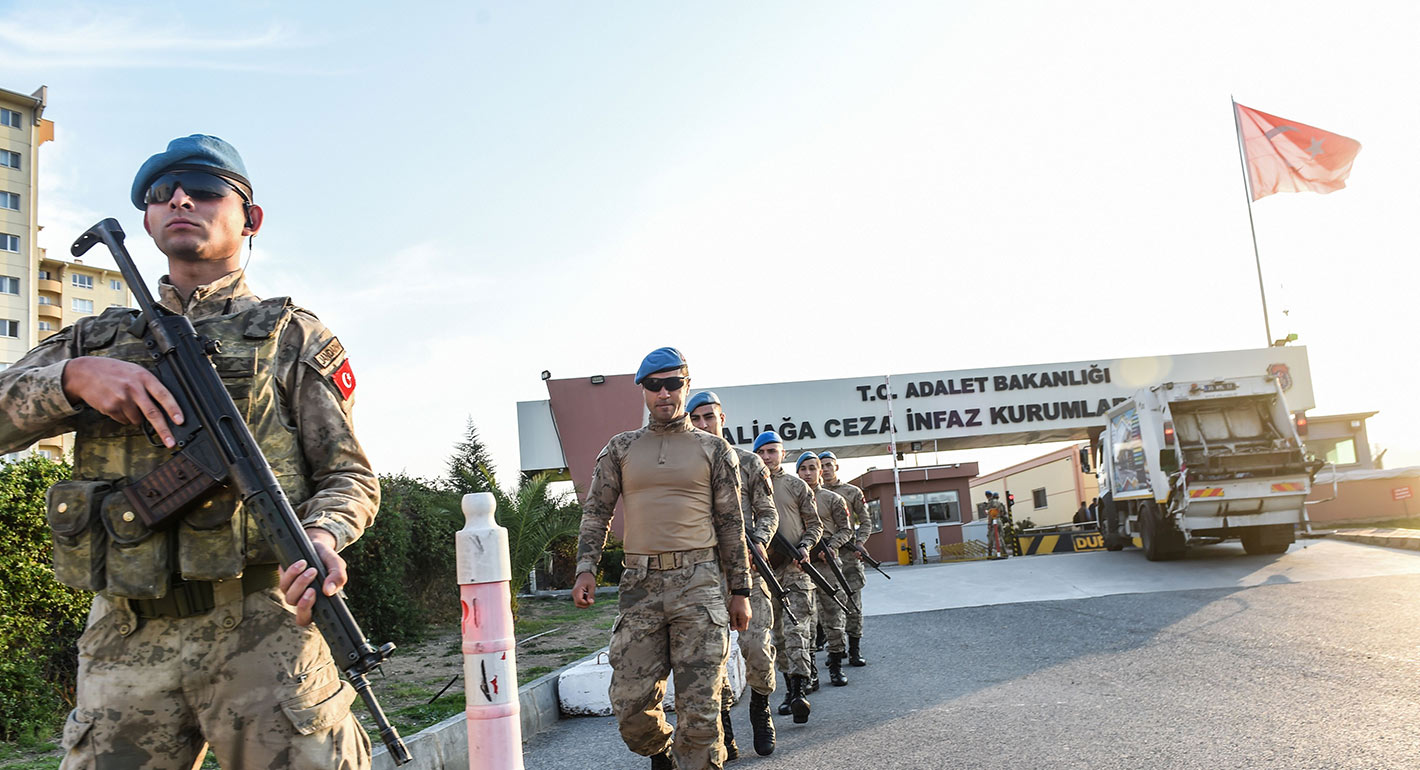
U.S. President Donald Trump has suggested that the United States can devastate Turkey economically. Is he right?

Jarrett Blanc
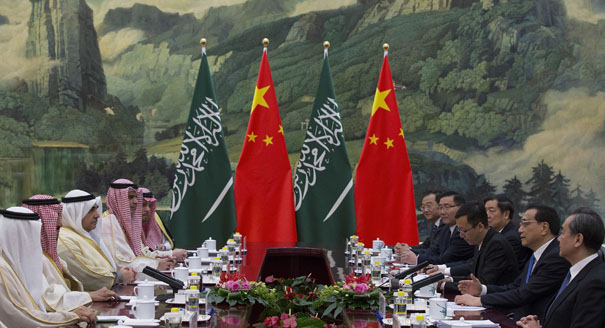
Academic Yang Guang discusses an ambitious plan that includes future Chinese cooperation with the Middle East.

Mohanad Hage Ali
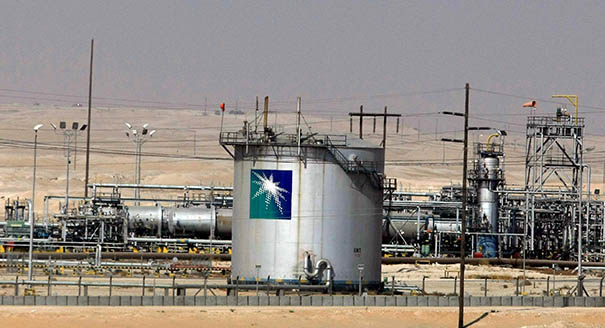
The Middle East is vital to China’s present and future energy interests, but the region’s thorny geopolitics make Chinese state-owned firms hesitant to make large investments there.

Wang Tao
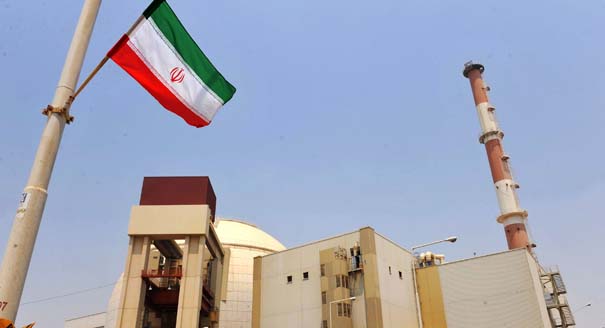
The Iranian nuclear program can at best provide only two percent of Iran’s energy needs. It is an economic catastrophe when compared to the lost foreign investment, oil revenue, and sanctions.

Karim Sadjadpour