

Report
- +2
George Perkovich, Jessica Tuchman Mathews, Joseph Cirincione, …

Source: Washington, DC: Carnegie Endowment for International Peace, 2001
This sixth edition of the Nuclear Status Report, copublished by the Carnegie Endowment and the Monterey Institute, is the most comprehensive and authoritative source for information on Russia's nuclear arsenal, its stockpile of nuclear materials, and the impact of U.S. assistance to reduce the proliferation risks posed by the collapse of the Soviet Union.
Chronicled in this report are many of the major proliferation problems that remain owing to the economic disarray of the Russian nuclear complex, the relatively low priority attached to nonproliferation by senior political leadership, and the inadequacies of safeguards currently in place at many nuclear facilities.
The new features of this report include:

Former Nonresident Scholar, Nuclear Policy Program
Jon Wolfsthal was a nonresident scholar with the Nuclear Policy Program.
Recent Work

George Perkovich, Jessica Tuchman Mathews, Joseph Cirincione, …
Jon Wolfsthal
Carnegie does not take institutional positions on public policy issues; the views represented herein are those of the author(s) and do not necessarily reflect the views of Carnegie, its staff, or its trustees.
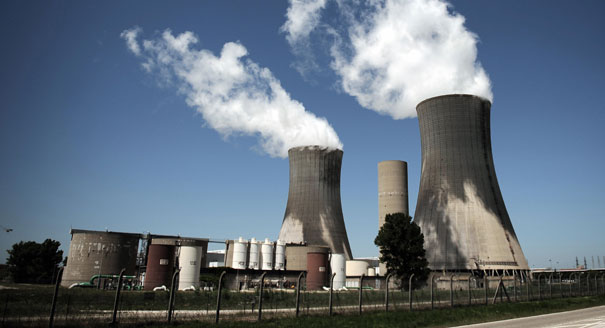
Implementation of the NSG guidelines—including by Pakistan—should significantly reduce the likelihood that Saudi Arabia will enrich uranium anytime soon.

Mark Hibbs
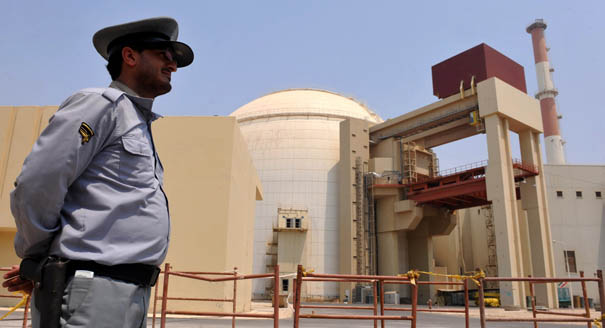
As a number of countries in the Middle East and North Africa seek to meet their growing energy needs, they are forced to weigh the highly contested costs and benefits of nuclear power.

Carole Nakhle
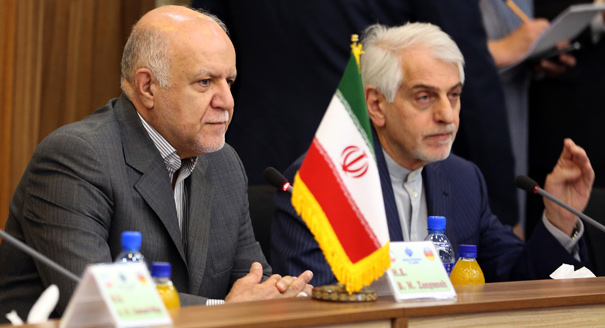
It remains to be seen how much oil and gas Iran will bring to the markets, but the uncertainty will not stop zealous investors from chasing potential opportunities.
Carole Nakhle
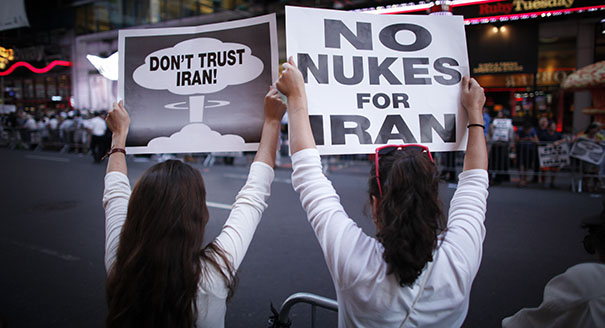
On the basis of what has been made known so far, there is no reason to suspect that the IAEA’s conclusions about Iran won’t be sound.
Mark Hibbs, Thomas Shea
Economic interests, combined with national security considerations, give Turkey an incentive not to seek nuclear weapons.

George Perkovich, Sinan Ülgen