• Research
  • Diwan
  • About
  • Experts
Carnegie Middle East logoCarnegie lettermark logo
PalestineSyria
REQUIRED IMAGE

REQUIRED IMAGE

Paper

Do Judicial Councils Further Judicial Reform? Lessons from Latin America

Link Copied
By Linn Hammergren
Published on Jun 21, 2002

Additional Links

Full Text (PDF)

Source: Carnegie

Summary
Central to judicial reform efforts all around the world are the goals of increasing judicial independence and improving the management of courts. One approach that has gained popularity in the past ten years for addressing these issues is creating independent judicial councils. These organizations take over responsibility from ministries of justice or the judicial power itself for selecting and promoting judges, as well as for administering the courts. The hope is that by moving these powers to a less politicized and less bureaucratic organization, real improvements on both judicial independence and court management can be made.

Latin America has engaged in substantial efforts along this line. Judicial councils were created in a sizeable number of Latin American countries in the last fifteen years, usually with the support, or even at the urging, of outside supporters of judicial reforms, including the U.S. government and various international institutions. These Latin American judicial councils have now accumulated substantial track records. Consequently they represent an important opportunity for learning about the utility of this approach to judicial reform, with great potential relevance to countries in other regions that may contemplate the creation of such institutions in Eastern Europe, the former Soviet Union, Asia, and elsewhere.

Linn Hammergren takes up the challenge of analyzing the record of experience with judicial councils in Latin America and extracting key lessons. The paper is part of a new series commissioned by the Endowment's Democracy and Rule of Law Project to provide thoughtful, practical and challenging analyses of some of the key questions in the field of rule-of-law and foreign investment.

Click on link above for full text of this Carnegie Paper.

About the Author
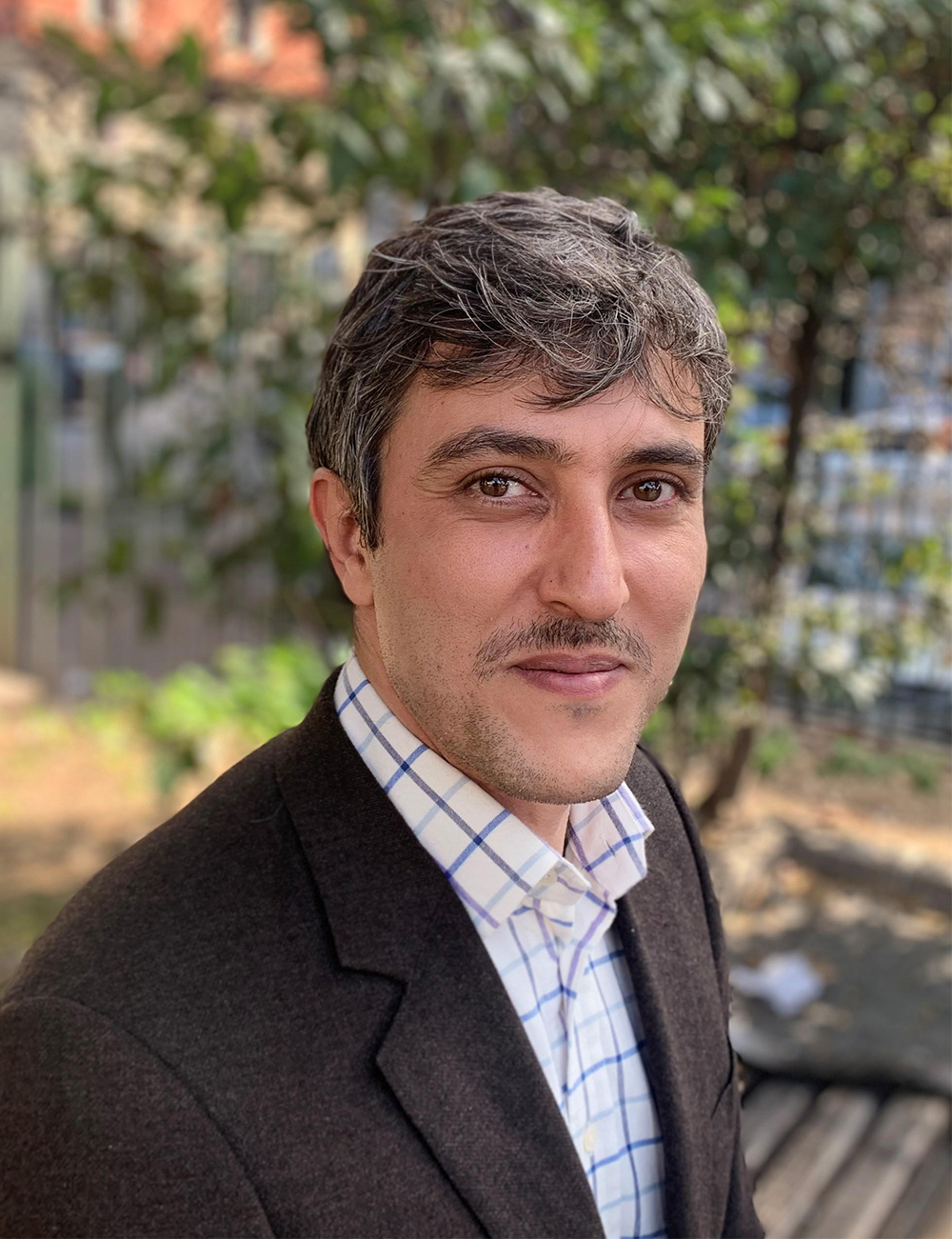
Linn Hammergren is a senior public sector management specialist in the World Bank Latin America regional department, working in the areas of judicial reform and
anti-corruption.

Linn Hammergren
North AmericaPolitical ReformDemocracy

Carnegie does not take institutional positions on public policy issues; the views represented herein are those of the author(s) and do not necessarily reflect the views of Carnegie, its staff, or its trustees.

More Work from Malcolm H. Kerr Carnegie Middle East Center

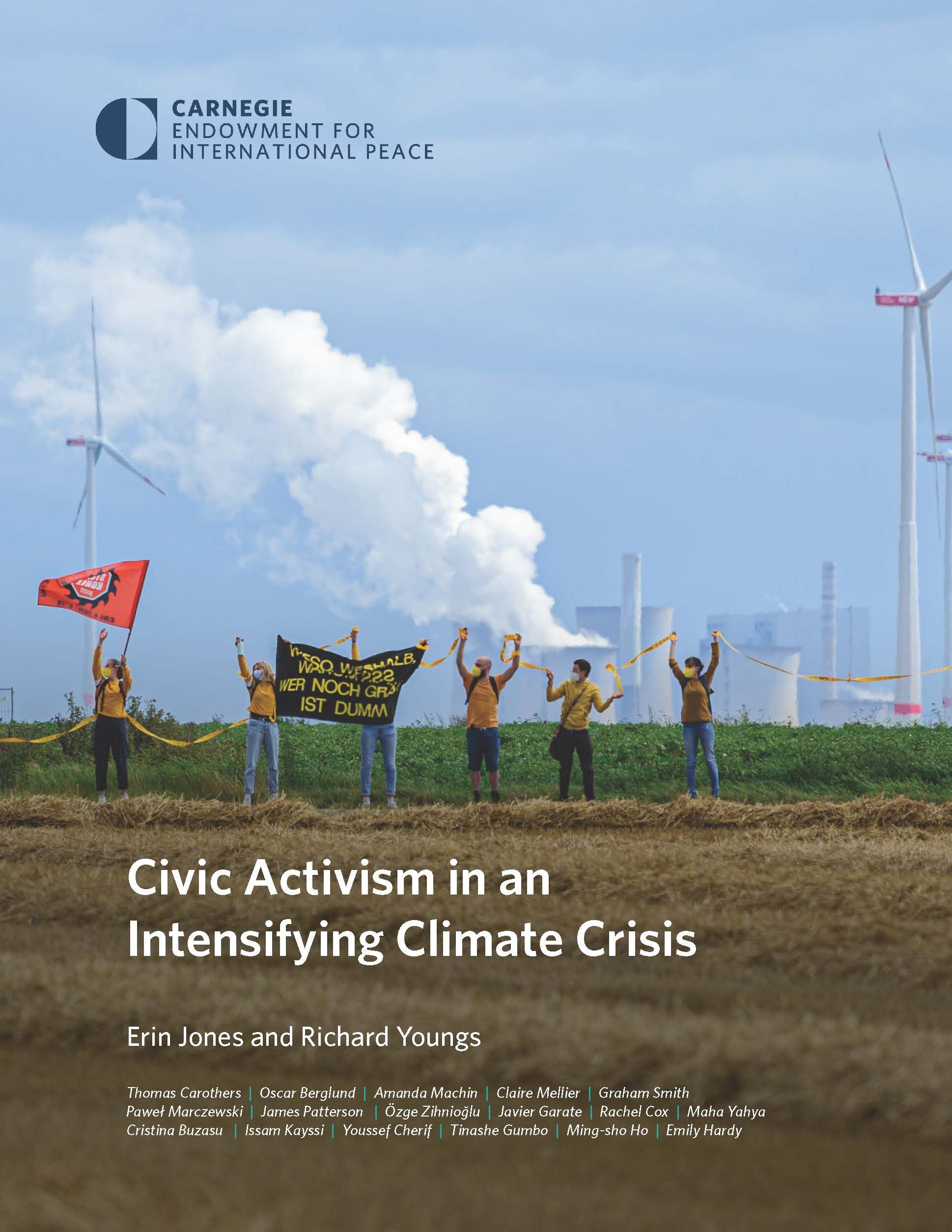
  • Civic Activisim in an Intensifying Climate Crisis
    Research
    Civic Activism in an Intensifying Climate Crisis

    To address the deepening climate crisis, climate activism is employing a wider variety of tactics and aiming at a broader set of goals. In response, the movement faces stronger repression and civic backlash against climate action.

      Erin Jones, Richard Youngs
  • Commentary
    Sada
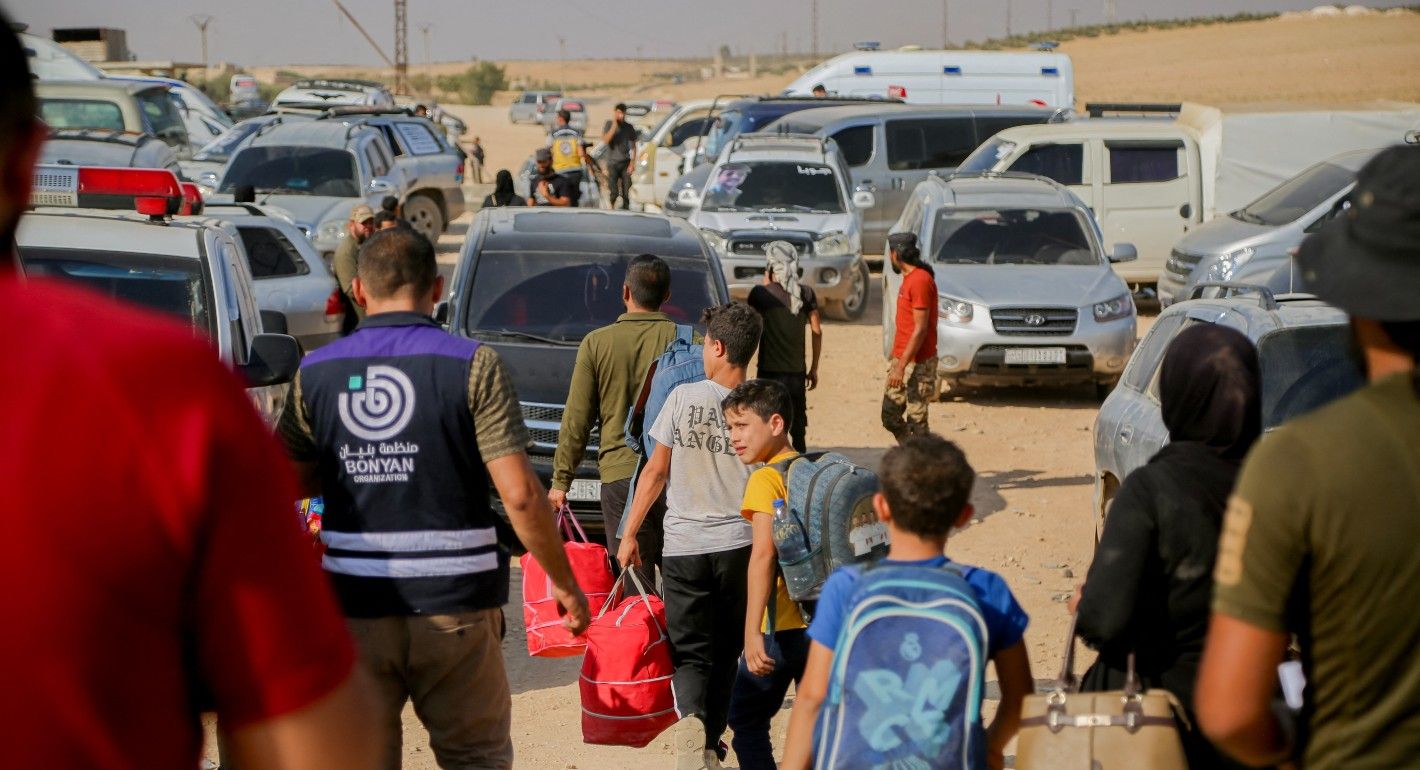
    Navigating Danger: Syrian Refugees in Lebanon Risk Returning

    A humanitarian crisis in Lebanon deepens, and Syrian refugees face a perilous choice: remain in a war-torn environment or return to Syria where they risk encountering significant dangers and discrimination. There are significant challenges and risks to their search for safety in Syria.

      Haid Haid

  • Paper
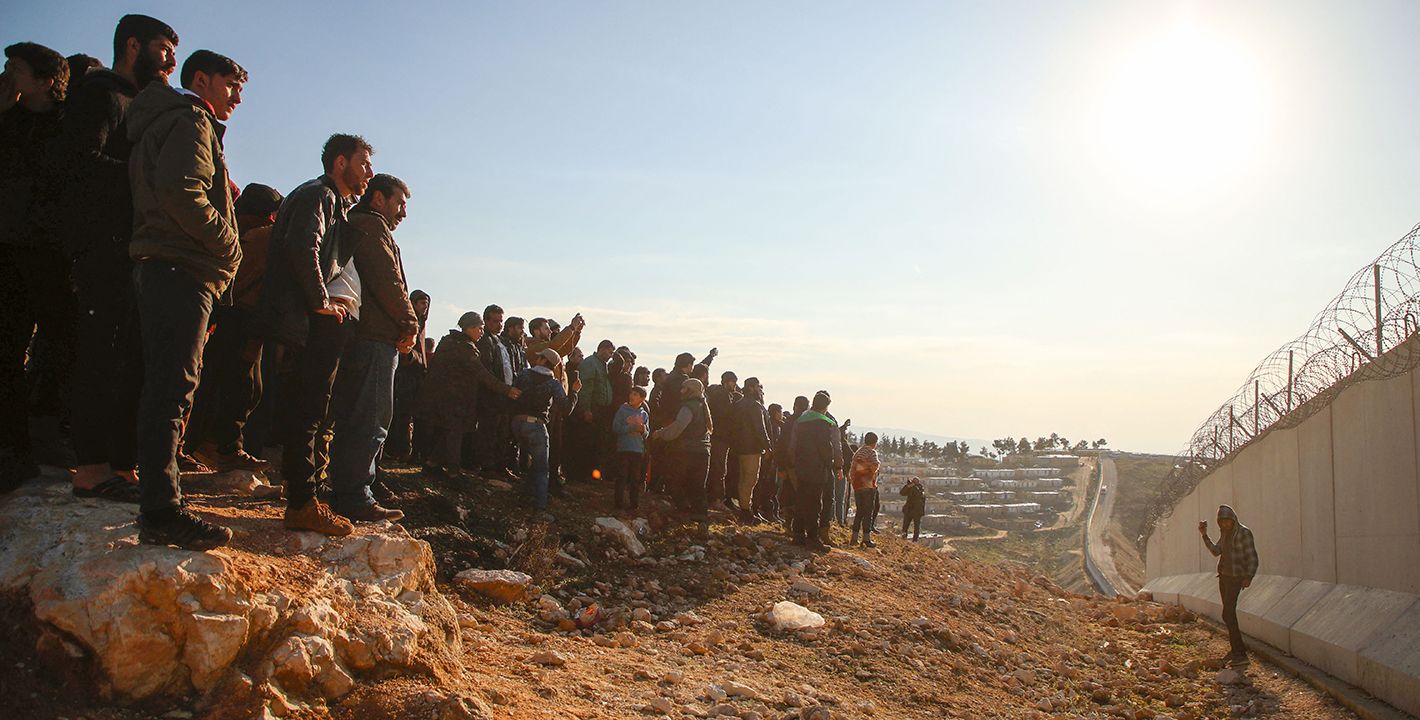
    Borders Without a Nation: Syria, Outside Powers, and Open-Ended Instability

    In Syria’s border regions, changes in demographics, economics, and security mean that an inter-Syrian peace process will require consensus among main regional powers that Syria must remain united, that no one side can be victorious, and that perennial instability threatens the region.

      Kheder Khaddour, Armenak Tokmajyan

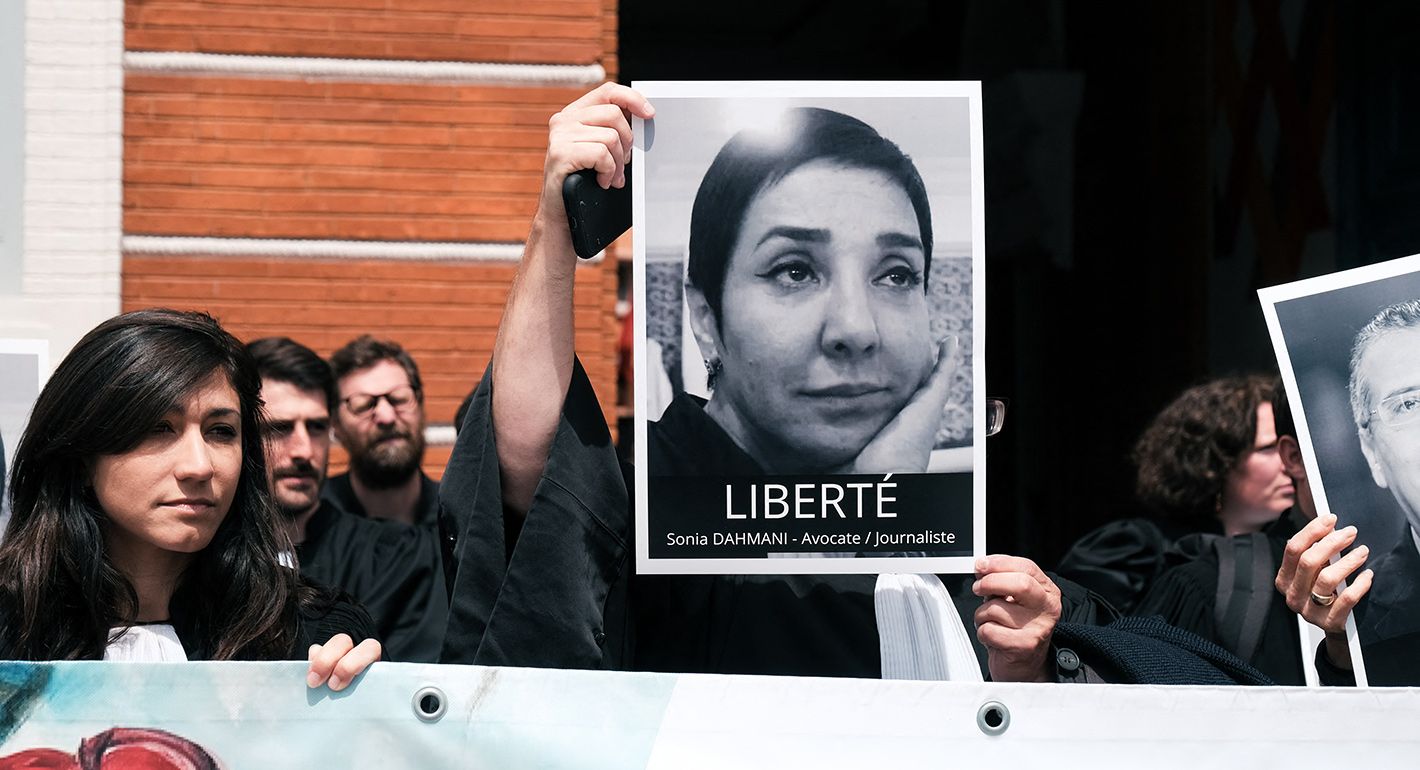
  • Rally organized by lawyers from the Toulouse Bar to protest against the arrest of their Tunisian colleague Sonia Dahmani and journalists, in front of the consulate in Toulouse, southwest of France, on May 16, 2024
    Commentary
    Diwan
    Why Tunisia Lost Faith in Democracy

    For many in the society, the post-Ben Ali years were mainly about successive economic crises and political instability.

      Jasmine Khelil

  • Commentary
    Diwan
    Setting Up an Arab Civil War

    The Biden administration’s plan for the “day after” in Gaza would be disastrous without the promise of Palestinian statehood.

      Yezid Sayigh

Get more news and analysis from
Malcolm H. Kerr Carnegie Middle East Center
Carnegie Middle East logo, white
  • Research
  • Diwan
  • About
  • Experts
  • Projects
  • Events
  • Contact
  • Careers
  • Privacy
  • For Media
Get more news and analysis from
Malcolm H. Kerr Carnegie Middle East Center
© 2026 Carnegie Endowment for International Peace. All rights reserved.