

Commentary
In an interview, Ishac Diwan looks at the merits and flaws in the draft legislation distributing losses from the financial collapse.
Michael Young

REQUIRED IMAGE
Within a few years, ten former communist countries are supposed to become members of the European Union (EU). The question immediately arises what this enlargement of the EU will mean to the twelve former Soviet countries of the Commonwealth of Independent States (CIS). The effects will be many and multifaceted, both qualitative and quantitative.
Source: Carnegie
Summary
Within a few years, ten former communist countries are supposed to become members of the European Union (EU). The question immediately arises what this enlargement of the EU will mean to the twelve former Soviet countries of the Commonwealth of Independent States (CIS). The effects will be many and multifaceted, both qualitative and quantitative.
This paper deals with the impact of the current EU enlargement on the CIS countries. The authors discuss the major issues, namely GDP growth, trade, financial flows, migration, and the impact on the overall economic system.
Click on link above for full text of this Carnegie Paper.
About the Authors
Anders Åslund is senior associate in the Russian and Eurasian Program at the Carnegie Endowment. Andrew Warner is an economist at the National Bureau for Economic Research.
A limited number of print copies are available.
Request a copy.
Former Senior Associate, Director, Russian and Eurasian Program
Andrew Warner
Carnegie does not take institutional positions on public policy issues; the views represented herein are those of the author(s) and do not necessarily reflect the views of Carnegie, its staff, or its trustees.
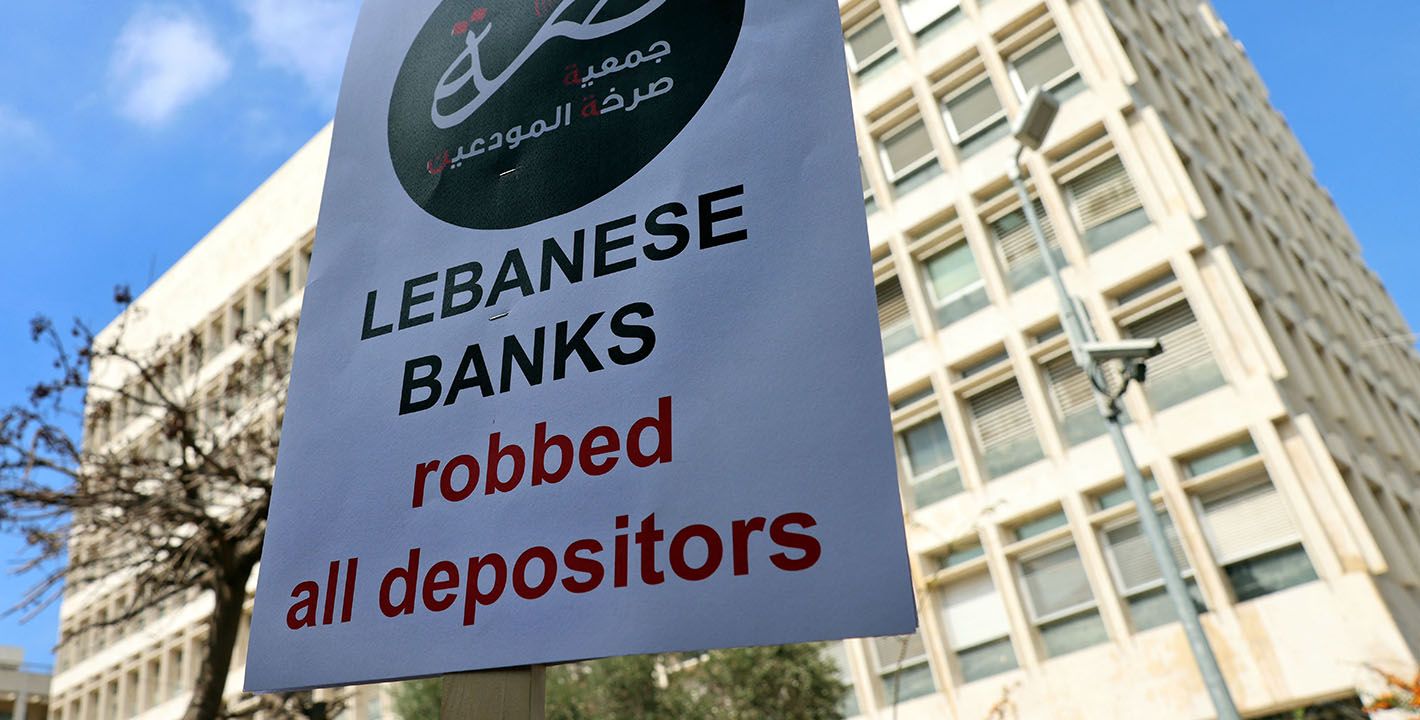
In an interview, Ishac Diwan looks at the merits and flaws in the draft legislation distributing losses from the financial collapse.

Michael Young
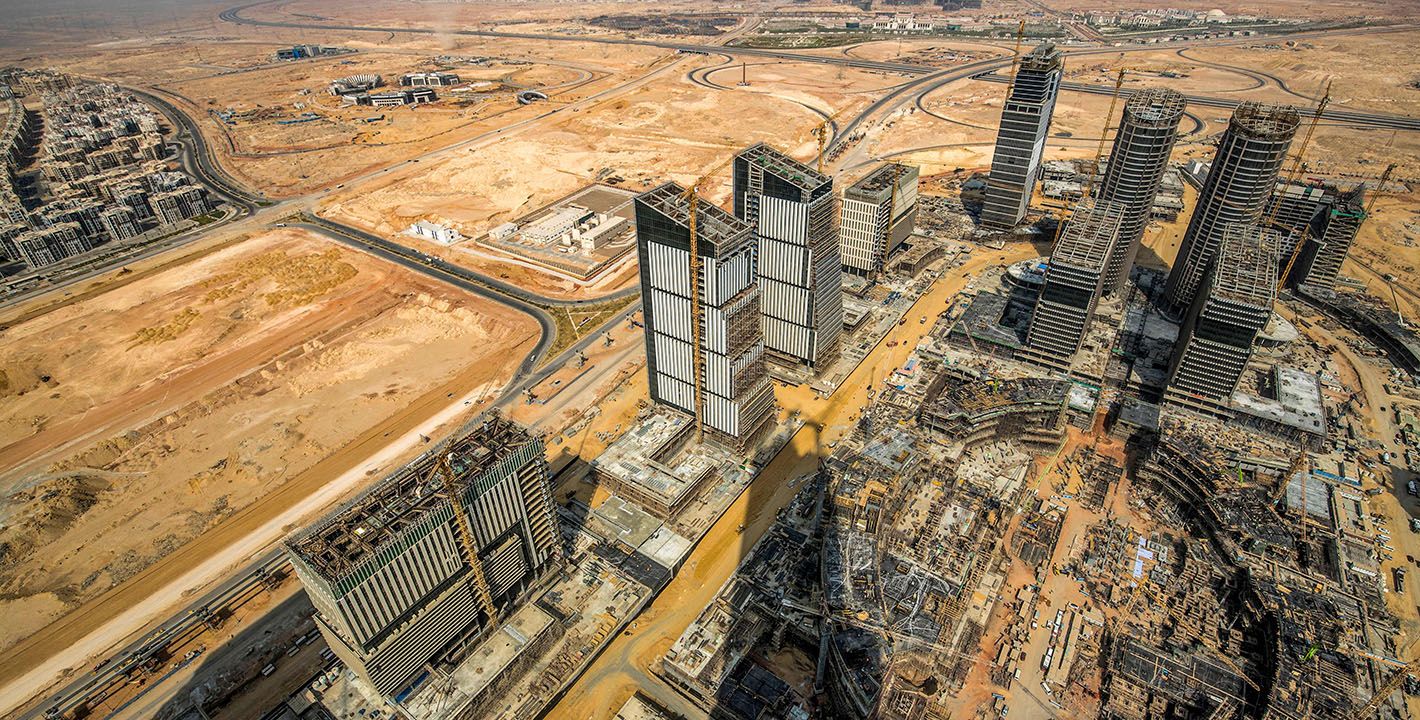
Mustaqbal Misr has expanded its portfolio with remarkable speed, but a lack of transparency remains.

Yezid Sayigh
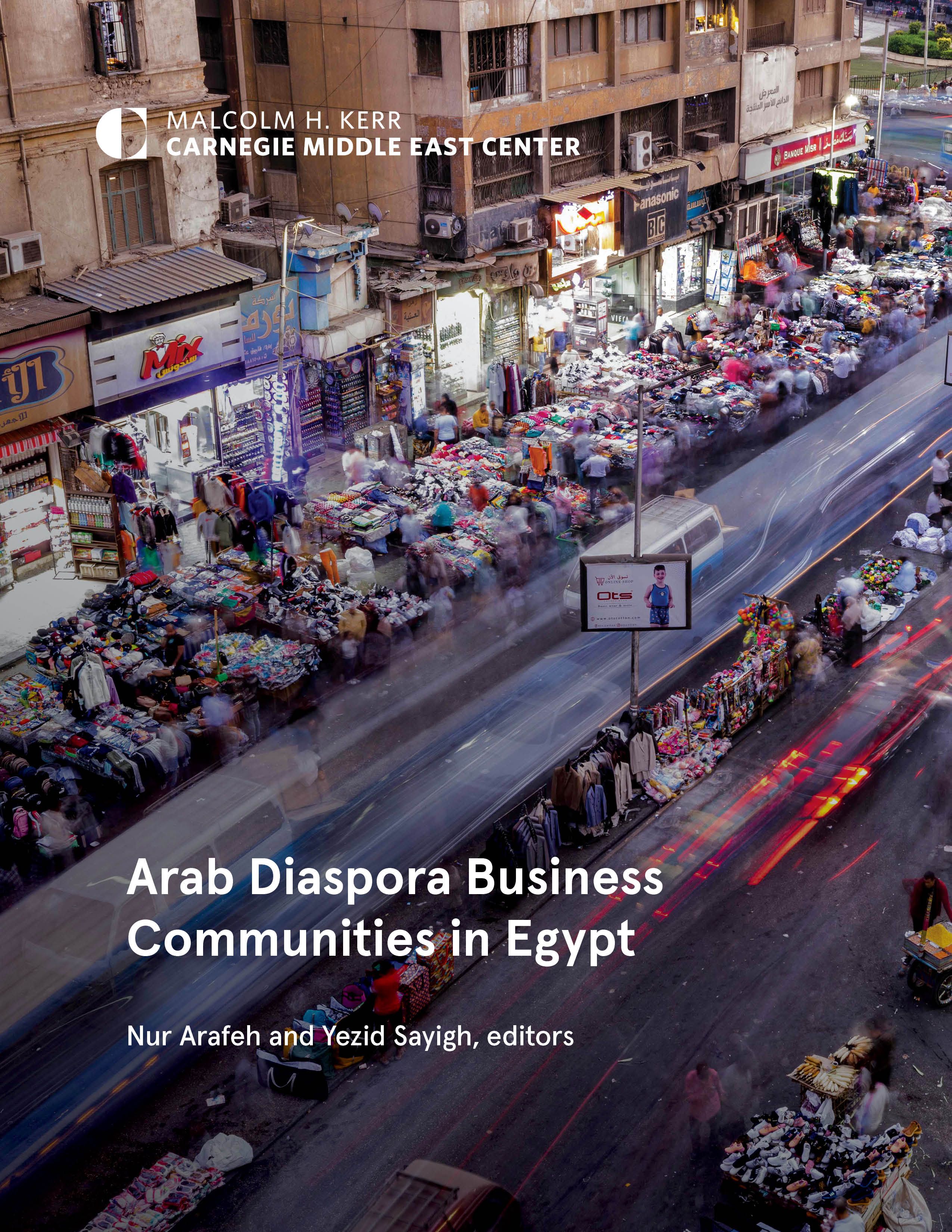
Arab diaspora business communities in Egypt often mirror the same systemic challenges facing Egyptian businesses.
Nur Arafeh, Yezid Sayigh, Qaboul al-Absi, …

Largely characterized thus far by a single-minded focus on extractivism, Riyadh must commit to greater equitability in its approach to investment and development deals with Sudan, Ethiopia, and Eritrea.

Hesham Alghannam
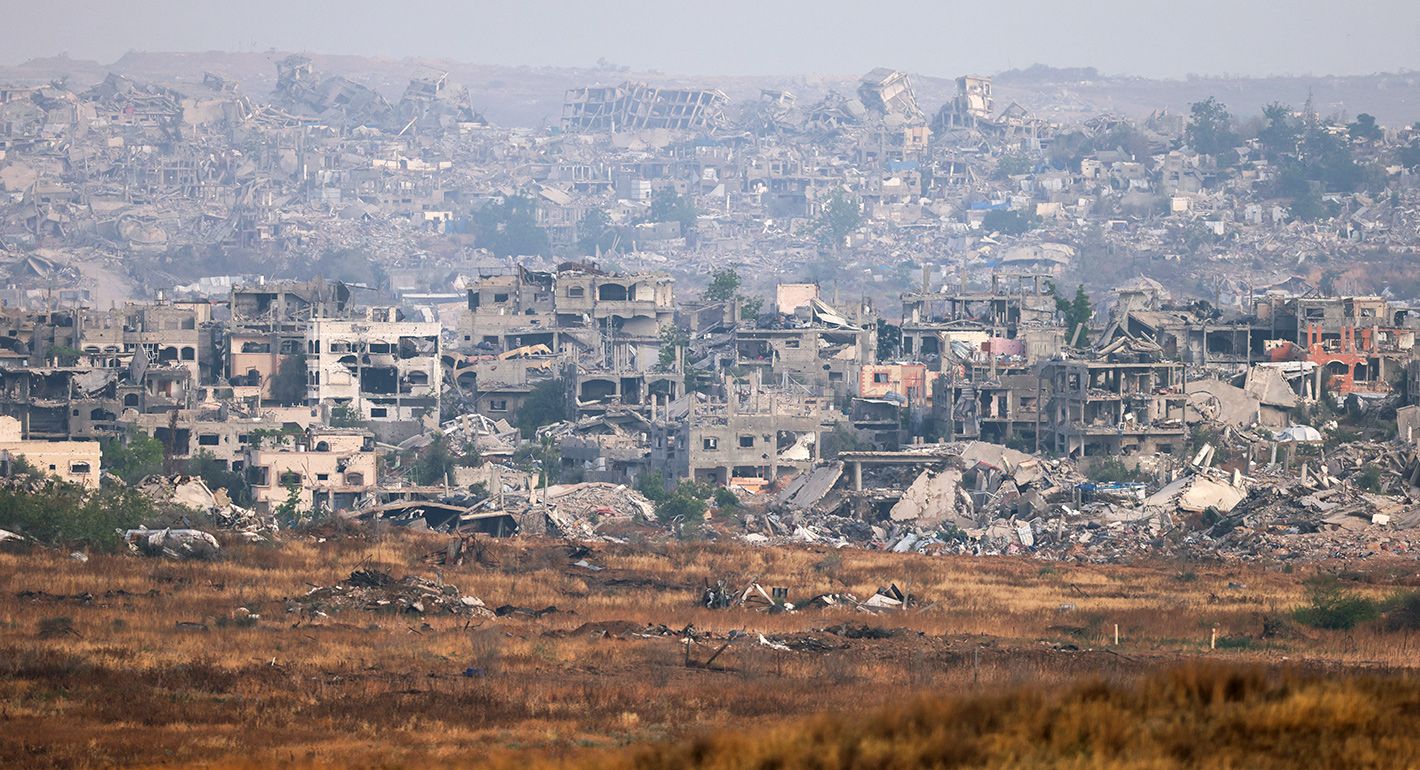
Once Israel’s war in the territory is brought to an end, the foundational principles guiding reconstruction should be Palestinian self-determination, local agency, and sovereignty.
Nur Arafeh, Mandy Turner