


Report
- +2
George Perkovich, Jessica Tuchman Mathews, Joseph Cirincione, …

REQUIRED IMAGE
Although South Africa has declared its fissile material inventory to the IAEA, it has not revealed the exact figures to the public. Until complete transparency is achieved, questions will remain about South Africa's nuclear weapon complex, its continued enrichment activities, and the true extent of its non-proliferation commitment.
South Africa this month celebrates a decade of peaceful democratic rule. It was also 10 years ago that South Africa completed the dismantlement of its secret nuclear weapon program. South Africa was the first state in the world to give up its nuclear weapon capability voluntarily.
Since 1991 South Africa has made the transition from a threshold nuclear weapon state to become a responsible participant in the nuclear non-proliferation regime. It is the first nation to develop and possess nuclear weapons and then renounce them. In a historic reform of South Africa's politics, President F. W. de Klerk ended the country's decades-long policy of racial separation and brought an end to white minority rule. Democratic elections in April 1994 brought Nelson Mandela to the presidency. Mandela's successor, Thabo Mbeki, remains committed to the Nuclear Non-Proliferation Treaty, which South Africa joined in 1991. The highly enriched weapons-grade uranium produced during the 1970s and 1980s remains in South Africa under IAEA inspection. Despite these positive signs, however, some concerns remain. South Africa is estimated to have about 330 kilograms of weapons-grade uranium and another 55 kilograms of 80 percent enriched uranium.
South Africa has disbanded its former secret biological and chemical warfare programs. It has ratified both the Biological Weapons Convention and the Chemical Weapons Convention.
When South Africa dismantled its advanced, but clandestine, nuclear weapon program to assume a leading role in the movement for nonproliferation, it reflected the immense political changes that took place during the 1990s. On March 24, 1993, President de Klerk disclosed that South Africa had destroyed six nuclear devices that had been produced as part of its secret nuclear weapon program. By 1994 the government had dismantled the entire associated weapon infrastructure under international inspection. South Africa acceded to the NPT on July 10, 1991, concluding a full-scope safeguard agreement with the International Atomic Energy Agency the following September. All its nuclear plants and all previously produced enriched uranium were placed under IAEA safeguards. South Africa became a member of the Zangger Committee in 1993 and of the Nuclear Suppliers Group in 1995. It played a leading role in the establishment of the African Nuclear Weapons Free Zone Treaty (the Treaty of Pelindaba) in 1996, becoming one of the treaty's first members in 1997. South Africa signed the Comprehensive Test Ban Treaty in 1996 and ratified it in 1999. Parallel changes took place with respect to its chemical and biological weapon programs.
Although South Africa has declared its fissile material inventory to the IAEA, it has not revealed the exact figures to the public. Moreover, scientists who had previously worked on the nuclear weapon and missile programs constitute a proliferation risk, and reports indicate that some South African scientists are now working in Middle East countries. Other reports suggest that the Atomic Energy Corporation (AEC) secretly sold China equipment from its dismantled nuclear facilities. Until complete transparency is achieved, questions will remain about South Africa's nuclear weapon complex, its continued enrichment activities, and the true extent of its non-proliferation commitment.
This analysis is excerpted from Deadly Arsenals: Tracking Weapons of Mass Destruction by Joseph Cirincione with Jon Wolfsthal and Miriam Rajkumar.
Additional Resources:
Former Senior Associate, Director for NonProliferation
Recent Work


George Perkovich, Jessica Tuchman Mathews, Joseph Cirincione, …
Joseph Cirincione
Carnegie does not take institutional positions on public policy issues; the views represented herein are those of the author(s) and do not necessarily reflect the views of Carnegie, its staff, or its trustees.

In an interview, Marc Lynch discusses his new book decrying the post-1990 U.S.-dominated order in the Middle East.

Michael Young
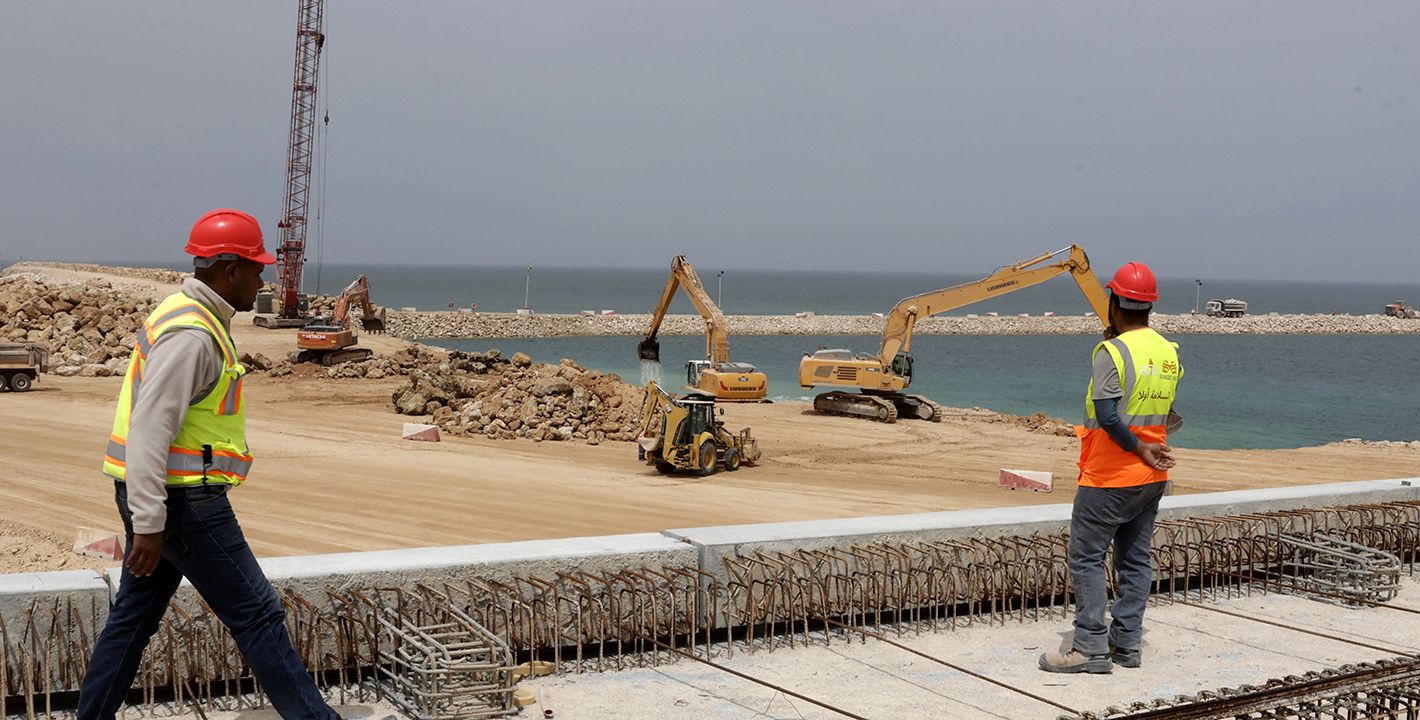
The Moroccan-Algerian rivalry is playing itself out in ties with Burkina Faso, Niger, and Mali.

Yasmine Zarhloule
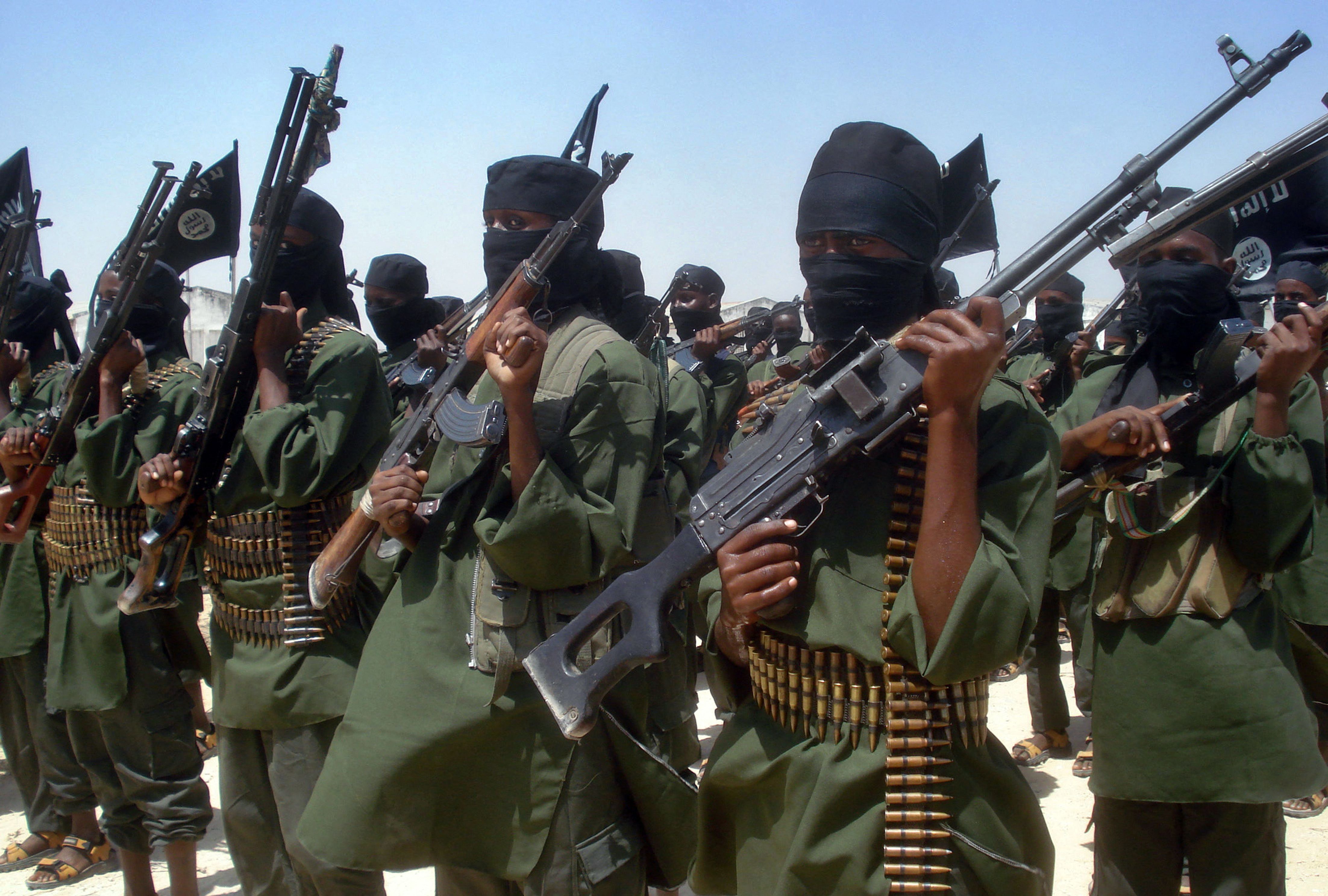
The Yemeni group, like its main backer Iran, has established contacts with al-Shabab and the Islamic State in Somalia, showing how pragmatism prevails when geopolitical goals demand it, and all sides share an enmity for the United States and Israel.
Ibrahim Jalal, Adnan al-Jabarni
The interaction of national armed forces and private business sectors offers a useful lens for viewing the politics of numerous countries of the so-called Global South. A rising trend of military political activism—often accompanied by military commercial activity—underlines the importance of drivers and outcomes in these relationships.

Yezid Sayigh, Hamza Meddeb
One year ago, Tunisian President Kais Saied’s self-coup put the country’s democratic transition in jeopardy. Carnegie experts examine the key aspects of Tunisia’s stalled transition through a comparative lens, both with other countries’ transitions and Tunisia’s own sectoral changes over time.


Sarah Yerkes, Jennifer McCoy, Paul Stronski, …