

Commentary
As the U.S. stumbles in its war with Iran, we are likely to see an acceleration of its disengagement from the region.
Michael Young

REQUIRED IMAGE
An Iranian opposition group has accused Iran of smuggling in weapons-grade uranium and bomb designs from the A.Q. Khan network and hiding a uranium enrichment facility. On November 17, the National Council of Resistance (NCR) told reporters that in 2001, A.Q. Khan gave Iran a small quantity of highly enriched uranium (HEU), though not enough to make a bomb.
An Iranian opposition group has accused Iran of smuggling in weapons-grade uranium and bomb designs from the A.Q. Khan network and hiding a uranium enrichment facility. On November 17, the National Council of Resistance (NCR) told reporters that in 2001, A.Q. Khan gave Iran a small quantity of highly enriched uranium (HEU), though not enough to make a bomb. Between 1994 and 1996, the group said Khan gave Iran a Chinese-developed warhead design, the same design that the nuclear black-marketer sold to Libya. Iran deemed these claims outright lies and Pakistan also questioned their validity. Pakistan says they are investigating the accusations and cooperating with the IAEA, though they have not allowed the IAEA to question Khan.
NCR said Iran was aiming to get a bomb by the middle of next year, which is two years ahead of Israeli estimates and years ahead of other estimates. NCR is the political arm of Mujaheedin-e-Khalq (MEK). Both are listed as terrorist organizations by the U.S. State Department.
The dissident group has provided accurate information in the past, blowing the whistle on the enrichment plant at Natanz and the heavy water reactor at Arak in 2002. Both sites were later acknowledged by Iran and declared to the IAEA. If these new allegations are proven to be true, they would be the first proof that Iran is engaged in actual nuclear weapon activities. Up to this point, Iran has breached its obligations to declare activities and facilities but all of these, Iranian officials say, are for peaceful civilian development of nuclear fuel, not weapons. The new IAEA report found no evidence of weapon-related activities. Proof of such a program would likely kill the EU deal and dramatically increase the likelihood that the IAEA Board of Governors would refer Iran to the UN Security Council.
But the group may have its own agenda and the charges cannot be proved or disproved without an IAEA inspection of the site, which the agency has now requested. Iraqi dissident claims about Saddam Hussein's weapons programs were equally detailed and specific, but none proved to be true.
NCR also claimed that despite Iran’s deal with France, Britain and Germany to freeze all enrichment activity, announced earlier this week, Iran continues to enrich uranium at a secret site in the Lavisan district of northeastern Tehran. The site, known as Center for the Development of Advanced Defense Technology, covers 60 acres and the group claims it houses biological and chemical warfare programs as well as a uranium enrichment facility using an unknown number of centrifuges. NCR alleged that this site holds operations that were previously at Lavisan-Shian, a site razed earlier this year.
In June 2004, the Institute for Science and International Security (ISIS) speculated about the possibility of nuclear activity at Lavisan-Shian. The IAEA then requested an inspection. Iran allowed inspectors to come to the site that month, but buildings at the site had been dismantled and the ground scraped. Iran stated that the site was razed due to a dispute between the Municipality of Tehran and the Ministry of Defense and provided IAEA documents to support this explanation. The IAEA reports that inspectors collected environmental samples, and detected no nuclear material in the samples, but notes that such detection would be very difficult in light of the razing of the site. "The Agency is not in a position to verify the nature of activities that have taken place there," the report concludes.
A spokesperson for NCR said there were more undeclared sites in Iran involving uranium enrichment, but these had not been verified by their sources. Officials of the opposition group also said they believed that Iranian Defense Ministry and Revolutionary Guards Corps were pursuing the nuclear weapons program without the knowledge of Iran’s Atomic Energy Agency.
Revati Prasad
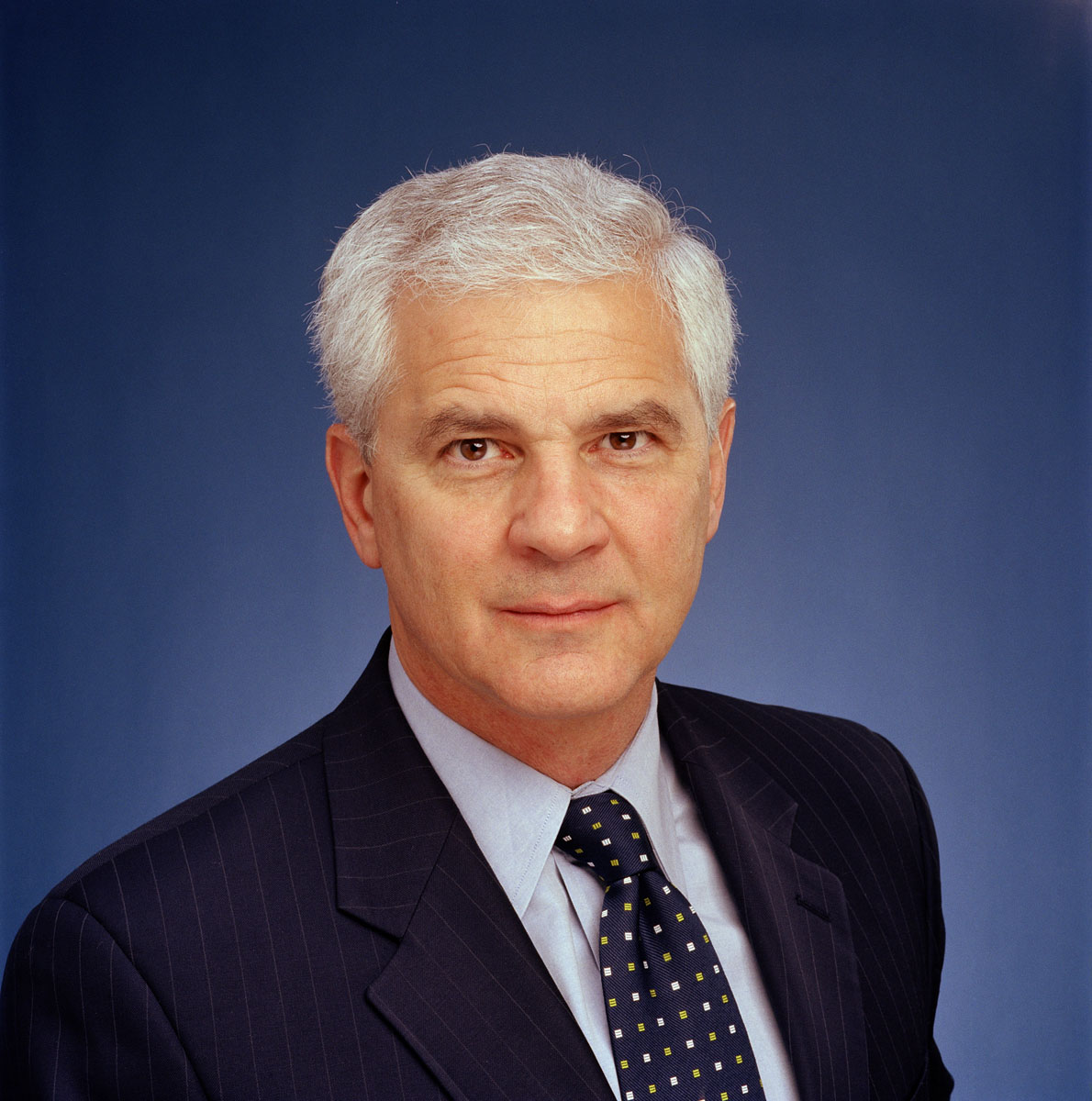
Former Senior Associate, Director for NonProliferation
Carnegie does not take institutional positions on public policy issues; the views represented herein are those of the author(s) and do not necessarily reflect the views of Carnegie, its staff, or its trustees.

As the U.S. stumbles in its war with Iran, we are likely to see an acceleration of its disengagement from the region.

Michael Young

Middle Eastern states should welcome an accelerated U.S. disengagement from their region.
Michael Young

In an interview, former ambassador Charles Freeman assesses the Trump administration’s war against Iran.
Michael Young

The accord represents a pivotal moment in the region to avert a security vacuum in the Gulf.


Azeema Cheema, Mohanad Hage Ali

In an interview, Jason Burke discusses his sweeping account of the “revolutionists” who so shaped the 1970s and early 1980s.
Michael Young