

Commentary
In an interview, Marc Lynch discusses his new book decrying the post-1990 U.S.-dominated order in the Middle East.
Michael Young

REQUIRED IMAGE
Kuwait has made exemplary strides towards democratic reform over the last two years, but deep tensions between the ruling Al Sabah family and the parliament, as well as fractures within the political opposition, could hinder future progress, according to a new paper from the Carnegie Endowment.
Source: Carnegie Endowment
Kuwait has made exemplary strides towards democratic reform over the last two years, but deep tensions between the ruling Al Sabah family and the parliament, as well as fractures within the political opposition, could hinder future progress, according to a new paper from the Carnegie Endowment.
In the last two years women were given the right to vote, a law banning public gatherings was overturned, restrictions on new media outlets were curbed, and a key election has brought about important electoral system reform. In Kuwait: Politics in a Participatory Emirate, Paul Salem, director of the Carnegie Middle East Center, examines these recent reform successes in Kuwait and points to key areas for further advancement and hindrances to future reforms.
Key findings:
• The opposition alliance that brought about sweeping electoral reform is weak and shows signs of splintering. Major differences exist between factions in the opposition, particularly between Islamist and non-Islamists, who disagree over the role of Islam in the political system and society.
• Although Parliament is enjoying newfound power, it lacks the political institutions to evaluate and recommend sound domestic policies. Increased fighting within Parliament has derailed policies without proposing alternatives.
• Regional instability, not domestic reversal, remains Kuwait’s greatest threat due to its geographic position—a small country among large neighbors in an explosive corner of the world.
• Participatory and constitutional politics are deeply rooted in Kuwaiti history—reform has not been imported from abroad, nor is it an ill-fitting vestige of colonial influence. The constitution is viewed as the backbone of the system and is not to be manipulated or disregarded, like constitutions in much of the region. On the other hand, reformers are reluctant to push for some changes that require amending the constitution, limiting the debate on reform.
• Oil remains Kuwait’s sole economic driving force and the dominance of the state in this sector means that the bulk of the population is comfortably employed by the state—contributing to apathy in society and protecting the status quo. However, oil income accrues to the Kuwaiti state, not to the ruling family, and thus dependence on the oil sector does not mean dependence on the Sabah family.
“While Arab republics have regressed into military or one-party dictatorships or collapsed into failed states, and even recently promising Arab monarchies like Jordan have pulled back from real democratic accommodation and empowerment, Kuwait increasingly stands out as an important, even if imperfect, example,” writes Salem.
A limited number of print copies of this Carnegie Paper are available.
Request a copy
About the Author
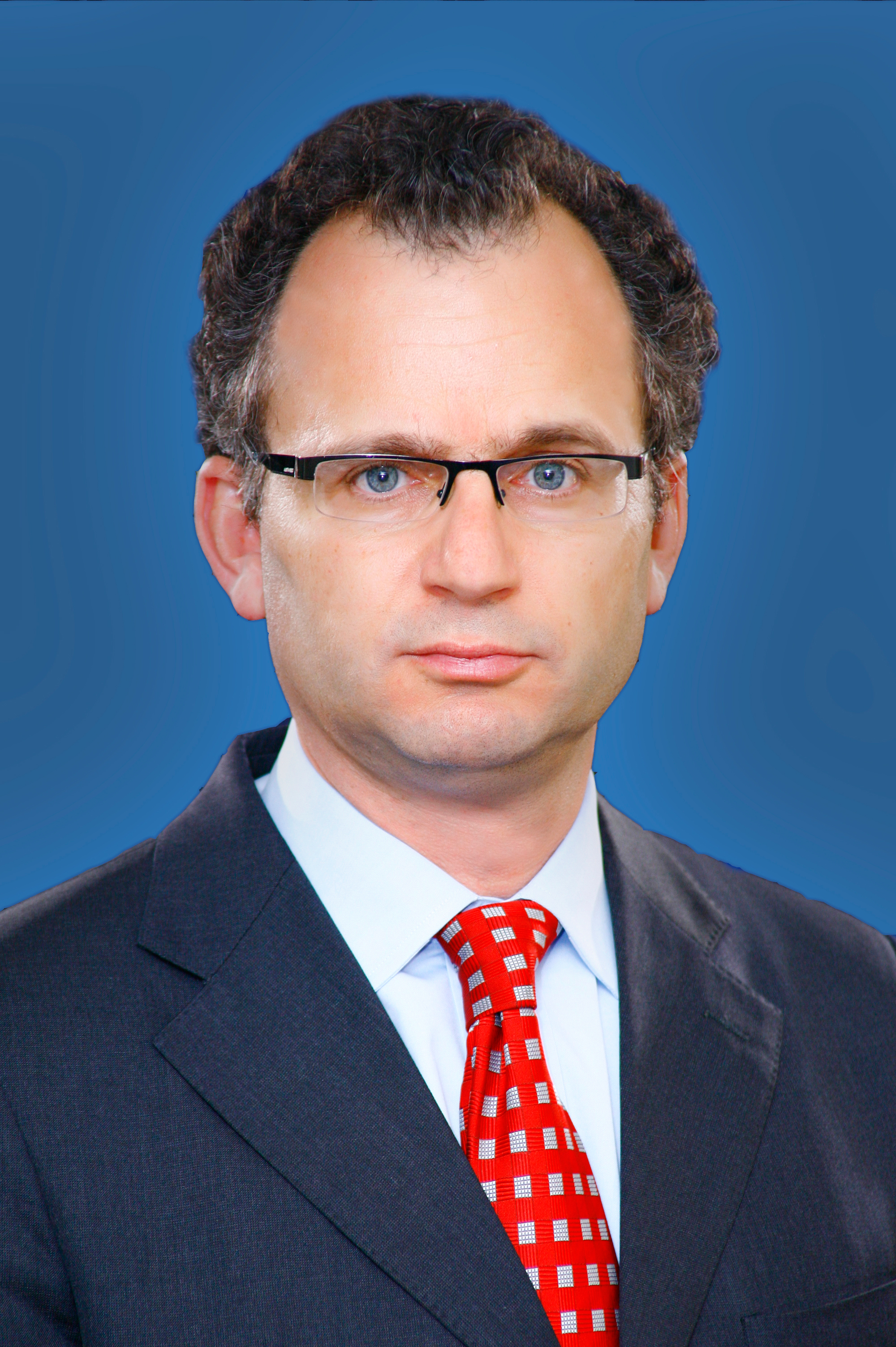
Paul Salem is the director of the Carnegie Middle East Center. He previously served as the director of the Fares Foundation, and was founder and director of the Lebanese Center for Policy Studies, Lebanon’s leading public policy think tank.
Senior Fellow at the Middle East Institute
Paul Salem is a senior fellow at the Middle East Institute.
Senior Fellow at the Middle East Institute
Paul Salem is a senior fellow at the Middle East Institute.
Carnegie does not take institutional positions on public policy issues; the views represented herein are those of the author(s) and do not necessarily reflect the views of Carnegie, its staff, or its trustees.
In an interview, Marc Lynch discusses his new book decrying the post-1990 U.S.-dominated order in the Middle East.

Michael Young

Because perpetual conflict enhances control, offers economic benefits, and allows leaders to ignore popular preferences.

Angie Omar
The community already suffers social discrimination, so addressing inequalities requires sustained interventions.
Musaed Aklan , Mohammad Al-Saidi

In an interview, Jim Lamson discusses the ongoing regional conflict and sees an unclear picture when it comes to winners and losers.
Michael Young
Mitigating the repercussions of climate change in Kuwait is crucial for lessening economic disparities and achieving social justice.
Courtney Freer