

Article
The Lebanese authorities’ clampdown on illicit cross-border activity threatens to leave inhabitants of the historically neglected village, and the wider Akkar region, in an economically precarious position.
Mohanad Hage Ali

REQUIRED IMAGE
Women’s participation in Islamist movements reflects a growing trend toward women’s activism in the Arab world, though quite different from Western norms.
Source: Carnegie Endowment
Islamist women are increasingly involved in political processes and could spawn a full-fledged Islamist movement for women’s rights, finds a new study by the Carnegie Endowment. In Women in Islamist Movements: Toward an Islamist Model of Women’s Activism, Carnegie scholars Omayma Abdellatif and Marina Ottaway argue that women’s participation in Islamist movements reflects a growing trend toward women’s activism in the Arab world, though quite different from Western norms.
Through interviews and conversations with women belonging to Lebanon’s Hizballah, Egypt’s Muslim Brotherhood, and other Islamist organizations across numerous Arab nations, the authors found an energetic debate among women activists on their newfound role as political actors.
Key findings:
• Islamist women are concerned with the preservation of Islamist values, and as such, deny that they are embracing a Western-style feminist agenda, which they consider a rejection of women’s obligations to family and community. They do, however, display increased dissatisfaction with their position in Islamist movements, and wish to be seen as potential leaders, not just foot soldiers.
• Islamist movements have depended on women to reach out to all segments of the population, leading to successful engagement in political tasks such as election campaigning, mobilizing members, and electoral monitoring. As women became active in these movements, they became increasingly aware of their importance and began petitioning for more significant roles as political actors.
• Islamist women argue that Islamic precepts originally did not aim to subjugate women, but were distorted by social and cultural norms that antedated Islam. In this view, the struggle for women’s rights is a struggle to restore Islam to its original form.
“Secular women’s nongovernmental organizations (NGOs) led by educated women have only limited outreach outside the urban upper class they come from,” write the authors. “Islamist movements, in contrast, have proven themselves adept at building a broad following across social classes. If women activists become more influential, Islamist movements could become important instruments—possibly the most important instruments—for promoting the rights of Arab women.”
Click on icon above for the full text of this Carnegie Paper.
A limited number of print copies of this Carnegie Paper are available.
Request a copy
About the Authors
Omayma Abdellatif is projects coordinator at the Carnegie Middle East Center in Beirut. She is an expert on Islamist movements and politics of reform.
Marina Ottaway is a senior associate in the Democracy and Rule of Law Program and director of the Carnegie Middle East Program.
Former Research and Program Associate, Middle East Center
Abdel-Latif, formerly the assistant editor-in-chief at Al-Ahram Weekly, has done extensive work on Islamist movements with special emphasis on the Muslim Brotherhood of Egypt.

Former Senior Associate, Middle East Program
Before joining the Endowment, Ottaway carried out research in Africa and in the Middle East for many years and taught at the University of Addis Ababa, the University of Zambia, the American University in Cairo, and the University of the Witwatersrand in South Africa.
Carnegie does not take institutional positions on public policy issues; the views represented herein are those of the author(s) and do not necessarily reflect the views of Carnegie, its staff, or its trustees.
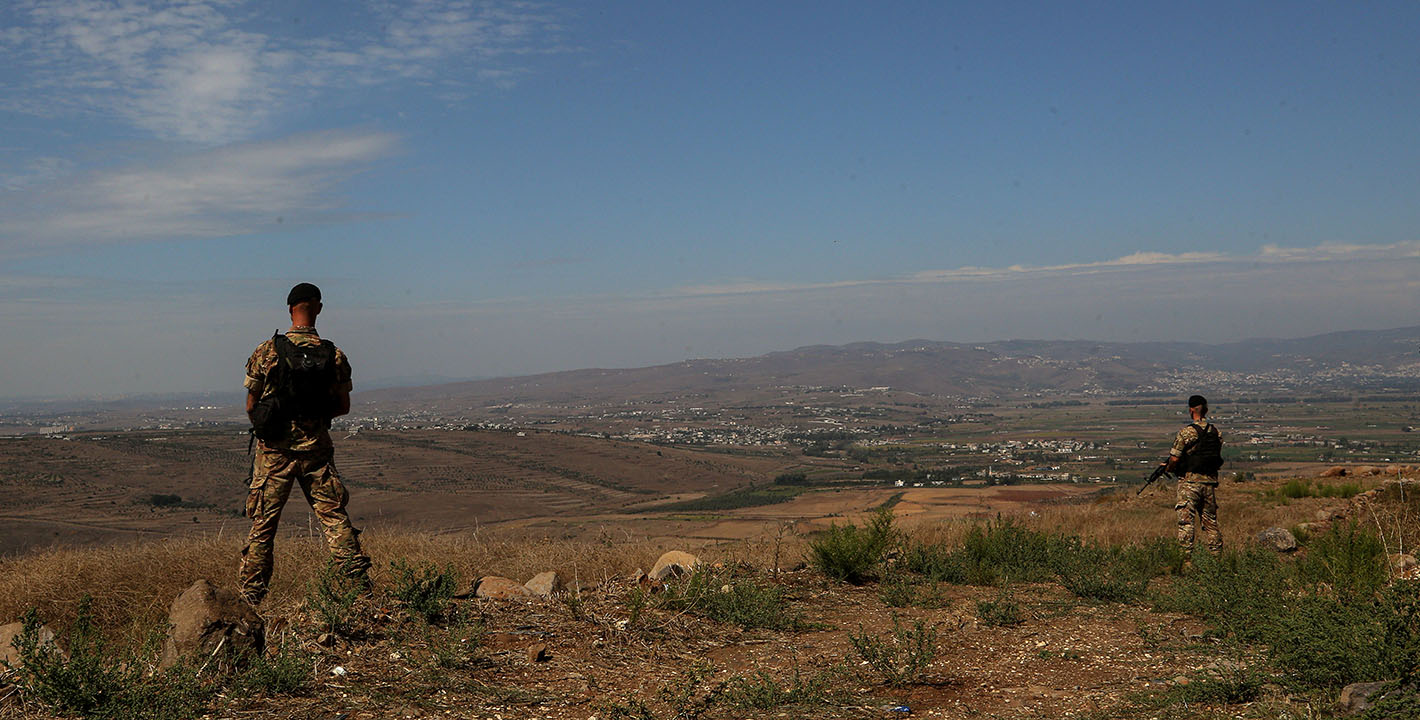
The Lebanese authorities’ clampdown on illicit cross-border activity threatens to leave inhabitants of the historically neglected village, and the wider Akkar region, in an economically precarious position.

Mohanad Hage Ali
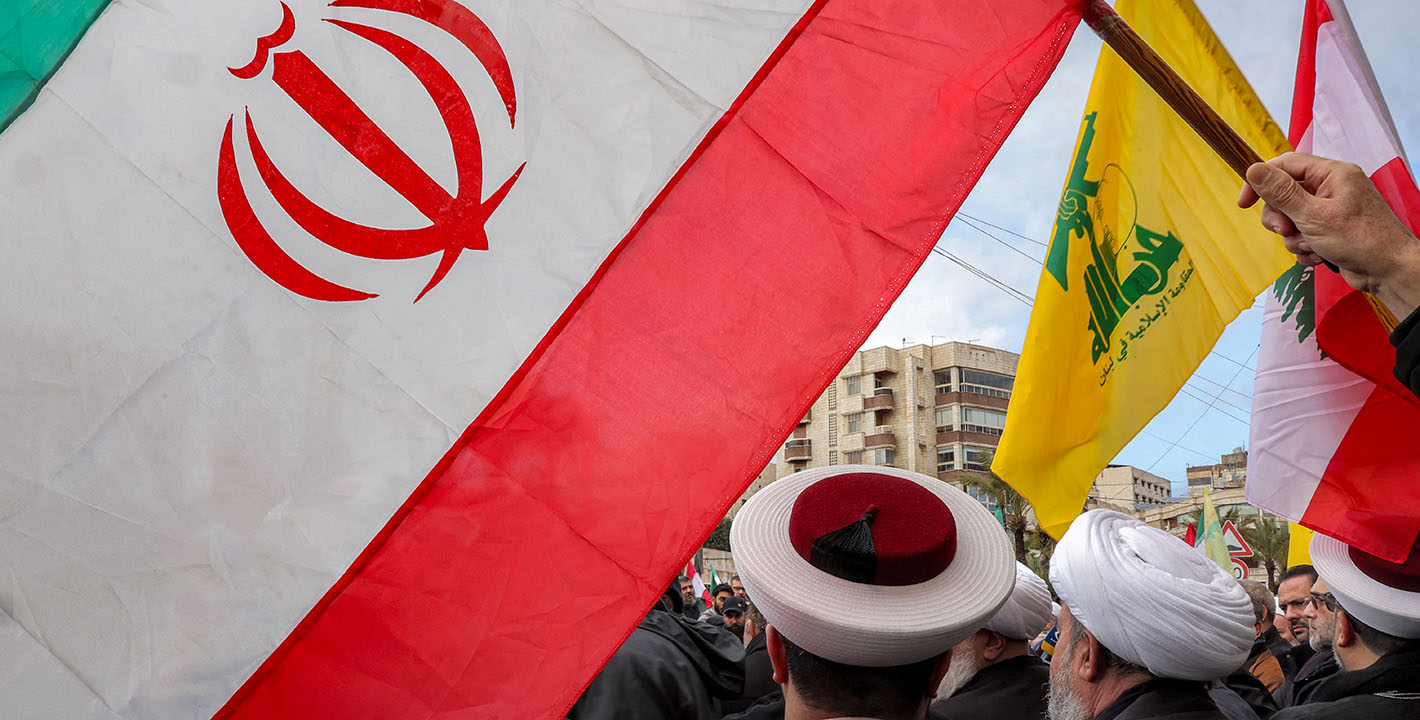
The community seeks maintain a distance from Hezbollah, and an even greater one from normalization with their southern neighbor.
Mohamad Fawaz
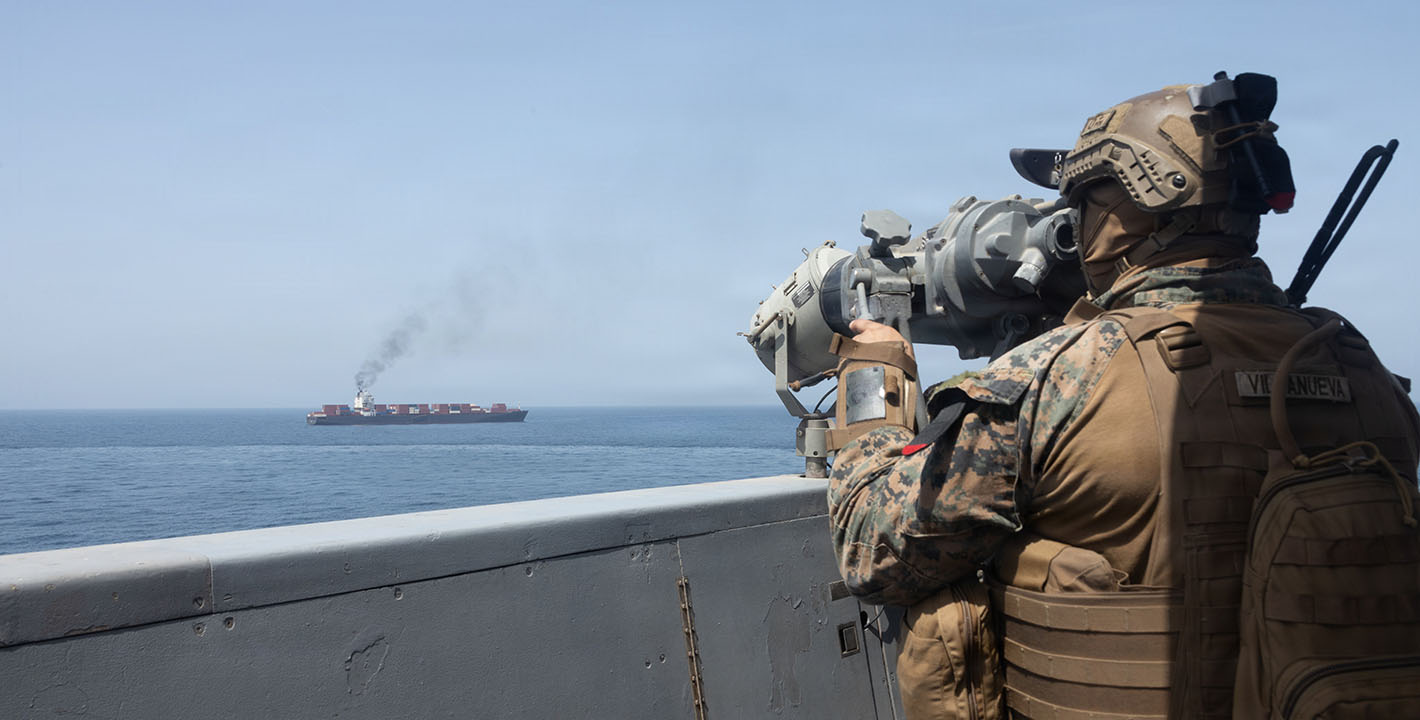
In an interview, Jim Lamson discusses the ongoing regional conflict and sees an unclear picture when it comes to winners and losers.

Michael Young
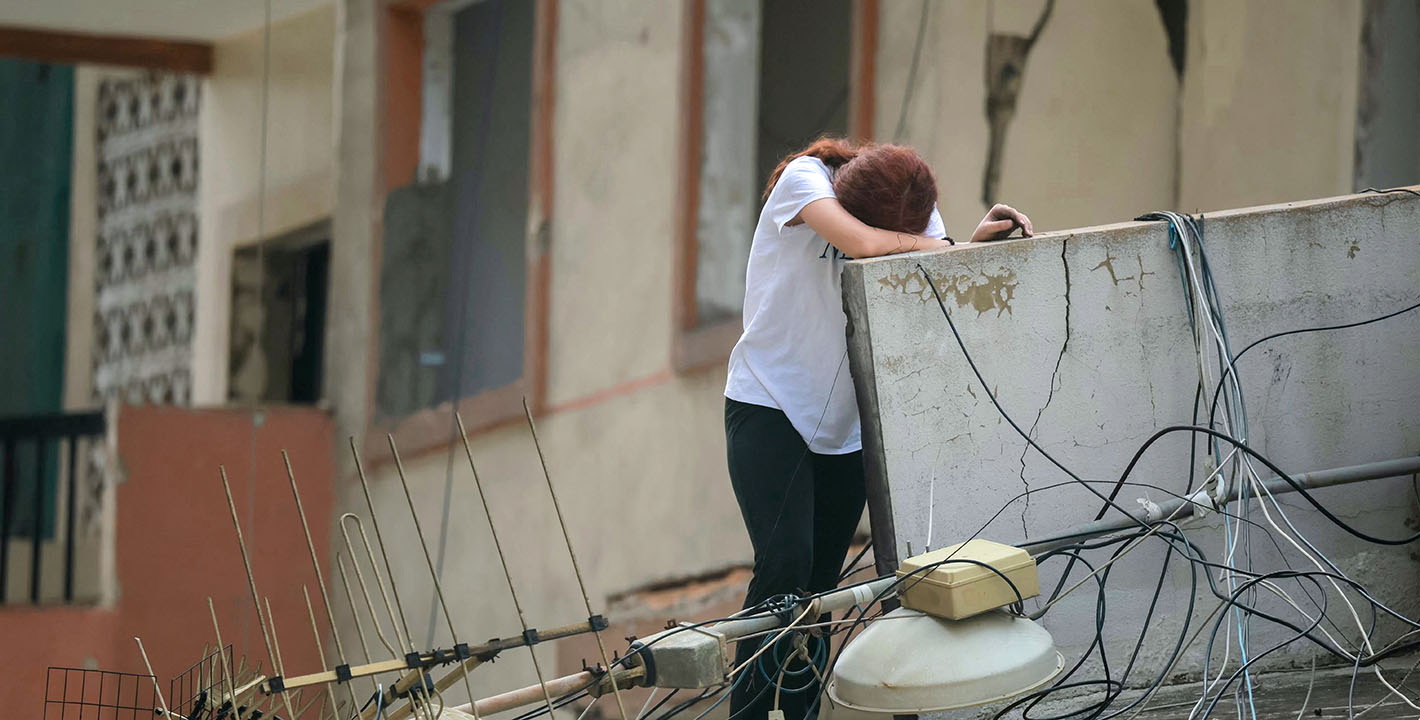
Unless Beirut lowers expectations, any setbacks will end up bolstering Hezbollah’s narrative.
Mohanad Hage Ali
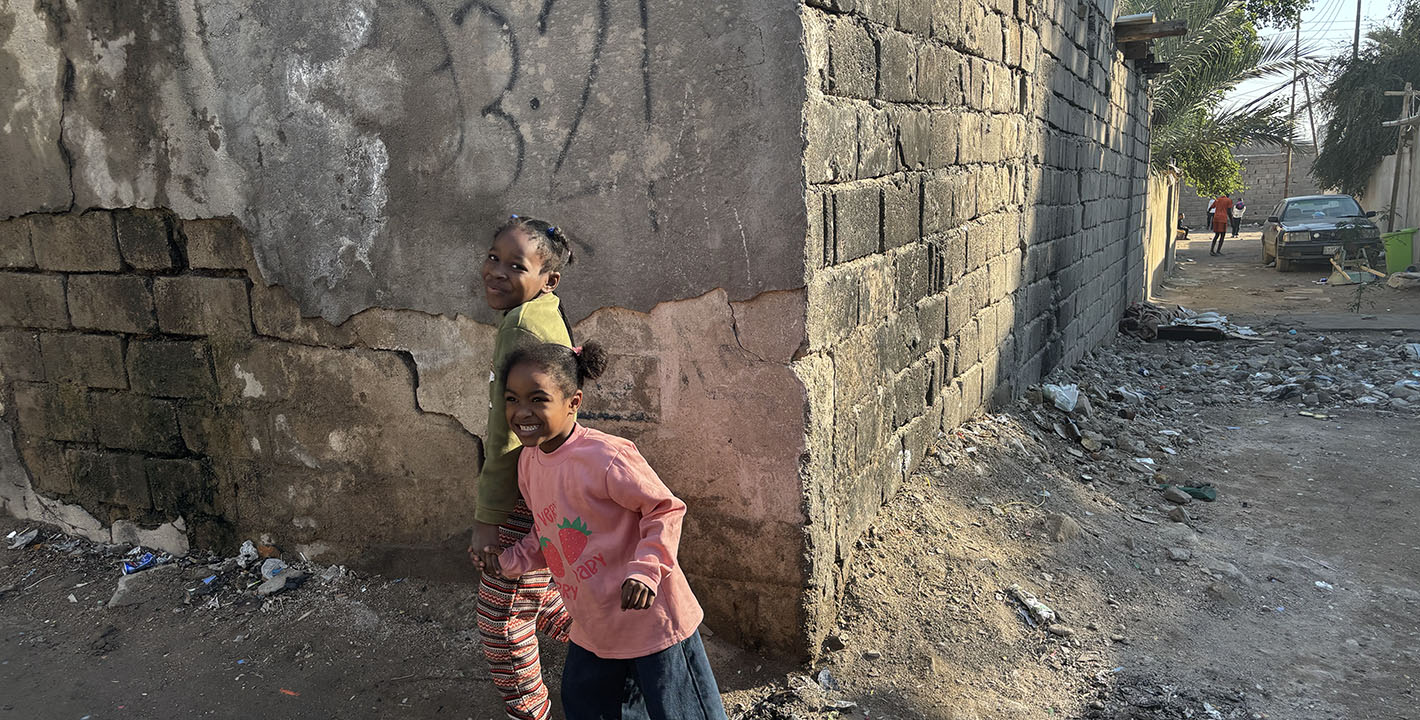
Afro-Iraqis experience political, economic, and social marginalization and discrimination, which exposes the poorest members of the community to the harsh realities of the region’s climate disaster.
Zeinab Shuker