

Commentary
Reconciliation councils are emerging throughout the country to mediate in intracommunal disputes, many from the war years.
Natacha Danon

REQUIRED IMAGE
Turkey’s increased engagement in the Middle East reflects its desire to become a self-confident regional superpower. Yet, Ankara’s fraught handling of the Kurdish issue has been reactive, alarmist, and insecure. Unless Turkey learns to balance its opposing priorities, the country will witness an increase in ultra-nationalism and isolationism.
Turkey’s increased engagement in the Middle East reflects its desire to become a self-confident regional superpower. Yet, Ankara’s fraught handling of the Kurdish issue has been reactive, alarmist, and insecure. Unless Turkey learns to balance its opposing priorities, the country will witness an increase in ultra-nationalism and isolationism, concludes a new paper from the Carnegie Endowment.
Taspinar concludes:
Omer Taspinar
Carnegie does not take institutional positions on public policy issues; the views represented herein are those of the author(s) and do not necessarily reflect the views of Carnegie, its staff, or its trustees.
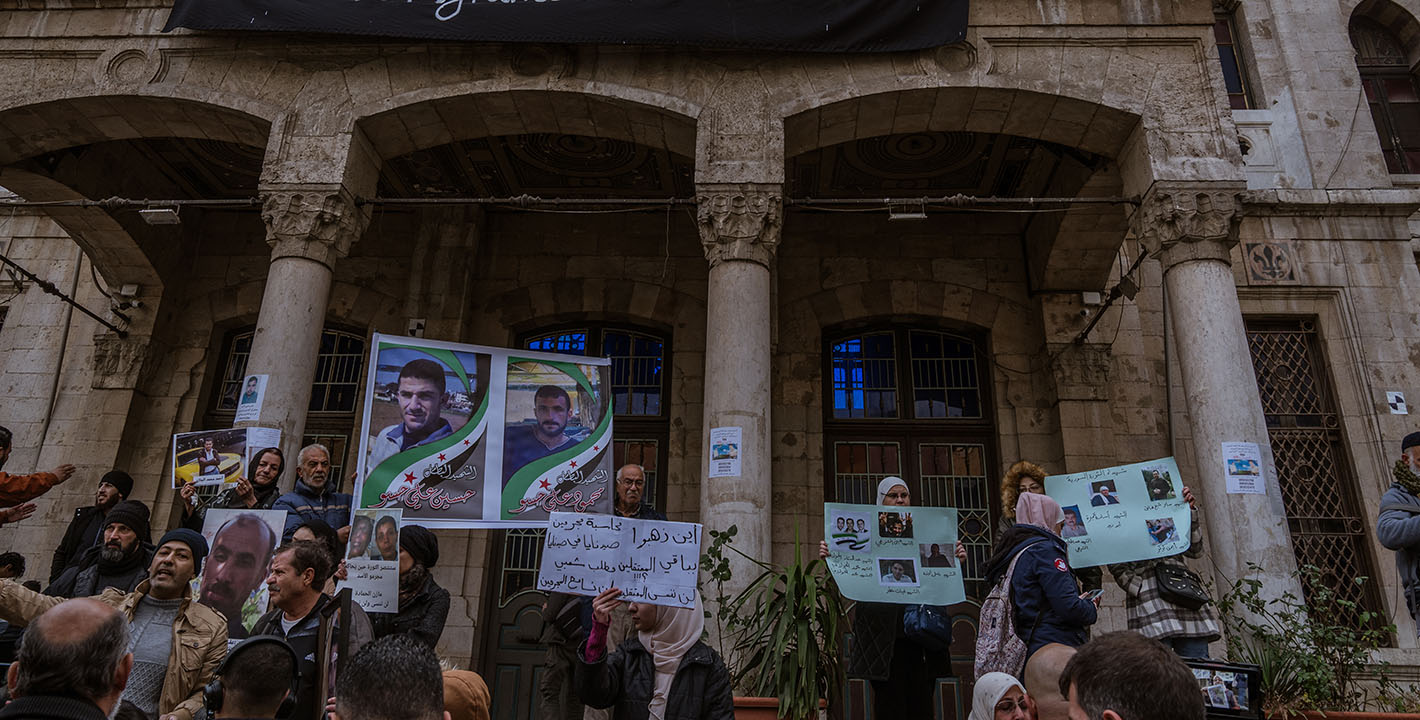
Reconciliation councils are emerging throughout the country to mediate in intracommunal disputes, many from the war years.
Natacha Danon
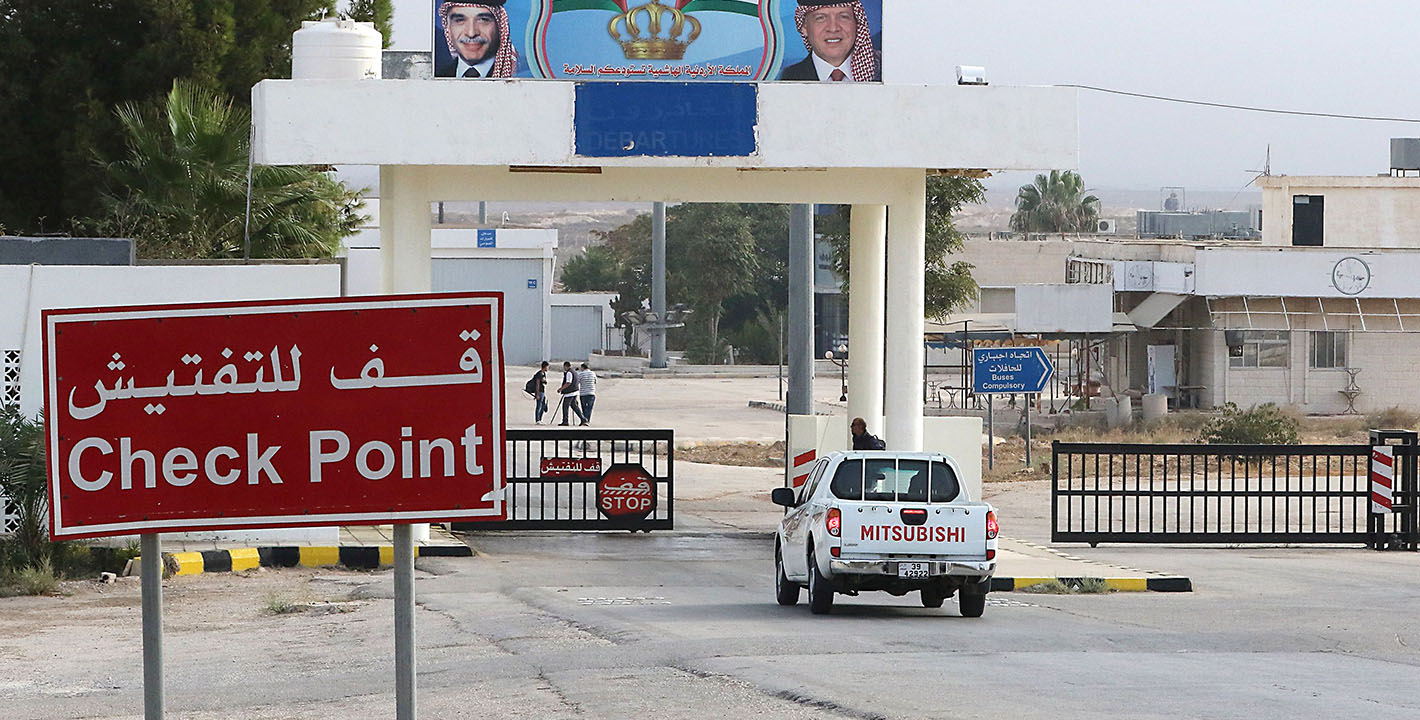
The civil war in Syria may have ended, but the country continues to serve as a source for the trafficking of illegal substances into and via Jordanian territory.

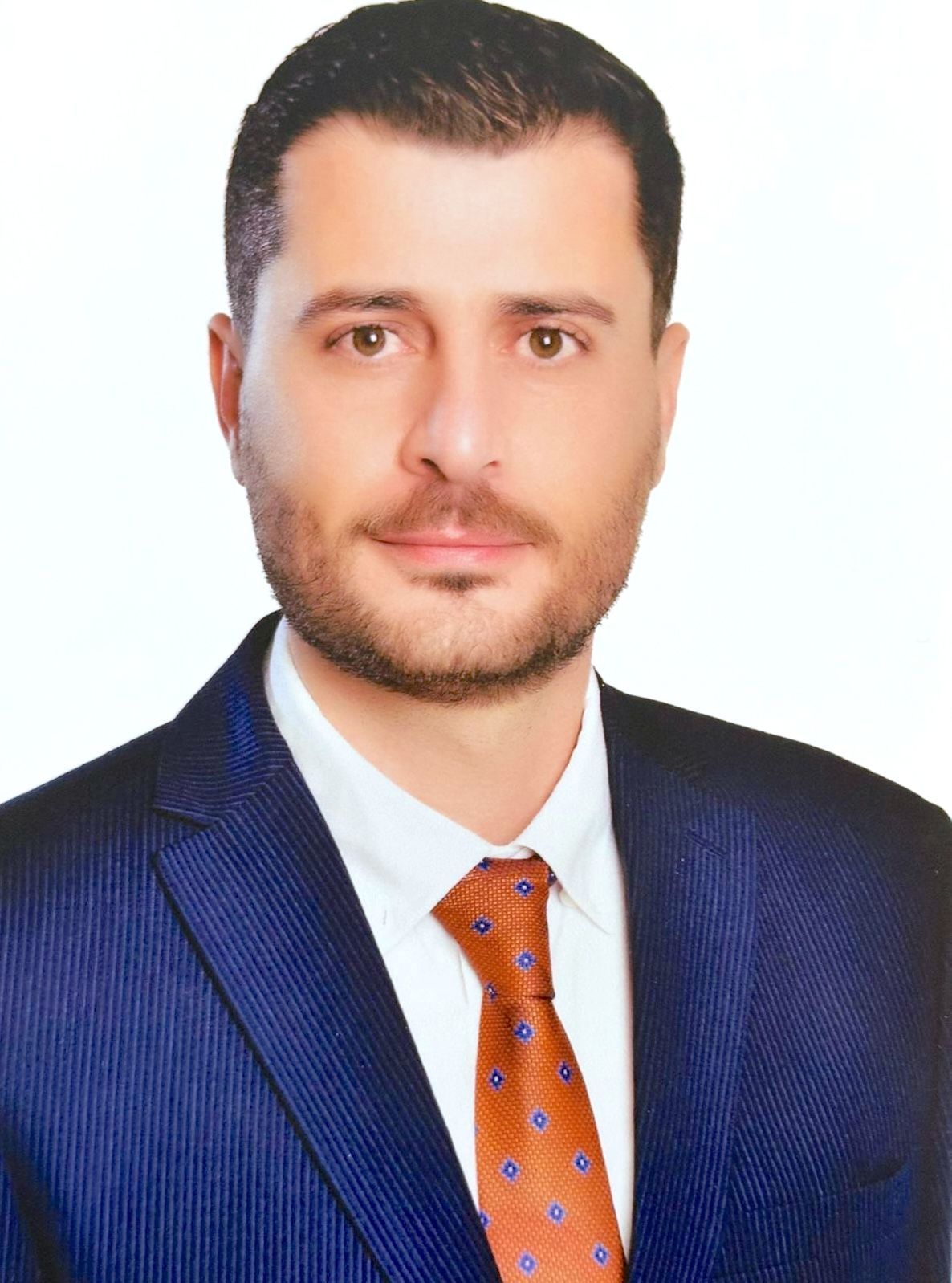
Armenak Tokmajyan, Laith Qerbaa

As the U.S. stumbles in its war with Iran, we are likely to see an acceleration of its disengagement from the region.

Michael Young

Middle Eastern states should welcome an accelerated U.S. disengagement from their region.
Michael Young

In an interview, former ambassador Charles Freeman assesses the Trump administration’s war against Iran.
Michael Young