• Research
  • Diwan
  • About
  • Experts
Carnegie Middle East logoCarnegie lettermark logo
LebanonIran
Concrete Steps to Improve the Nonproliferation Regime

Source: Getty

Paper

Concrete Steps to Improve the Nonproliferation Regime

The International Atomic Energy Agency (IAEA) must reassert its authority to strengthen the dangerously weakened nonproliferation regime and to help prevent future proliferation crises.

Link Copied
By Pierre Goldschmidt
Published on Apr 5, 2009

Additional Links

Full Text

Repeated violations of the Nonproliferation Treaty and International Atomic Energy Agency (IAEA) safeguards have been met with ambiguous and inconsistent responses from the international community, creating the impression that states can pursue nuclear weapons programs without meaningful consequences. The IAEA must reassert its full authority, particularly its right to conduct special inspections at undeclared facilities, to strengthen the dangerously weakened nonproliferation regime.

Goldschmidt – former deputy director general and head of the department of safeguards at the IAEA – explains that the deterrence effect of early detection and swift response to noncompliance, essential to preventing proliferation, is no longer sufficiently credible. He recommends concrete steps for the IAEA to reassert its verification authority and for the UN Security Council to improve enforcement mechanisms that would help prevent future proliferation crises.

Key steps for the IAEA:

  • Conduct special inspections in Syria. The information and access available to-date has not provided a complete picture of Syria’s nuclear activities. Allowing Syria to stonewall would encourage other states to deny the IAEA future access.
     
  • Declare Iran in noncompliance with its safeguards agreement for denying the IAEA access to verify the design of a research reactor under construction and for refusing to provide early design information on all new nuclear facilities. Failing to enforce these existing rights sets the wrong precedent and undermines the IAEA’s authority.
     
  • Place sensitive fuel-cycle activities under “66-type safeguards” which remain enforceable even if a state withdraws from the NPT. Current comprehensive safeguards agreements lapse if the state withdraws from the NPT, curtailing the IAEA’s ability to act when it is critically needed.
     
  • Recognize that previous failures and breaches committed by South Korea and Egypt amounted to noncompliance with their safeguards agreements. Failure to do so would dramatically lower the standards for compliance.

Key steps for the UN Security Council:

  • The UN should adopt a generic and legally binding resolution that will automatically grant the IAEA expanded access to states in noncompliance with IAEA or Security Council requests.  Security Council vetoes motivated by political considerations have thwarted previous UN and IAEA action in past proliferation standoffs.
     
  • Further, the UN should adopt a resolution standardizing the course of action in the event a noncompliant state withdraws from the NPT. In such a case the IAEA should seal all nuclear material the state received while party to the NPT and remove it from the country as soon as possible.
     

Goldschmidt concludes:

“The international community must reject the recent tendency to accept the idea that, sooner or later, more countries will possess nuclear weapons, and that we can do nothing to stop it. Those who think the nonproliferation regime is failing and those who think it is too valuable to let fail generally agree that there are practical steps that can be taken to dissuade and deter non-nuclear-weapon states from seeking nuclear weapons, if the international community—particularly the nuclear-weapon states—make this a higher priority, and not just in words.”
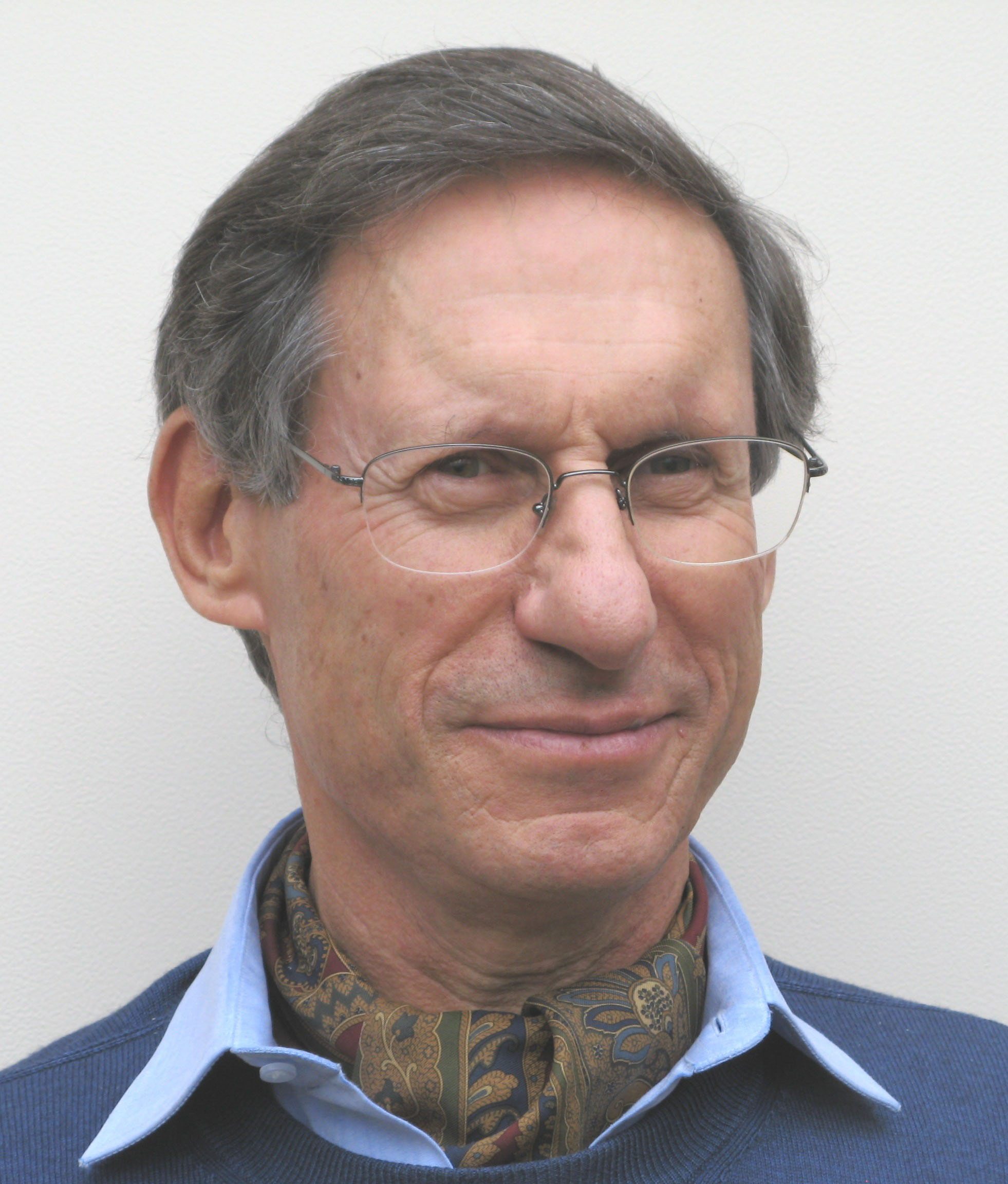
About the Author

Pierre Goldschmidt

Former Nonresident Senior Associate, Nuclear Policy Program

Goldschmidt was a nonresident senior associate at the Carnegie Endowment.

    Recent Work

  • Article
    A Realistic Approach Toward a Middle East Free of WMD

      Pierre Goldschmidt

  • Article
    Serious Deficiencies Exposed by Latest IAEA Safeguards Implementation Report

      Pierre Goldschmidt

Pierre Goldschmidt
Former Nonresident Senior Associate, Nuclear Policy Program
Pierre Goldschmidt

Additional Links

Full Text
IranSouth KoreaNuclear PolicyNuclear Energy

Carnegie does not take institutional positions on public policy issues; the views represented herein are those of the author(s) and do not necessarily reflect the views of Carnegie, its staff, or its trustees.

More Work from Malcolm H. Kerr Carnegie Middle East Center

  • Commentary
    Diwan
    Less of America is More

    Middle Eastern states should welcome an accelerated U.S. disengagement from their region. 

      Michael Young

  • Commentary
    Diwan
    A Strategic Disaster that Devalues U.S. Military Prowess

    In an interview, former ambassador Charles Freeman assesses the Trump administration’s war against Iran.

      Michael Young

  • Article
    From Hormuz to the Maghreb: The Geopolitical Reach of a Gulf Crisis

    Morocco and Algeria, each in its own way, are having to navigate the global economic fallout of the U.S.-Israeli military campaign against Iran.

      Yasmine Zarhloule
  • Commentary
    Diwan
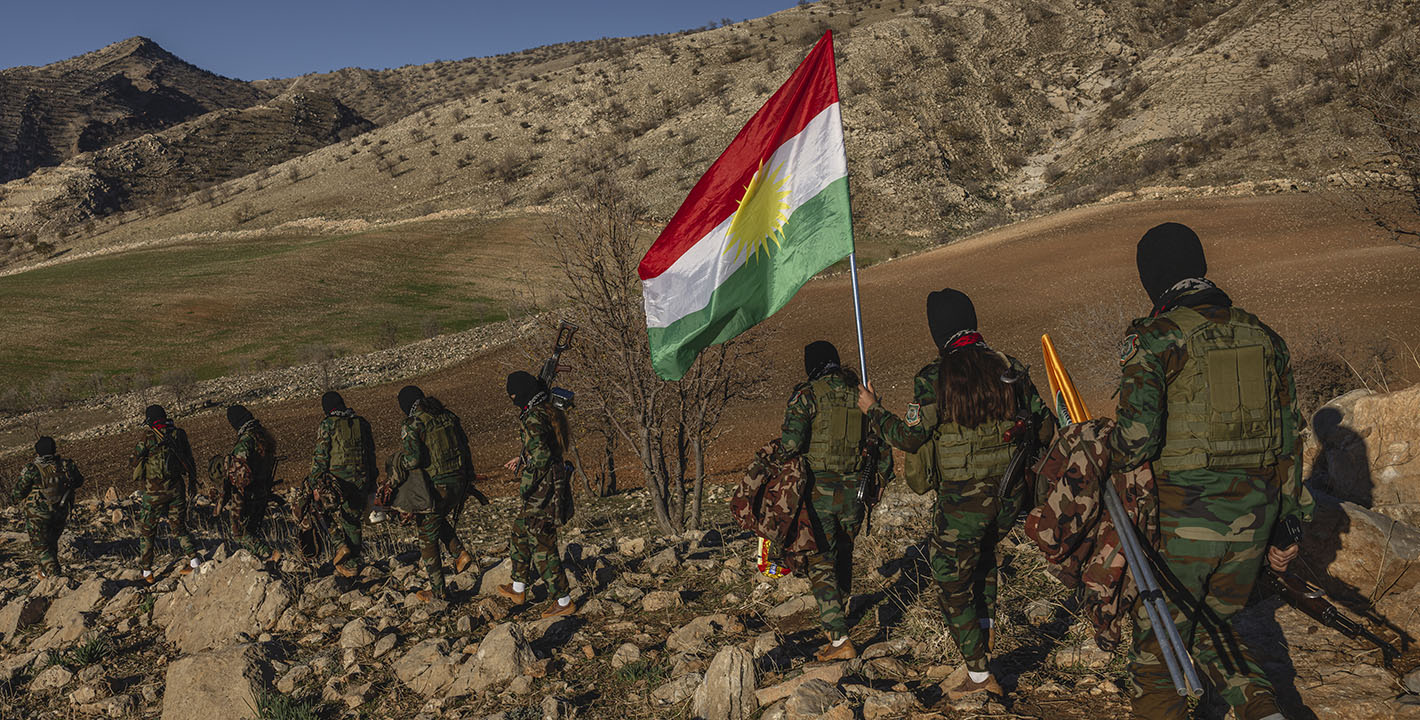
    Kurdish Rebel Groups Are Wary of Tehran’s Next Move

    Following its deal with the United States, Iran may act against Iraq-based dissidents.

      Wladimir van Wilgenburg

  • Commentary
    Diwan
    World Cup 2026: A Middle East and North Africa Primer

    This will be the region’s most representative tournament, amid broad changes in its footballing landscape.

      Issam Kayssi

Get more news and analysis from
Malcolm H. Kerr Carnegie Middle East Center
Carnegie Middle East logo, white
  • Research
  • Diwan
  • About
  • Experts
  • Projects
  • Events
  • Contact
  • Careers
  • Privacy
  • For Media
Get more news and analysis from
Malcolm H. Kerr Carnegie Middle East Center
© 2026 Carnegie Endowment for International Peace. All rights reserved.