

Commentary
In an interview, Marc Lynch discusses his new book decrying the post-1990 U.S.-dominated order in the Middle East.
Michael Young
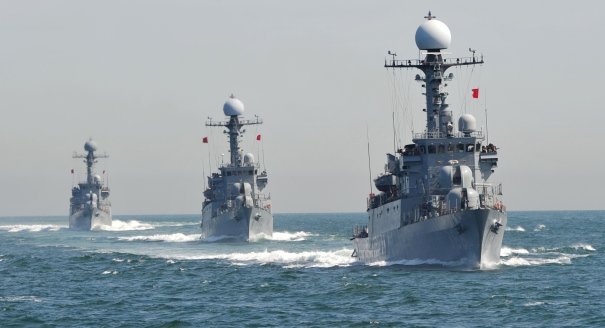
Source: Getty
While tensions are rising on the Korean Peninsula and forecasting the North Korean leadership’s next steps is difficult, none of the parties involved have any interest in further escalation.
The rising tension on the Korean Peninsula sparked by the torpedoing of a South Korean military vessel, which evidence suggests was committed by North Korea, once more demonstrates the unpredictable nature of Kim Jong Il’s political regime.
The incident makes forecasting the North Korean leadership’s next steps difficult. Are further military provocations likely, or will the situation be limited to belligerent rhetoric? Much will depend on the positions taken by China and Russia. However, the harsh response from the United States, coupled with South Korea’s decision to suspend humanitarian aid to North Korea, leaves little chance for a rapid settlement of the conflict.
It is hard to say what type of sanctions the UN Security Council might impose on North Korea, or how Pyongyang may react. No one has an interest in further escalation, much less outright military conflict—not least North Korea, given its severe economic difficulties.
But the latest crisis deals a heavy blow to the six-party talks on defusing the North Korean nuclear situation and to the nuclear nonproliferation regime in general. No one knows for certain what North Korea has at its disposal: nuclear warheads that could be fitted to its Nodong or other ballistic missiles, or more primitive nuclear devices that could, for example, be delivered by ship to the coast of Japan or South Korea.
But it is impossible to rule out that Kim Jong Il, if backed into a corner, could take extreme measures. Attempts to resolve the conflict must keep this danger in mind.
Vladimir Dvorkin is a Carnegie Moscow Center expert on nuclear security.
Vladimir Dvorkin
Major General Dvorkin (retired) is a chief researcher at the Center for International Security at the Institute of World Economy and International Relations.
Carnegie does not take institutional positions on public policy issues; the views represented herein are those of the author(s) and do not necessarily reflect the views of Carnegie, its staff, or its trustees.
In an interview, Marc Lynch discusses his new book decrying the post-1990 U.S.-dominated order in the Middle East.

Michael Young

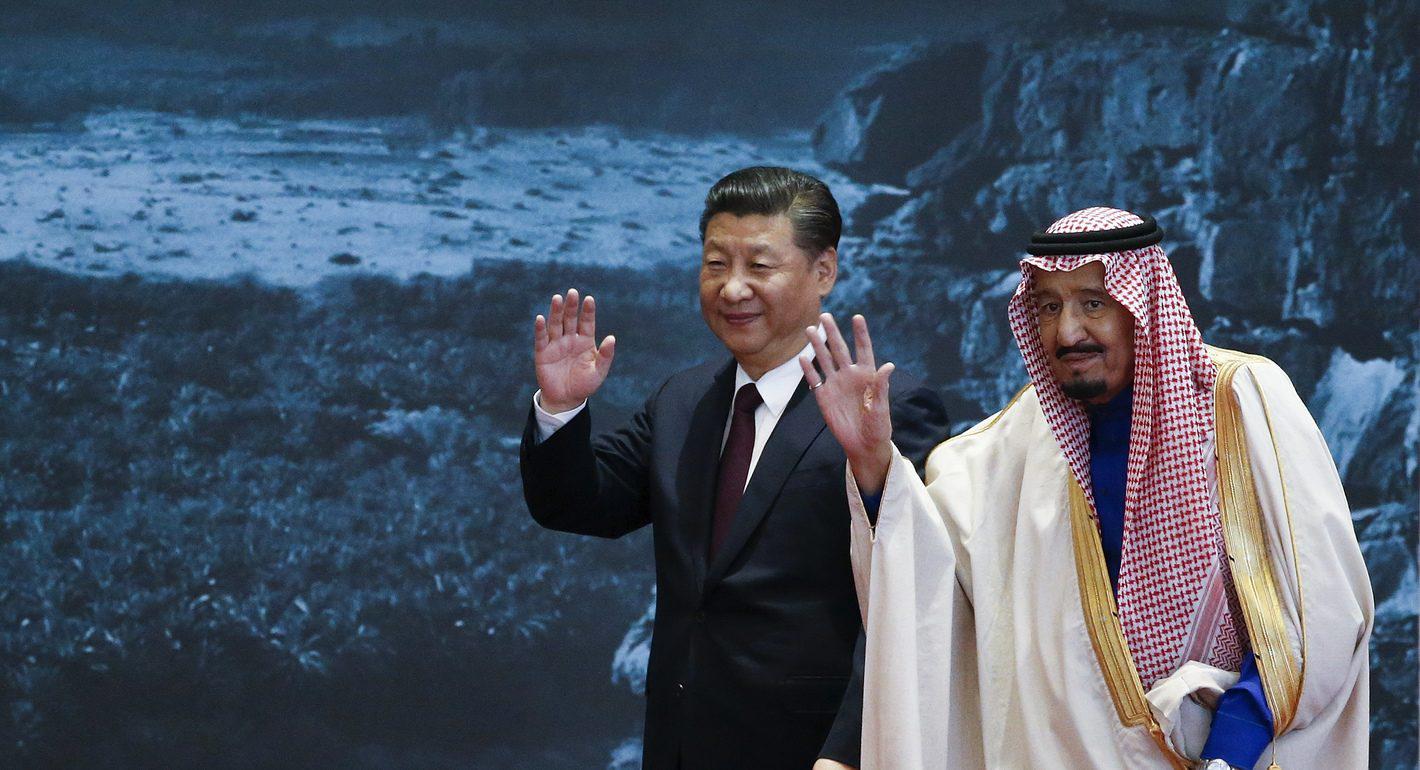
China has aligned its cooperation model with Saudi Arabia’s own priorities, most notably since the kingdom unveiled its Vision 2030. Although China announced the Belt and Road Initiative in 2013, the big push in relations happened only after the ascendance of King Salman to the throne in 2015 and Riyadh’s push for Beijing to meet Saudi needs.

Hesham Alghannam
The advantage that China has over other global powers, especially America, is that its foreign policy is closely aligned with those of many of the Middle Eastern countries.

Jin Liangxiang, Maha Yahya, Hesham Alghannam
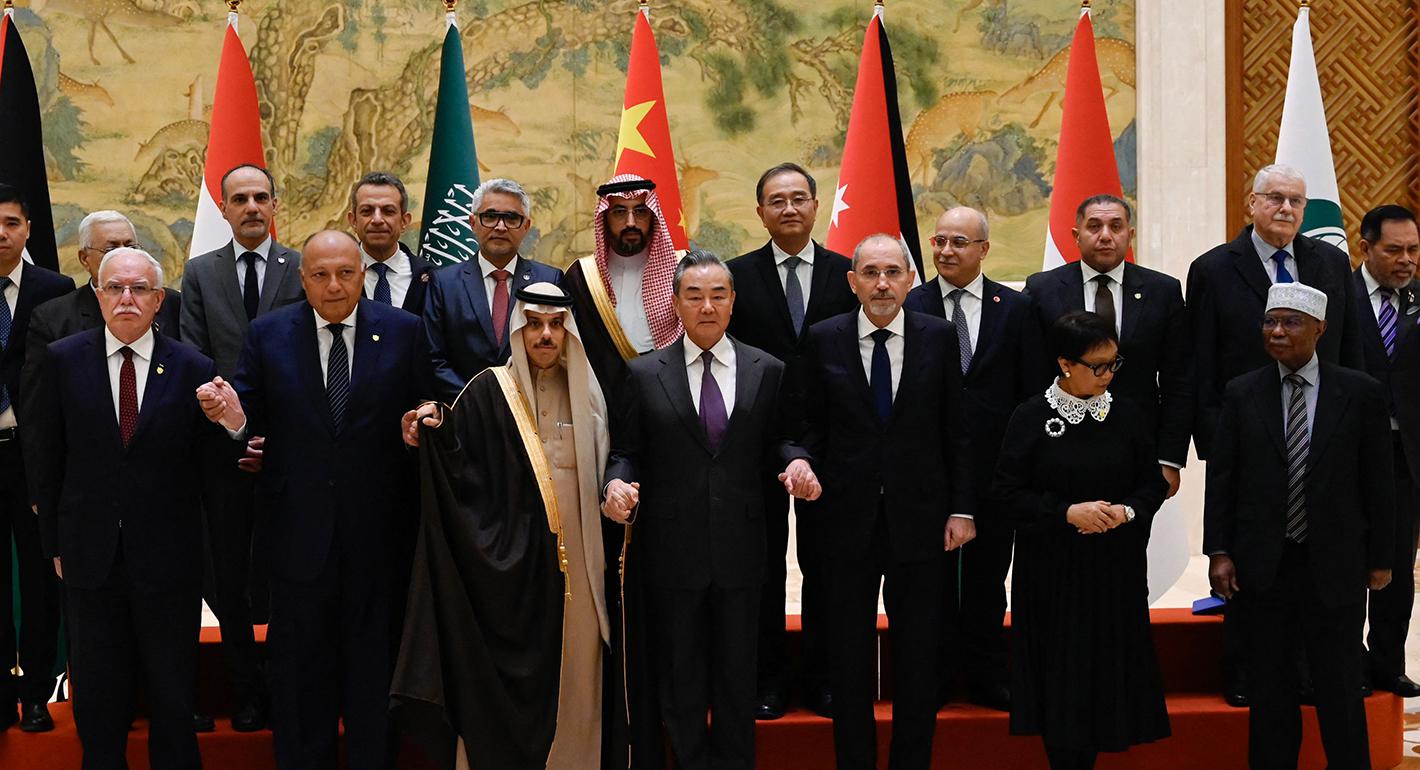
To create an environment more conducive to cooperation and development, U.S. and Chinese efforts should seek the endorsement of neighboring countries and regional organizations. Otherwise, regional and geopolitical rivalries will remain barriers.
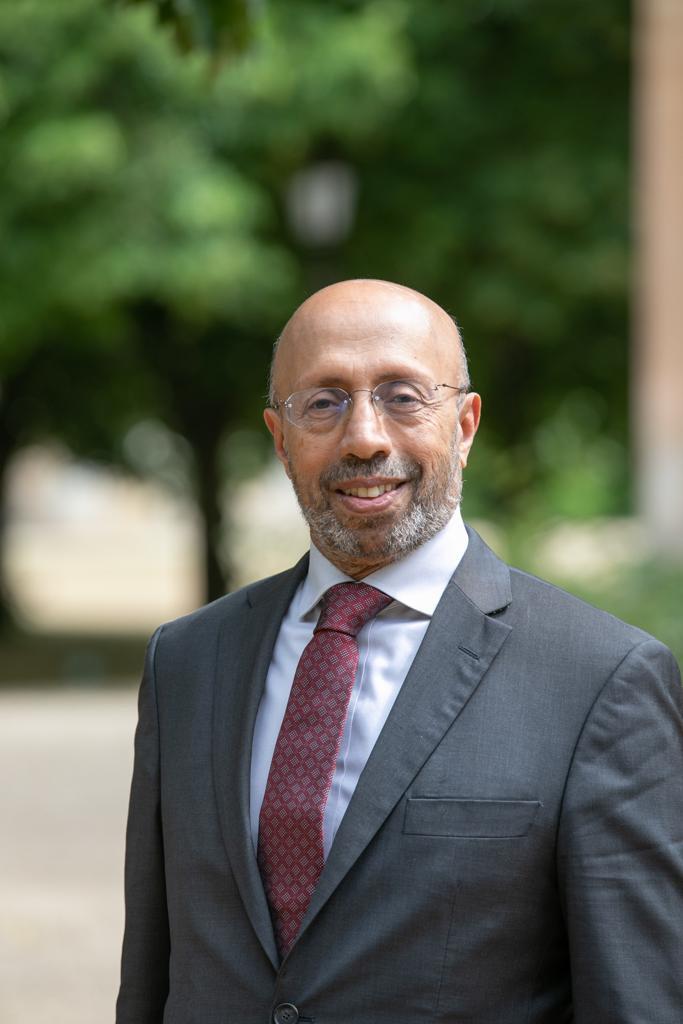
Abdullah Baabood
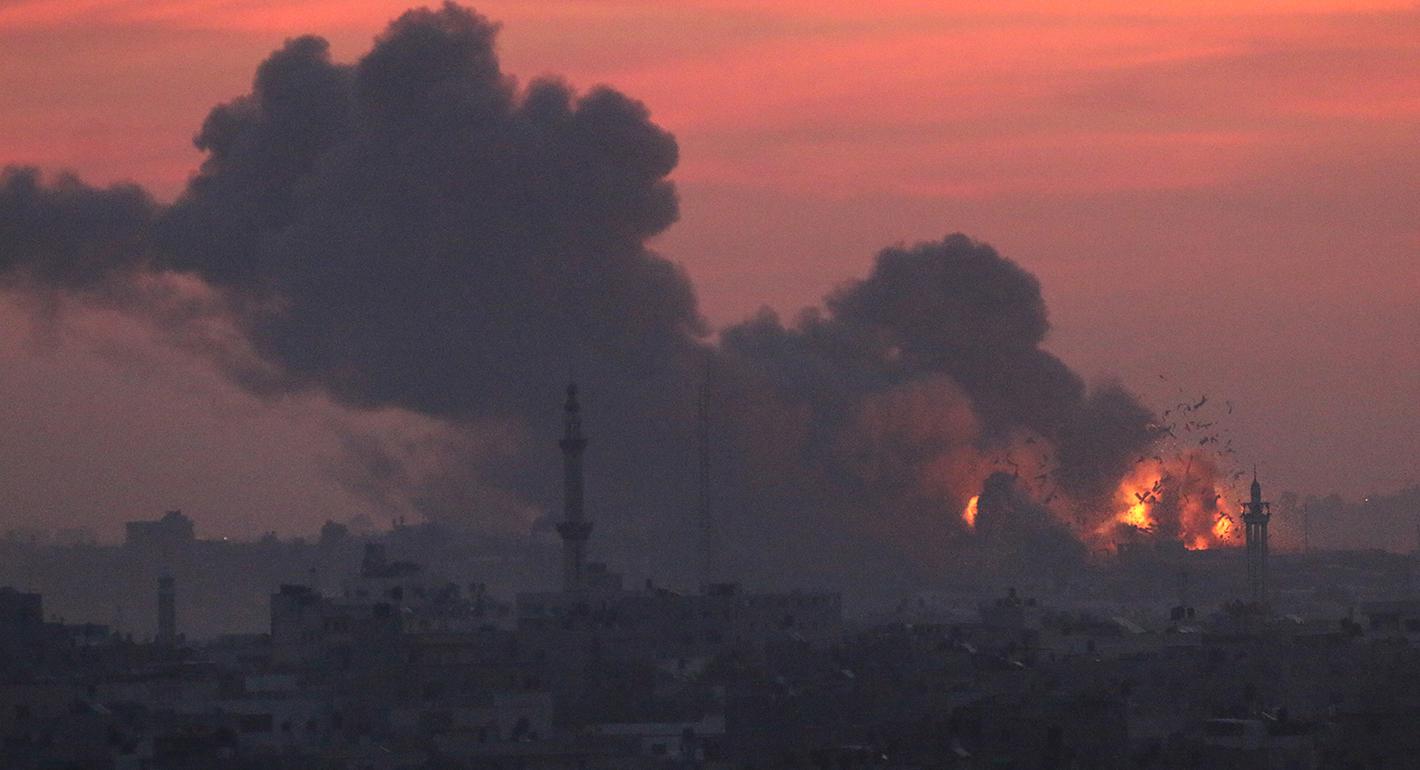
Scholars from Carnegie’s global network comment on how the ongoing conflict between Israelis and Palestinians is affecting their areas of interest, and what the implications of this may be.


Maha Yahya, Rosa Balfour, Judy Dempsey, …