

In The Media
Lahcen Achy
Source: Getty
Policy makers in Algeria, Morocco, and Tunisia should focus on improving the quality—rather than quantity—of jobs available to workers, in order to significantly improve the region’s economic outlook and global competitiveness.
While unemployment rates in the Maghreb have fallen over the last decade, the reasons behind the decline are troublesome: a slowdown in the growth of the working-age population and an increase in informal jobs without social protection. Plus, joblessness among the young and well educated remains high and is growing in some countries.
In a new paper, Lahcen Achy suggests that policy makers in Algeria, Morocco, and Tunisia should focus on improving the quality—rather than quantity—of jobs available to workers to significantly improve the region’s economic outlook and global competitiveness.
“Declining unemployment rates in the Maghreb are misleading and should not be interpreted as a sign of an improved labor market,” Achy writes. Instead, he notes, Maghreb countries need a better strategy to “generate high and sustainable growth, create decent and high value-added jobs, and yet strengthen their competitiveness in a globalized world.”
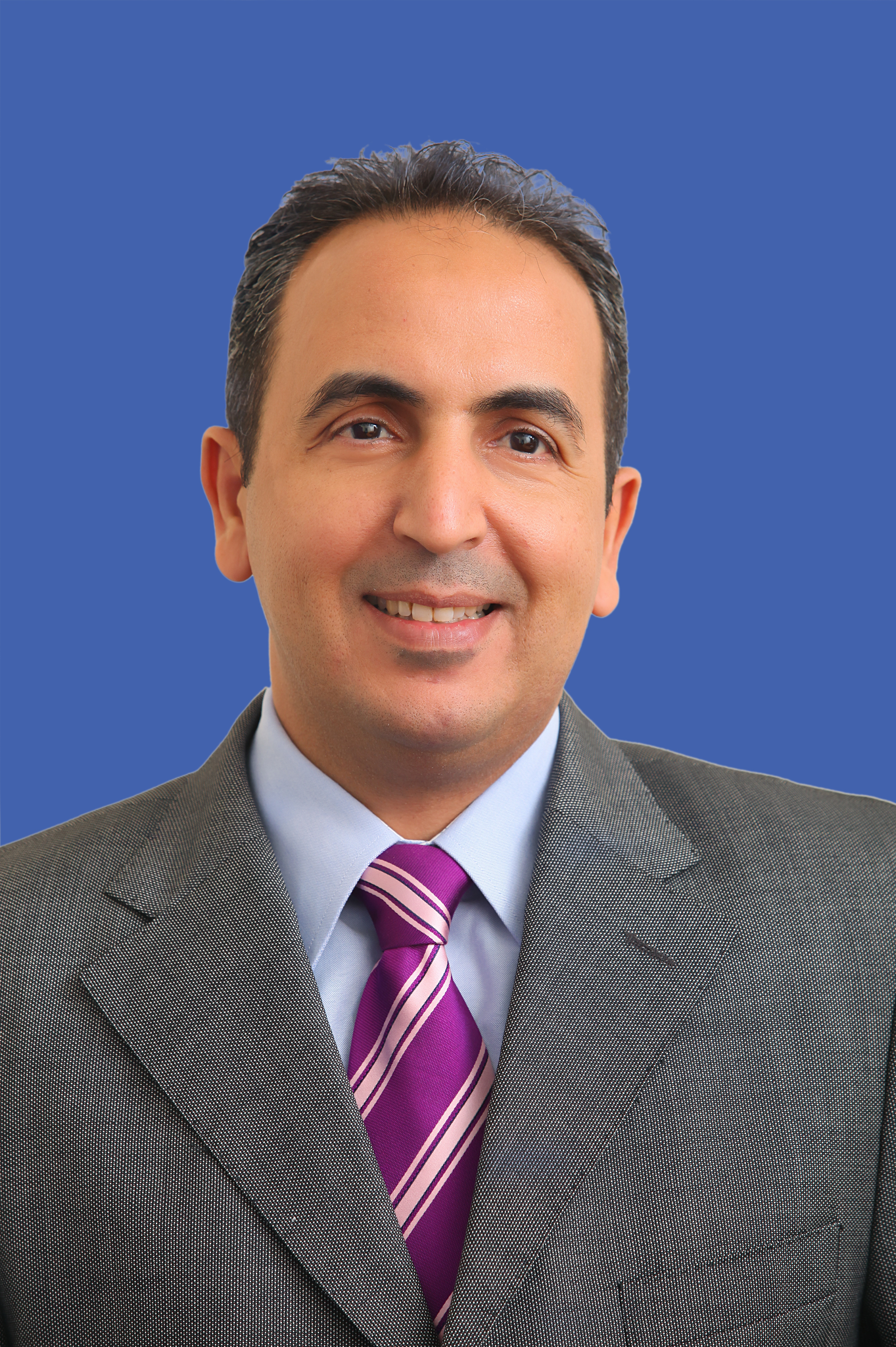
Former Nonresident Senior Associate, Middle East Center
Achy is an economist with expertise in development, institutional economics, trade, and labor and a focus on the Middle East and North Africa.
Recent Work
Lahcen Achy
Lahcen Achy

The armed forces champion a form of capitalism that is generating revenue, but its reliance on rent faces diminishing returns, leaving the country with massive sunk costs and deferred returns, deepening dependency on external borrowing.

Yezid Sayigh

Morocco and Algeria, each in its own way, are having to navigate the global economic fallout of the U.S.-Israeli military campaign against Iran.

Yasmine Zarhloule
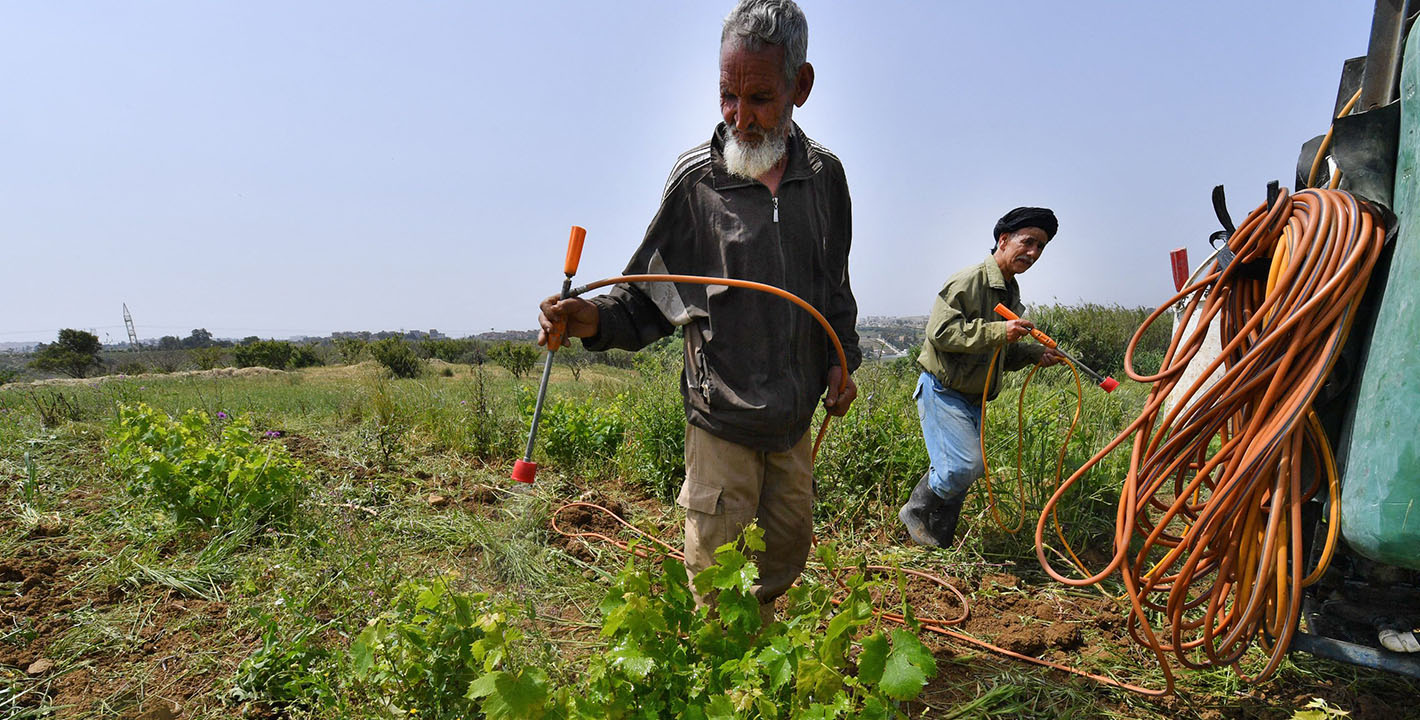
Understanding how farmers in the Oued Sahel-Soummam Valley grapple with climate change is essential for addressing the paradoxes through which adaptation, operating at both individual and institutional levels, deepens the region’s vulnerability and erodes the social fabric and agrarian identity that once defined life.

Ilyssa Yahmi
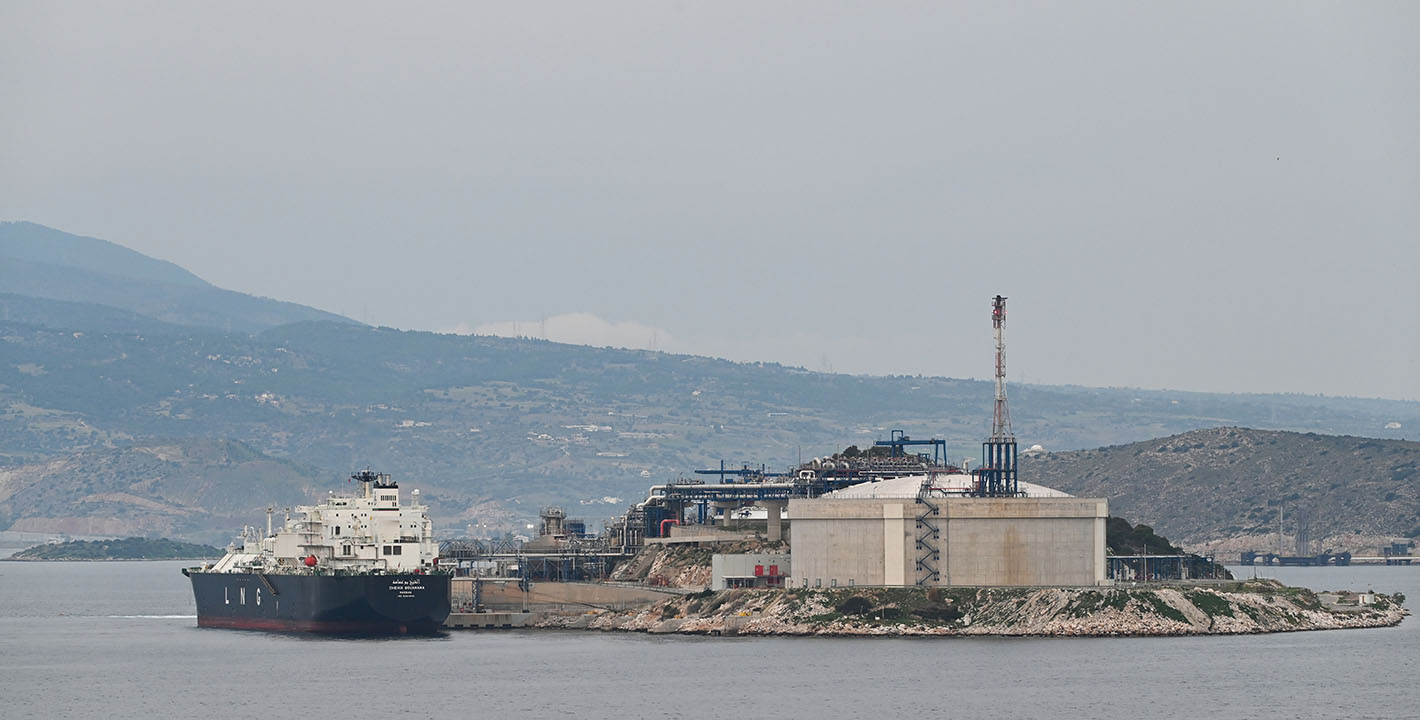
Unless the European Union-led energy transition provides economic development to Algeria, Morocco, and Tunisia, the process may be perceived as a new form of extraction.
Yasmine Zarhloule

The recent African Cup of Nations tournament in Morocco touched on issues that largely transcended the sport.

Issam Kayssi, Yasmine Zarhloule