

Commentary
But growing hostility to Israeli actions is too late to save the West from the lasting damage of Gaza.
Michael Young
Source: Getty
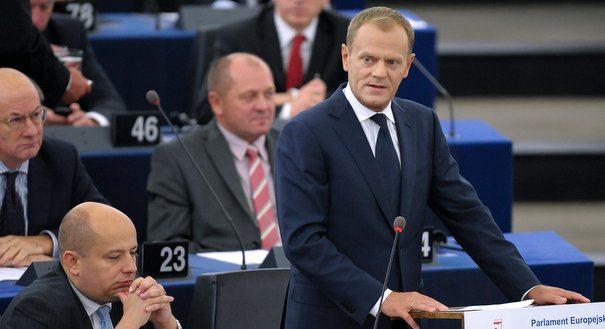
Democratic actors in Central and Eastern Europe bring unique experiences and legitimacy to international democracy support and their democracy promotion efforts have the potential to make a significant contribution.
The new democracies of Central and Eastern Europe are increasingly engaging in international democracy support, especially in the former Soviet Union and the Western Balkans. They have leveraged their membership in a number of Euro-Atlantic international organizations and used their bilateral diplomatic ties with democratization laggards to motivate and pressure them to observe democratic norms and practices. They have also been supplying small but growing amounts of democracy assistance.
The democracy promotion efforts of these countries—countries that are still grappling with some domestic democracy issues of their own—have been limited in scope and inconsistent, ad hoc, and given a low priority at times. Still, these countries have very recent, in fact ongoing experience with democratization that gives them valuable expertise and perspectives that other donors do not have, and therefore special credibility in the eyes of recipients. They also tend to tailor their efforts to the needs of their recipients and work primarily in their neighborhood, where they have considerable knowledge of local sociopolitical realities and where their own experiences are highly relevant.
The Eastern EU democracy promoters have also managed to keep the countries in the post-communist space that are not democratizing fast enough relatively high on the agenda of a number of Euro-Atlantic organizations. These efforts, however, have not yet produced the desired liberalization of neighboring autocracies. They have been important in inspiring and preparing prodemocratic forces in neighboring hybrid regimes to organize several electoral revolutions in the 2000s, but even such democratization has proven short-lived in many cases.
Tsveta Petrova
Tsveta Petrova is a lecturer in political science at Columbia University, whose research focuses on democracy, democratization, and democracy promotion in Central and Eastern Europe.
Carnegie does not take institutional positions on public policy issues; the views represented herein are those of the author(s) and do not necessarily reflect the views of Carnegie, its staff, or its trustees.
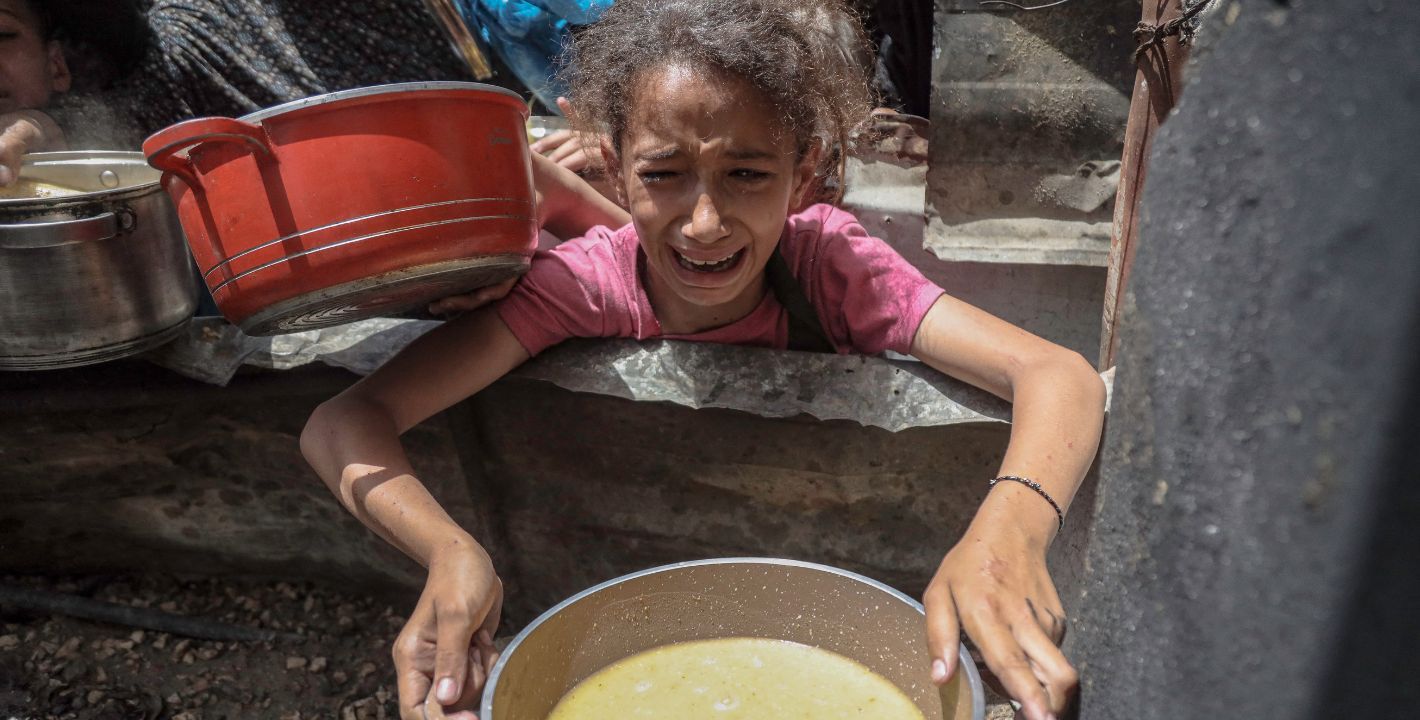
But growing hostility to Israeli actions is too late to save the West from the lasting damage of Gaza.

Michael Young
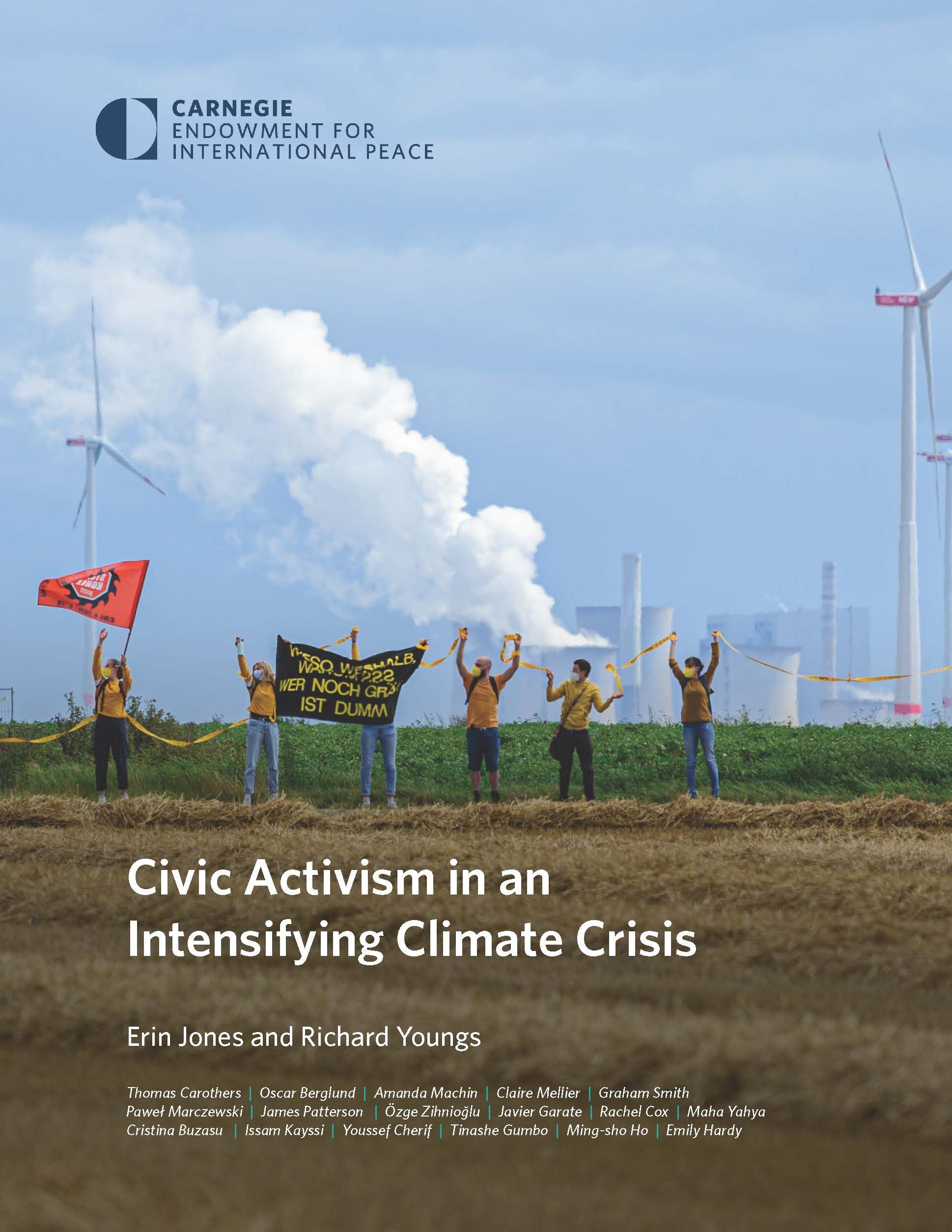
To address the deepening climate crisis, climate activism is employing a wider variety of tactics and aiming at a broader set of goals. In response, the movement faces stronger repression and civic backlash against climate action.


Erin Jones, Richard Youngs
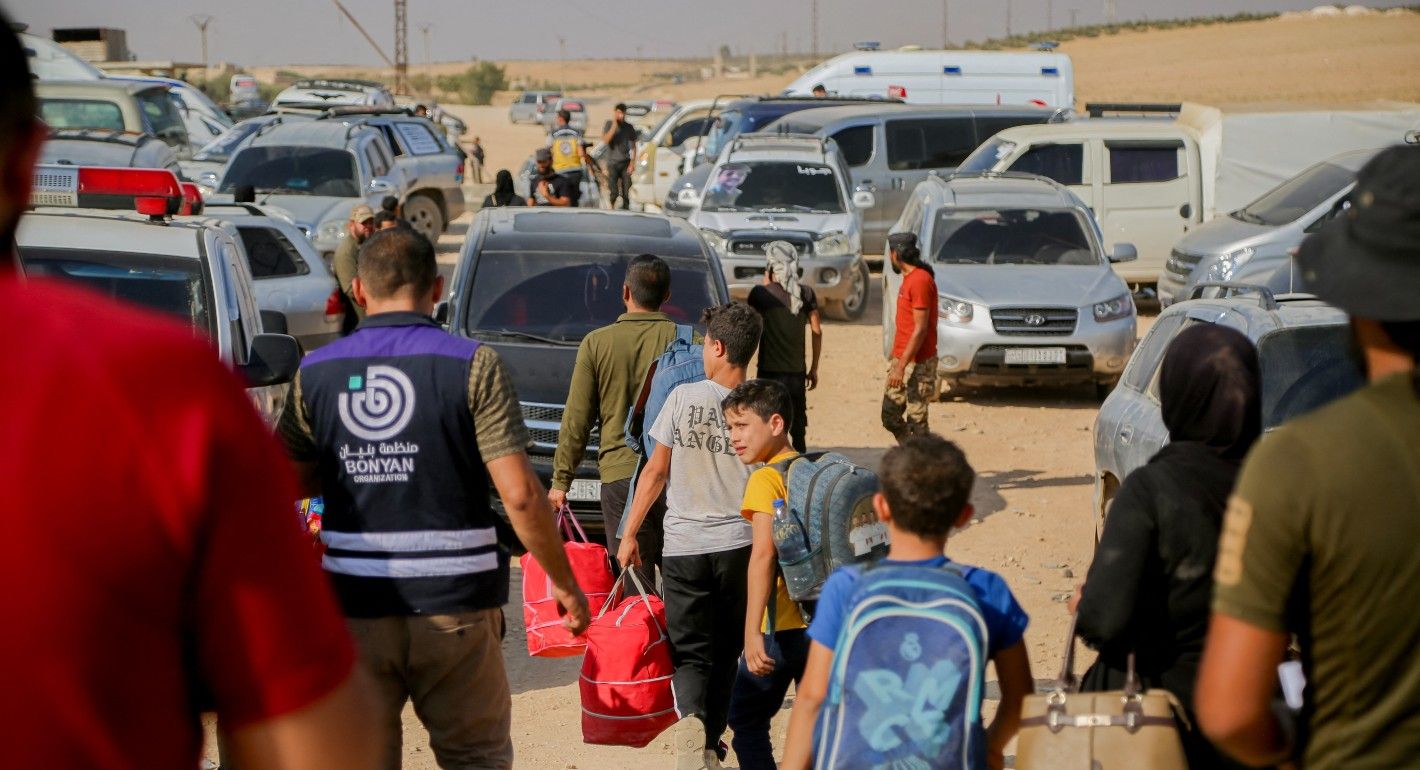
A humanitarian crisis in Lebanon deepens, and Syrian refugees face a perilous choice: remain in a war-torn environment or return to Syria where they risk encountering significant dangers and discrimination. There are significant challenges and risks to their search for safety in Syria.
Haid Haid
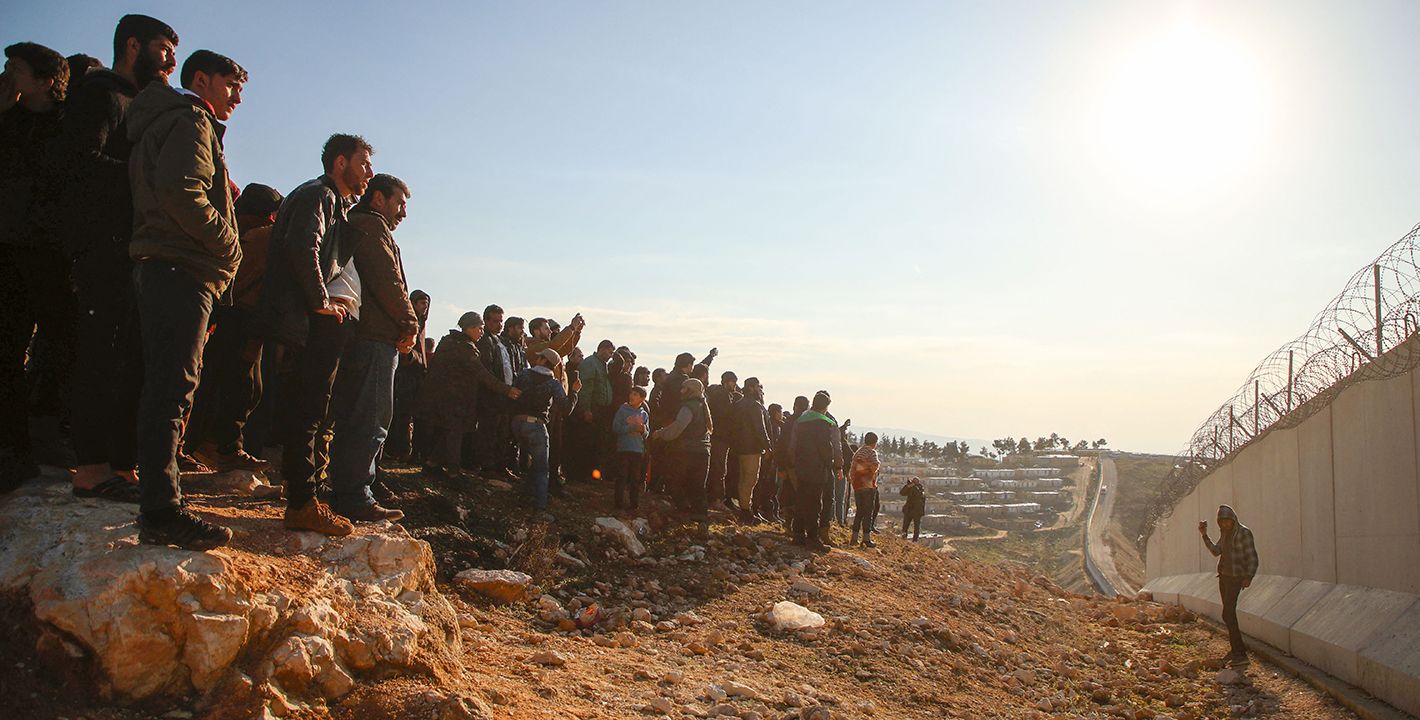
In Syria’s border regions, changes in demographics, economics, and security mean that an inter-Syrian peace process will require consensus among main regional powers that Syria must remain united, that no one side can be victorious, and that perennial instability threatens the region.

Kheder Khaddour, Armenak Tokmajyan
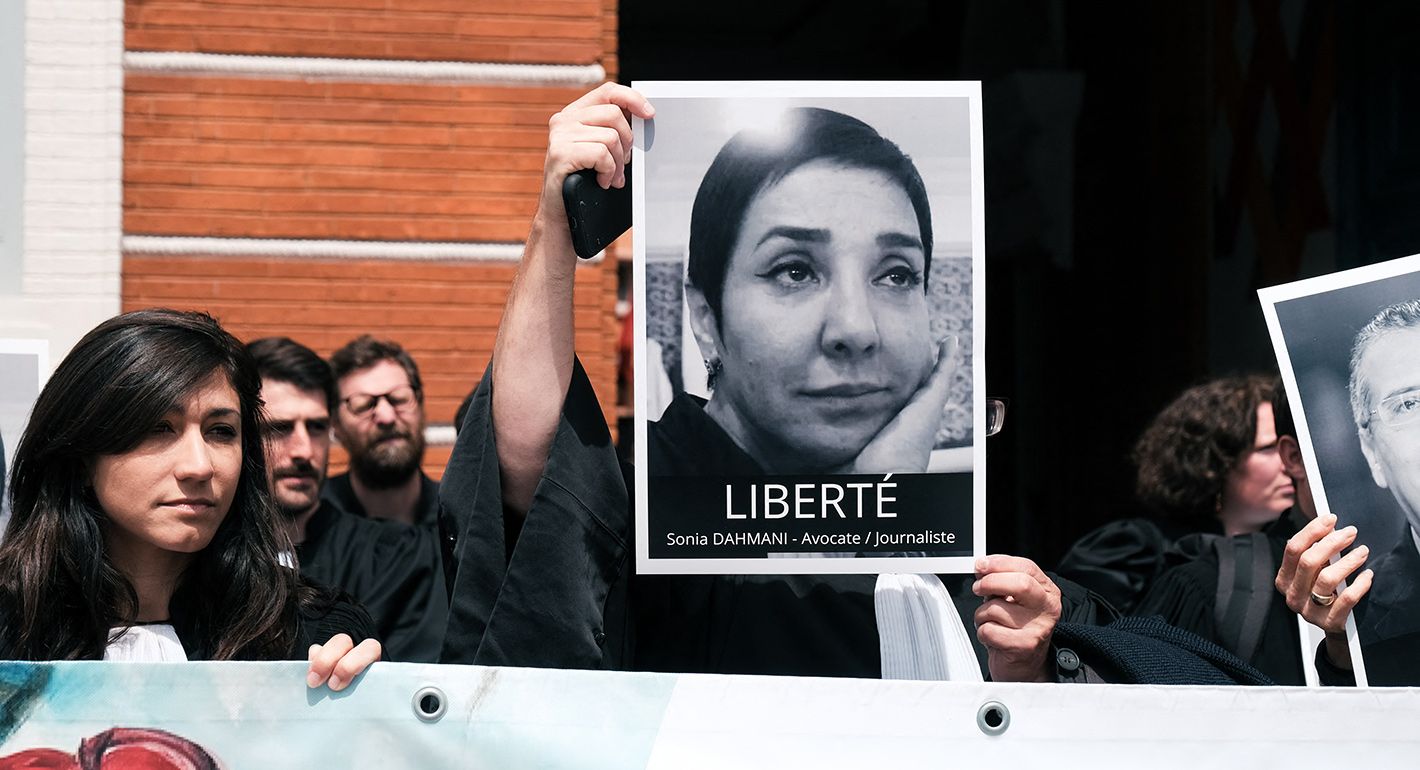
For many in the society, the post-Ben Ali years were mainly about successive economic crises and political instability.
Jasmine Khelil