

Commentary
Uri Dadush
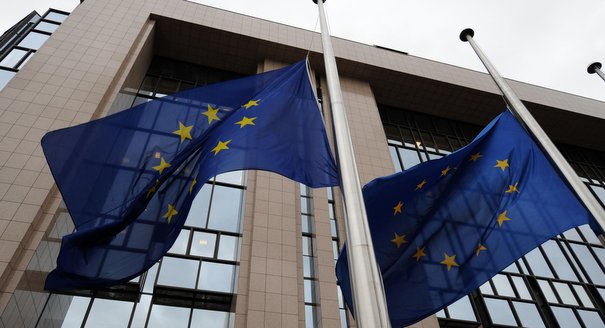
Source: Getty
The European leaders’ emergency summit featured plenty of headline-grabbing numbers, but far fewer actual commitments and details. It will not save the eurozone, but it will allow it live on to fight the next battle.
Wednesday’s emergency summit, the fourteenth such gathering dedicated to the euro crisis, concluded its work in the middle of the night in Brussels and issued a fifteen-page communiqué that was long on intentions and headline-grabbing numbers, but short on actual commitments and the details that can make or break policy.
The markets’ ebullient initial reaction to the deal points to relief that disaster was avoided, the low expectations that have come to characterize these meetings, and failure to read the fine print or perhaps the assumption that most big traders would not do so.
Seeing in big bold letters “above the fold” that eurozone leaders had agreed to expand the European rescue fund (the European Financial Stability Facility, or the EFSF) to $1.4 trillion to support struggling countries in the periphery, for example, you would be forgiven for thinking that countries in the core—beginning with Germany—had put up a lot more money. But in fact they did no such thing, instead only agreeing to insurance of losses on government bonds up to 20 percent or 25 percent instead of outright purchases of bonds. Presto! The financial sleight of hand turned $280 billion into $1.4 trillion, even though the EFSF’s ultimate loss-carrying capacity remains exactly the same. Moreover, today’s agreed text indicates that investors will have the option to purchase this insurance from the EFSF without specifying a price, making it impossible to evaluate the arrangement relative to purchasing credit default insurance on the open market, or to assess whether it will be used at all.
Similarly, seeing in the same big bold letters that Greece’s creditors would be forced to take a 50 percent haircut, you might overlook the fact that this would apply to the banks but not to other private investors, nor to public creditors such as the ECB and the IMF. This means that the odyssey will continue for many years to come. If the deal is implemented and all goes well, according to the Commission’s own projections, Greece’s debt to GDP ratio will be 120 percent—still 10 percentage points higher than it was in 2008. Even this requires qualification, however, since the banks’ participation in the haircut scheme is in fact voluntary (though it has been touted as an agreement). The Institute of International Finance, with whom the negotiation was conducted, is an industry association and its decisions are not binding on its members. In short, it remains to be seen where the Greek debt haircut will ultimately lead.
The decision to recapitalize the banks also carries difficult-to-predict implications. A hard target of 9 percent tier-one capital has been set for June 2012, meaning that banks will have to find about 100 billion euros in additional capital by then, or draw on support from their country or ultimately from the EFSF. But, as has been widely recognized, this decision could also yield unintended consequences if banks, unable to raise equity at a reasonable price and unwilling to swallow the conditions associated with government help (which might be most demanding in countries under the greatest market pressure such as Spain and Italy), were to cut back their loan portfolios instead, adding force to recessionary winds.
The Brussels summit did succeed in avoiding a giant trap by refusing to entertain the notion of ECB guarantees (directly or indirectly through the EFSF) on the government bonds of all eurozone members, the miracle cure advocated by sophisticated observers such as Paul de Grawe and Martin Wolf. That is the euro’s road to perdition in my view. Not only would such a course have led to the unmanageable problem of maintaining the political momentum behind reforms in the periphery countries, but it also would have completely undermined the ECB’s legitimacy in the eyes of the European citizenry.
Another silver lining in last night’s deal can be found in the least-noticed sections of the communiqué dealing with coordination, surveillance, and governance. There one can see a number of surprising new commitments, all, as always, subject to implementation risks, but unequivocally pointing to a change in mood as the eurozone countries realize that they can no longer go it alone on key policies. Examples include the commitments to embed structural budget balance in legislation, to base government budgets on independent forecasts, and to submit to much tighter peer review of both fiscal and structural policies. Most emblematic of the big European ship slowly shifting direction is the decision to open the door to “limited” treaty changes to enhance economic coordination, in which I, for one, see a step toward establishing the mechanisms for a tighter fiscal union—the necessary condition for the euro’s long-term survival.
The summit has certainly not built the fiscal firewall everyone was looking for around Italy and Spain, and it has left Europe still reliant on short-term emergency bond purchases by the ECB. However, the summit outcome does mean that the eurozone lives on to fight the next battle, which may come sooner than many think.

Former Senior Associate, International Economics Program
Dadush was a senior associate at the Carnegie Endowment for International Peace. He focuses on trends in the global economy and is currently tracking developments in the eurozone crisis.
Recent Work
Uri Dadush
Uri Dadush
Carnegie does not take institutional positions on public policy issues; the views represented herein are those of the author(s) and do not necessarily reflect the views of Carnegie, its staff, or its trustees.

The armed forces champion a form of capitalism that is generating revenue, but its reliance on rent faces diminishing returns, leaving the country with massive sunk costs and deferred returns, deepening dependency on external borrowing.

Yezid Sayigh
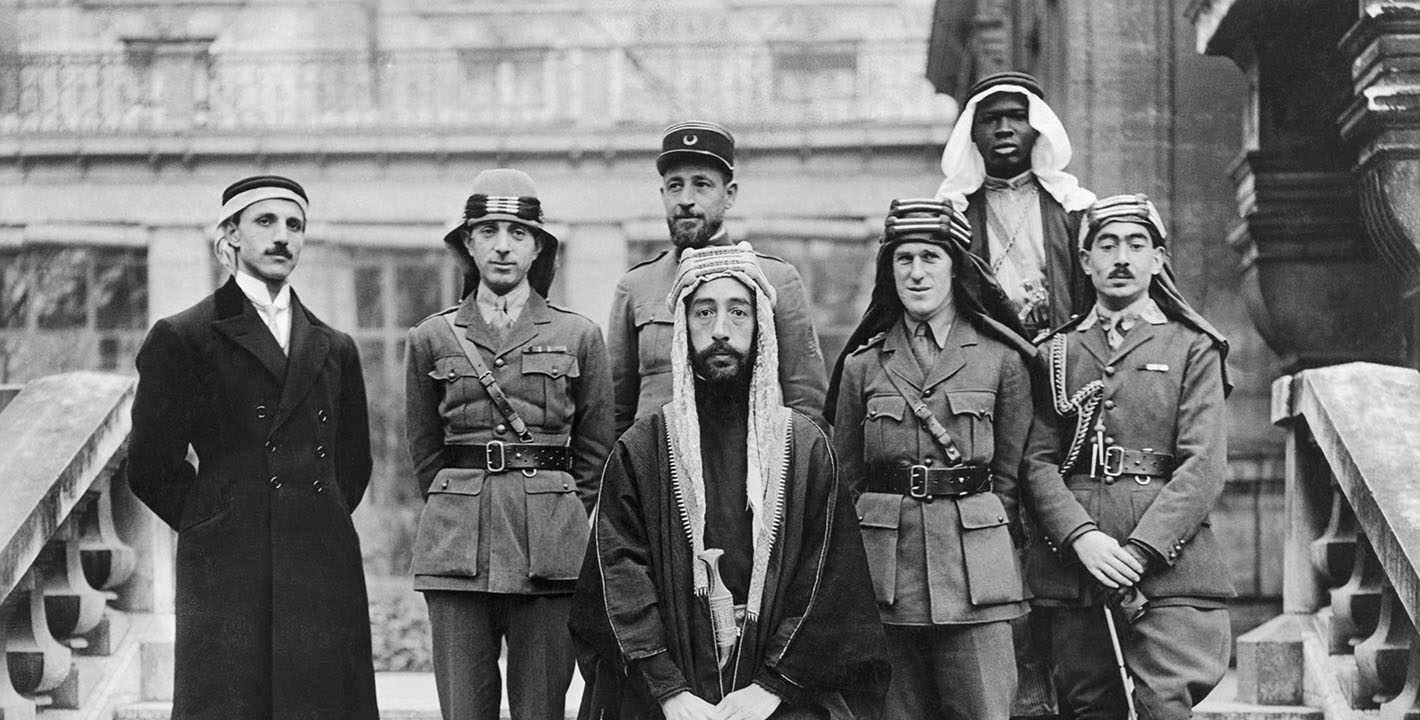
In an interview, Elizabeth Thompson recalls how the country formulated a liberal constitution in 1920, before being denied by France and Britain.

Michael Young
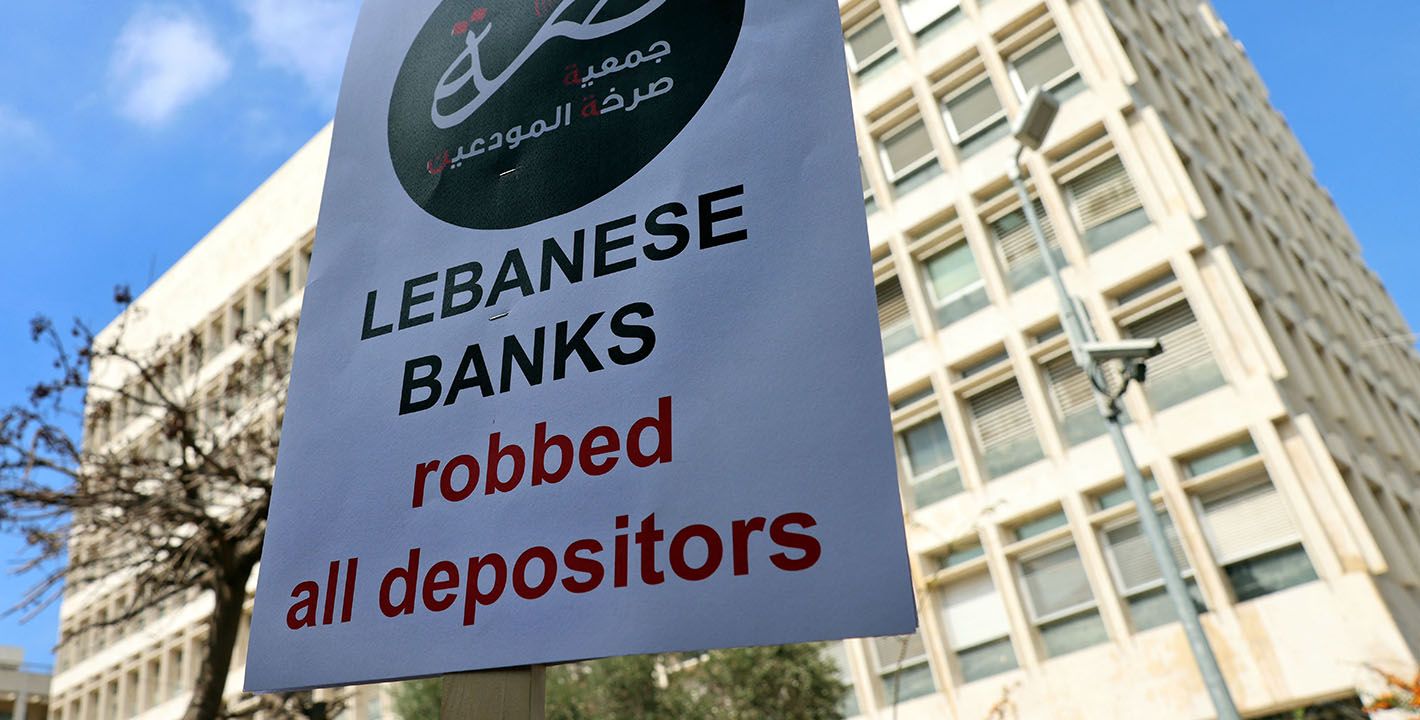
In an interview, Ishac Diwan looks at the merits and flaws in the draft legislation distributing losses from the financial collapse.
Michael Young
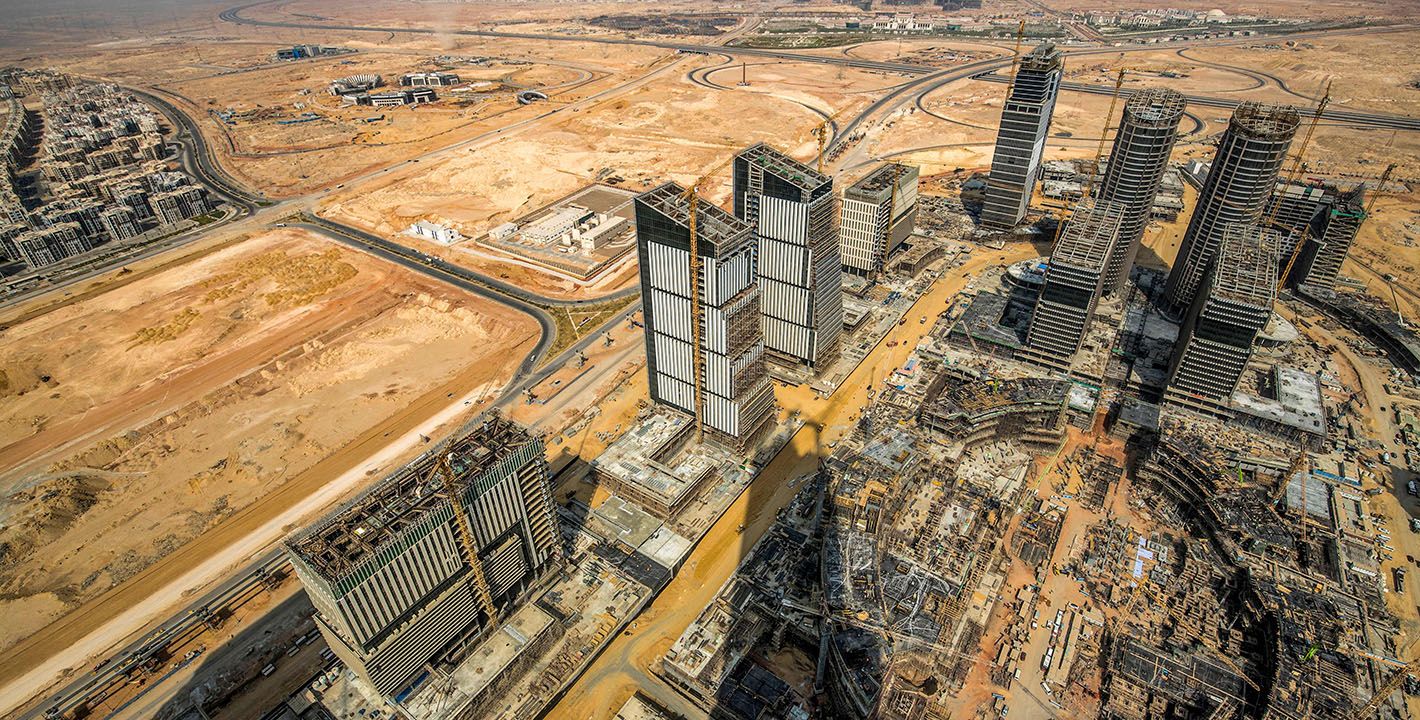
Mustaqbal Misr has expanded its portfolio with remarkable speed, but a lack of transparency remains.
Yezid Sayigh
Arab diaspora business communities in Egypt often mirror the same systemic challenges facing Egyptian businesses.

Nur Arafeh, Yezid Sayigh, Qaboul al-Absi, …