

Commentary
The country’s leadership is increasingly uneasy about multiple challenges from the Levant to the South Caucasus.
Armenak Tokmajyan
Without intellectual efforts it is impossible to find a viable solution to the dire post-August 2008 reality, which put both Georgia and Russia in an extremely difficult situation.
Source: Georgian Foundation for Strategic and International Studies Report

This paper is made possible through the support provided by the European Union, the COBERM team of the United Nations Development Program Georgia, and the Carnegie Moscow Center.
There are moments in the history of bilateral relations between states in which there is no room left for diplomatic maneuvering and politicians and diplomats lack necessary resources to bring about essential change. Nonetheless, it proves obvious that regardless of the most detrimental circumstances the relations between the two countries cannot be stalled completely. Economic interests, human relations, common threats and other factors push us to think about solutions and search for different ways and opportunities.
Without intellectual efforts it is impossible to find a viable solution to the dire post-August 2008 reality, which put both Georgia and Russia in an extremely difficult situation. The intellectual product, which would help us to find ways to address the problem (or other related issues) should be derived from the “material” common for both sides of the conflict, suit their “market demand” and equally meet their expectations.
One could argue that no one in Georgia fully understands Russia. The same situation holds true in Russia—little is know about Georgia to Russians. That is why the experts of both countries—those who sincerely aspire to find the ways out—should learn to work together, to listen to each other and get to know what is acceptable or unacceptable for the other side.
The primary goal of the project was to set an example and to create precedent for such relations.
The main value of the prepared policy documents is that they do not present a one-sided view or interest. They do not aim at a specific target audience—be that a certain party, government or social group. The addressees of these policy recommendations include Georgians and Russians, officials at all governmental levels, as well as interested segments of the society. These policy papers will provide valuable insights and suggestions to the international organizations and other international actors involved in the conflict.
Kakha Gogolashvili
Tengiz Pkhaladze
Nikolay Silaev
Tornike Sharashendize
Ivan Sukhov
Vladimer Papava
GFSIS (Tbilisi)
Boris Frumkin
George Tarkhan-Mouravi
Andrei Zagorski
Ivlian Haindrava
Alexander Skakov
Carnegie does not take institutional positions on public policy issues; the views represented herein are those of the author(s) and do not necessarily reflect the views of Carnegie, its staff, or its trustees.
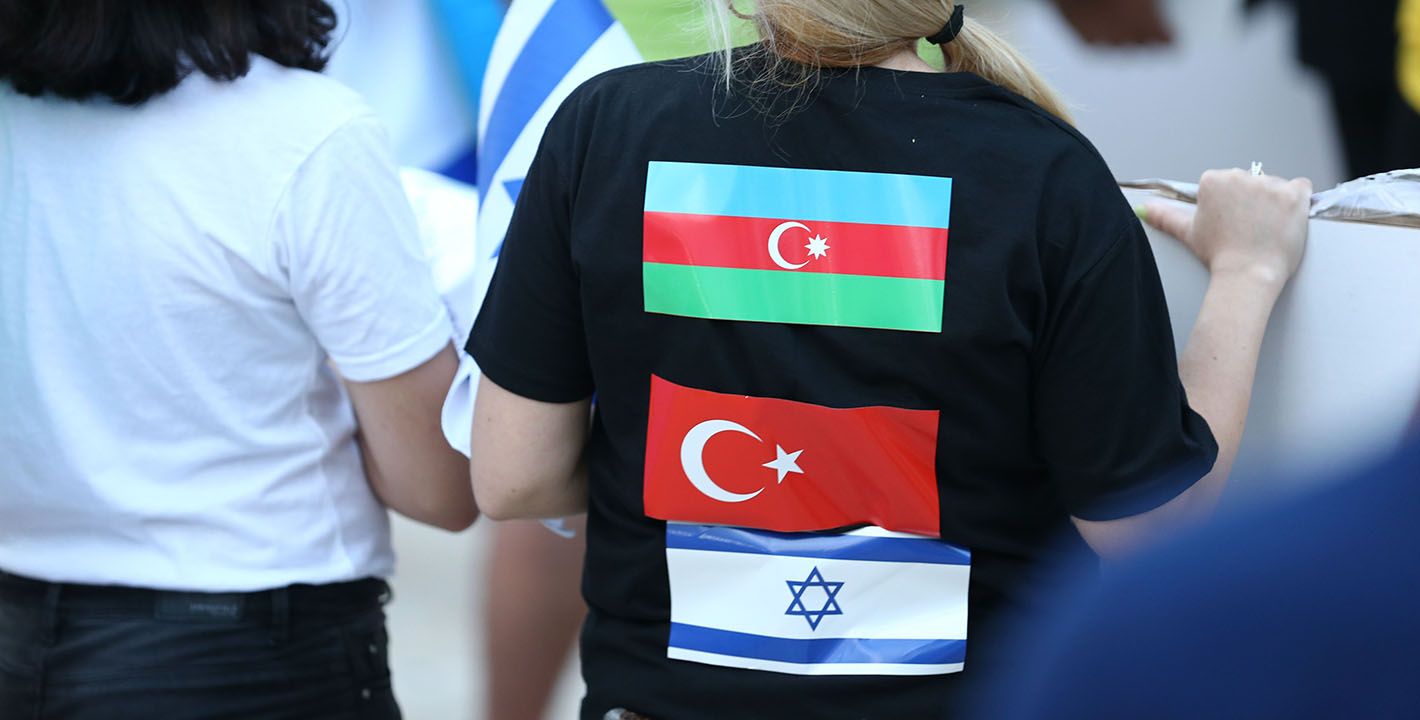
The country’s leadership is increasingly uneasy about multiple challenges from the Levant to the South Caucasus.

Armenak Tokmajyan
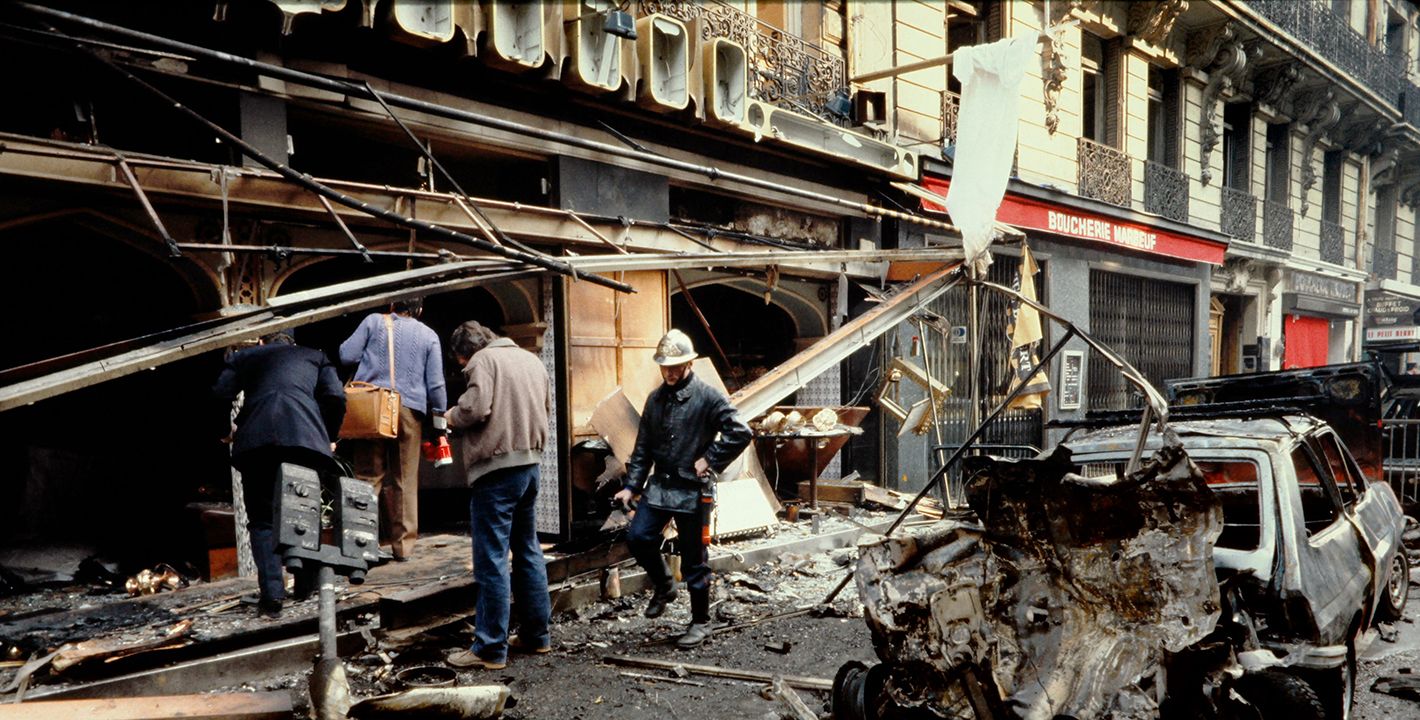
In an interview, Daniela Richterova speaks about her book on Czechoslovakia’s Cold War ties to Palestinian groups and others.

Michael Young
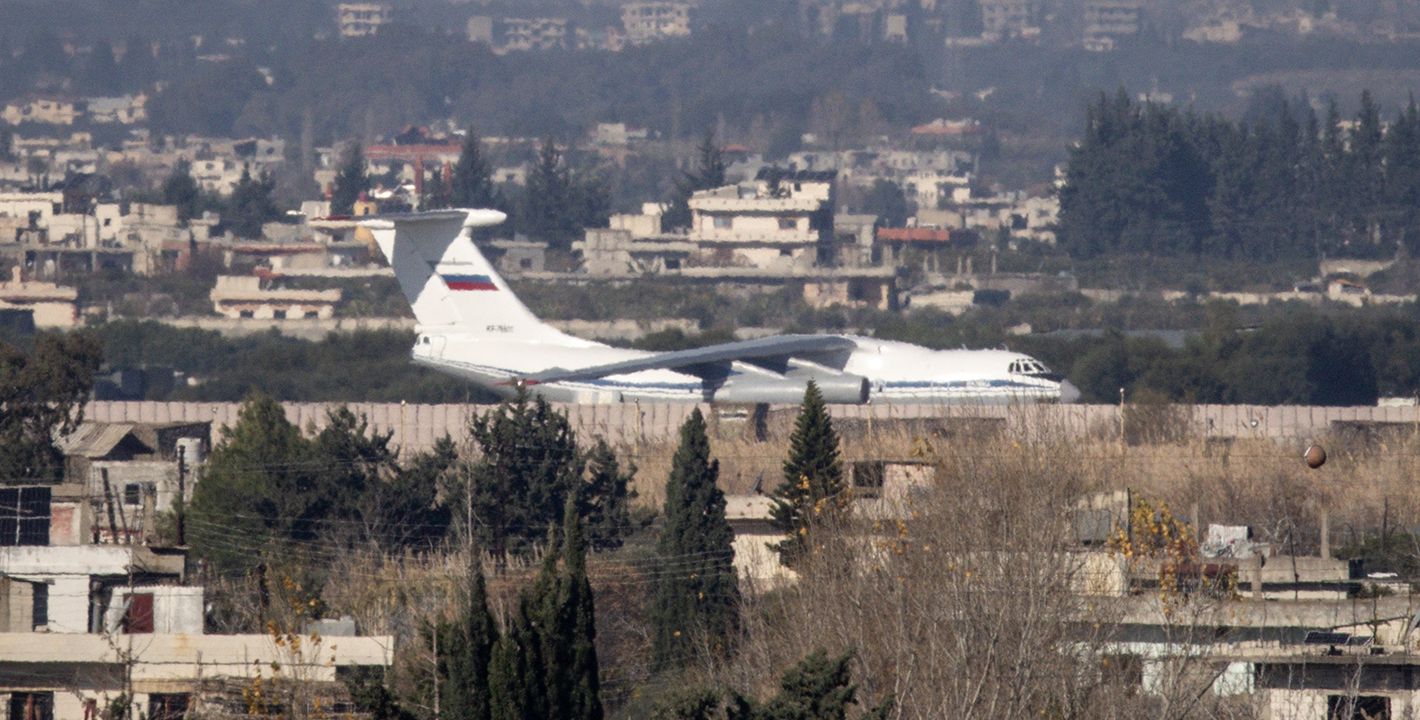
The downfall of the Assad regime represented a setback, but Russia’s primary focus remains Ukraine.
Sergei Melkonian
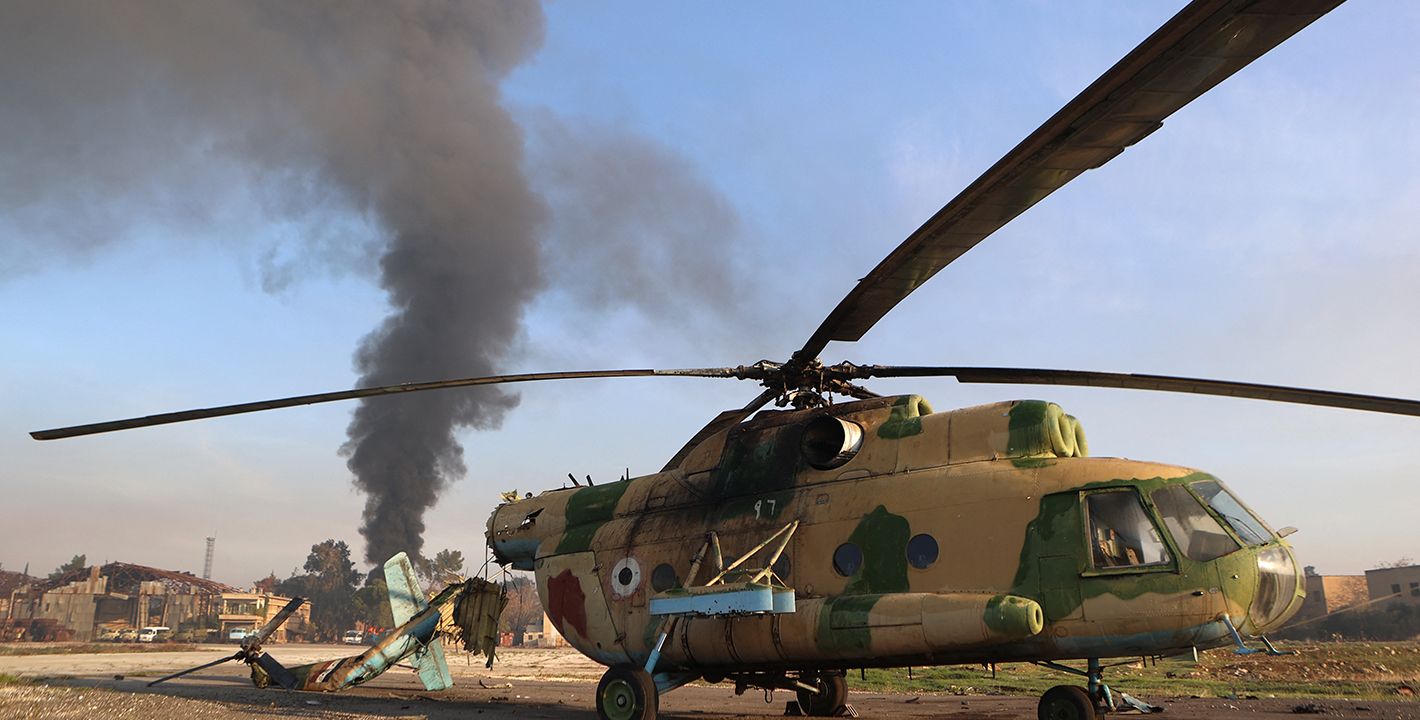
Why did Bashar al-Assad’s armed forces fail to act, unlike those in Egypt, Libya, Algeria, and Sudan?

Yezid Sayigh
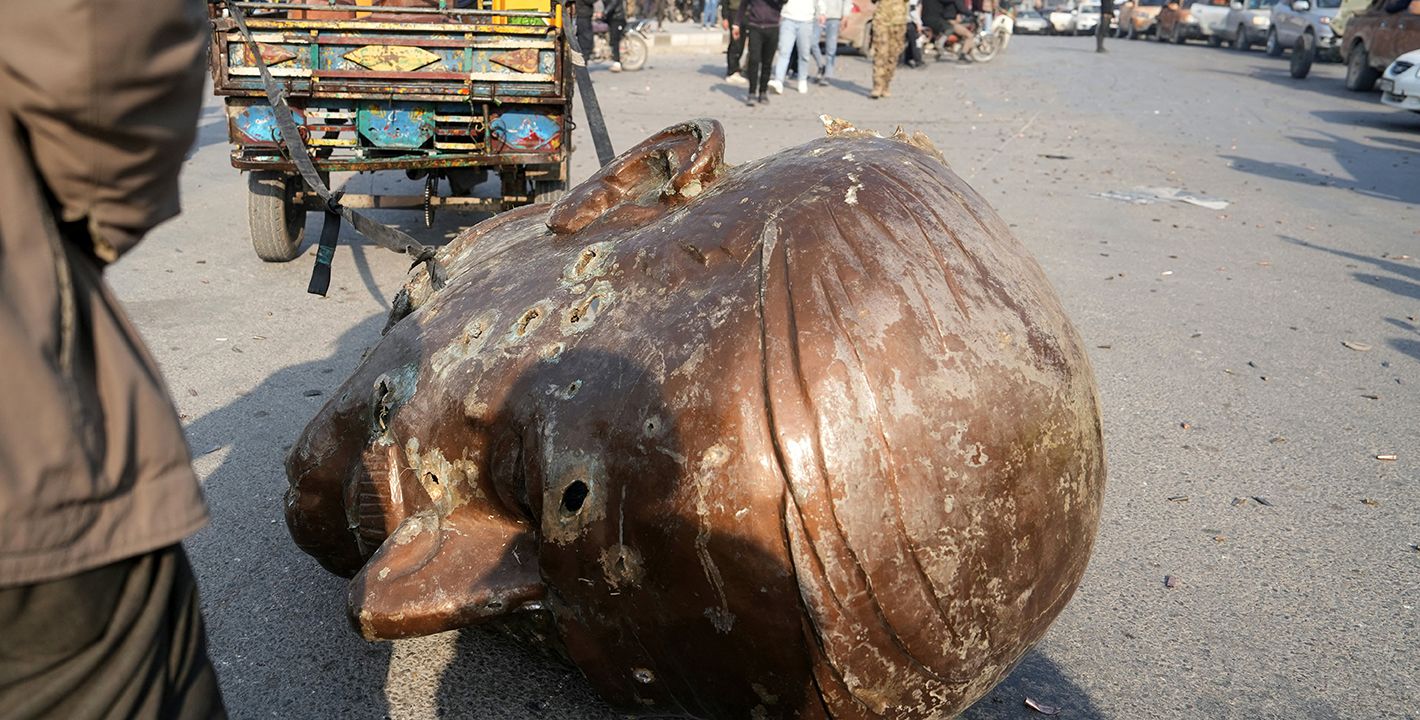
Spot analysis from Carnegie scholars on events relating to the Middle East and North Africa.
Armenak Tokmajyan