

Paper
George Perkovich
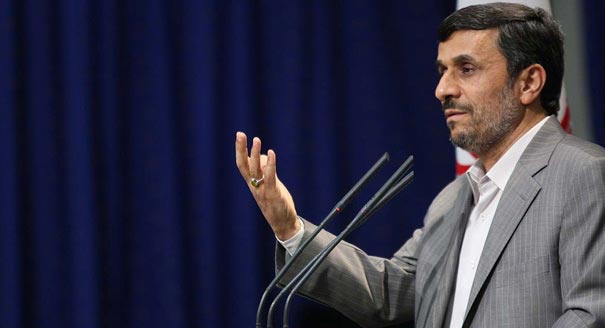
Source: Getty
A nuclear deal with Tehran that affirms Iran’s right to an exclusively peaceful nuclear program can create more hospitable conditions for Iranians to secure democracy and human rights.
No diplomatic deal to solve the Iranian nuclear standoff will be possible if it does not allow Tehran’s leadership to proclaim some measure of victory—most probably a recognition of Iran’s right to enrich uranium for civilian reactors. This creates a profound dilemma for the United States and other Western powers who deplore the Iranian regime’s repression of democracy and human rights.
Anything that benefits the Iranian regime must be bad, right? Wrong. A nuclear deal that averts war (which would cause even greater human suffering in Iran) need not betray Iranian democrats nor preclude U.S. advocacy of their cause.
Ronald Reagan and other American presidents made arms control deals with the Soviet Union while still seeking an end to its totalitarian empire. So, too, Barack Obama or Mitt Romney could negotiate verifiable measures to prevent Iran from acquiring nuclear weapons without undermining Iranian human rights and democracy advocates.The objective of negotiations is—as it was with the Soviets—to eliminate risks of nuclear proliferation and war in the wider Middle East. The United States and Iran can continue to denounce each other’s political systems, counter each other’s power projection in the region, and seek history’s vindication of the relative merits of each other’s cause, but within a framework that precludes terrorism and hot war.
Iranian democrats and human rights activists are long-suffering. After the United States and the United Kingdom overthrew nationalist Prime Minister Mohammad Mossadegh in 1953, Iranians experienced three decades of repressive rule under the U.S.-backed Shah. The 1979 revolution brought early hope, but the forces of democracy and modernity were soon crushed by acolytes of the Ayatollah Khomeini.
The presidential election of Mohammed Khatami in 1997 initially offered prospects of political reform and a reinvigoration of civil society, but again the reactionary theocrats and their praetorian Revolutionary Guard leaders reasserted themselves. The Green Movement that emerged after the rigged elections of 2009 inspired a new generation of Iranian liberals, but was unable to withstand the violent countermoves of the state.
Key leaders of the Iranian opposition are painfully wary of revolutionary discourse and violence. They know that democracy cannot be won by the point of a gun, whether their own or that of the United States.
In a 2011 report based on interviews with 35 leading Iranian human rights and democracy activists, the International Campaign for Human Rights in Iran concluded: “civil society leaders overwhelmingly reflect the opinion that an attack on Iran, no matter how limited in scope, would have ruinous consequences for Iranian society by entrenching the authoritarian regime, intensifying human rights abuses and likely thwarting the democratic aspirations of a large portion of the populace.”
Dissidents like Nobel laureate Shirin Ebadi insist that Iranians must make their own political future and that there are only limited things the United States can do to help them and much that Washington can do to hurt them.
Chronicling Iranian government violations of universal human rights can help, as can easing visa processes for Iranians to visit the United States and promoting greater exchange between civil society players. Engineering technological means to bypass state restrictions on the internet and other forms of communication can help too.
Threatening or conducting warfare and coercive regime change hurts, however, for it allows security forces to justify repression in the name of protecting national sovereignty.
It is too early to tell whether the Iranian government is prepared to make the compromises necessary to negotiate an end to the nuclear standoff. But if a formula can be found whereby Iran takes verifiable steps to build international confidence that it will not produce nuclear weapons, and to resolve outstanding issues with the International Atomic Energy Agency, Iranians will gain a calmer environment in which to resume their internal struggle for democracy and human rights.
The focus can shift away from war and external threats that play into the hands of the regime and back to the quality of life within Iran.
Here the Soviet experience is instructive. Glasnost and the unwinding of the Soviet empire occurred in conjunction with nuclear arms control. Political evolution and the reduction of nuclear threats were mutually reinforcing processes. Arms control talks became a venue for reducing fears of aggression, which widened space in Russia and Eastern Europe for dissidents seeking to loosen the grip of security forces.
From the 1980s to the present day, one has not heard Russian democrats regret nuclear arms control agreements. The struggle for genuine democracy remains unfulfilled, but Russians know that this is their struggle and the coercive instruments of U.S. power cannot win it for them.
So, too, a deal that affirms Iran’s right to an exclusively peaceful nuclear program and builds international confidence that Iran will not acquire nuclear weapons can create more hospitable conditions for Iranians to secure democracy and human rights.
The United States and Iranian government will continue to contest each other’s values and influence in the Middle East. Washington should use all suitable venues to highlight human rights abuses in Iran and in Iranian-backed Syria, knowing Iran will do the same highlighting of U.S. double standards as well as maltreatment of Palestinians by Israel. Struggle will continue; the objective is to conduct it away from the shadow of nuclear war.

Japan Chair for a World Without Nuclear Weapons, Senior Fellow
George Perkovich is the Japan Chair for a World Without Nuclear Weapons and a senior fellow in the Carnegie Endowment for International Peace’s Nuclear Policy Program. He works primarily on nuclear deterrence, nonproliferation, and disarmament issues, and is leading a study on nuclear signaling in the 21st century.
Recent Work
George Perkovich
George Perkovich
Carnegie does not take institutional positions on public policy issues; the views represented herein are those of the author(s) and do not necessarily reflect the views of Carnegie, its staff, or its trustees.

By failing to address Palestinian representation, the current process is bound to lead to just another temporary arrangement.

Nathan J. Brown

Morocco and Algeria, each in its own way, are having to navigate the global economic fallout of the U.S.-Israeli military campaign against Iran.

Yasmine Zarhloule
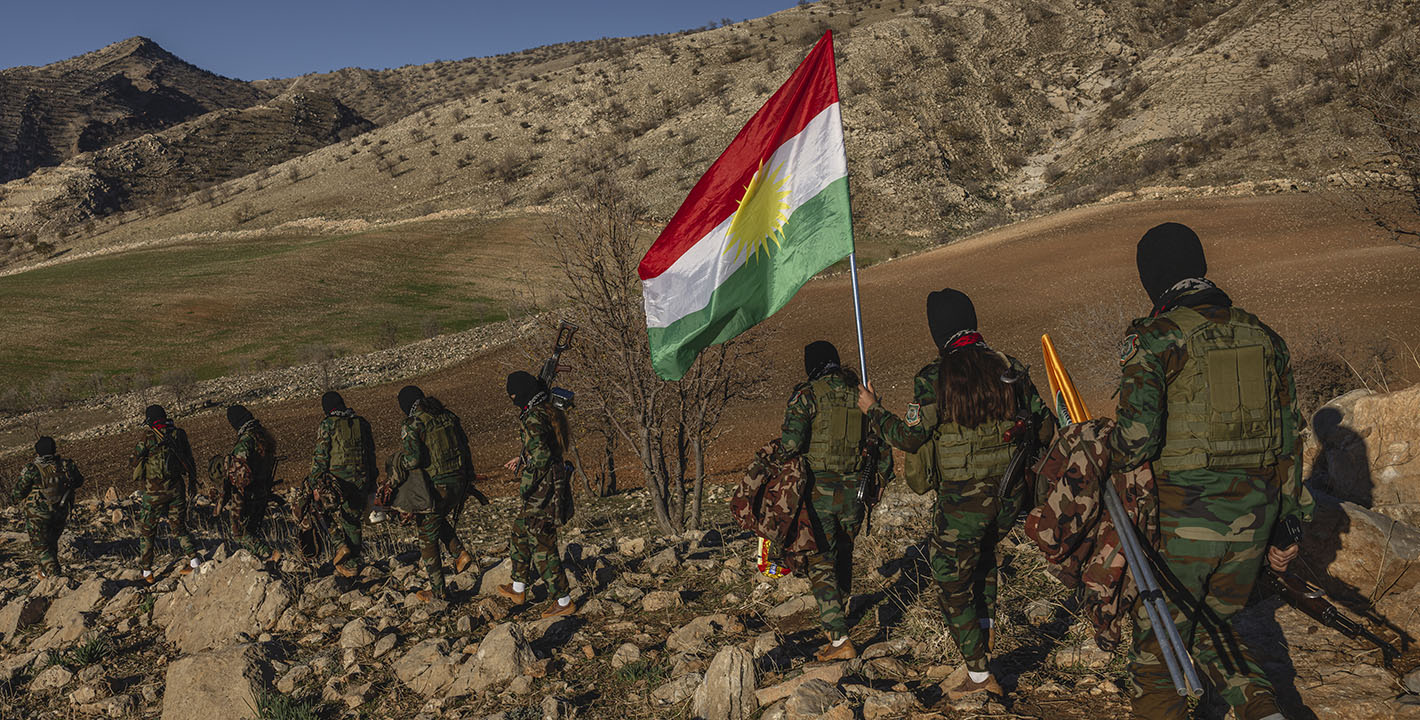
Following its deal with the United States, Iran may act against Iraq-based dissidents.
Wladimir van Wilgenburg
There is a disturbing structural parallel between the old global energy economy and the new green transition.

Angie Omar
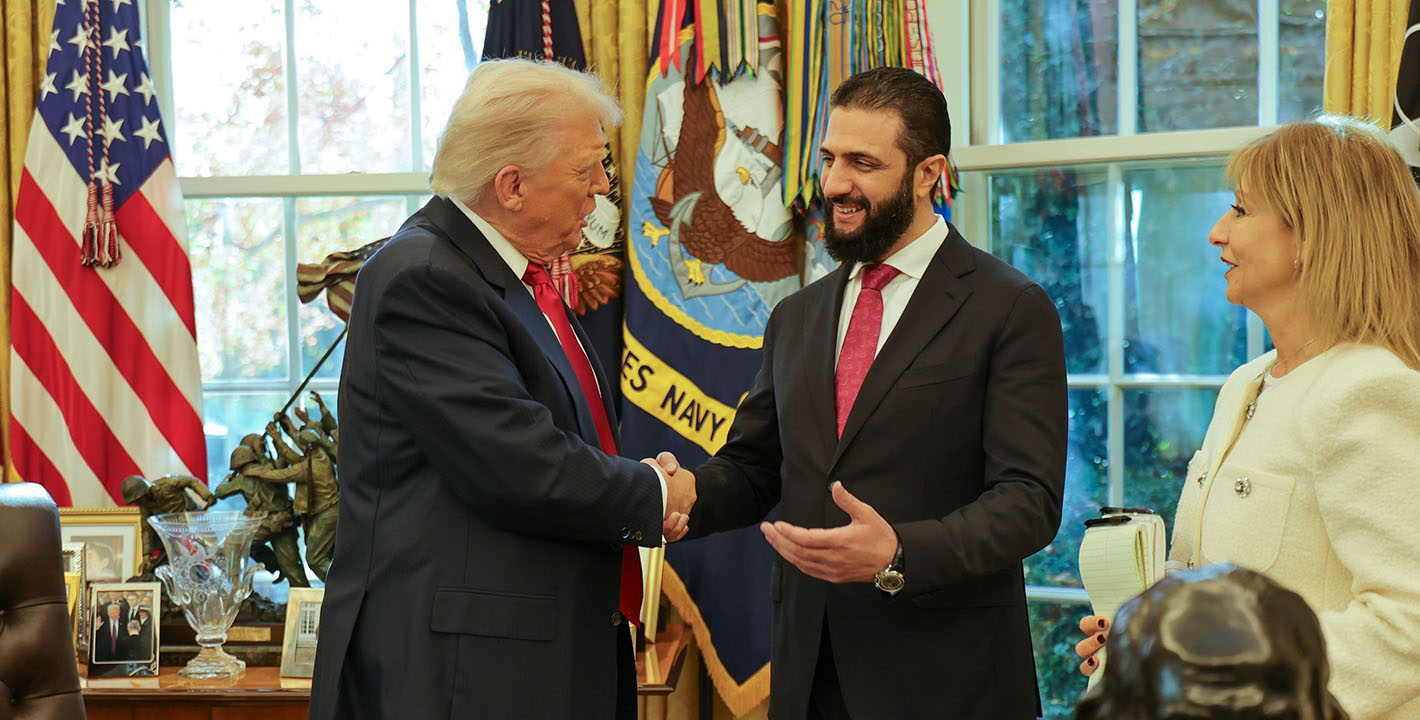
Any move by the United States to make good on Trump’s suggestion that Washington persuade Damascus to confront Hezbollah militarily would have catastrophic consequences.

Kheder Khaddour