

Commentary
The country’s youthful protest movement is seeking economic improvement, social justice, and just a little hope.
Yasmine Zarhloule
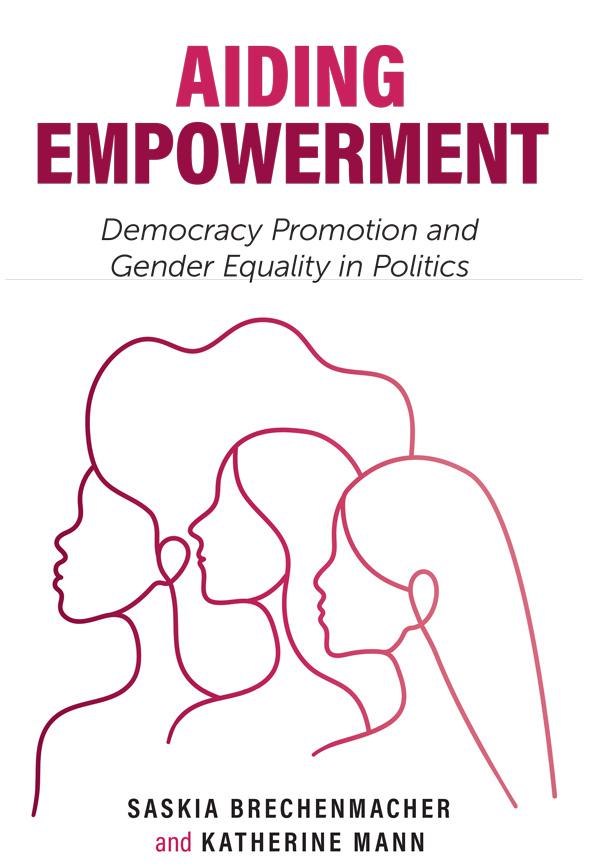
International assistance for women’s political empowerment has evolved significantly over the last three decades, from a first generation of aid programs aimed at integrating women into nascent democratic institutions to a second generation focused on transforming the broader political ecosystem.
Source: Oxford University Press
In recent decades, women’s political empowerment has become an important foreign policy and assistance objective. Every year, donor governments and multilateral organizations partner with hundreds of civil society groups around the world to train women to run for office, support women legislators, campaign for gender quotas, and bolster women’s networks in political parties and parliaments.
What ideas about gender, power, and political change guide these aid programs? What have practitioners and advocates learned about their strengths and weaknesses, and how might they improve their work going forward?
Drawing on extensive interviews with aid officials, women’s rights advocates, and women politicians in Western donor countries and across Kenya, Morocco, Myanmar, and Nepal, Aiding Empowerment investigates how democracy aid actors promote gender equality in politics. Saskia Brechenmacher and Katherine Mann argue that international assistance for women’s political empowerment has evolved significantly over the last three decades, from a first generation of aid programs aimed at integrating women into nascent democratic institutions to a second generation focused on transforming the broader political ecosystem hindering women’s equal political influence. However, this evolution is still unfolding, and changes in thinking have outstripped changes in aid practice. Several challenges threaten future progress, from the persistence of patriarchal norms to rising concerns about democratic erosion and backlash. In the face of these hurdles, the book presents practical recommendations for policymakers, practitioners, and advocates fighting for women’s political empowerment globally.
Senior Fellow, Democracy, Conflict, and Governance Program
Saskia Brechenmacher is a senior fellow in Carnegie’s Democracy, Conflict, and Governance Program, where her research focuses on democratic erosion, gender, and civic activism in the United States and globally. She also serves on the board of the International Center for Not-for-Profit Law.
Katherine Mann
Former PhD Candidate and Cambridge Trust Scholar, University of Cambridge
Katherine Mann is a PhD candidate and Cambridge Trust Scholar at the University of Cambridge. Her research examines the role of gender in conflict, armed group dynamics, and conflict-related sexual and reproductive violence.
Carnegie does not take institutional positions on public policy issues; the views represented herein are those of the author(s) and do not necessarily reflect the views of Carnegie, its staff, or its trustees.
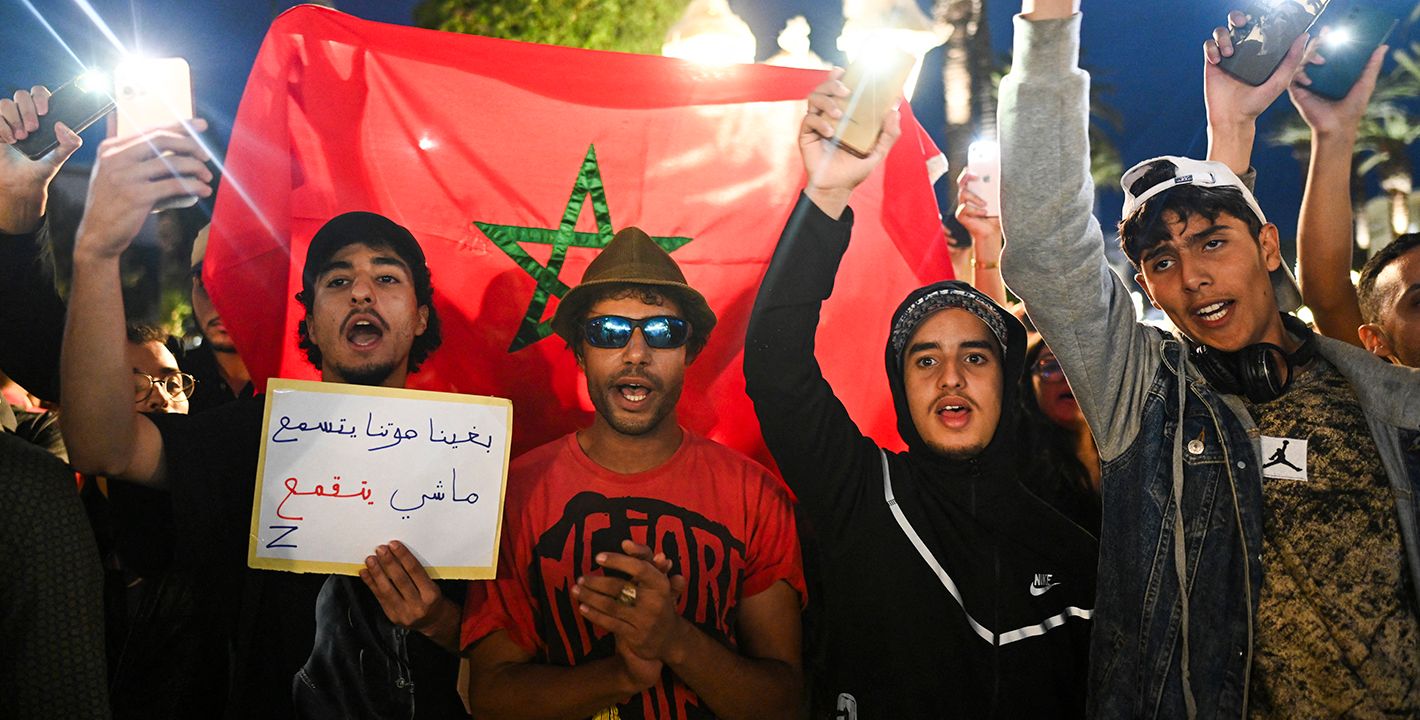
The country’s youthful protest movement is seeking economic improvement, social justice, and just a little hope.

Yasmine Zarhloule
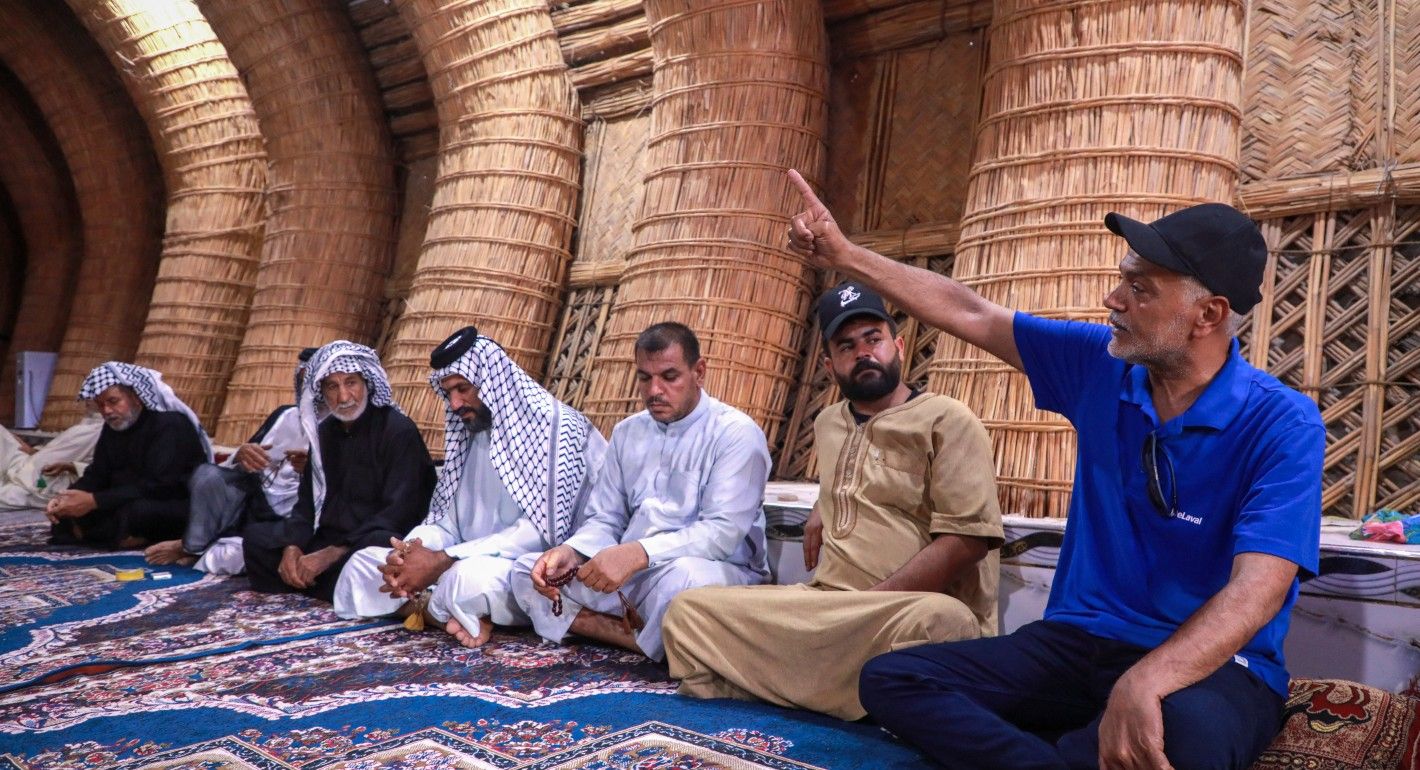
In fragmented political contexts, climate activism is a way to contest both ecological harm and the structures of violence and neglect that allow it to persist.


Issam Kayssi, Mohanad Hage Ali
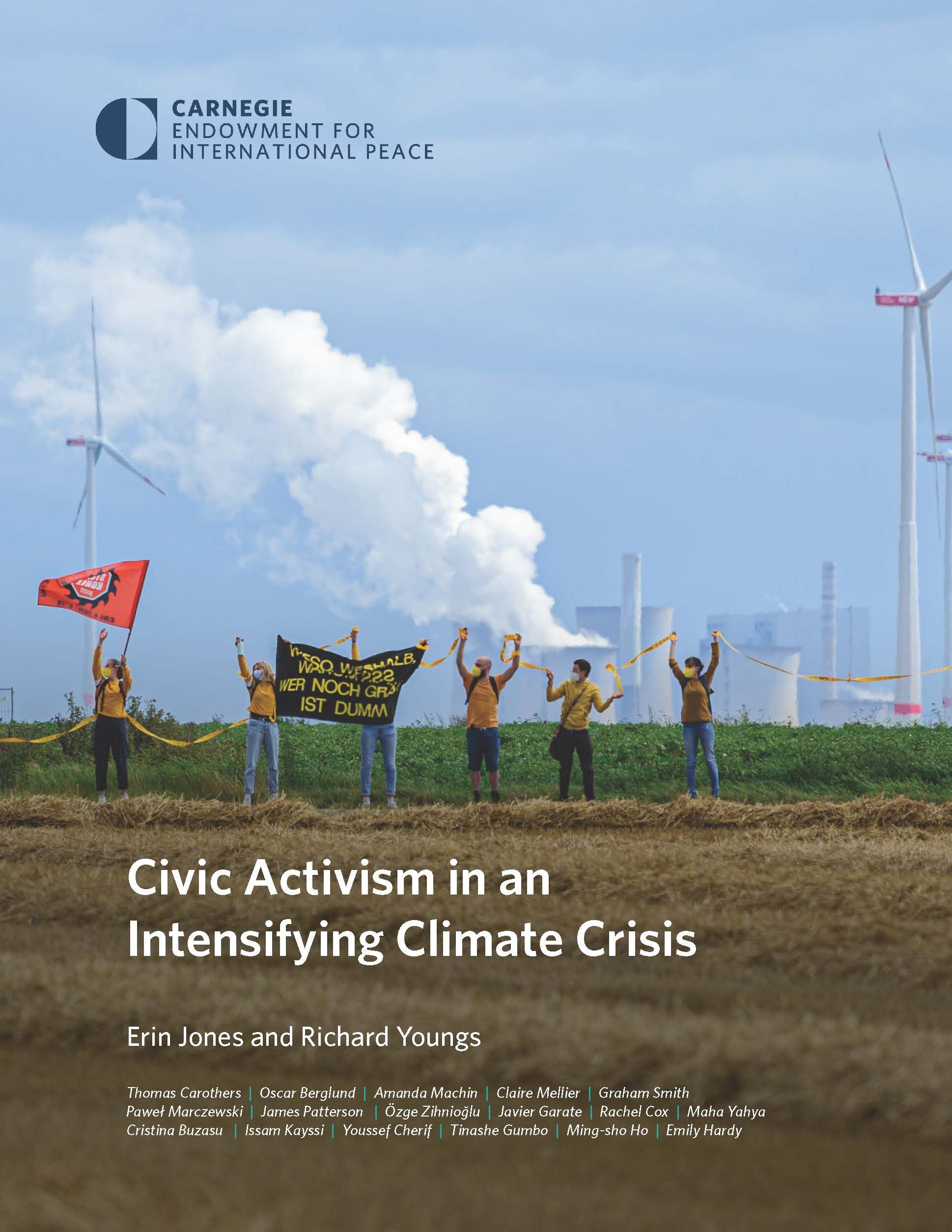
To address the deepening climate crisis, climate activism is employing a wider variety of tactics and aiming at a broader set of goals. In response, the movement faces stronger repression and civic backlash against climate action.

Erin Jones, Richard Youngs
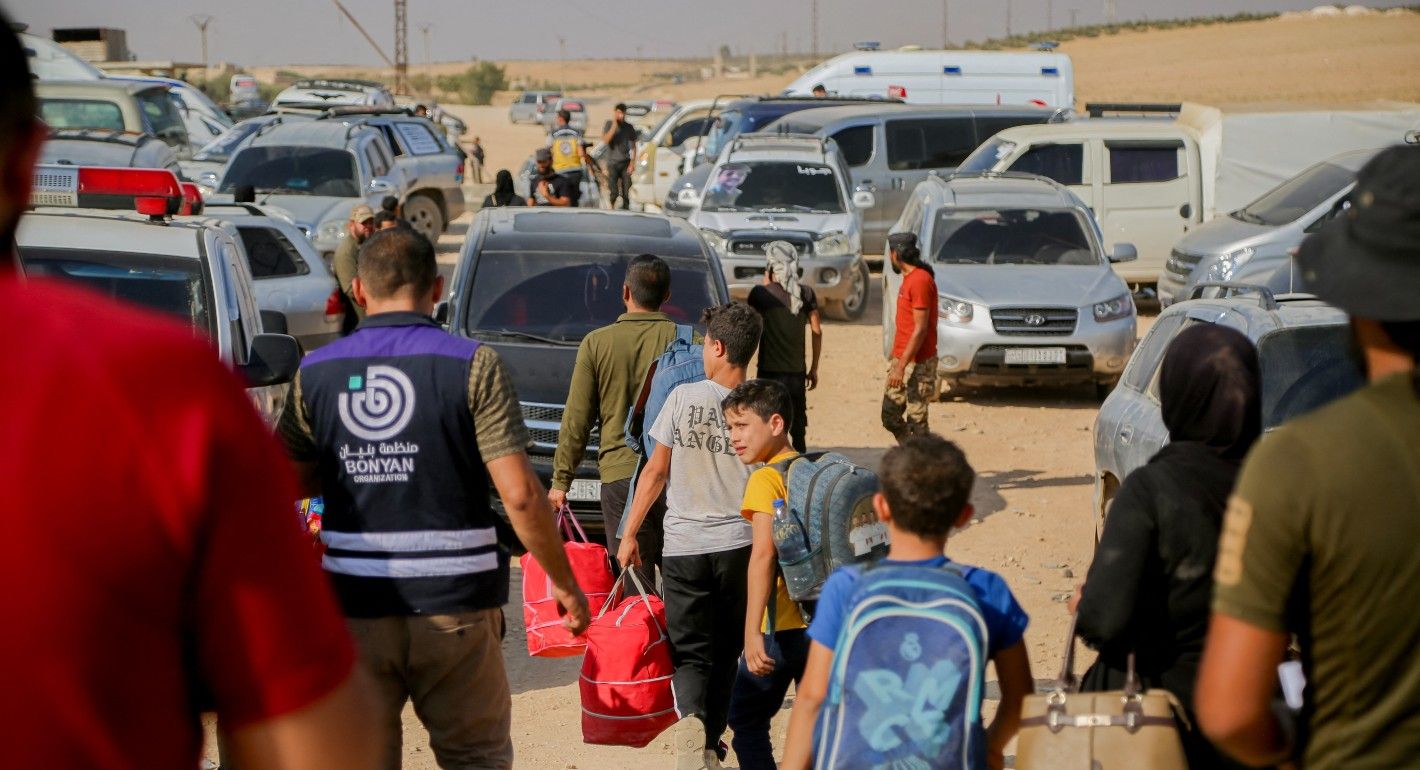
A humanitarian crisis in Lebanon deepens, and Syrian refugees face a perilous choice: remain in a war-torn environment or return to Syria where they risk encountering significant dangers and discrimination. There are significant challenges and risks to their search for safety in Syria.
Haid Haid
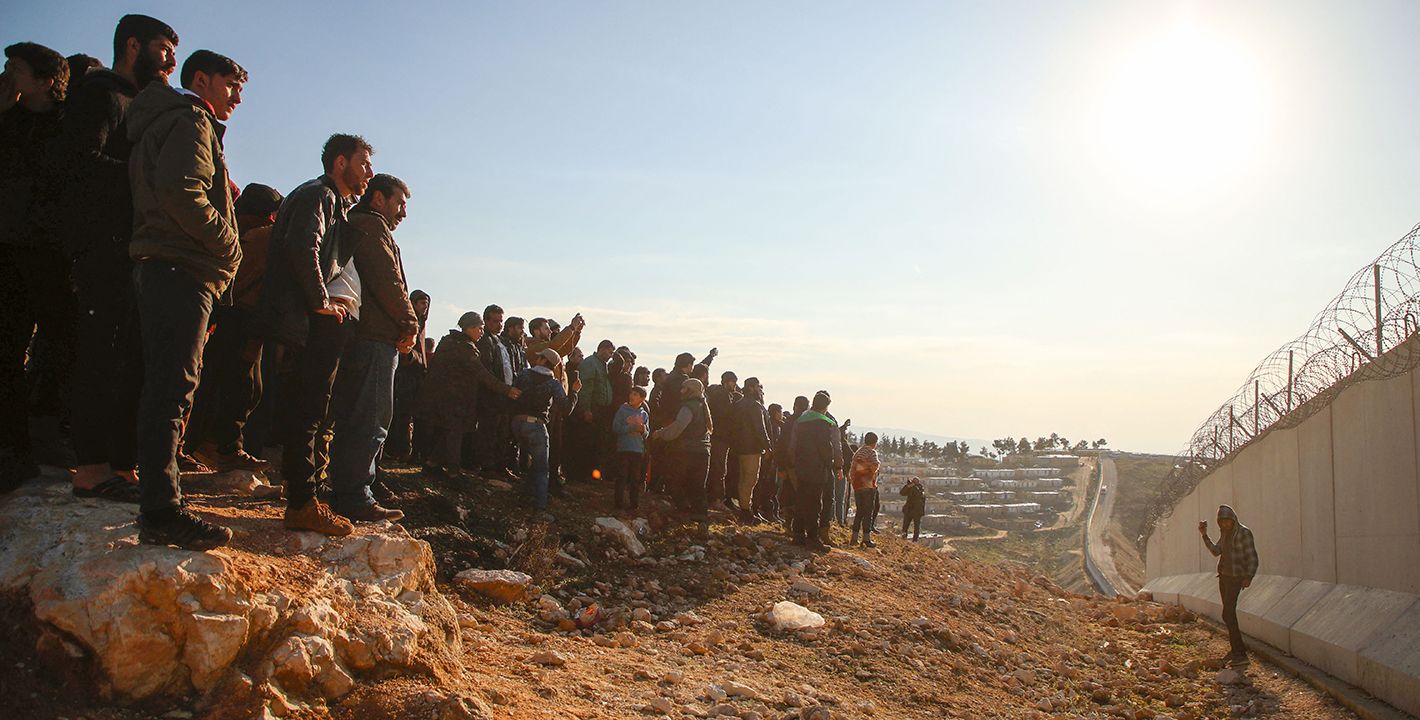
In Syria’s border regions, changes in demographics, economics, and security mean that an inter-Syrian peace process will require consensus among main regional powers that Syria must remain united, that no one side can be victorious, and that perennial instability threatens the region.

Kheder Khaddour, Armenak Tokmajyan