

Commentary
The GCC states’ use of Artificial Intelligence will generate much leverage over the global digital infrastructure and climate talks.
Camille Ammoun

How existing conceptualizations of the term “information integrity” fall short and how information integrity can achieve conceptual goodness.
Kamya Yadav
Former Research Analyst, Technology and International Affairs
Kamya Yadav is a research analyst in the Technology and International Affairs Program at the Carnegie Endowment for International Peace. Kamya is a PhD student at the University of California, Berkeley, where she researches gender, representation, and technology in the context of developmental political economy, with a regional focus on South Asia.

Senior Fellow, Technology and International Affairs, Director, Information Environment Project
Alicia is the director of the Information Environment Project and the author of The Information Animal: Humans, Technology and the Competition for Reality. Alicia was a technical advisor to the Aspen Institute’s Commission on Information Disorder and is a founding member of its Global Cybersecurity Group.
Samantha Lai
Former Senior Research Analyst, Technology and International Affairs
Samantha Lai was a senior research analyst at the Carnegie Endowment for International Peace's Information Environment Project.
Carnegie does not take institutional positions on public policy issues; the views represented herein are those of the author(s) and do not necessarily reflect the views of Carnegie, its staff, or its trustees.
The GCC states’ use of Artificial Intelligence will generate much leverage over the global digital infrastructure and climate talks.

Camille Ammoun
Uneven investment in the technology will widen regional inequalities in the Middle East and North Africa.

Nur Arafeh
The GCC states are, to varying degrees, opening up to digital finance. This is part of an effort to diversify their economies and wean themselves off U.S.-dominated monetary systems.
Ala’a Kolkaila

Algeria and Egypt pressed China’s telecom national champion Huawei for more value-added manufacturing and technology transfers. The company responded, but it ultimately improved its brand image without engaging in meaningful capacity building.

Tin Hinane El Kadi
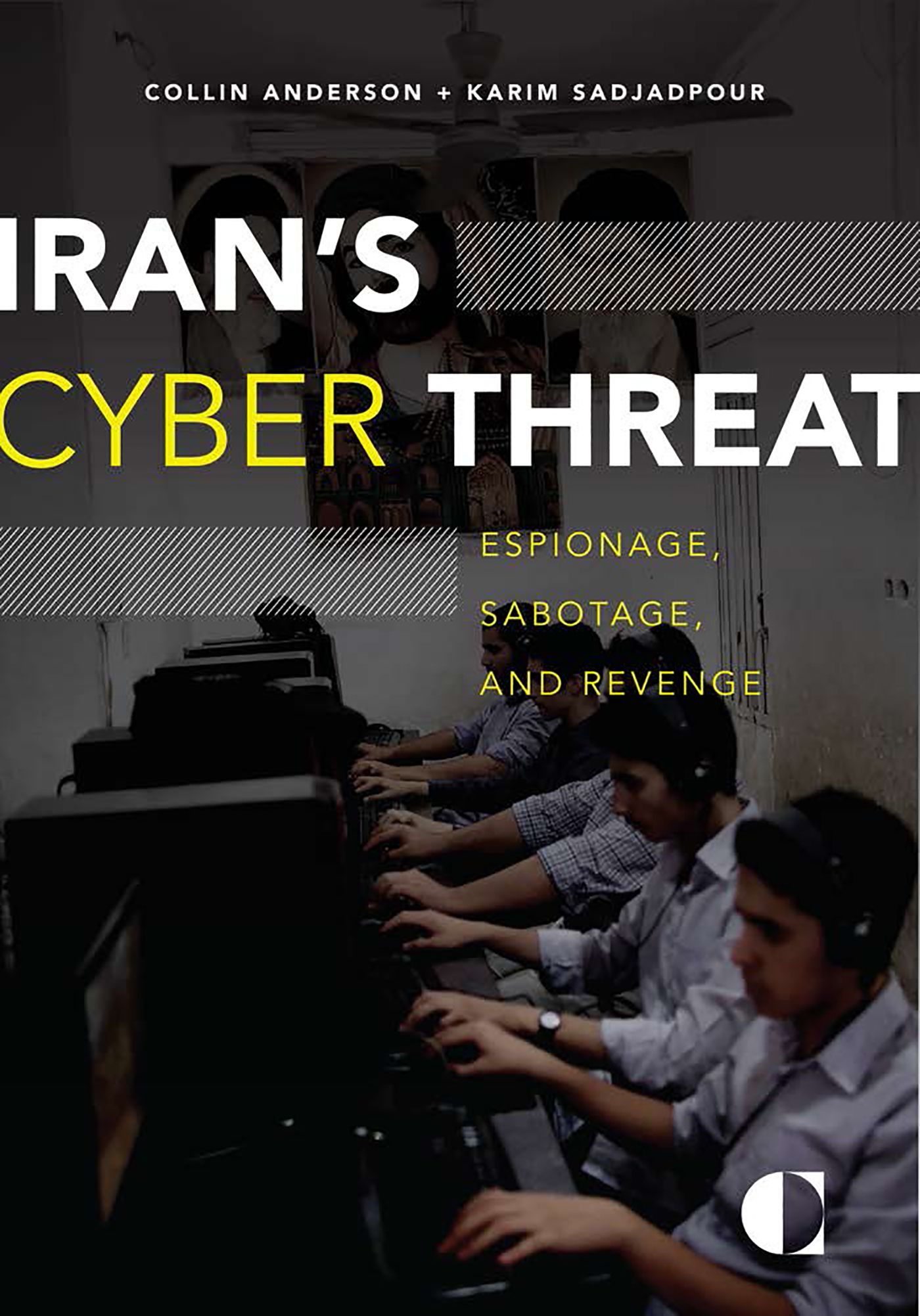
Incidents involving Iran have been among the most sophisticated, costly, and consequential attacks in the history of the internet.

Collin Anderson, Karim Sadjadpour